

Non-medical support during childbirth in Armenia: who are doulas and what do they do?






Doulas in Armenia: non-medical support for pregnant women
The first certified doulas appeared in Armenia six years ago. Yet few women know that they can turn to doulas for support during pregnancy, childbirth and even after giving birth.
Doulas are not medical professionals. They help women manage labour pain through massage and breathing techniques, while also providing emotional support. Women now have a choice about who accompanies them during these hours. Some still prefer to have their husbands, mothers or sisters by their side. Others choose to give birth with a doula.
- Armenia’s growing number of large families: Statistics, one couple’s story and expert insights
- ‘They need me’: story of father who was left alone to raise two toddlers after his wife’s death
- How women in Armenia balance family care, childcare and careers
Most doulas enter the profession after a negative personal experience
Yvetta Kosyan-Suvorova says women decide to become doulas after giving birth themselves. Sometimes they want to share a positive experience. More often, however, they turn to the profession because of a negative experience.
“I took a long journey to get to this point. I gave birth twice. My second birth was therapeutic and healing. I realised that a woman’s preparation, knowledge and expectations largely determine how childbirth unfolds. The problem is that women often have expectations that do not match reality. This can lead to traumatic consequences,” she says.
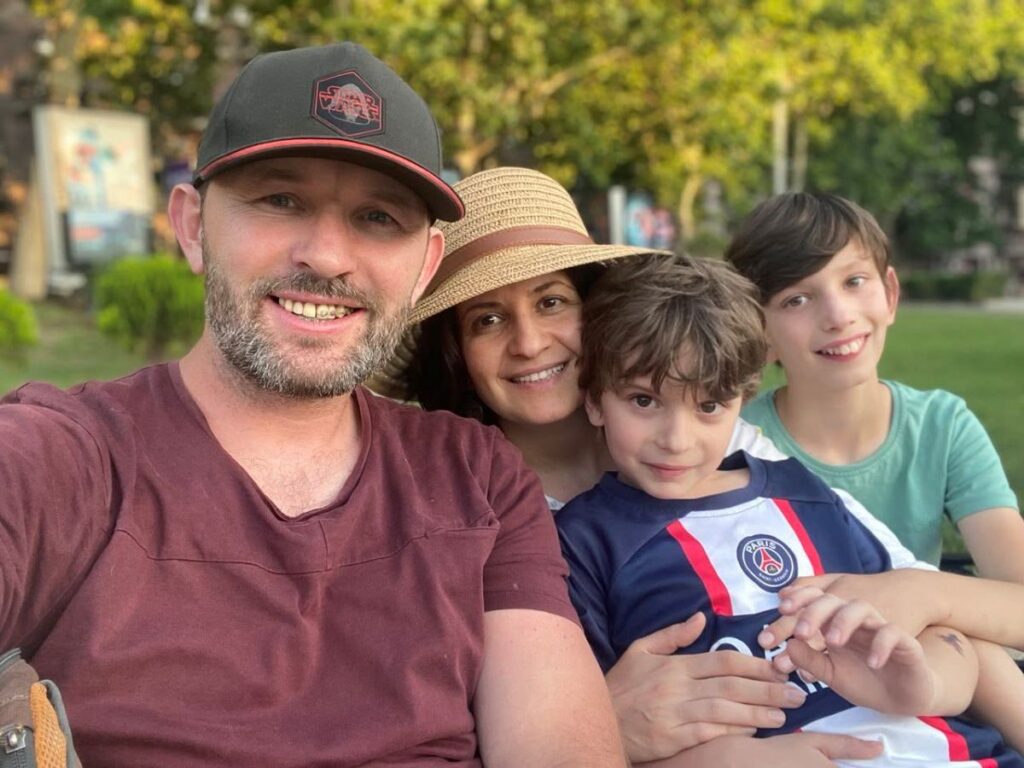
Yvetta says her husband stayed by her side during both births. The first was a terrifying experience for both of them. The second went differently because they had both prepared for it. This time, they could talk to each other, joke and even dance during labour. She remembers the birth as “a wonderful process”.
She recalls that seven days before her second child was born, she listened to a lecture by an American doula. She remembers everything that might prove important during childbirth:
“Before that lecture, I was determined not to let anything that happened during my first birth happen again. For eight months, I told my doctor that I refused to give birth naturally. I insisted on a caesarean section. But that one-hour lecture changed everything for me. I realised I could understand my hormones and my surroundings, and that I could control many things. Ultimately, I could simply give it a try.
“My second birth went smoothly, without anxiety, and so quickly that after I was discharged, I kept telling my husband I wanted to offer to help pregnant women during labour and reassure them. Of course, those plans never came to fruition because they were unrealistic expectations.”
Yet the idea stayed with Yvetta for the next ten years. Eventually, she began working with pregnant women and women in labour, but as a photographer. Her family was living abroad at the time, where maternity photography was very popular. When she moved to Armenia, she expected to find plenty of clients for similar photo shoots. However, she says, almost all women in labour there turned down her offers.
“Either they invited me into the maternity ward not to take photographs that would capture this important moment in their lives, but simply because they did not want to be alone. But a photographer cannot intervene; they are like a shadow. Their presence should be as discreet as possible. I realised that, ultimately, I could not help women.”
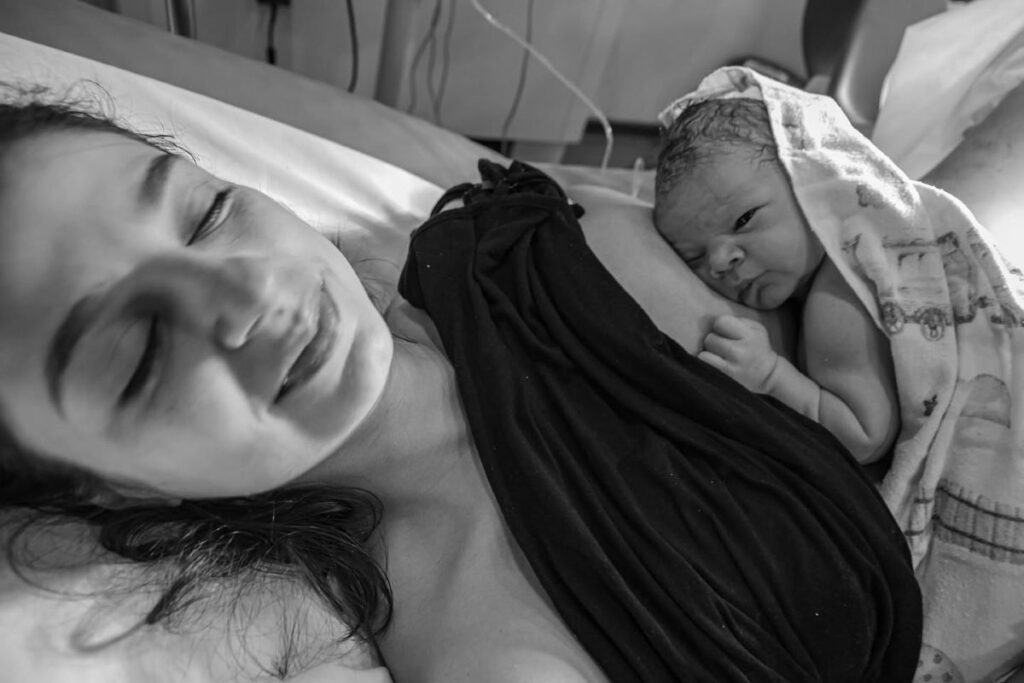
Yvetta’s dream of becoming a doula came true during the coronavirus pandemic, when many training centres moved their courses online. Yvetta completed a course, passed her exams and received an international doula certification. She became the first doula in Armenia.
Who are doulas?
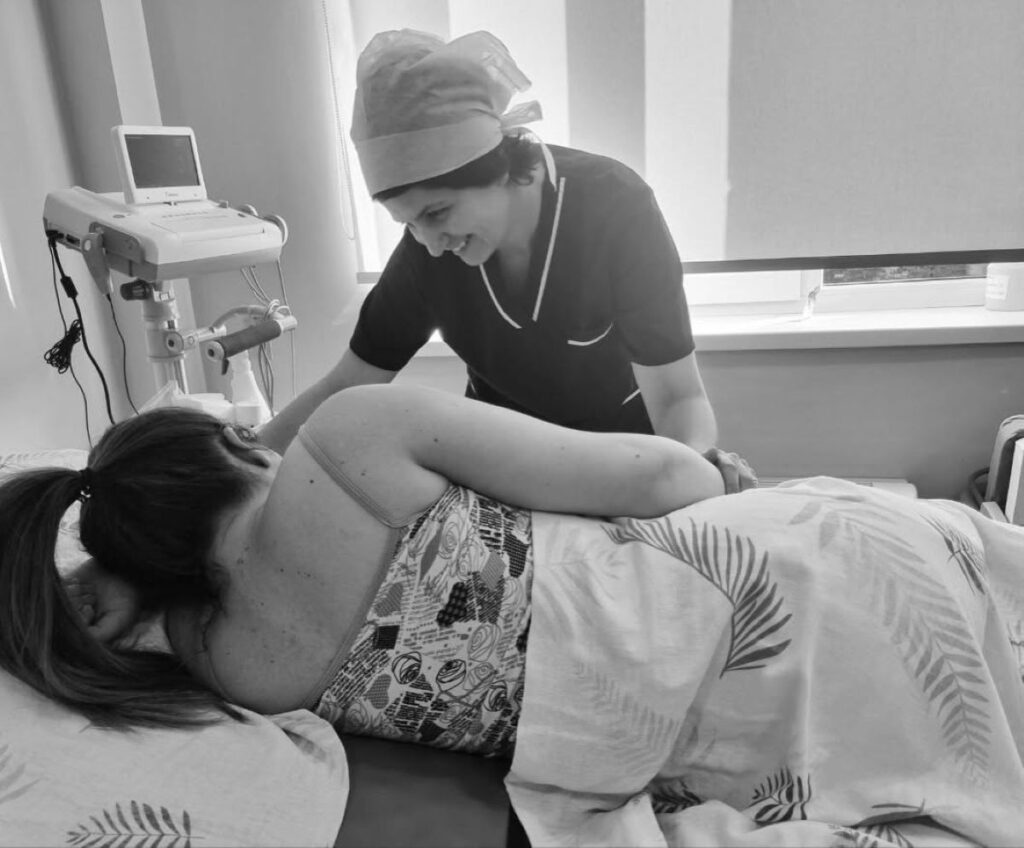
Doulas are trained professionals who support pregnant women, women in labour and those who need help during the postnatal period. They prepare women for childbirth and stay by their side throughout labour in the delivery room. Doulas provide informational, emotional and physical support.
During labour, doulas help women through massage, pressure techniques and touch. Sometimes they simply offer encouragement; at other times, they explain what is happening in a woman’s body at that moment. They suggest different positions and help women feel comfortable and safe throughout the process. This can increase the likelihood of a positive birth outcome.
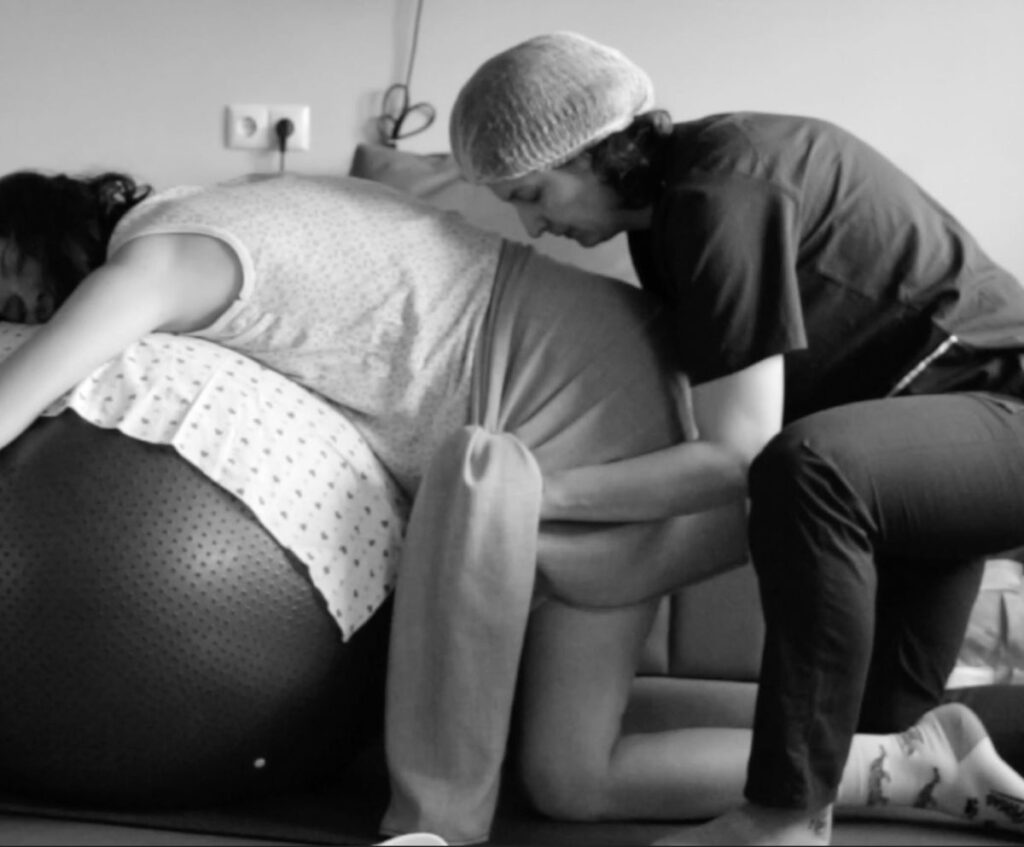
According to Yvetta, in countries where many women use doula services, they start looking for a doula in the early stages of pregnancy, sometimes even when planning to conceive:
“Since doulas can take on only a small number of pregnant women each month, women book their services well in advance. They try to avoid complications this way, as there may be no available doulas when they go into labour. The situation in Armenia is different. Women who have given birth before usually contact us earlier in their pregnancy. First-time mothers tend to get in touch later, around weeks 28–30, when they start preparing for childbirth.”
Yvetta believes women should not leave the search for a doula until the final weeks of pregnancy. Sometimes doulas have to turn women away because the medical facility where they plan to give birth does not allow them into the maternity ward.
Armenia’s Ministry of Health has yet to recognise how much the work of a trained doula differs from the support a husband, mother, friend or anyone else can provide. Armenian law also contains no regulations governing their work.
There are only five or six doulas in Armenia
Most trained and received certification through Doula Link, a platform run by Russia’s Institute for Perinatal Support. They thereby became members of the European Doula Network. This allows them to provide doula services in Russia, Germany, Switzerland, Serbia, the Czech Republic, Slovakia, Spain, Italy, Israel and Panama.
In Armenia, people regard doulas as unqualified assistants.
A 2020 order issued by the health minister gives all women in labour the right to have a companion present during childbirth. However, some medical facilities still refuse to let doulas into the delivery room.
Moreover, some maternity hospitals charge a fee for allowing a companion to attend the birth. The Ministry of Health does not regulate this practice.
Why do women turn to doulas?
Yvetta says women in Armenia mainly choose to give birth with a doula because they want someone they trust by their side. They need someone who understands what is happening and what to do, can keep track of the situation and looks after them. They also hope to avoid traumatic experiences, including obstetric violence.
“Of course, having a support person present cannot guarantee that a woman will never experience abuse. But a doula is someone who will listen to her and understand her. I am convinced that in 99% of cases involving abuse, doctors do not intend to cause harm.
“They often intervene to reduce certain risks. Yet they do not answer the woman’s questions or explain why they have decided to intervene, even when the intervention involves surgery. A doula will at least ask why the intervention is necessary and why it needs to happen at that particular moment. Women feel safer when a doula is by their side,” Yvetta says.
In 2024–2025, the United Nations Population Fund (UNFPA) conducted a study of women’s experiences during pregnancy and childbirth in 16 countries across Eastern Europe and Central Asia, including Armenia.
The study found that 67% of the women surveyed had experienced at least one form of obstetric violence.
In Armenia, around 55% of respondents said medical staff had performed obstetric interventions without their consent or any explanation. Meanwhile, 32% reported mistreatment by medical staff, highlighting a lack of information or pressure to make them agree to certain interventions.
Another 27% reported poor-quality care, such as inadequate staff qualifications. Around 15% of women experienced verbal aggression, while 5% reported physical violence. Eleven per cent of respondents reported various forms of sexual violence, including excessive or inappropriate touching.
Why don’t women turn to doulas?
Yvetta admits that 80% of the pregnant women who contact her are foreigners who, for various reasons, give birth in Armenia. Local women tend to be more cautious. The main problem, in the doula’s view, is a lack of information. Stereotypical attitudes also play an important role. Many people see childbirth as something women must go through on their own, without any need for additional support.
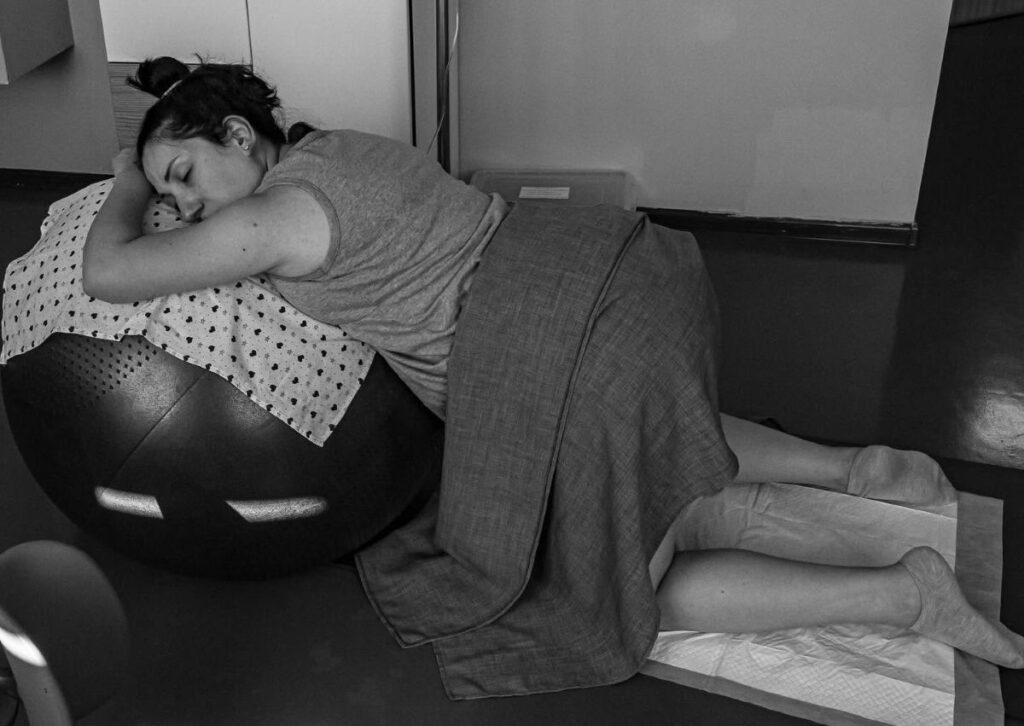
“But this is the wrong approach, because every woman in labour is vulnerable. It is very important that, by the end, she feels like a winner because she has brought a new person into the world, rather than feeling broken and miserable after enduring unbearable suffering. Unfortunately, most women still prefer to overcome their fears of childbirth and pain not with a doula’s help, but by paying for a caesarean section. They believe this will solve the problem,” she says.
Sometimes women do not turn to doulas because they assume their services will be expensive. Yvetta does not specify how much she charges. However, she says she sometimes helps pregnant women entirely free of charge because she sees this work as her mission.
“Being a doula is a calling. This work is first and foremost about your inner world and your heart, and only then about your skills.”
She recalls that when she first started working as a doula, she sometimes returned home exhausted and upset. She even considered giving it up. Poor working conditions and hostility from doctors and hospital administrators were the main sources of stress. She also felt distressed when her presence created additional difficulties for the woman in labour.
Now she knows which maternity hospitals allow her to do her job most effectively. Some doctors there see doulas not as competitors but as professionals who support their work. Every birth has therefore become a wonderful experience for her.
“Now I come home happy because I no longer suffer alongside a woman during labour; instead, I help her avoid suffering. I can see that my work makes a difference. I see a woman who was screaming in pain and fear stop screaming, get up and start dancing,” Yvetta says.
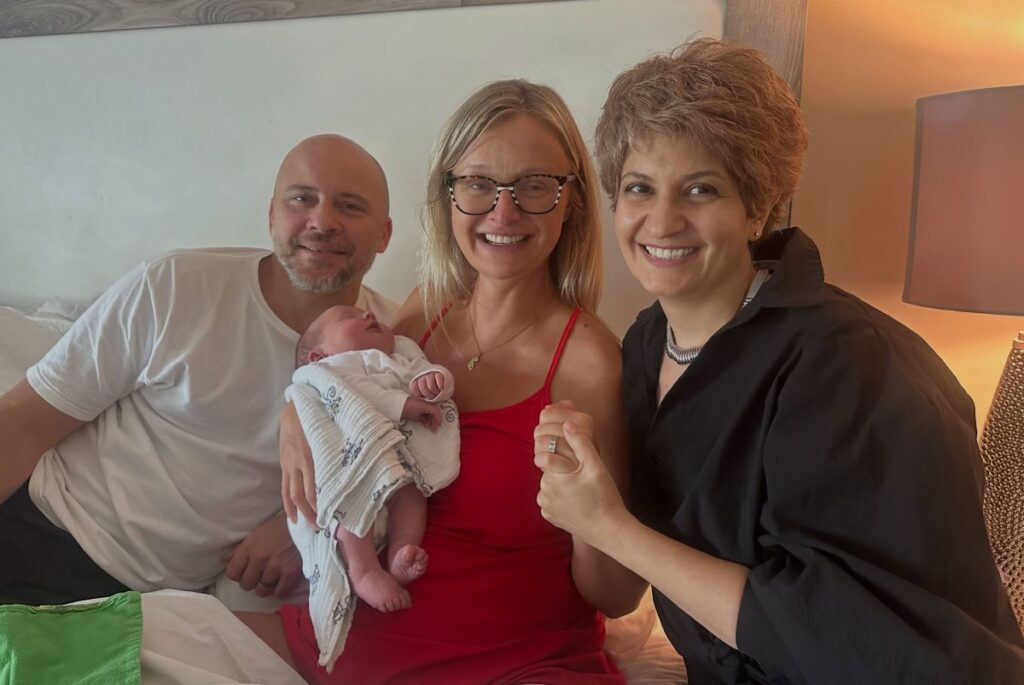
Doulas in Armenia: non-medical support for pregnant women