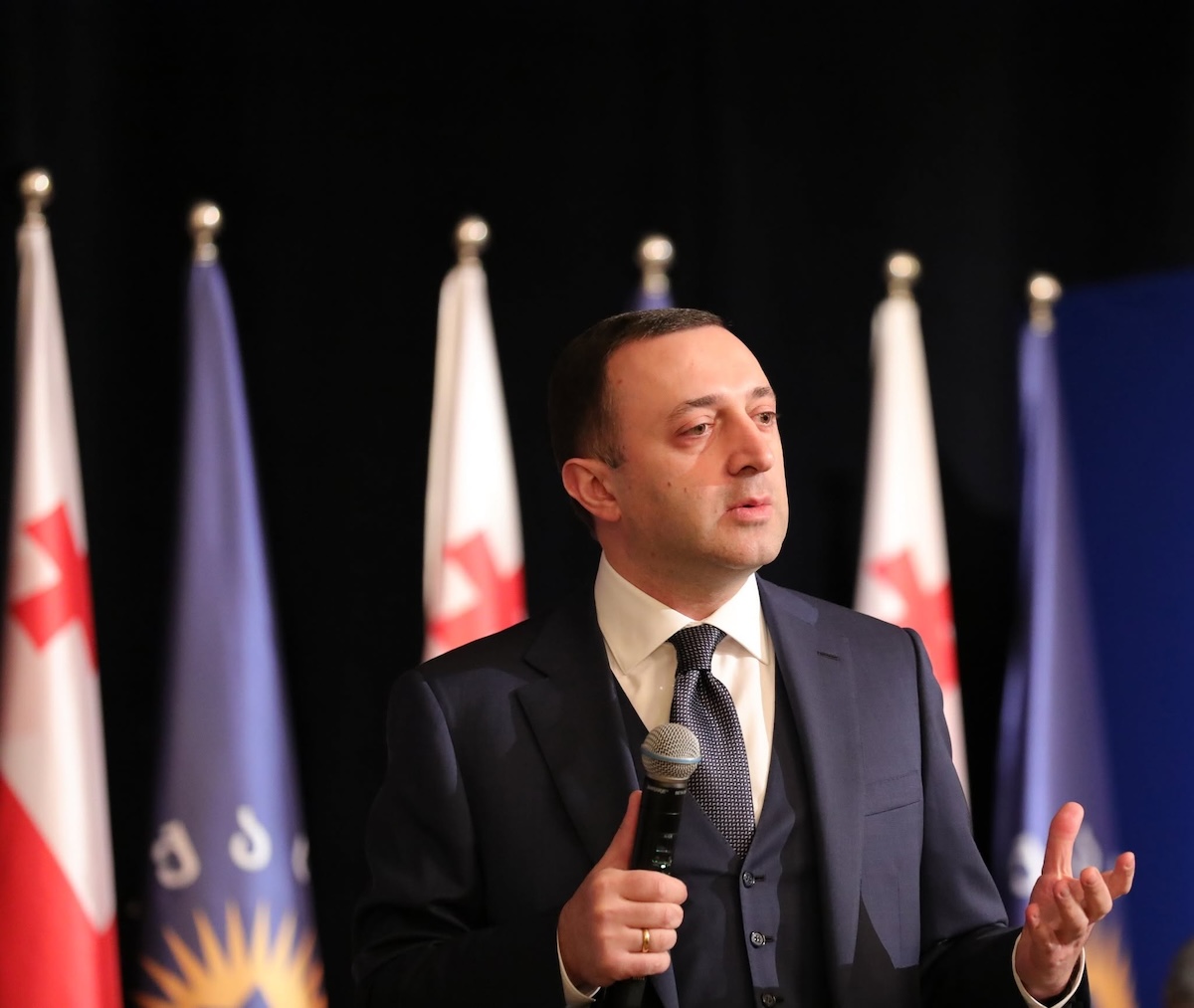


14 years in power: how experts assess Georgian Dream's rule






14 years of Georgian Dream
On 1 October 2026, 14 years had passed since the Georgian Dream party came to power. Today, assessments of the party’s 14 years in power differ sharply from those voiced just five years ago.
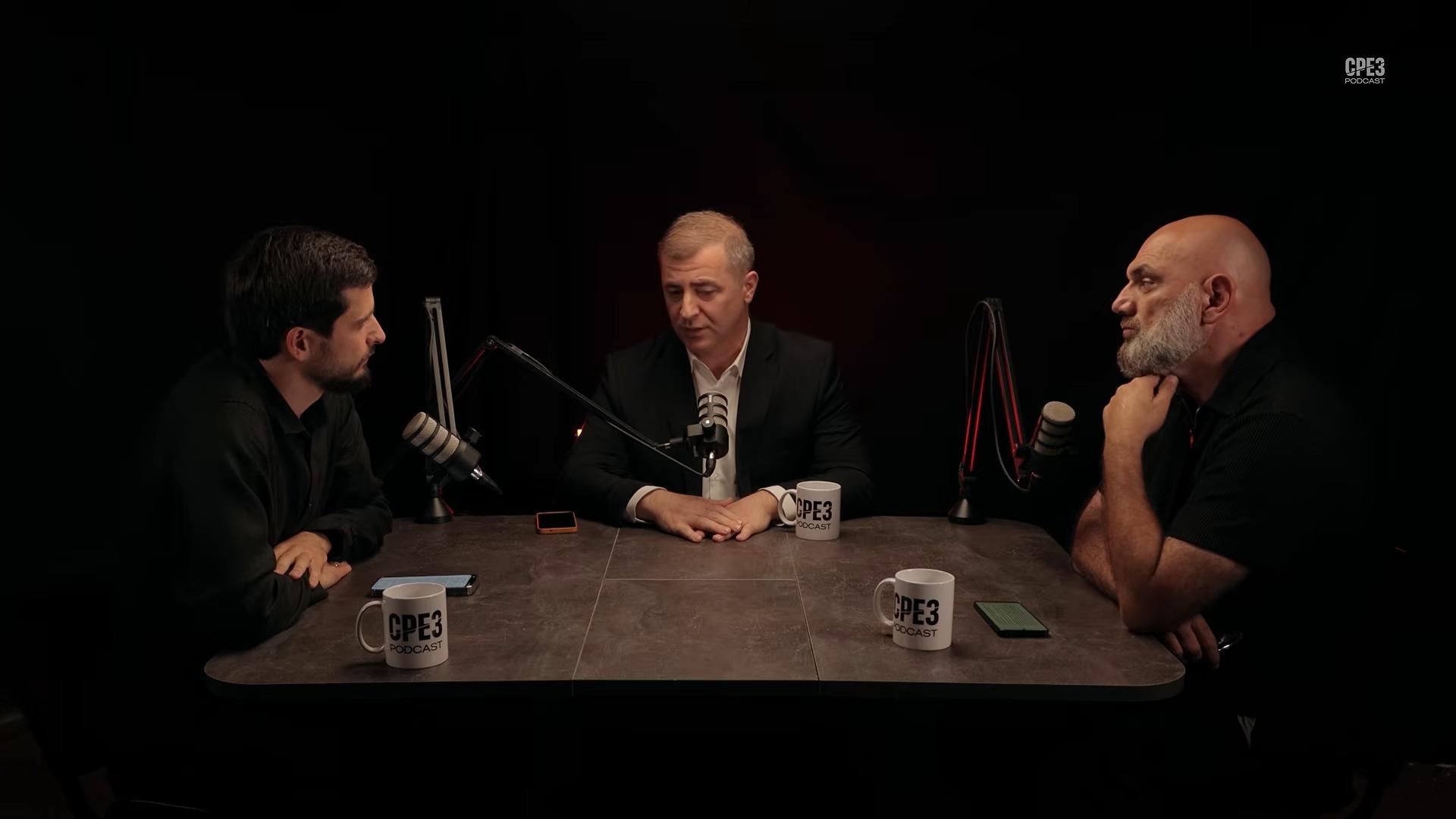
Former government official Beka Natsvlishvili discusses the significance of the events that brought Georgian Dream to power, while representatives of civil society and the diplomatic community point to a critical situation in the country’s democratic development and foreign policy.
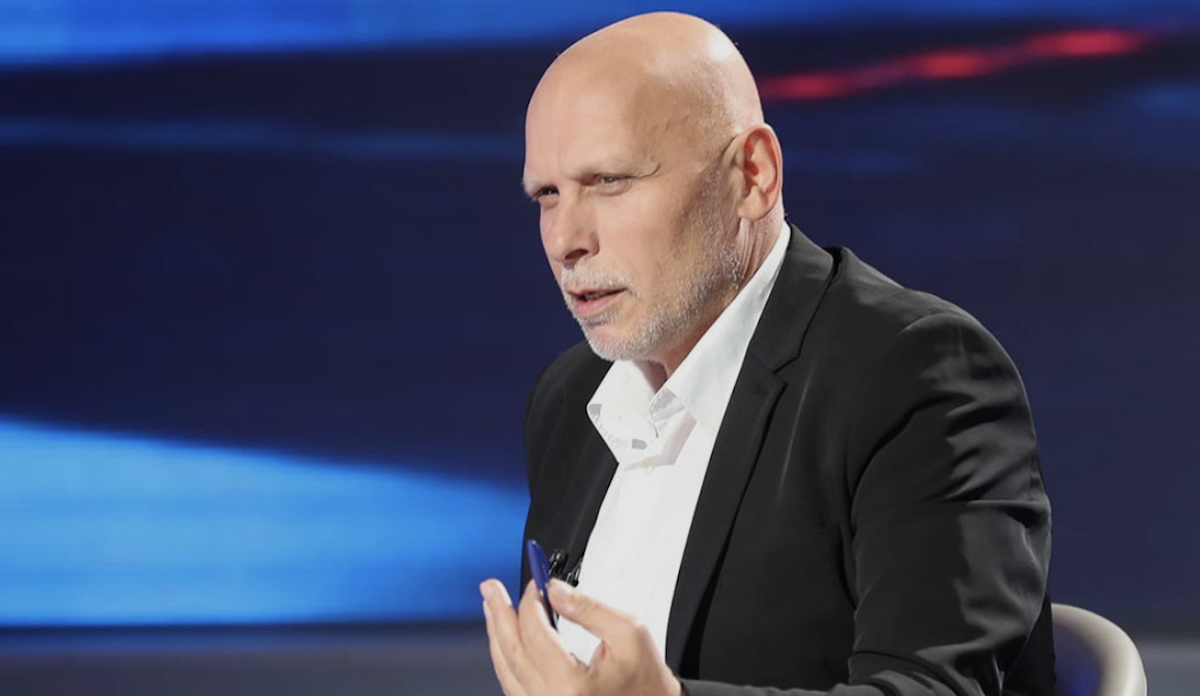
Sandro Baramidze, a representative of Transparency International Georgia and former deputy justice minister, believes that although the first years of Georgian Dream’s rule could be viewed positively, the country is now living under a “full-fledged dictatorship”, with democratic institutions no longer functioning properly.
Meanwhile, diplomat and former deputy foreign minister Gigi Gigiadze analyses the changes in Georgia’s relations with the European Union, NATO and Western countries since 2012.
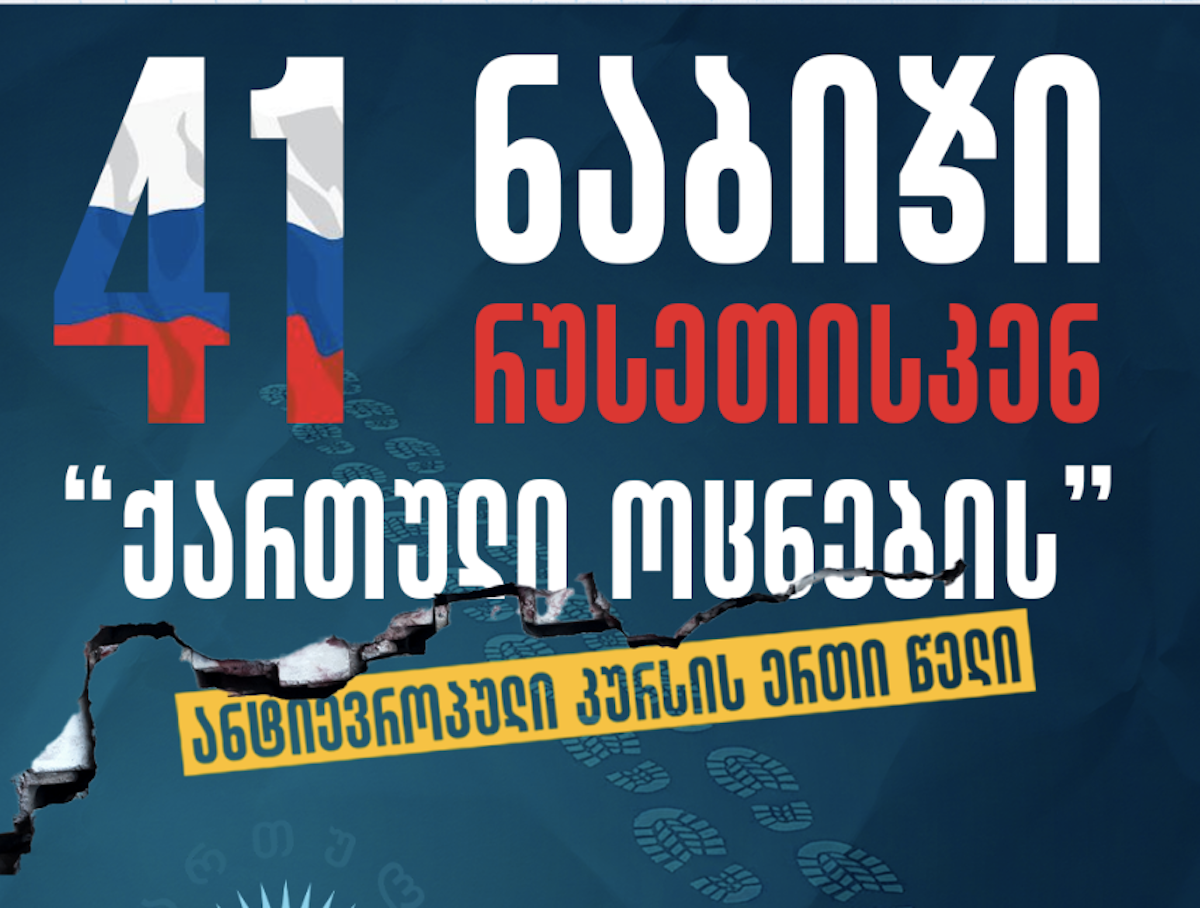
How do they assess Georgian Dream’s 14 years in power, and what has changed in the country since 2012?
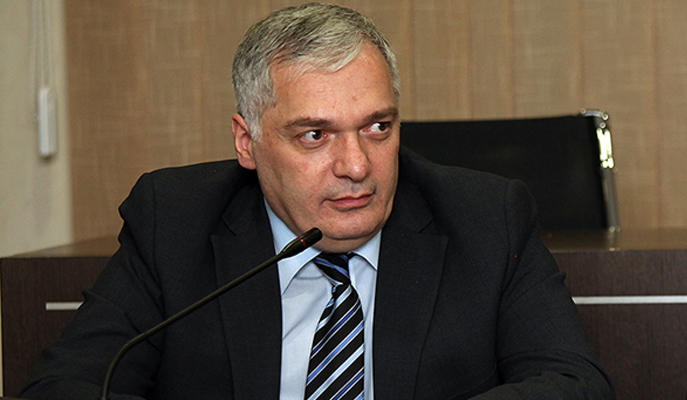
Sandro Baramidze: “Ultimately, the story of the past 14 years began with promises: protecting human rights, building an unprecedented democracy, ensuring Euro-Atlantic integration, promoting economic growth and so on. Bidzina Ivanishvili and Georgian Dream came to power with precisely these promises.
I would say that the first few years were normal. The government carried out certain democratic reforms, including attempts to introduce democratic changes to the judiciary. But gradually, everything first stalled and then changed course, especially after Russia launched its full-scale aggression against Ukraine.
The situation has changed dramatically, and today we are dealing with a full-fledged dictatorship — a dictatorship of one man who runs the country from behind the scenes through his associates. This system has no separation of powers or checks and balances. We have no independent judiciary, either in the ordinary courts or the Constitutional Court, while democratic institutions, civil society, political parties and the media face enormous pressure. Moreover, civil society, once active and strong, is now on the verge of collapse.
Not a single democratic institution functions properly: opposition parties face the threat of dissolution, some political leaders are in prison, while others face new charges that could lead to lengthy prison sentences based on completely absurd arguments. People are arrested every day simply for standing on a pavement or making a statement on Facebook…
In short, we are living under a full-fledged dictatorship. Ultimately, this will inevitably come to an end, although the nightmare they have subjected the country to continues for now.”
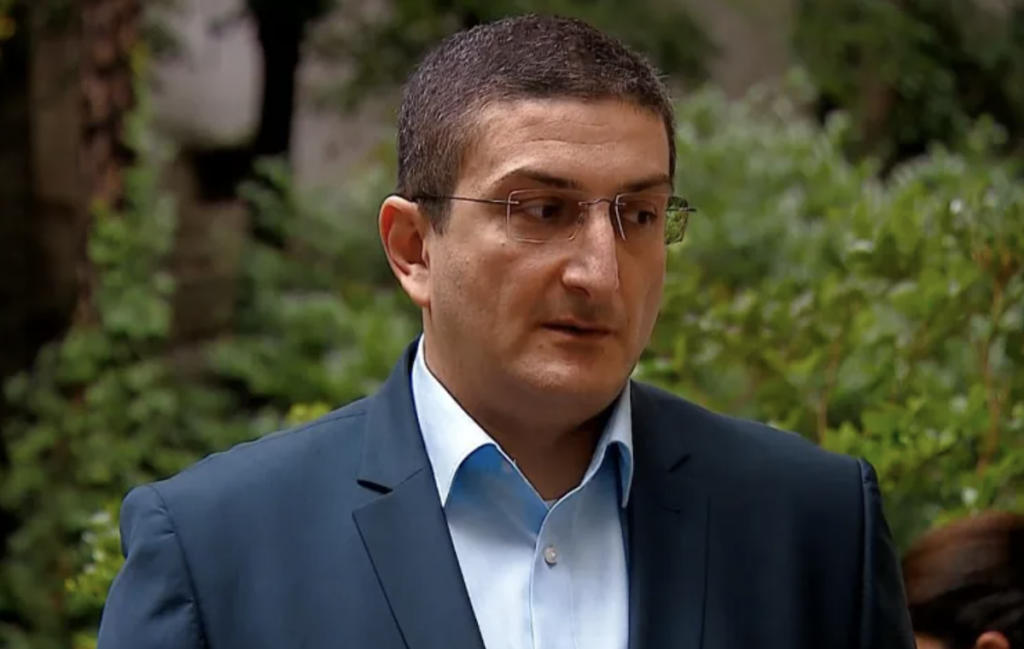
Gigi Gigiadze: “In 2012, Georgia was one of the European Union and NATO’s closest partners, as well as one of the countries undergoing the fastest transformation. Georgia was a ‘top performer’ among the participants in the Eastern Partnership.
Georgia was more eager than any other country to join the EU and NATO as quickly as possible. It served as a reliable partner for the EU and NATO in the region and took an active part in military exercises and peacekeeping missions organised by both organisations. Moreover, Georgia stood out as the main beacon of hope in Eastern Europe among countries genuinely seeking to join the EU and NATO.
Today, however, the reality looks completely different: Georgia has fallen furthest behind and become the most isolated and distant from the European Union and the West. We are facing a situation in which Georgia has lost all the progress it had accumulated along the way. Georgia is no longer seen as a genuine candidate, a reforming country or a state at the forefront of progress.
Very tough sanctions and extremely negative decisions concerning Georgia are being announced almost every day. We are receiving very low scores on numerous indicators — and this is not new; it started a long time ago. We are witnessing significant regression.
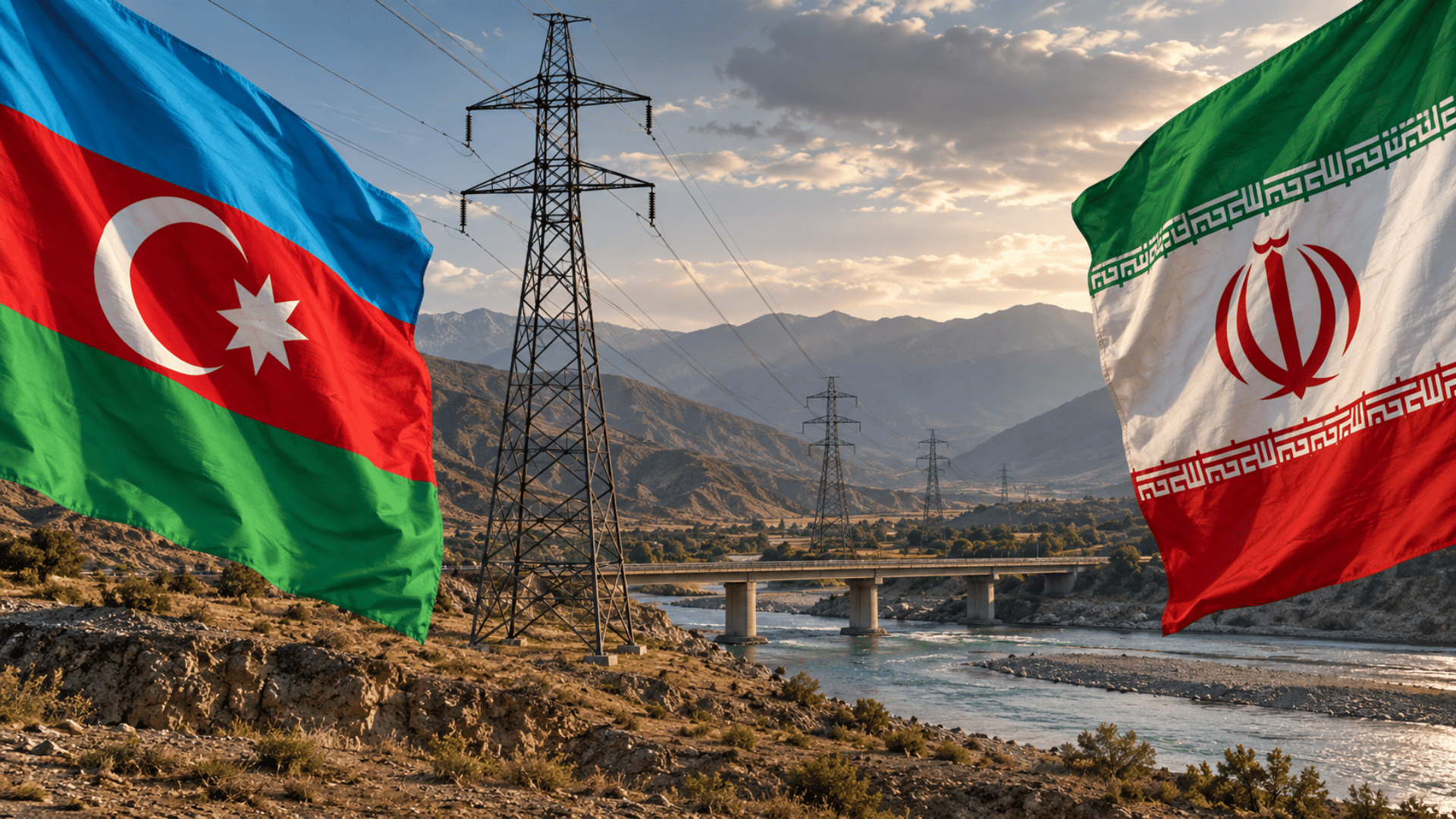
A vacuum has emerged — a situation our country has never faced before. Georgia’s foreign policy had always been crystal clear, and the direction in which we were moving was clearly defined. Everyone knew this, including Iran. Until now, neither Iran’s ambassador nor any other representative of a [state] would have dared to use such rhetoric towards Georgia, make such statements or issue such threats.
Everyone knew exactly what position we held, who our partners were and which camp we belonged to. As Georgia became increasingly isolated and drifted catastrophically away from Europe, the European Union and the West, a natural vacuum emerged, which Iran is now trying to fill with its influence.
Iran understands perfectly well that this is a unique opportunity to strengthen its presence here.
The Iranian ambassador no longer holds back. He believes he can say and do whatever he wants, without feeling constrained by anything or accountable to anyone. This is a natural consequence of the policy pursued by Georgian Dream over the past 14 years.”
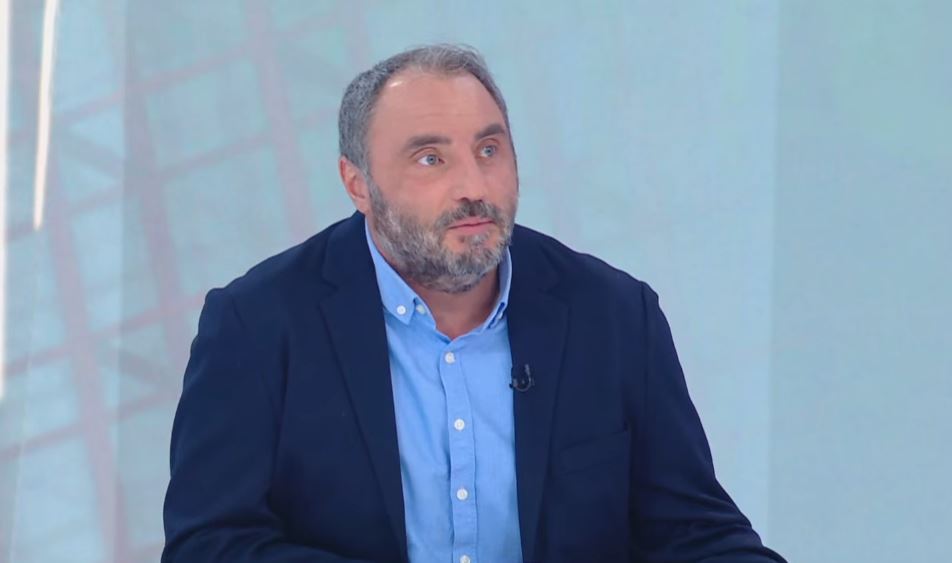
Beka Natsvlishvili: “[The victory of Georgian Dream] was not simply a case of the government handing over power as a result of an election. Rather, the United National Movement was forced to give up power while avoiding large-scale violence. I call it a ‘revolution at the ballot box’. In a sense, it was a revolutionary change. A revolution implies systemic change, but unfortunately, the systemic transformation we expected never took place.
The 1 October victory was certainly not solely Bidzina Ivanishvili’s achievement. After all, you cannot simply erase 2012 from Georgia’s history. I returned from abroad in 2006 and actively took part in street protests until 2012. The coalition included people with far more experience in political struggle than I had. The struggle continued regardless, but without Bidzina Ivanishvili’s arrival, it produced no tangible result. His emergence gave the struggle a powerful boost and created an opportunity for a decisive breakthrough. We cannot attribute this success unequivocally to the efforts of one person or any particular group.
1 October is an important date in Georgia’s history. I fully recognise that and am proud to have taken part in those events. When the first parliament was formed, it was a parliament of politicians. At the time, politicians felt much more accountable to society, and they were people with strong individual identities. Breaking their word or abandoning their promises was much harder for them. Later, everything changed.
Georgian Dream decided to build a monolithic party. From a pragmatic point of view, the plan to create a monolithic party made perfect sense. It is very difficult to govern a country when your team includes people with diametrically opposed ideological views. But what is the problem with that? [The problem is that] Georgian Dream never managed to truly unite as a party because it no longer had politicians. The people who had been hardened in the heat of political struggle left. Today, very few politicians remain there; perhaps only a handful are left in Georgian Dream. No one sees the current members of parliament as political figures. The leader of the ruling team is surrounded by close associates who simply make it onto the party lists and enter parliament. They hold political positions, but they are not politicians.”
14 years of Georgian Dream