'We will decide in the coming months': Pashinyan on choosing model for Armenia's new nuclear power plant






Pashinyan on building a new nuclear power plant in Armenia
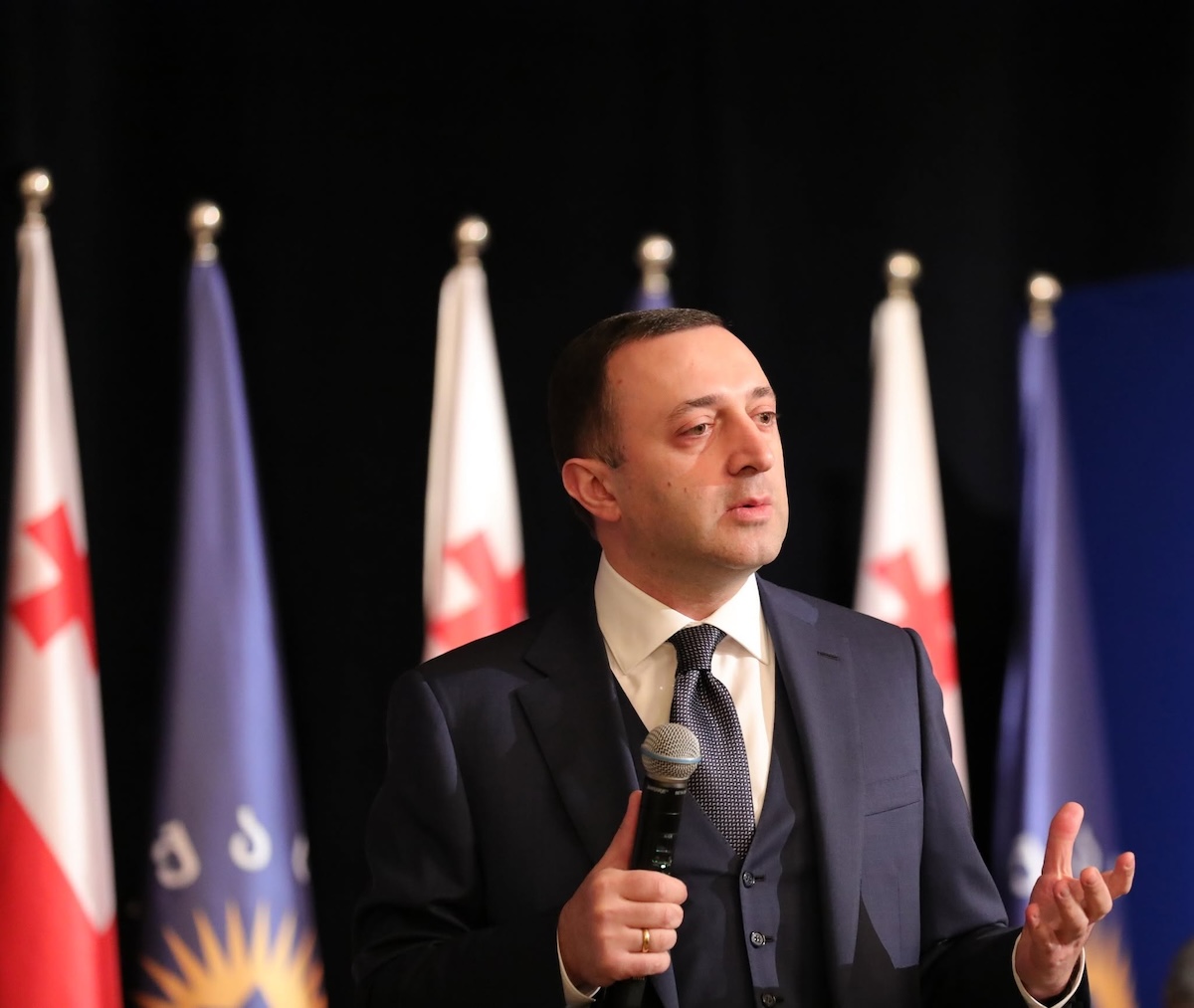
Armenian Prime Minister Nikol Pashinyan has announced a change in the government’s position on the technology and design of a new nuclear power plant.
“I have said dozens of times before that we do not need anything more [powerful] than a modular nuclear power plant. That was our position. But now we have to understand that a modular plant will most likely not be enough to meet our needs,” Pashinyan said.
He explained that the government changed its position because of the construction of AI factories. Armenia now needs to import electricity to meet their power requirements.
Discussions continue over which technology would best suit the new nuclear power plant. The Armenian government expects to make a decision on the issue by the end of 2027.
A day earlier, the prime minister met a delegation led by Alexey Likhachev, director general of the state-owned Rosatom corporation. They discussed proposals from the Russian side.
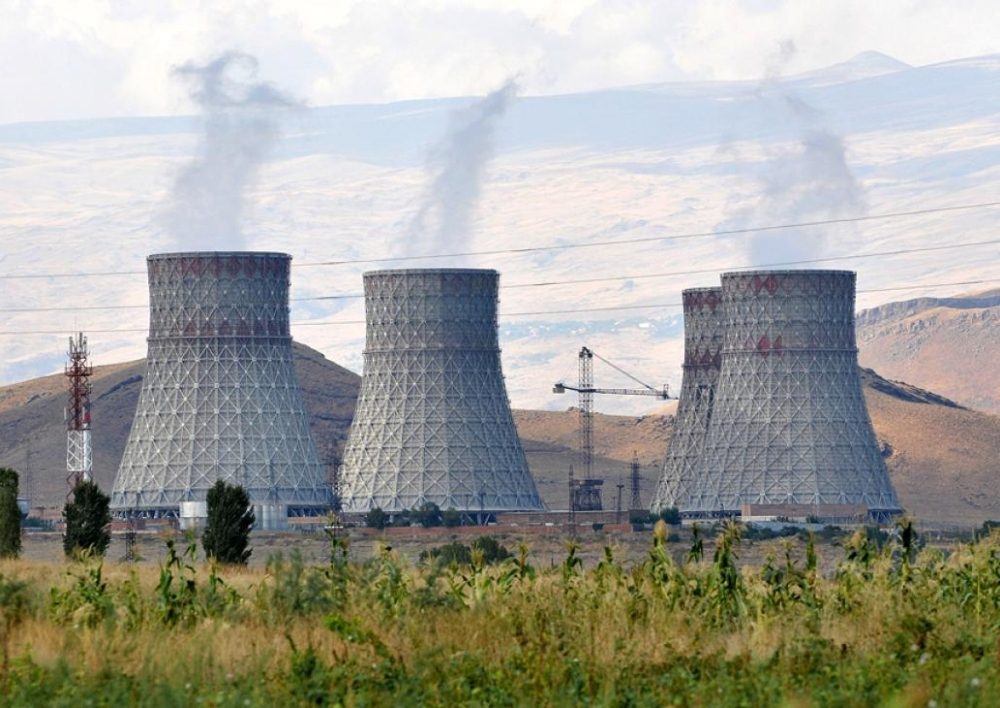
Armenia is currently working to extend the operating life of the Metsamor nuclear power plant until 2036. Russia has taken part in efforts to extend the plant’s operating life and modernise it throughout this period. The plant originally entered service in 1977.
At the same time, Yerevan is discussing the construction of a new nuclear power plant with several countries, including the US. The prime minister has repeatedly said in recent months that the nuclear power issue is not a geopolitical choice for Armenia: “We will choose the proposal that serves us best.”
- ‘If Russia decides to withdraw its military base, we will not object’ – Pashinyan
- US vice-president’s visit to Armenia hailed as ‘historic’ – what it delivered
- Yerevan discusses potential link between Armenian and Azerbaijani energy systems
Pashinyan does not rule out accepting the Russian proposal
Speaking about the upcoming decision on the technology for the new nuclear power plant, the prime minister stressed that before Armenia signed memorandums of understanding with the US on 8 August 2025, Armenia had a surplus of electricity.
“We had to think about where to direct this surplus energy. A year later, Armenia had become a country with an electricity deficit,” he said.
According to Nikol Pashinyan, this resulted from the construction of two AI factories in Armenia during that period:
“The point is that, given the scale of the investment projects already approved, Armenia has faced an electricity deficit. In other words, these projects are fully absorbing the surplus we have. So we need to decide what to do next.”
The prime minister said the government would make a decision in the coming months. Pashinyan also said that Armenia could accept the proposal put forward by Russia:
“It is quite possible that building a 1,000 MW plant will prove to be the most logical solution. However, I cannot say for certain at this stage because experts are still assessing the issue.”
“The unit should be at least one, with a capacity of at least 1 GW” — Likhachev
Rosatom director general Alexey Likhachev told journalists some details of Russia’s proposal after talks in Yerevan. Likhachev said Armenia would continue to rely on nuclear energy for decades to come. Russia therefore plans to “formulate the most competitive proposal” for building a new reactor unit in the coming months.
“And in our view, this unit should be at least one, with a capacity of at least 1 GW,” Likhachev said.
According to him, the proposal involves a VVER-1000 reactor, a pressurised water reactor with a capacity of 1,000 MW.
The head of Rosatom stressed that this proposal is “the best currently available on the global market”. He added that Rosatom has built and continues to build VVER reactors of this type in India and Iran:
“They combine very high economic efficiency, namely a low cost of electricity, with all the necessary Generation III+ safety systems.”
Details of talks with Rosatom director general in Yerevan
The Armenian prime minister’s office said Pashinyan and Likhachev discussed:
- work to extend the operating life of the existing second reactor unit at the Armenian Nuclear Power Plant;
- Russia’s proposals for building a new reactor unit.
At the same time, the prime minister told Likhachev that the Armenian government was continuing to consider proposals from other international partners.
Pashinyan stressed that the final decision would depend solely on economic considerations. These would include price, quality, safety, construction timelines and guarantees.
The statement also said Alexey Likhachev described cooperation with Armenian partners as constructive. The Rosatom chief also provided detailed information about the construction of not only large VVER reactors, but also small and medium-sized reactors.
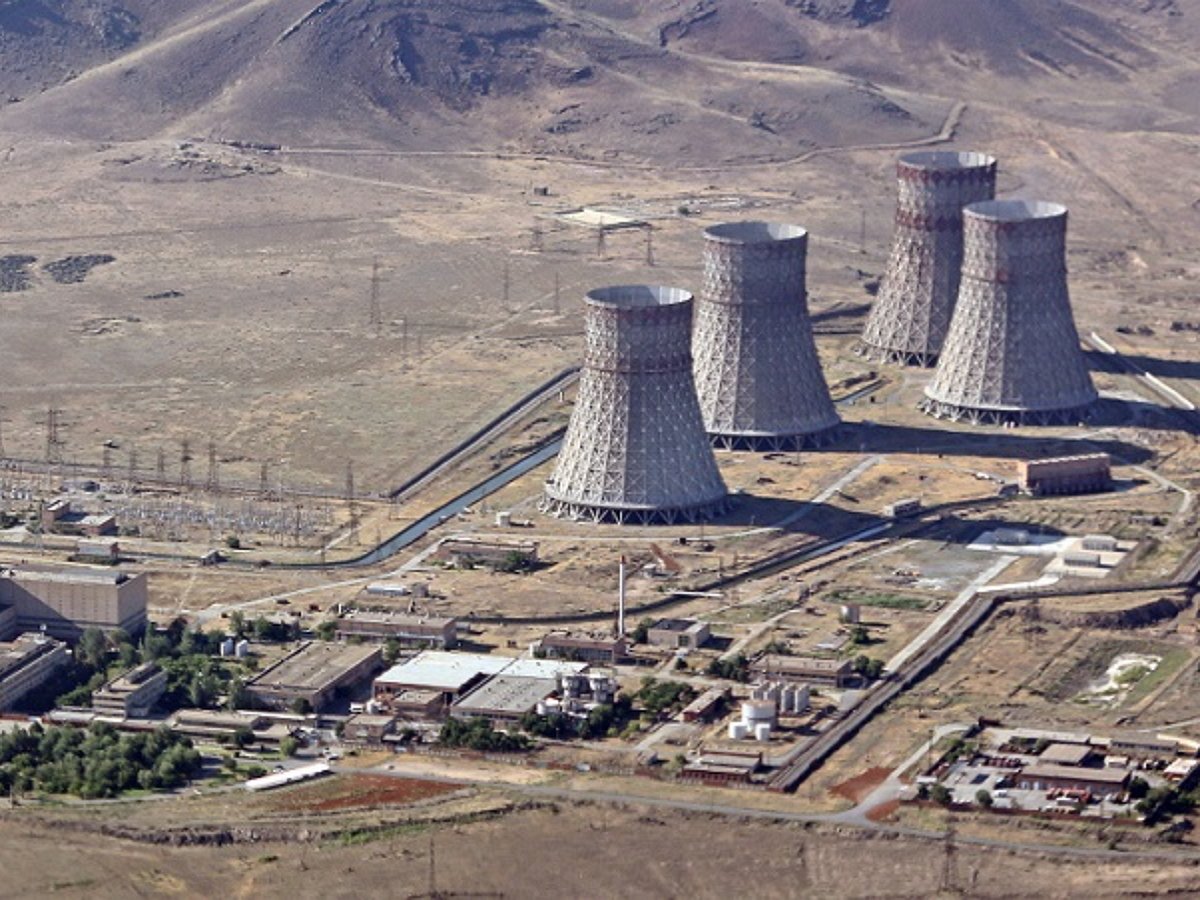
Pashinyan on building a new nuclear power plant in Armenia