

Opinion: 'Abkhazia plans to welcome 5 million tourists a year by 2030. Why is this impossible?'






Abkhazia plans to welcome 5 million tourists a year by 2030. The ambitious target forms part of the republic’s socio-economic development programme for 2026–2030.
However, blogger and business consultant Kirill Bazilevsky believes the target is unattainable, given the state of Abkhazia’s infrastructure.
In a blog post, he uses statistics to analyse the situation and explain his position.
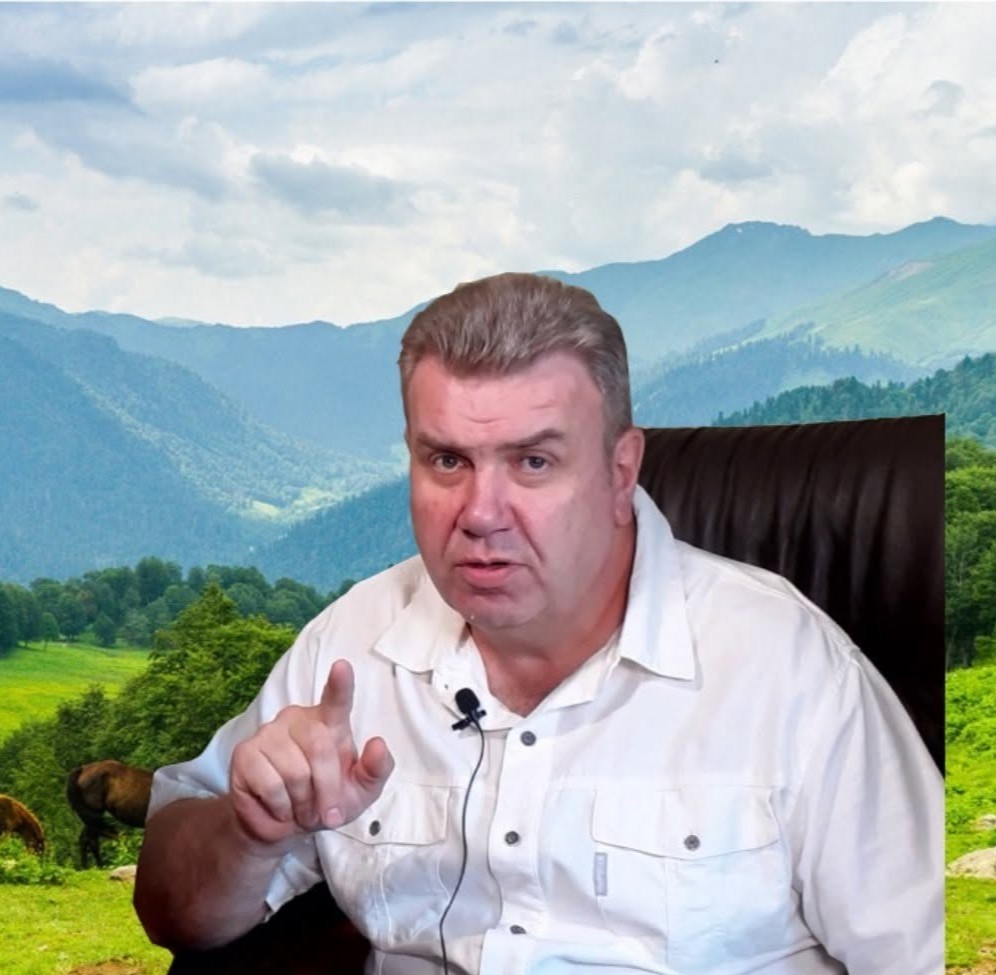
Kirill Bazilevsky: “Let’s look at the figures available at the moment.
In 2025, Abkhazia welcomed a record 1.88 million tourists. This was the best result in the republic’s post-Soviet history.
The target for 2026 is to surpass the 2 million mark.
But it is already clear that growth has slowed.
According to tour operators, demand for holidays in Abkhazia fell by 19% in July and August 2026 compared with the previous year. The season was marked by stagnation rather than a boom.
The reasons include fewer flights from Russian regions, inflation, which has made holidays in Abkhazia significantly more expensive, as well as Russia’s overall economic situation and other factors that are holding back activity in the tourism market.
In addition, the republic’s current accommodation capacity is estimated at 2.1–2.2 million beds per season. To welcome 5 million tourists, Abkhazia would need at least 2.5 to three times more. The republic will not be able to build that much capacity in just a few years.”
Next comes infrastructure. Where are the weak points?
- Energy. Abkhazia’s power grid is in a critical state. Every year from November to April, the republic faces an energy shortage as water levels in the Inguri Hydroelectric Power Station’s reservoir fall. Welcoming 5 million tourists would require new generating capacity and major investment in utilities. One power plant would not be enough.
- Wastewater treatment. The situation is critical. Tourists complain that, in the resort town of Gagra, sewage is discharged directly into the sea in some places, while treatment facilities cannot cope with the influx of visitors. As a result, outbreaks of rotavirus are regularly reported. If tourist numbers doubled, this would become a permanent problem.
- Waste. This problem has remained unresolved for decades. The Institute of Ecology at the Academy of Sciences predicts a disaster in the near future. The Sukhum landfill covers around 60 hectares, and there is no new land available for additional landfill sites.
- Staffing. There is an acute shortage of qualified workers, including service personnel. Sukhum airport has already faced a staffing shortage and is looking for employees from Russia. Health tourism would also require doctors, nurses and other medical staff, whom Abkhazia is critically short of.
Lessons from past mistakes
Only recently, there were attempts to launch large-scale construction projects in Abkhazia. Draft laws on apartment hotels and the development of the republic’s eastern districts were put forward, along with an investment agreement with Russia. All of these initiatives ended in an acute political crisis. The reasons for their failure included the lack of clear figures, environmental risk assessments and a transparent roadmap.
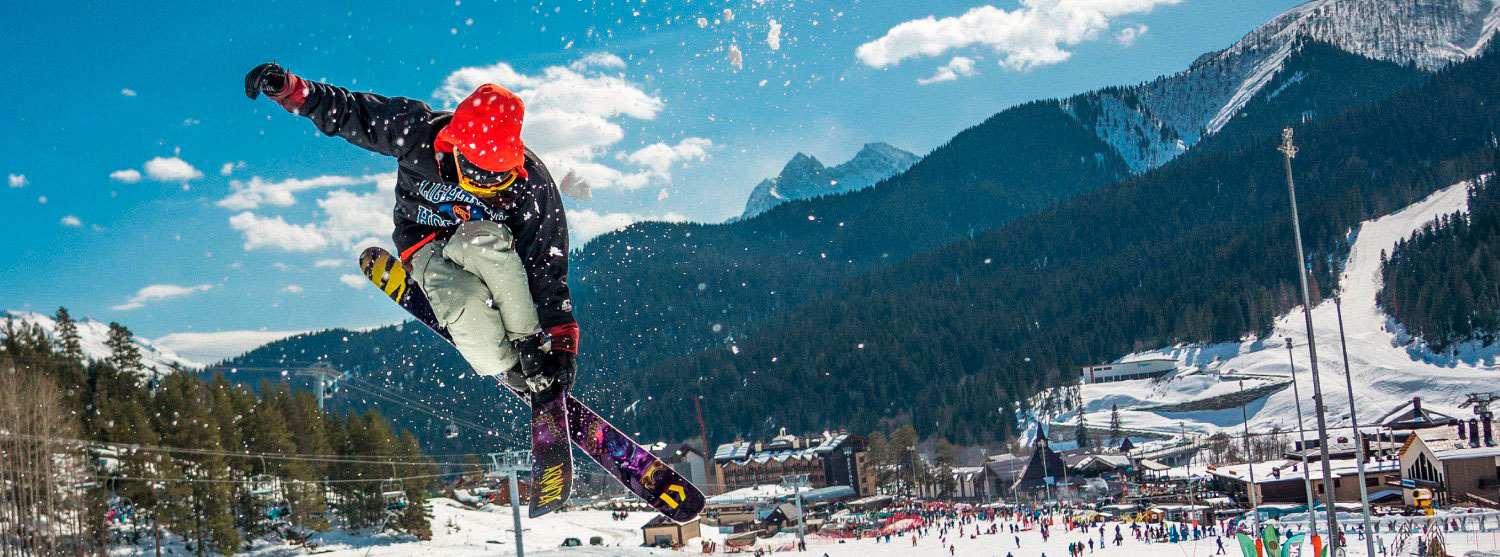
Several months ago, plans to build a ski resort were announced. They prompted scepticism both among the public and experts. The reasons were the same: threats to the environment, weak energy infrastructure and the absence of a transparent business plan.
My conclusion
Abkhazia cannot reach a tourist flow of 5 million visitors a year by 2030 if we are talking about actual results rather than distorted statistics. Even during the Soviet period, when conditions were much more favourable, the republic never reached such a figure.
The statistics for the 2026 season — stagnation and a 19% drop in demand — provide no grounds for believing that the situation will change dramatically in 2027–2029. Geopolitical and economic realities do not support optimistic forecasts.”
The terminology, place names and views expressed in this article are those of the author and do not necessarily reflect the editorial position of this website.
Tourist numbers in Abkhazia