

Rights activist Siranush Sahakyan: ‘Lives of all Armenians held in Baku are in danger’






Trials of Armenian prisoners in Baku
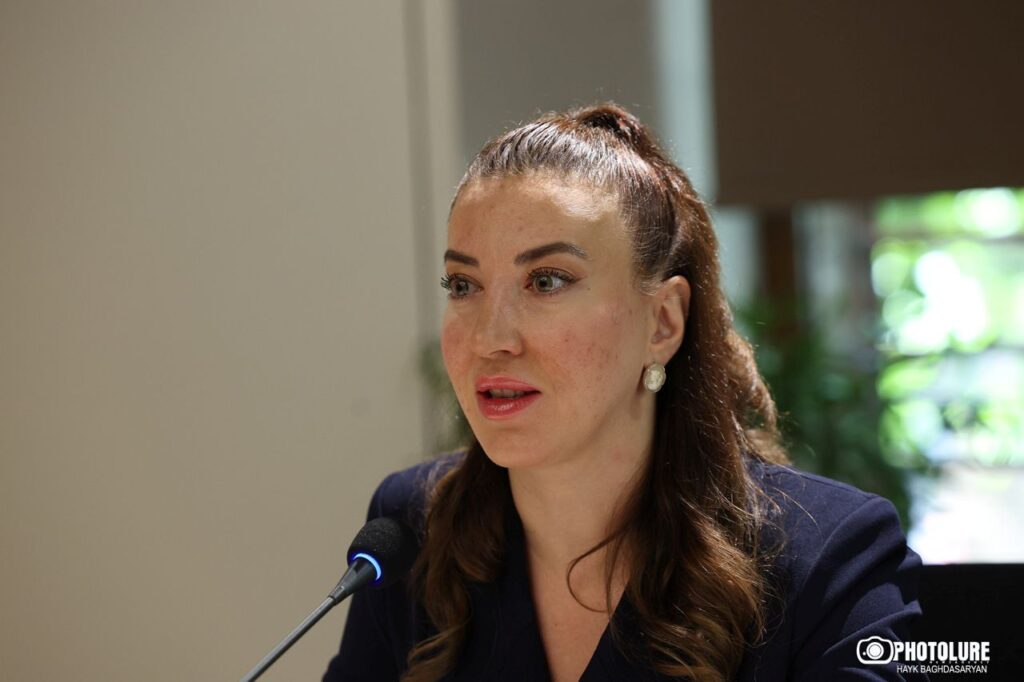
“The lives of all Armenians held in Baku are in danger. They may even express views that are contrary to their own will,” Siranush Sahakyan, who represents the interests of Armenian prisoners at the European Court of Human Rights (ECHR), told a news conference.
She said this was also reflected in statements dictated to the prisoners. Many of those who have returned to Armenia told human rights activists that they had signed documents under torture that “in no way reflected the information known to them”.
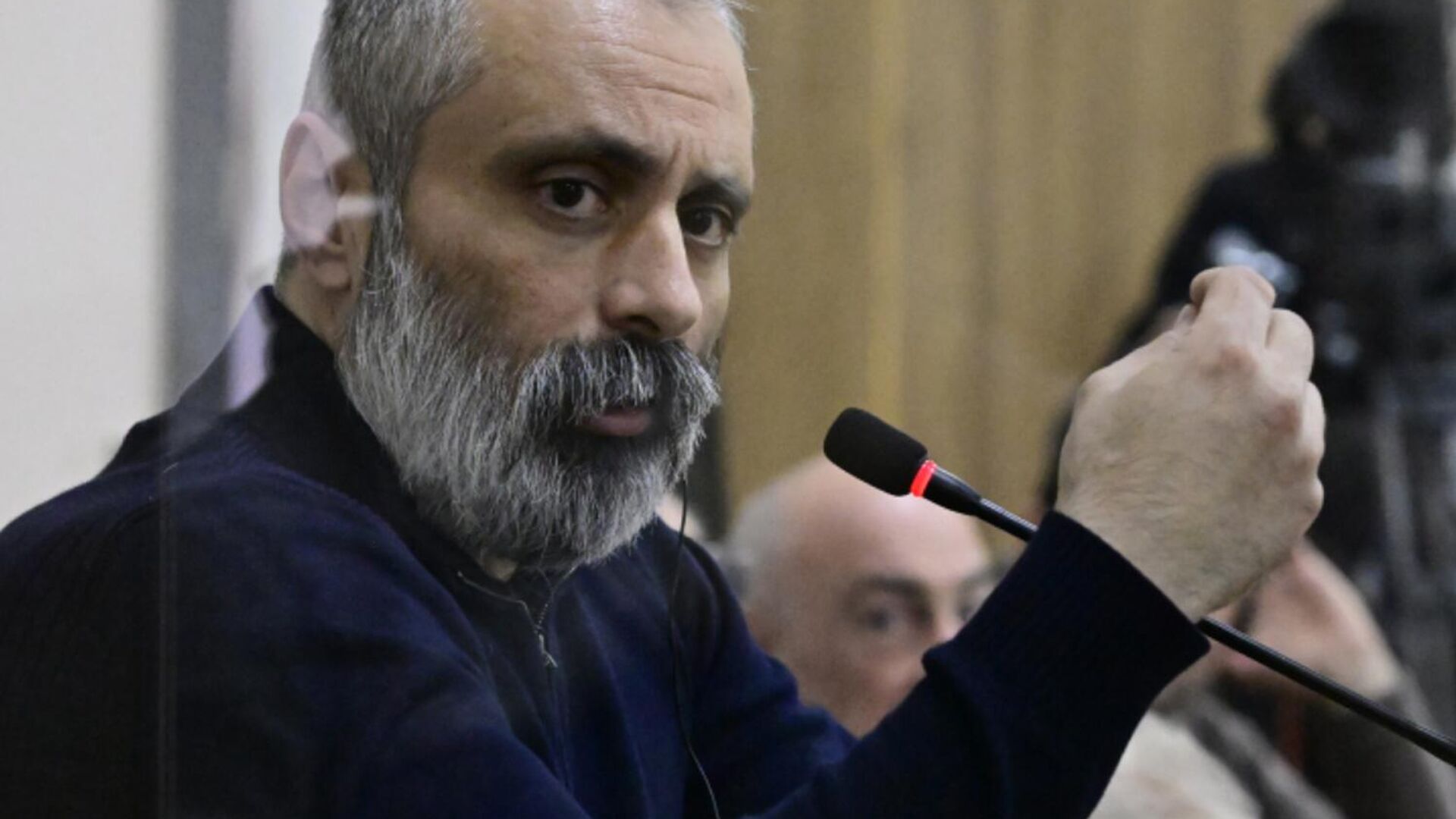
At the same time, Sahakyan said some prisoners express their views while “being prepared to face the consequences”. She specifically referred to statements from prison by Ruben Vardanyan, Davit Babayan and Davit Ishkhanyan.
“We should be cautious and attentive when analysing these statements. We need to understand whether they were dictated by the authorities in Baku or reflect the prisoners’ free will, because we cannot rule out coercion under torture. Those making these statements are simply in a situation where they have no choice. They are forced to make a statement under threat of reprisals,” the rights activist said.
Responding to questions from Armenian journalists, Sahakyan commented on the trials of Armenian prisoners held in Azerbaijan, described the conditions in which they are being held and detailed alleged violations of their rights.
According to official figures, 19 Armenian prisoners are being held in Baku, including former leaders of the self-proclaimed Nagorno-Karabakh Republic.
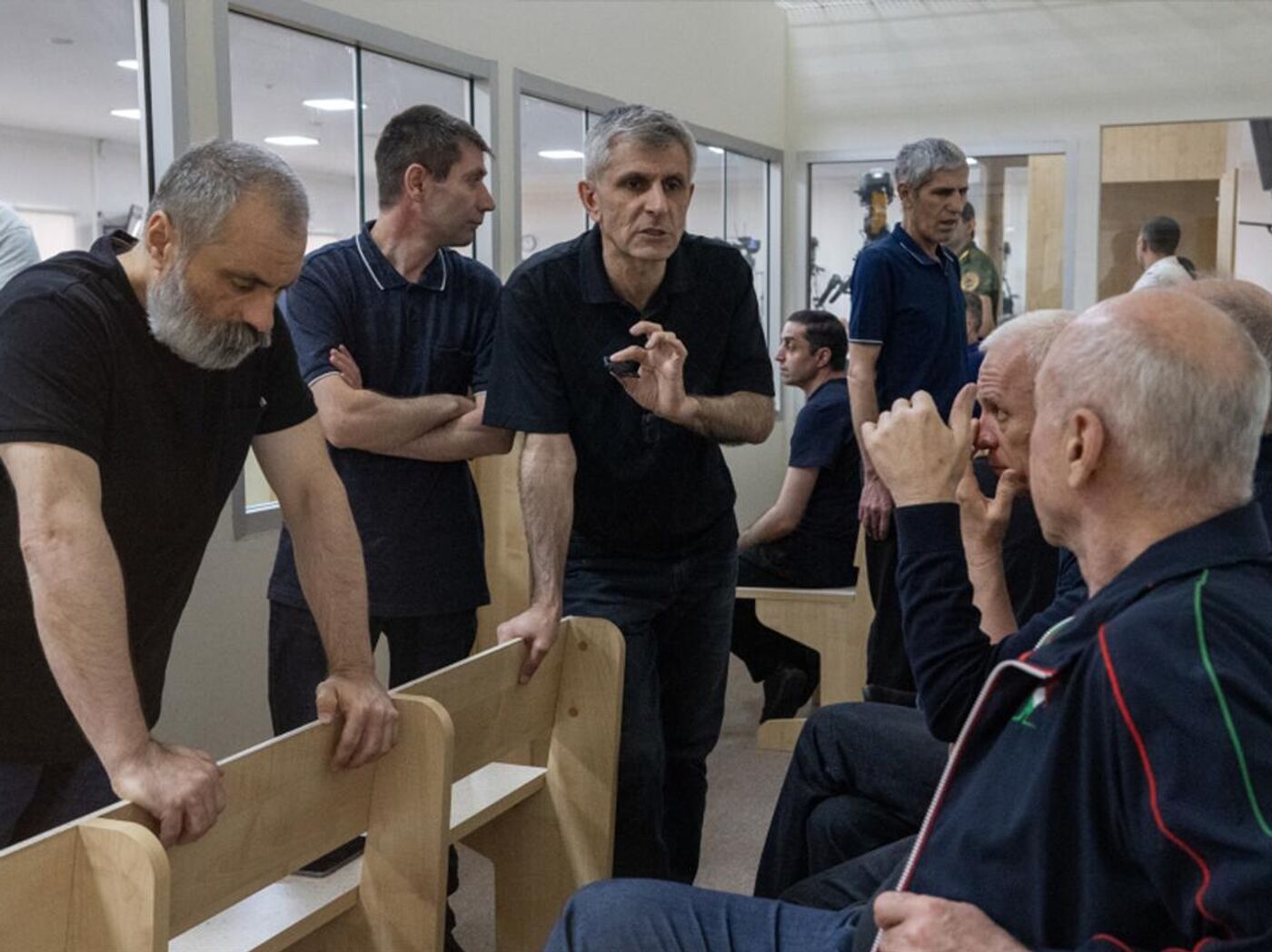
On 5 February, an Azerbaijani court sentenced former President Arayik Harutyunyan, former Defence Army commander Levon Mnatsakanyan, deputy commander Davit Manukyan, parliament speaker Davit Ishkhanyan and Foreign Minister Davit Babayan to life imprisonment. Former presidents Arkadi Ghukasyan and Bako Sahakyan were sentenced to 20 years in prison. The lighter sentences for the two former presidents were attributed to their age. Under Azerbaijani law, people over the age of 65 cannot be sentenced to life imprisonment.
The case of former State Minister Ruben Vardanyan was heard separately from those of the other former Nagorno-Karabakh leaders. On 17 February, he was sentenced to 20 years in prison.
- Opinion: ‘ECHR ruling is indisputable historical fact’
- ‘Hearings turned into sham’: Ruben Vardanyan drops lawyer
- US embassy staff ‘where possible’ attend trials of Armenians in Baku
Baku pursues ‘hostage diplomacy’
“The release of the prisoners requires, first and foremost, a political decision, since their detention itself was linked to the conflict,” Siranush Sahakyan said.
She argues that resolving the conflict entails an obligation to release the detainees.
At the same time, she believes Azerbaijan is using the prisoners to pursue what she described as “hostage diplomacy”, treating them as a bargaining tool in the conflict settlement process.
According to the lawyer, this applies particularly to the former Karabakh leaders: “Holding them is particularly valuable in terms of hostage diplomacy.”
Charges not supported by any evidence
The representative of the Armenian prisoners at the European Court of Human Rights has not been able to examine the judgments in the cases of 15 of them.
“We only have an extract containing information about the charges and the sentences handed down to those convicted; it is not the full text,” she said.
However, she has access to the indictment and an English translation of the judgment in the case of former State Minister Ruben Vardanyan. The document runs to 3,302 pages.
Sahakyan has studied it and believes it demonstrates an unprecedented violation of the defendant’s rights:
“The entire trial was a farce and its outcome is illegitimate. We have submitted our arguments to the ECHR. Ruben Vardanyan’s case has already been assigned a number and will be considered by the court.”
According to the rights activist, the Azerbaijani authorities, “using an unknown methodology”, calculated the number of victims and declared that more than 18,000 people had been killed during the years of the conflict:
“And because Ruben Vardanyan joined this criminal organisation [meaning the NKR and its leadership] in 2022 and took up a position there, Vardanyan himself is held responsible for all these lives.”
The lawyer says Ruben Vardanyan is accused of crimes that have nothing to do with his activities or reality.
Moreover, according to her, the Baku court regarded the following as “criminal activity”:
- implementing various social and charitable programmes in Karabakh,
- renovating schools and kindergartens,
- funding a large joint wedding for 250 couples.
His Aurora Humanitarian Initiative was also deemed to constitute activity linked to “terrorism”, while award recipients who visited Karabakh were described as members of a “criminal organisation”.
The Aurora Humanitarian Initiative is an international philanthropic project established on behalf of the survivors of the Armenian genocide of the early 20th century. Its founders are Ruben Vardanyan, Vartan Gregorian and Noubar Afeyan. They described the initiative as a gesture of gratitude to all those who sought to save the victims of the tragedy. Each year, the Aurora Prize is awarded to individuals and organisations that have “dedicated themselves to saving human lives and advancing humanitarian causes”.
“For example, one of the laureates is an Iraqi citizen. His receipt of a [monetary] award was classified as financing Iraqi Kurdish mercenaries,” Sahakyan said.
She stressed that Vardanyan’s case goes beyond the fate of one individual. In her view, it concerns the right to a fair trial, the quality of justice and the protection of fundamental human rights and democratic principles.
“The professional community has serious work ahead of it. It must not allow charges and convictions that have no evidentiary basis to become a precedent and standard practice,” the lawyer said.
Prisoners are isolated from outside world
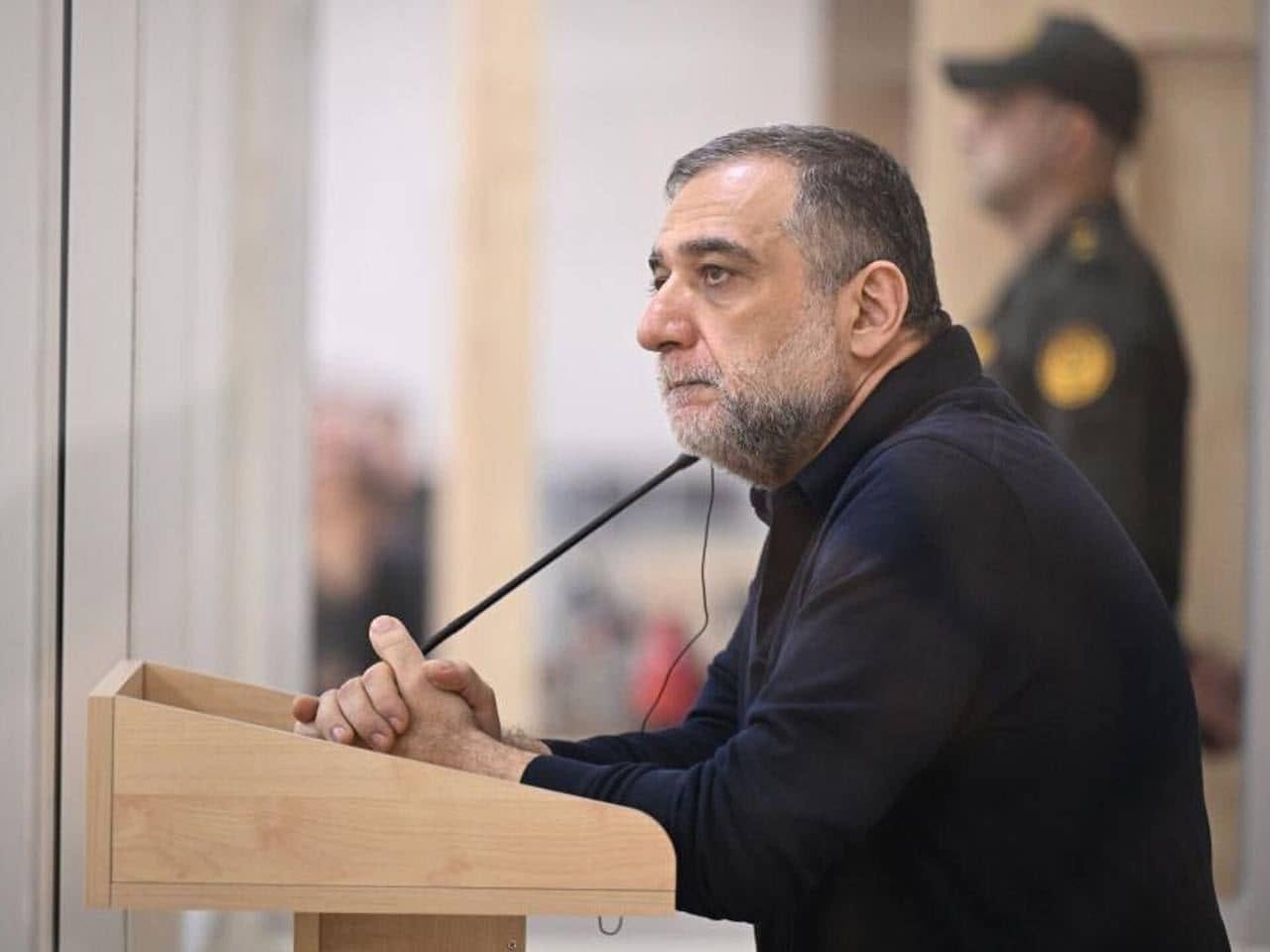
The rights activist stressed that the Armenian prisoners held in Baku have no contact with the outside world:
“They do not see their relatives, consular officials, independent doctors, independent lawyers or representatives of the ICRC. In short, they are being held in conditions of complete isolation from the outside world.”
According to Sahakyan, their only means of communicating with family members is by telephone:
“However, all calls are monitored and permitted at the authorities’ discretion. Depending on their content, they may be forcibly terminated. The permitted frequency of calls also varies. For example, three prisoners are allowed to make a call once every 40 days, while the others are allowed to call once a week. The duration of calls also varies: two minutes, three minutes and, in some cases, 10 minutes.”
Some prisoners suffered fractures after beatings
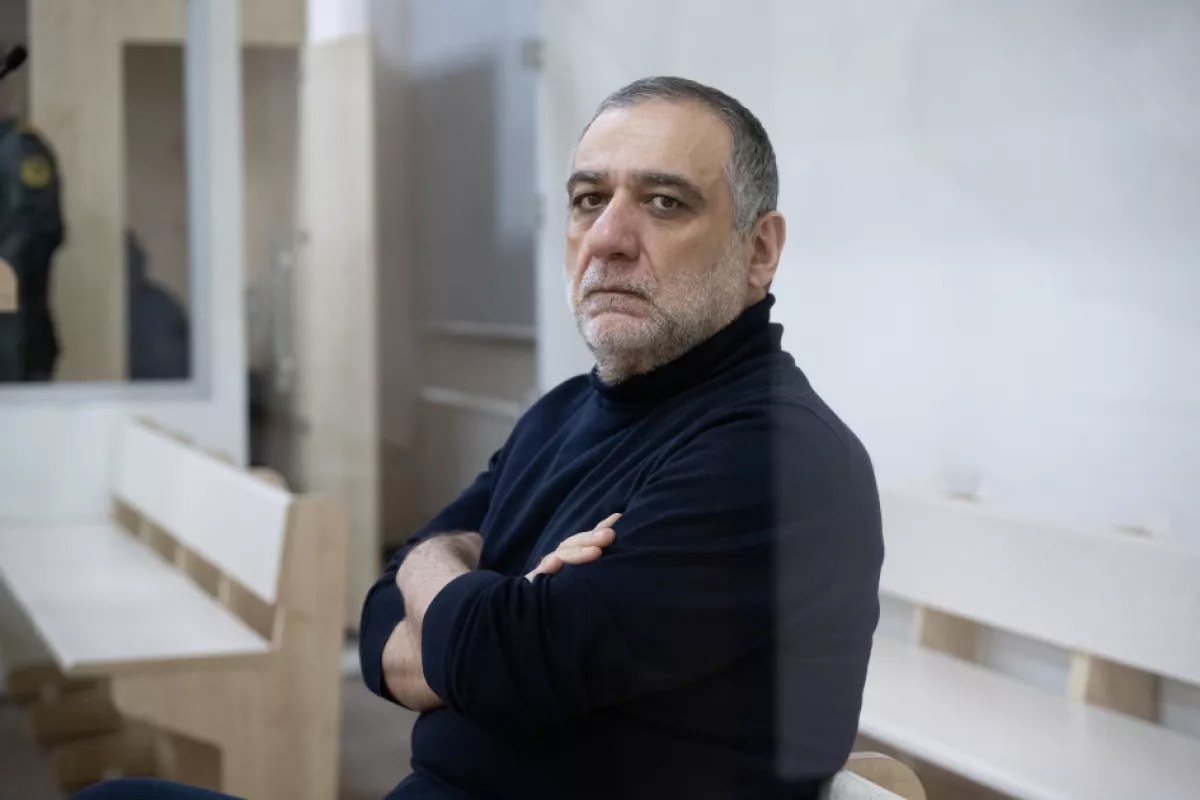
According to Sahakyan, in recent months the prisoners have frequently spoken during telephone calls about health problems and a lack of medical care:
“After a certain hour, there are no medical staff at the facility. If emergency care is needed, there is no possibility of providing it. At most, they may be given medication to relieve certain symptoms.”
There have also been documented cases of prisoners suffering fractures as a result of beatings. The lawyer said she had information about which prisoners had sustained fractures but could not disclose their names.
Alleged torture over religious symbols
According to Siranush Sahakyan, religion also plays a role in the treatment of the prisoners, with such cases documented in international reports:
“Those who had cross tattoos had them burned, with the crosses removed from their skin through torture.”
She also said that although prisoners had been allowed a limited number of books, they were not permitted to receive copies of the Bible.
“There have been cases, which we have documented, in which they were forced to read the Koran,” the rights activist said.
Proposal by Ruben Vardanyan’s wife
Veronika Zonabend, the wife of former State Minister Ruben Vardanyan, has proposed creating an international women’s humanitarian delegation to travel to Baku in September. Zonabend hopes that a group of female human rights activists, under the auspices of Azerbaijan’s ombudsman, will be allowed to visit the Armenian prisoners and deliver personal belongings, photographs and letters to them.
However, it remains unclear whether the visit to Azerbaijan will take place. The proposal is currently being discussed with the Armenian authorities.
Sahakyan explained that because of visa requirements, security considerations and procedures governing access to prisons, the project could not be carried out as a private initiative.
Representatives of the relevant Armenian agencies have already met Veronika Zonabend and Vardanyan’s defence team.
“We have not yet received an official response. The matter is still under discussion,” Siranush Sahakyan said.