Why is Russian tourist boom in Abkhazia giving way to falling demand? Video from Pitsunda






Russian tourists in Abkhazia
Pitsunda is perhaps the most popular tourist destination in Abkhazia. The town receives around 20–25% of all incoming tourist traffic, thanks to the high-rise Pitsunda Resort complex and its private accommodation sector.
The overwhelming majority of tourists visiting Abkhazia come from Russia, meaning the success or failure of the tourist season largely depends on the situation there.
Even before international sanctions were imposed on Russia following the start of the war in Ukraine in 2022, Abkhazia received around 1.2–1.5 million tourists per season, with Pitsunda already operating at the limits of its ageing accommodation capacity.
At the time, Abkhazia was marketed as a budget alternative to neighbouring Russia’s Sochi. Infrastructure problems — including water and electricity shortages and ageing utility networks — existed even then, but were viewed more tolerantly because of the low cost of holidays.
After the start of the war in Ukraine, Abkhazia saw an unprecedented influx of Russian tourists. A record 1.88 million people visited in 2025.
Demand increased as many countries introduced restrictions affecting Russian citizens.
But since the start of the 2026 season, demand for holidays in Abkhazia has fallen noticeably, by 15–20%.
Experts cite several main reasons:
Increased competition. Inflation has pushed prices in Abkhazia to levels comparable with holidays in Turkey, Egypt and cheaper European destinations.
Legal and logistical barriers. In particular, border-crossing rules for children under 14 are creating significant difficulties.
● Infrastructure problems, including electricity and water outages at the height of the tourist season.
● Price dumping by major Russian tour operators, which is driving small local businesses out of the market.
● The threat to Pitsunda’s relict pine grove from uncontrolled construction.
● A general mismatch between the quality of service provided and the prices being charged.
What Abkhazia’s tourism market looks like
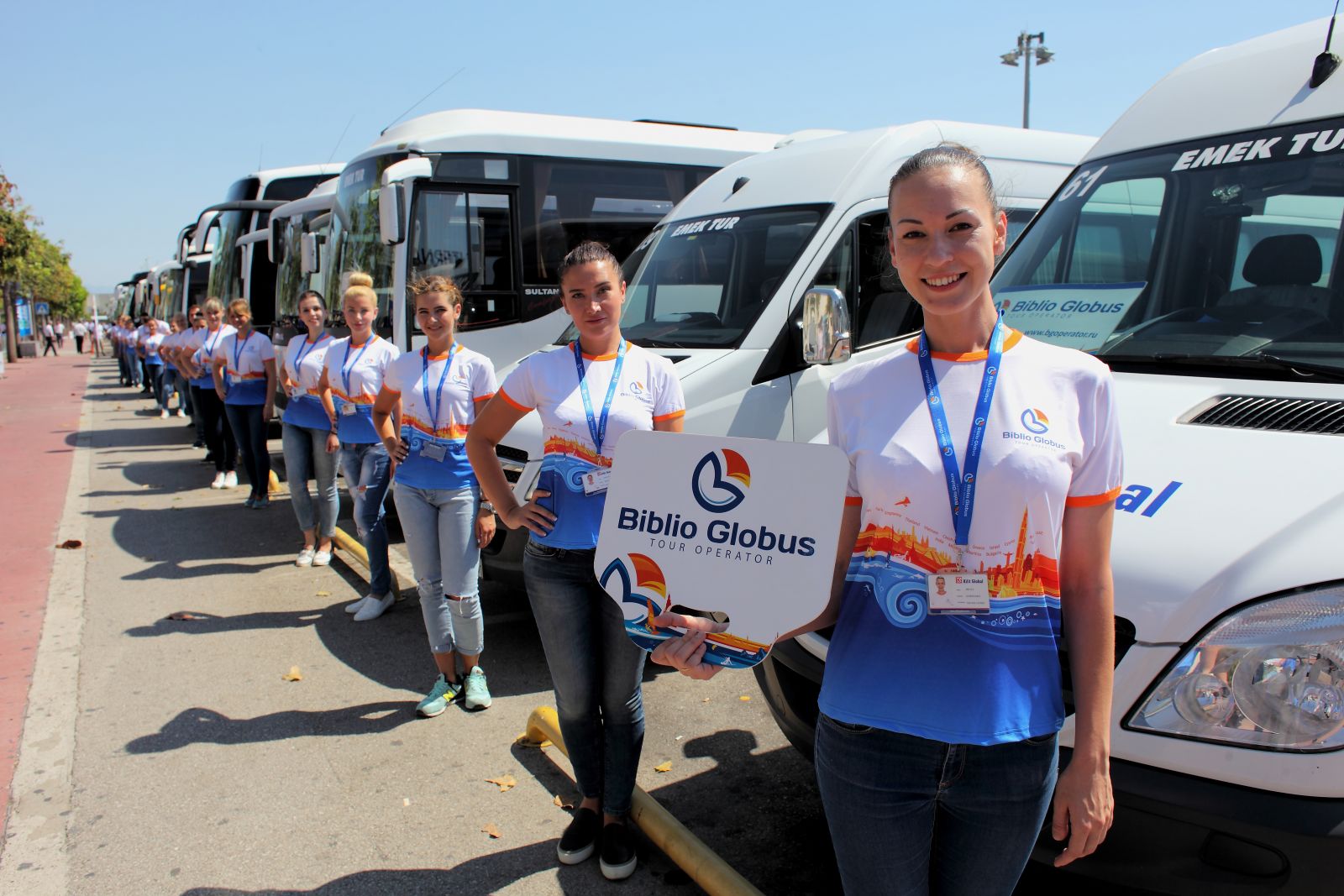
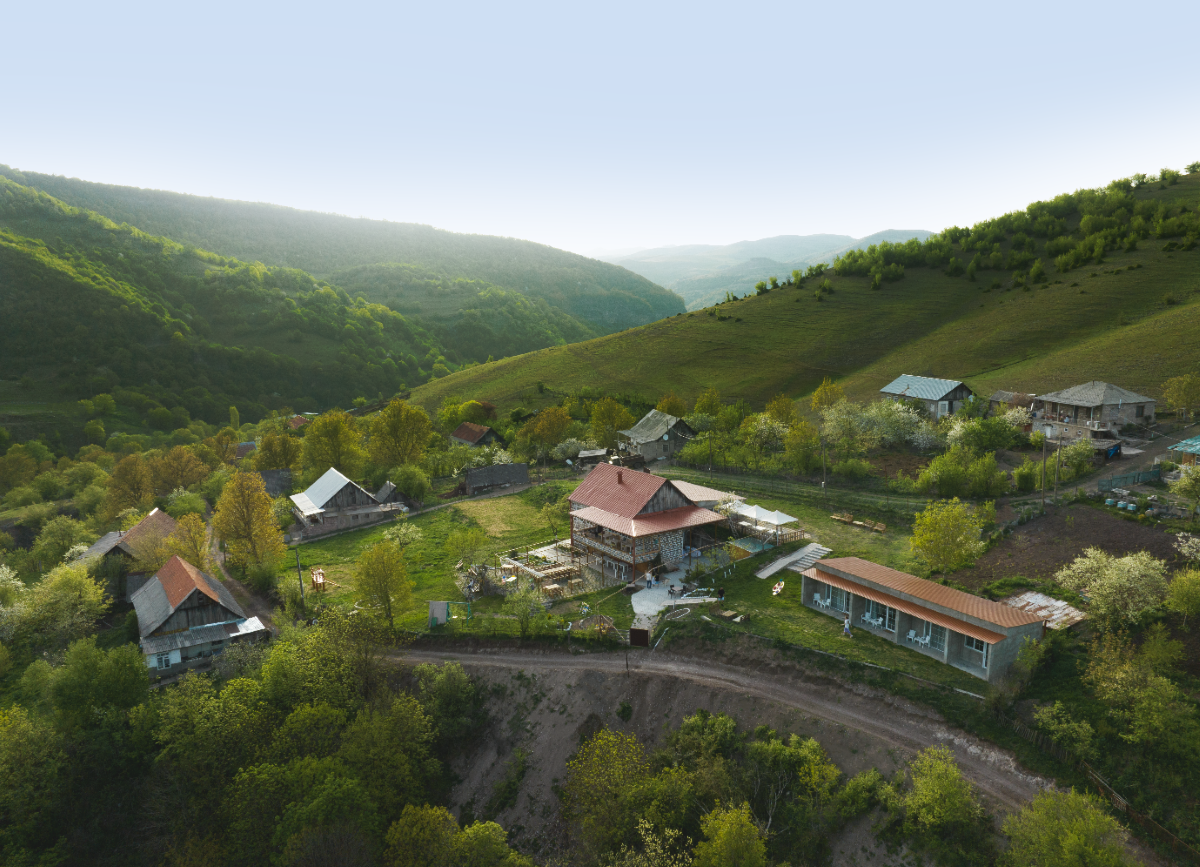
The private sector and guest houses account for 65–70% of the market, including small hotels, flats in apartment blocks and private homes in the villages of Ldzaa and Alahadzy. Most tourists choose these types of accommodation.
Large hotels, boarding houses and Soviet-era resorts, including the high-rise buildings of the Pitsunda Resort complex, as well as sanatoriums and newer mid-sized hotels, account for 30–35% of the market. However, they attract the lion’s share of the most lucrative tourists — those who book organised tours and package holidays.
Positive developments over the past couple of years include the partial modernisation of old Soviet-era resort buildings, the opening of modern boutique hotels in Ldzaa and the digitalisation of services, with a shift towards online booking and cashless payments.
Private accommodation sector reluctant to pay taxes
The main economic problem is that an estimated 60–70% of private accommodation providers have operated in the shadow economy for years, without paying full taxes into the local budget.
In recent years, the authorities have sought to tighten oversight by introducing a patent-based tax system for the self-employed and mandatory classification of accommodation providers. However, these measures have been slow to take hold.
The terminology, place names and views expressed in this article are those of the author and do not necessarily reflect the editorial position of this website.
Russian tourists in Abkhazia