From C5 to C6: how Azerbaijan is reshaping balance of power in Central Asia






Azerbaijan at Central Asia’s table
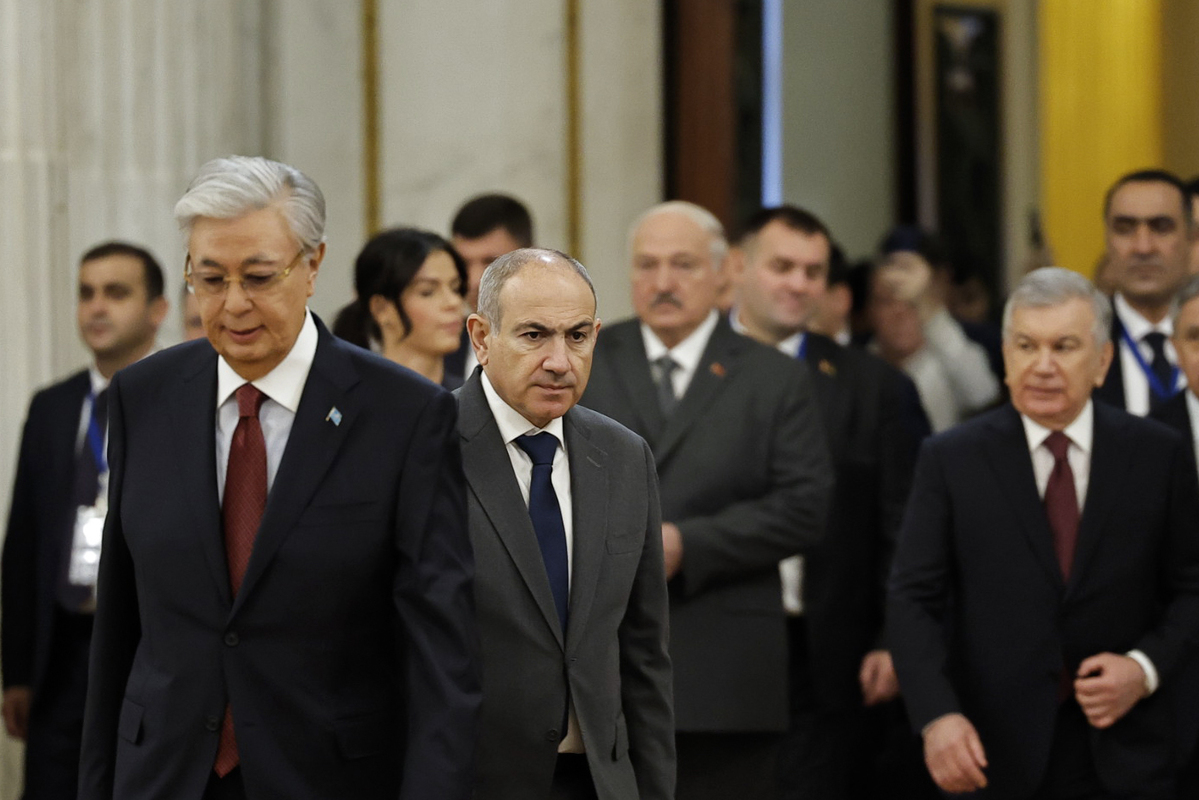
On 16 November 2025, the five Central Asian states accepted Azerbaijan as a full member of the Consultative Meeting of Heads of State. Eight months later, on 31 July, Ilham Aliyev took his place at the table at an informal summit in Cholpon-Ata not as a guest, but as one of six equal participants.
The format is now officially known as “Central Asia and Azerbaijan”. The term “C6” has already entered expert vocabulary and is being used at conferences.
The change expands Central Asia’s political and economic cooperation to the western shore of the Caspian Sea. It also turns Azerbaijan from an external partner into a full participant in a route connecting the region with Turkey and Europe.
How did the format emerge and why has it expanded?
Uzbek President Shavkat Mirziyoyev proposed the idea of a consultative mechanism at the UN in September 2017. The first meeting took place in Astana on 15 March 2018. The format’s advantage was its simplicity: without a treaty, permanent secretariat or supranational bodies, the leaders of the five countries could directly discuss borders, water resources, trade and security.
Azerbaijan did not join the process immediately. Ilham Aliyev attended meetings in Dushanbe in 2023, Astana in 2024 and Tashkent in 2025 as an honorary guest. Since the beginning of 2023, he has visited Central Asian countries 16 times, while the region’s leaders have travelled to Azerbaijan 26 times. In 2025, Azerbaijan’s trade with the five Central Asian states grew by 53% to $1.8 billion. Trade among the Central Asian countries themselves reached $10.7 billion in 2024.
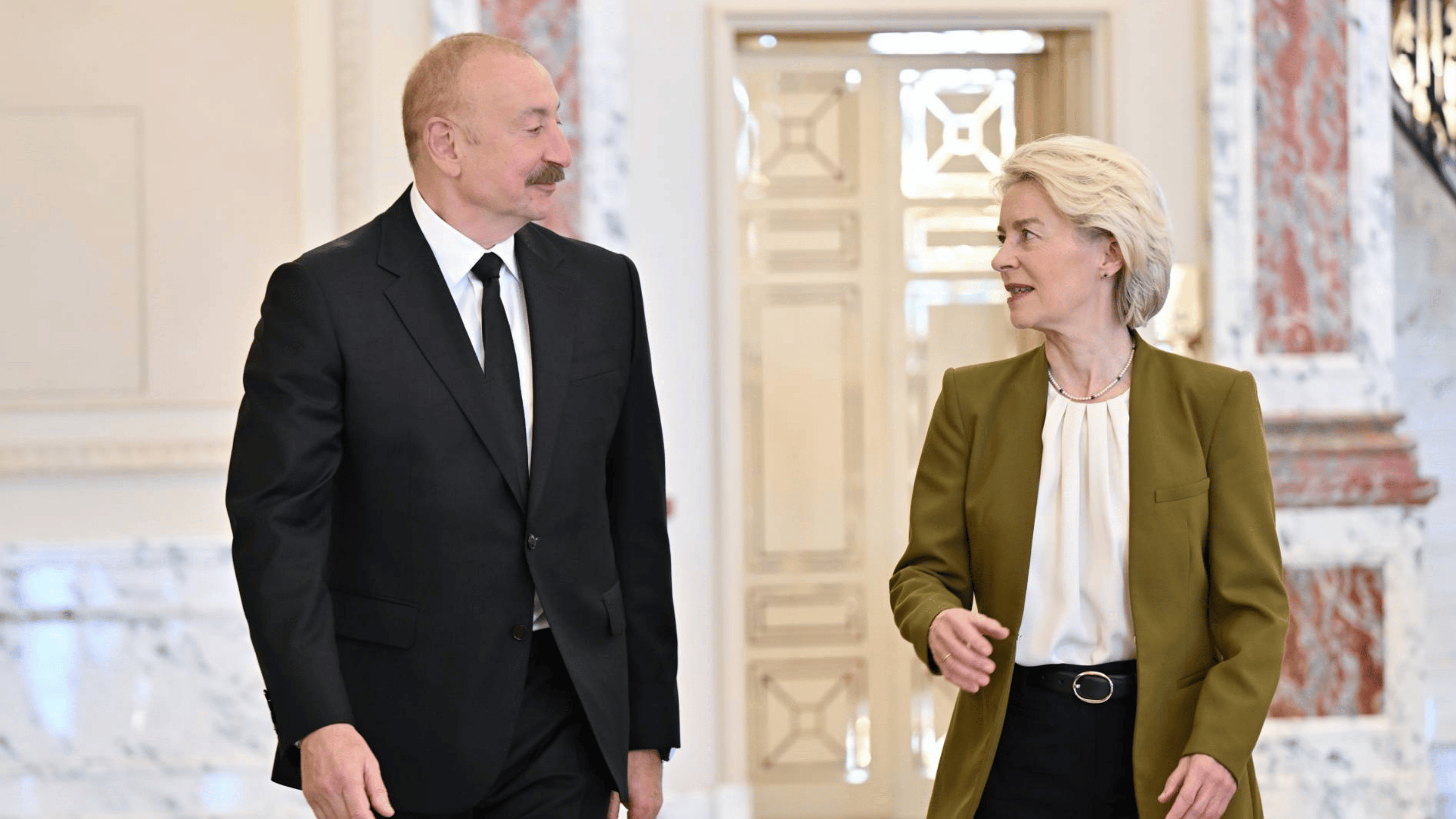
Mirziyoyev described Baku’s accession as an opportunity to create a “single space for cooperation” between Central Asia and the South Caucasus. Aliyev, in turn, described the two shores of the Caspian as a “single geopolitical and geoeconomic space”.
The leaders of Kazakhstan, Kyrgyzstan, Tajikistan and Turkmenistan said they supported expanding the format because it would create new opportunities for transit, logistics and energy cooperation.
The Middle Corridor and the Caspian’s role in bringing the region together
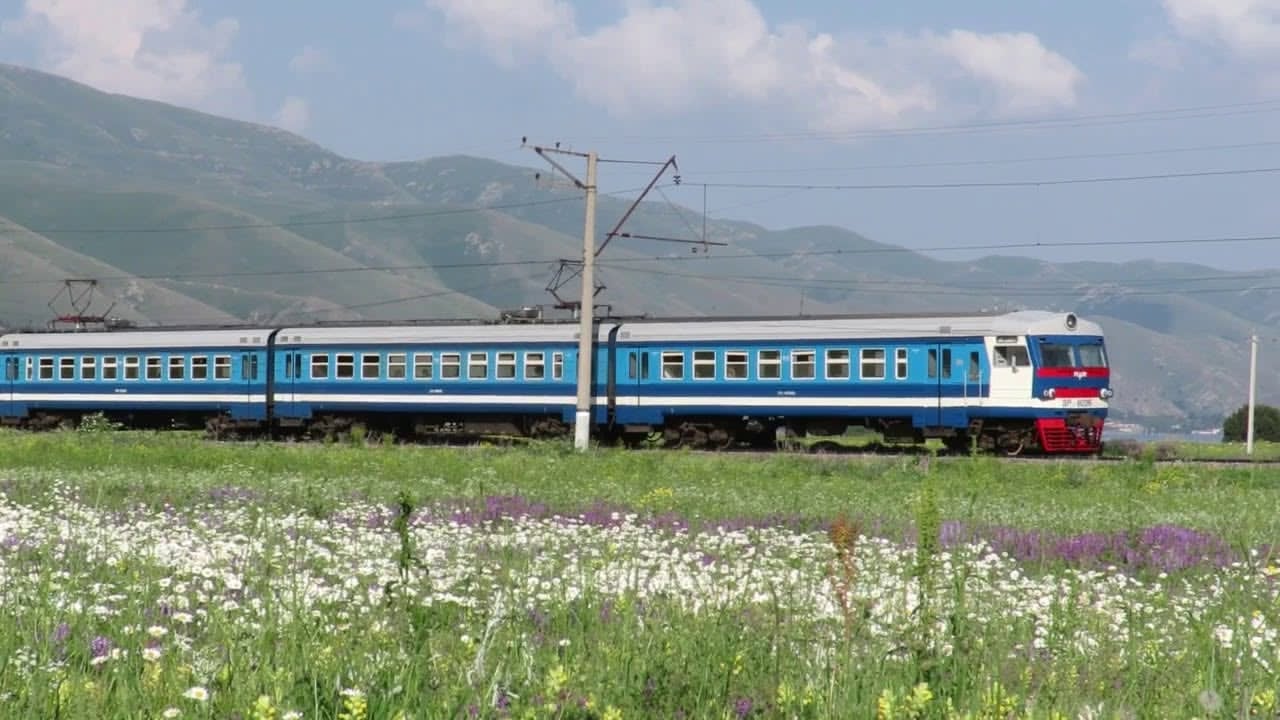
The geography offers the clearest explanation for Azerbaijan’s participation in the format. The Middle Corridor links China and Central Asia with Europe: goods travel by rail across Kazakhstan to the ports of Aktau and Kuryk, then across the Caspian Sea to Alat, before continuing through Georgia towards Turkey and the Black Sea. Azerbaijan effectively serves as the western gateway to the route.
According to the Kazakh government, freight volumes along the Trans-Caspian route rose by 62% in 2024 to 4.5 million tonnes. Baku says the volume of cargo travelling through the Azerbaijani section of the Middle Corridor has increased by 90% over three years. The authorities plan to raise the capacity of the Port of Alat to 25 million tonnes a year. The World Bank estimates that if countries coordinate border procedures, tariffs, port operations and transport schedules, freight volumes along the corridor could triple by 2030, while delivery times could fall by half.
The plans go beyond container shipping. Proposed electricity and digital cable projects across the Caspian would also bring energy and information flows into the broader agenda of regional cooperation.
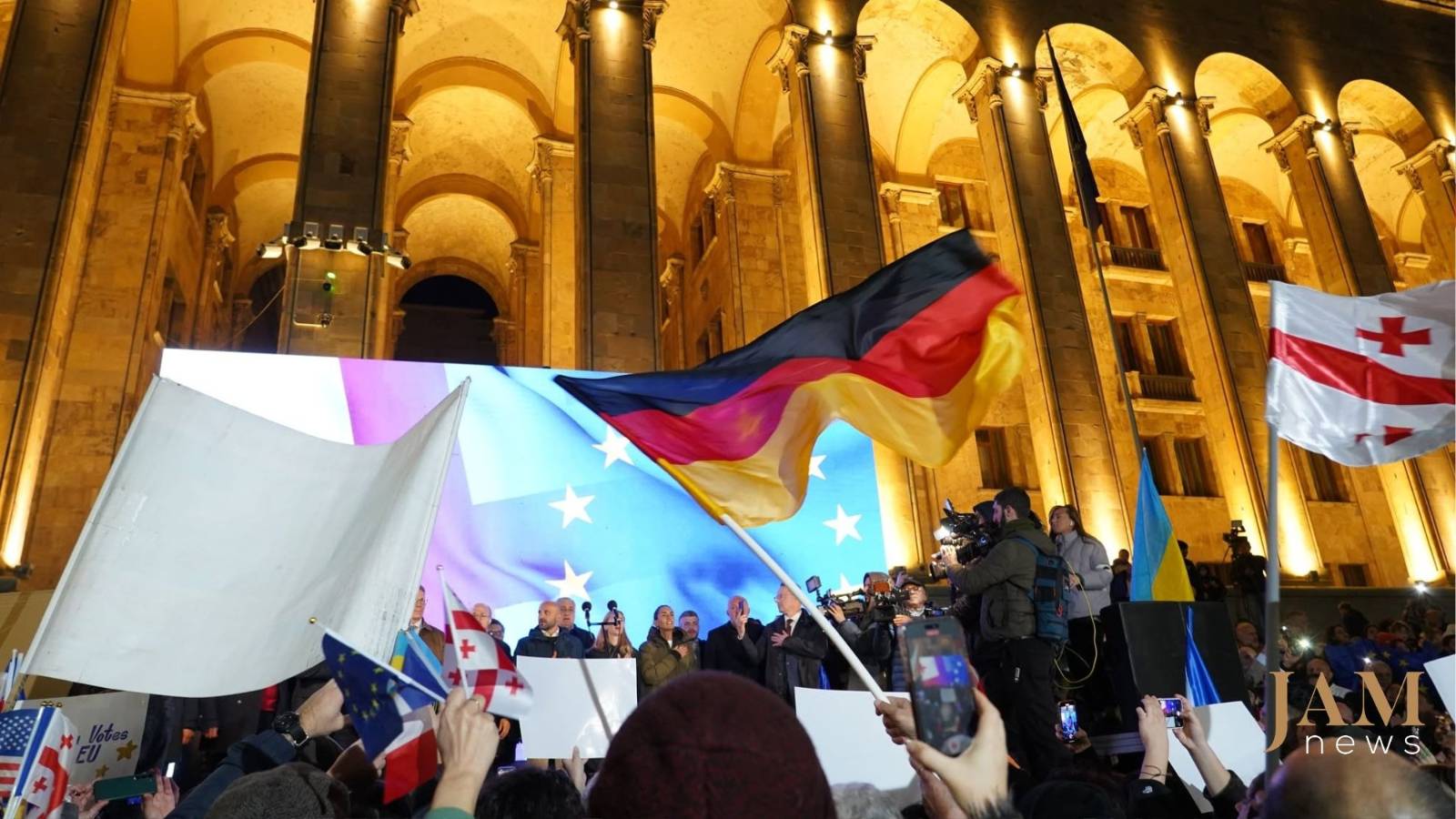
The route through Nakhchivan offers new opportunities but remains contentious. The Washington Declaration, signed on 8 August 2025, provides for a transport link through Armenia between mainland Azerbaijan and Nakhchivan, based on the sovereignty and jurisdiction of the states concerned, as well as the development of the TRIPP mechanism. Baku calls the route the “Zangezur Corridor”.
If implemented, the route could give the Middle Corridor an additional link to Turkey. However, until the parties agree on customs procedures, security arrangements, financing and management mechanisms, it remains a project rather than an operational transport corridor.
What is changing from a geopolitical perspective?
“C6” is a convenient political label, not the official name of an organisation. The format remains a consultative platform based on consensus. It does not involve collective defence commitments or mechanisms to enforce decisions.
- For Moscow, this is therefore primarily about competition over logistics and political influence, including through the development of routes that bypass Russia, rather than the emergence of a new military alliance.
- Beijing gains an additional route to the west and more stable conditions for transit.
- Ankara has an interest in strengthening direct transport links across the Caspian.
- The European Union and the US see the format as an opportunity to reduce dependence on routes through Russia and expand access to Central Asia.
The new C6 format should not be confused with the Organisation of Turkic States. The OTS has a treaty-based framework and institutional cooperation among Turkic states. The “Central Asia and Azerbaijan” format also includes Tajikistan and focuses less on shared identity than on geography, economic interests and regional cooperation.
Potential opportunities and real constraints
The potential areas for cooperation are quite concrete: common transit tariffs, digital customs procedures, coordinated port and railway schedules, joint investment funds, green energy exports, tourism routes and coordination at international forums. With its ports, financial resources and transport links through the Caucasus and Turkey, Azerbaijan offers Central Asian countries additional routes and opportunities. Baku, in turn, gains more systematic access to the region’s five markets and their economic ties with China.
However, there are also many constraints. The six countries differ in their economic potential, interests in water resources and energy, and priorities in their relations with Russia, China, Turkey and the West. The format has no permanent secretariat or mechanisms to enforce decisions, so implementation of political agreements will depend on intergovernmental coordination.
The Convention on the Legal Status of the Caspian Sea, signed in 2018, has yet to be ratified by Iran, while delimiting the seabed requires separate agreements. Falling water levels in the Caspian, the shallowing of ports and the need for costly dredging also increase the environmental and economic costs of transport logistics.
From symbol to concrete projects?
Mirziyoyev has already proposed transforming the format into a “Community of Central Asia” with a rotating secretariat. The next official meeting, scheduled for 8 October 2026 in Avaza, will be one of the first tests of whether these intentions can turn into practical decisions.
Will the six countries agree on common tariffs, digital customs procedures and a stable ferry schedule? Will TRIPP become a fully fledged part of the Middle Corridor without creating new border disputes? Or will the “Central Asia and Azerbaijan” format remain a flexible consultative platform, with its informal nature continuing to be its main advantage?
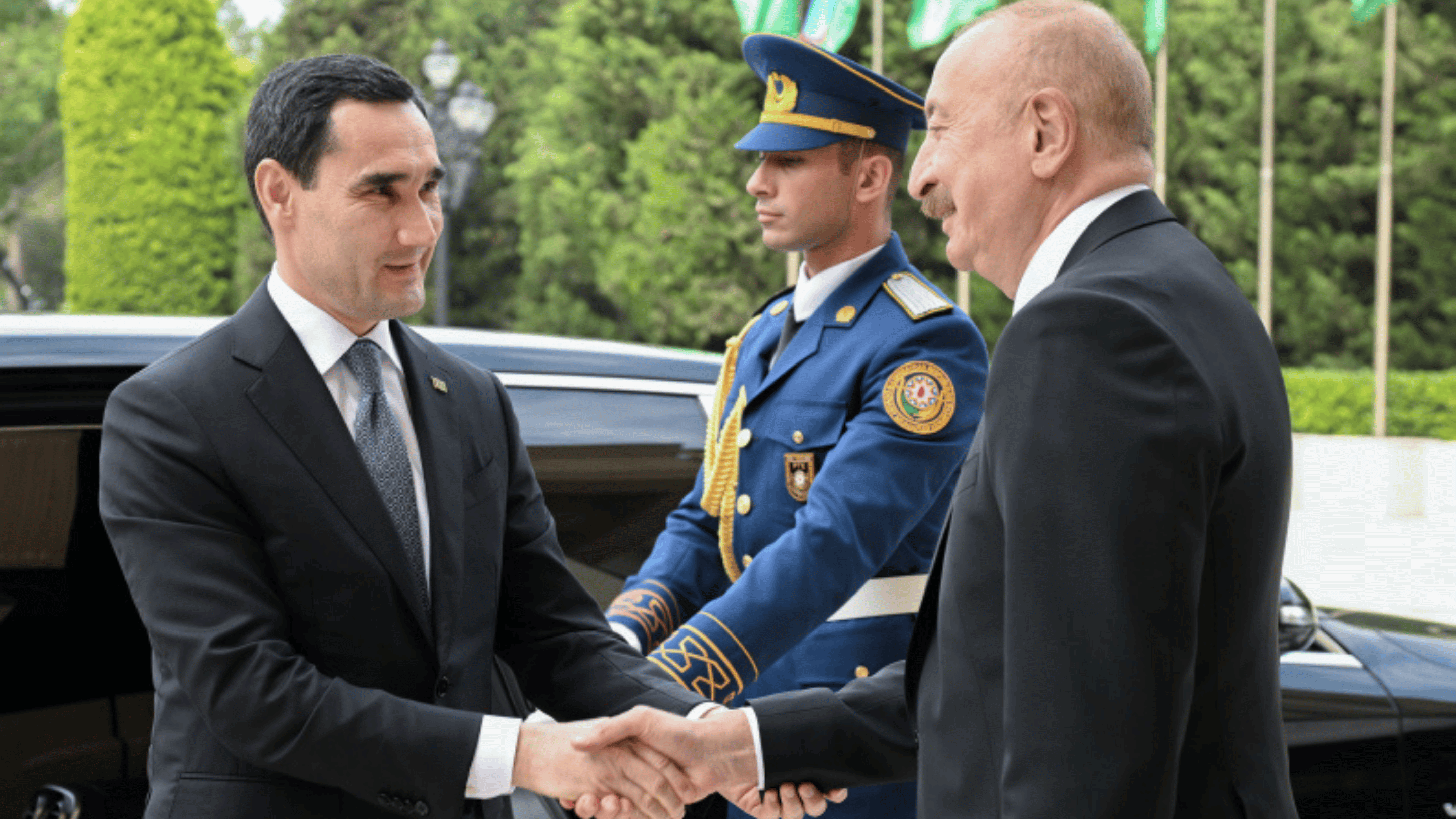
Azerbaijan at Central Asia’s table