Diaspora youth: Patriots or 'information soldiers'? Hidden mission of camp in Azerbaijan






Zangilan diaspora youth camp in Azerbaijan
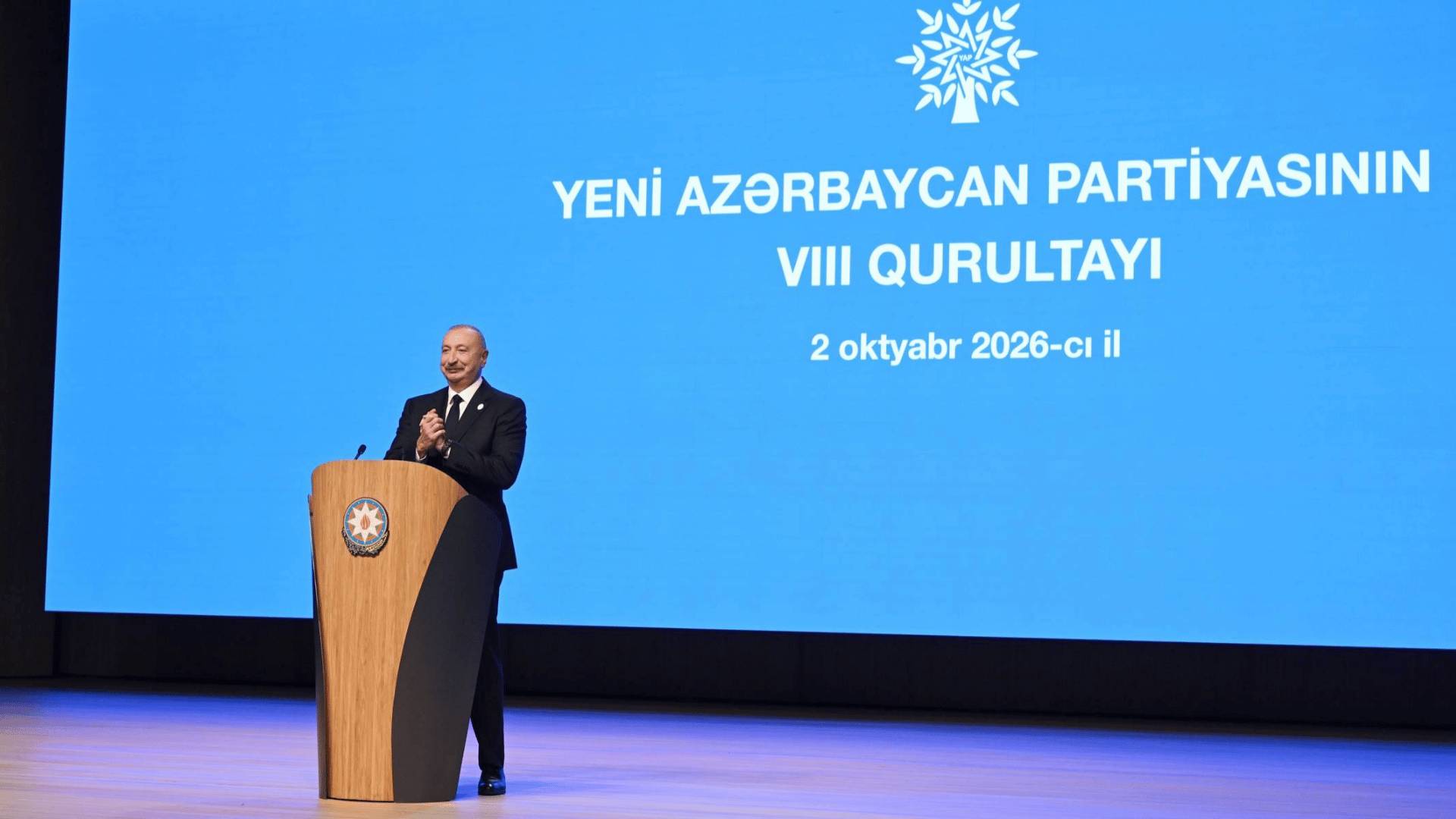
Zangilan diaspora youth camp in Azerbaijan. More than 120 young people from 64 countries gathered in Zangilan under the slogan “Reviving Cities”. Officials told participants they should defend Azerbaijan’s achievements and push back against what they described as “biased campaigns”.
Against the backdrop of protesters calling Ilham Aliyev a “dictator” in Berlin, that message raises another question: is the state seeking to foster independent thinkers or “information soldiers” who will promote its official narrative abroad?
What was discussed at the 7th Diaspora Youth Summer Camp?
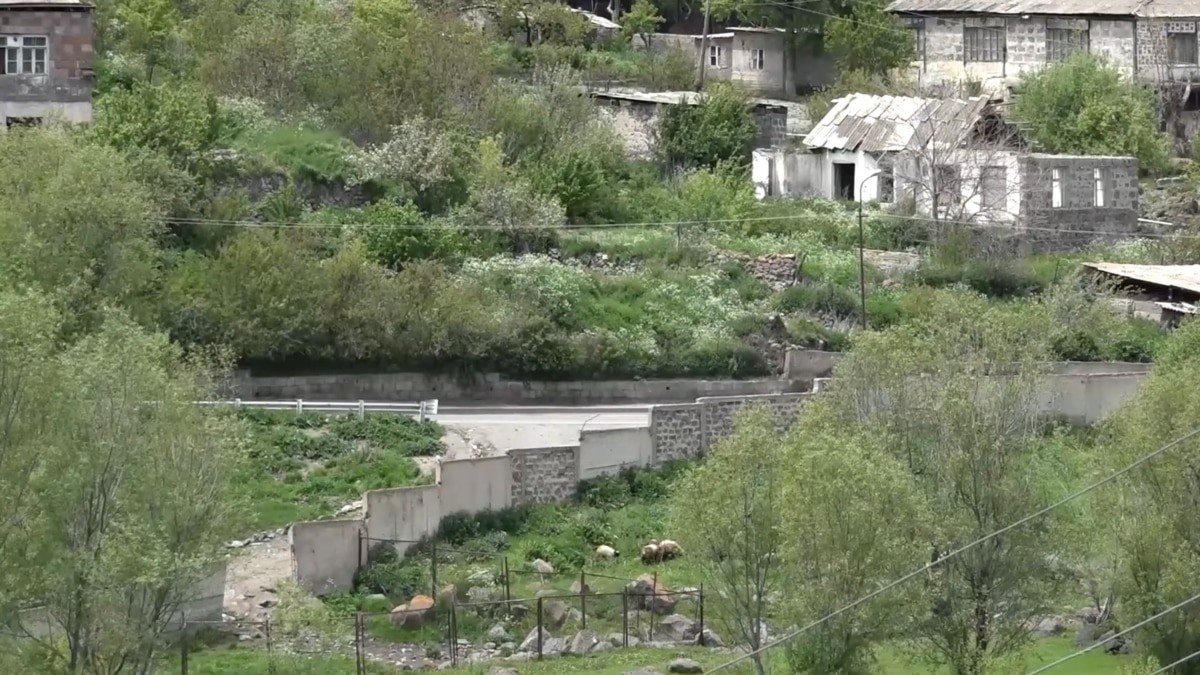
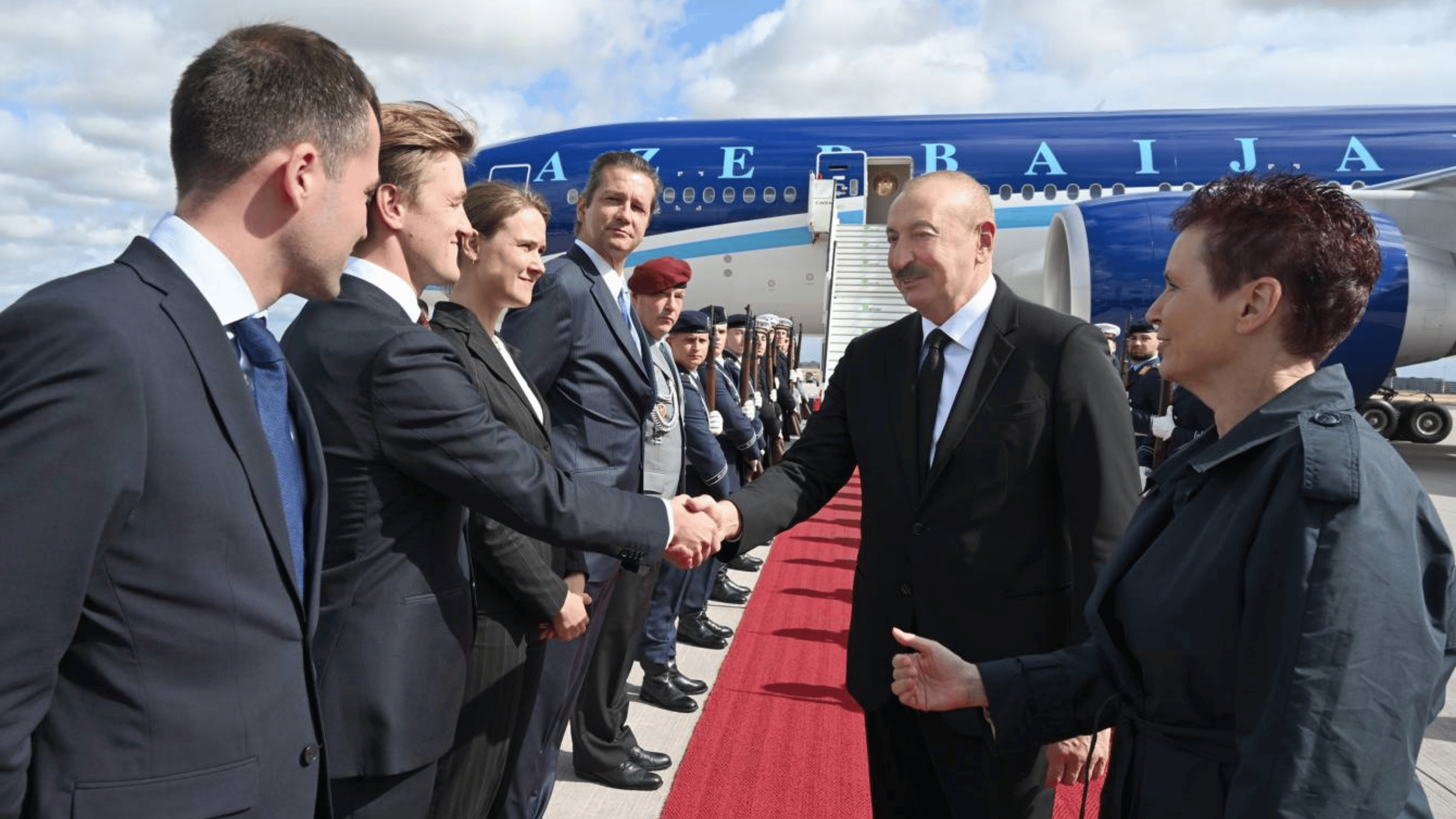
The 7th Diaspora Youth Summer Camp, which opened in Zangilan on 2 August, is officially presented as a platform for “patriotic education”, learning about “the realities on the ground” and rejuvenating the Azerbaijani diaspora. More than 120 young people from 64 countries are spending a week visiting reconstruction projects in the territories retaken by Azerbaijan, meeting government officials and learning what organisers describe as “Azerbaijani realities”.
A closer look at the speeches by Fuad Muradov, chairman of the State Committee for Work with the Diaspora, and other officials, however, reveals a more pragmatic objective. The government appears to see young people living abroad not simply as members of the diaspora with ties to their homeland, but as active participants in the information battle.
Muradov said the participants should be able to “respond with well-founded arguments to biased campaigns”. He said they should “represent” Azerbaijan’s interests with dignity in their countries of residence, on international platforms and within their own communities.
Another message struck an even tougher tone. Officials said that although their number was small, some people living abroad who called themselves Azerbaijanis did not welcome Azerbaijan’s successes. They urged participants to know who these people were, be familiar with their statements and respond to them with well-reasoned arguments. Officials also said “black PR”, “distortion of facts” and “organised campaigns” were unacceptable. At the same time, they said they remained open to “well-founded criticism”.
Elvin Aslanov, a representative of the Heydar Aliyev Foundation, acknowledged that defending Azerbaijan abroad was “far from easy”, saying it required confronting double standards and disinformation. According to him, the young participants’ mission is to “convey the truth accurately and objectively”.
From the authorities’ perspective, such rhetoric may appear defensive and entirely legitimate. However, the broader context allows for another interpretation. Critics argue that the programme goes beyond patriotic education and instead systematically prepares “information soldiers” – young people expected to promote the official narrative on social media, in online discussions and in international debates. In other words, they see it as an attempt to build a state-directed “soft power” network.
What happened in Berlin, and why does it matter in this context?
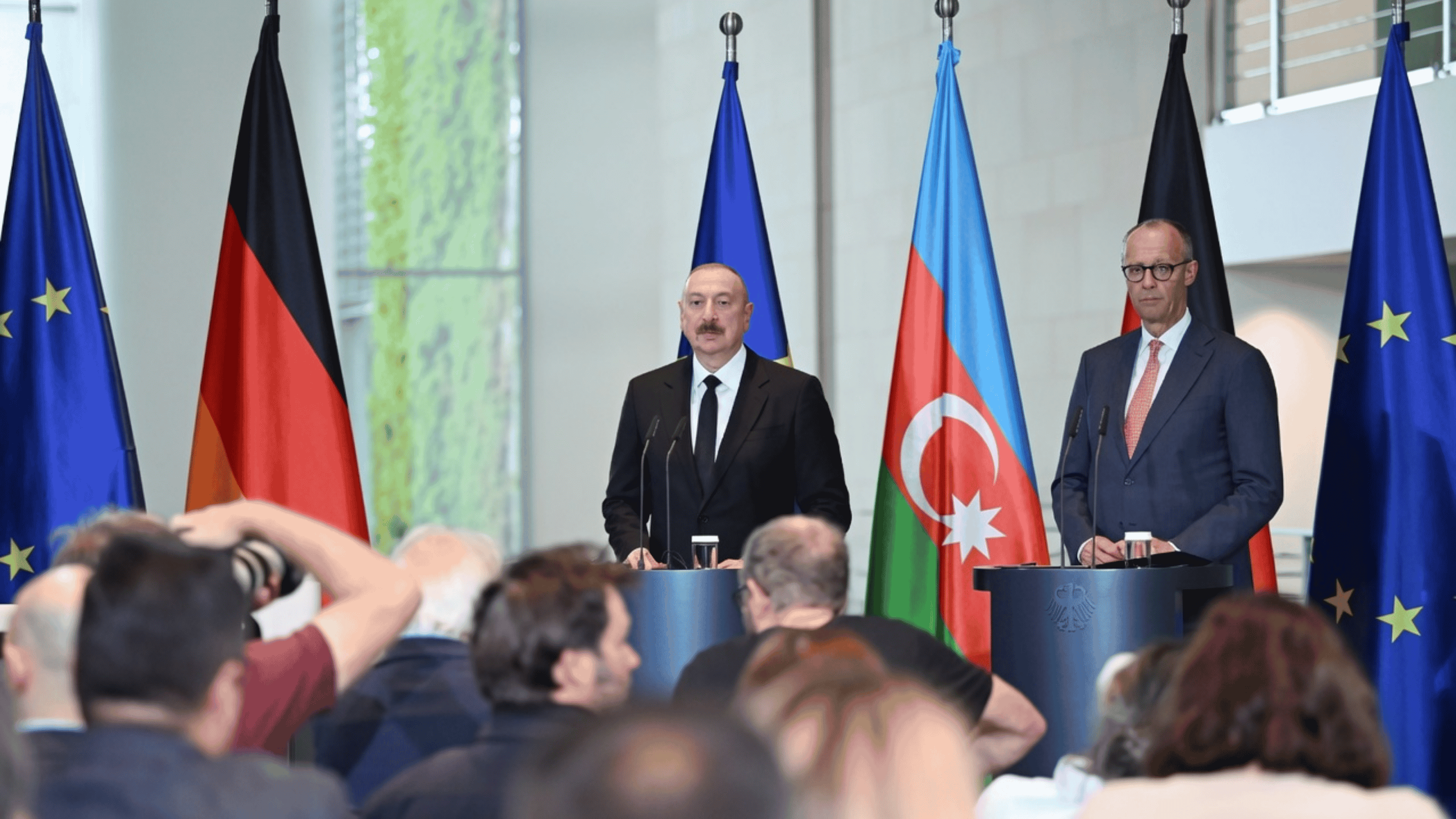
The timing of these appeals is no coincidence. During Ilham Aliyev’s official visit to Germany on 21 July, Azerbaijani expatriates gathered on the streets of Berlin and chanted: “Dictator!”
Around the same time, Germany-based exiled blogger Alemdar Bunyatov approached Foreign Minister Jeyhun Bayramov and presidential aide Hikmet Hajiyev on a street in Berlin. He questioned them about political prisoners and allegations of torture.
Official media immediately described the incident as a “provocation” and portrayed Bunyatov as someone “known for his close ties to the Iranian intelligence services”. Responding to his questions, Bayramov dismissed the allegations of torture as “a personal opinion”.
Hajiyev, for his part, questioned Bunyatov about his sources of funding, his legal status in Germany and his reasons for leaving Azerbaijan. He stressed the importance of sovereignty and national security. The incident triggered a strong reaction in pro-government media, which portrayed the blogger’s questions as “provocative”.
The events in Berlin further illustrate the practical meaning of the messages delivered in Zangilan. In the official narrative, criticism is often framed as a “biased campaign”, “black PR” or the result of “external influence”.
As a result, the authorities themselves largely determine the line between “well-founded criticism” and a “biased campaign”. Young people, in turn, are expected to accept that distinction and challenge those whom the state places on the other side of it.
A method of training trolls?
Opposition figures and independent observers have long described such camps as a form of “troll factory”. Critics argue that their purpose is not to encourage independent thinking but to prepare young people to defend the official position on social media, in online discussions and before international audiences. They say that, under the banner of patriotism, organisers cultivate emotional attachment and ideological loyalty while encouraging participants to view critical voices as “hostile”.
Every country seeks to use its diaspora as a tool of soft power, and Azerbaijan is no exception. The problem, critics argue, is that the shrinking space for domestic criticism places a disproportionately heavy burden on young Azerbaijanis abroad to “defend” the official line. They must adapt to societies where freedom of expression is a fundamental principle while remaining loyal to Baku’s official narrative. For many young people, that contradiction can create genuine tension.
Muradov says, “We are open to dialogue”, while also insisting, “We will not tolerate black PR.” This raises an obvious question: what qualifies as “well-founded criticism”, and what counts as a “biased campaign”? If official media portray the questions and slogans heard on the streets of Berlin as a provocation, where is the line for young people who raise the same issues in international media or at academic forums?
Zangilan diaspora youth camp in Azerbaijan