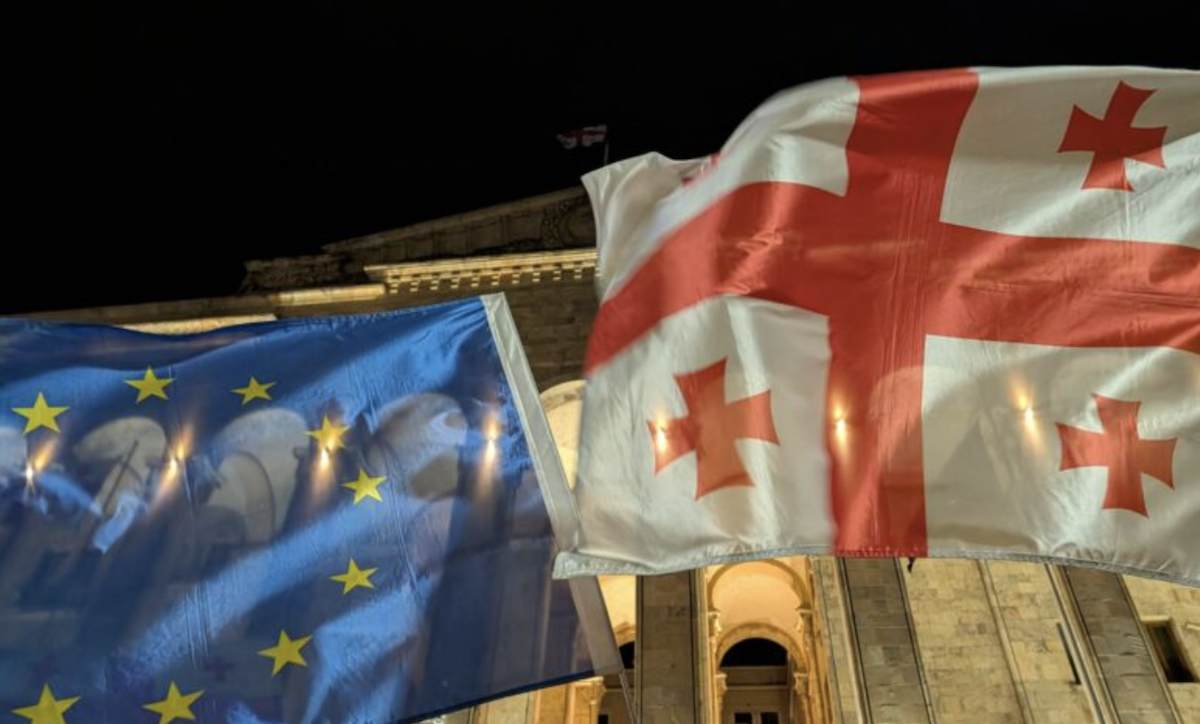
EU's 21st sanctions package targets Kulevi oil terminal and cryptocurrency platforms in Georgia






Georgia in the EU’s 21st sanctions package
The European Union’s 21st package of sanctions against Russia includes an oil refinery in the Georgian town of Kulevi and several cryptocurrency platforms.
The sanctions against the Kulevi refinery, which processes and sells Russian oil, include a six-month grace period. The ban on transactions will take effect after six months unless the refinery changes its business practices.
- UK sanctions tanker that delivered Russian oil to Georgia’s Kulevi port
- Georgia says SILVAR entered its territorial waters before UK sanctions were imposed
The Kulevi refinery had previously been considered for inclusion in the EU’s 20th package of sanctions against Russia, but was ultimately removed from the sanctions list.
At the time, the EU said that “the Georgian authorities and the port operator had made positive commitments.” This was stated in a letter from the EU’s Special Envoy, David O’Sullivan, to Georgian Foreign Minister Maka Botchorishvili.
What does the new sanctions package include?
The EU’s 21st package of sanctions against Russia, which is expected to take effect shortly, was formally approved by the permanent representatives of the EU member states on 23 July 2026.
The sanctions are expected to enter into force on 23 July following approval by EU leaders and their publication in the Official Journal of the European Union.
The measures target sectors of the Russian economy that generate significant revenue for Moscow’s war in Ukraine, including energy, financial services and the cryptocurrency sector.
The package also imposes sanctions on more than 50 companies and organisations involved in supplying military goods and weapons to Russia.
It includes the EU’s largest-ever round of individual sanctions, targeting a total of 218 entities — 48 individuals and 170 legal entities.
It is one of the most significant expansions of the EU’s sanctions regime in the past four years.
Sanctions against the Kulevi refinery
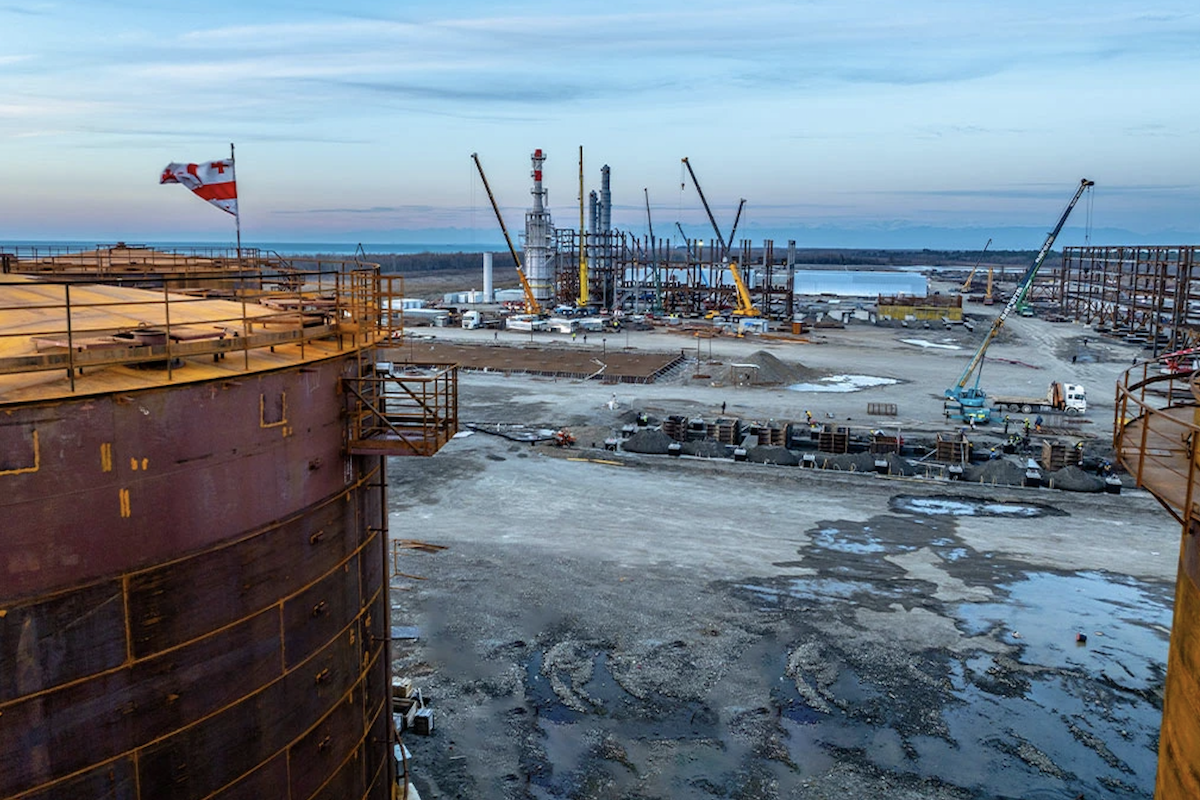
“The package introduces the possibility of banning transactions with oil refineries listed in Russia and third countries that process Russian crude oil and petroleum products. Under these measures, the EU is imposing a ban on transactions with the Georgian oil refinery in Kulevi, which processes and trades Russian oil. The ban will take effect in six months,” the EU said in a statement.
According to Radio Free Europe/Radio Liberty, citing a source familiar with the matter, the introduction of a six-month deadline is unprecedented in EU sanctions policy.
The same source said the decision reflected Tbilisi’s willingness to meet the EU’s requirements, which became apparent during discussions over sanctions related to the port.
This means that if the Kulevi refinery continues processing Russian oil over the next six months, it will become subject to EU sanctions. The refinery’s owner, Black Sea Petroleum, announced on 1 July 2026 that it would begin full-scale processing of non-Russian crude from August or September.
According to Georgia’s National Statistics Office, domestic exports rose sharply in January 2026 compared with the same period a year earlier, driven largely by exports of petroleum products.
Petroleum and petroleum products ranked as Georgia’s second-largest export category in January 2026, with exports worth $58.7 million, accounting for 12.2% of the country’s total exports.
Cryptocurrency platforms added to the sanctions list
The EU has imposed transaction bans on 14 cryptocurrency platforms based in Georgia, Panama, the United Arab Emirates, Kyrgyzstan, Belarus and the Marshall Islands.
For the first time, the EU has introduced a mechanism allowing it to impose a complete ban on transactions between EU companies and cryptocurrency platforms that help Russia circumvent sanctions.
The measure also applies to crypto service providers operating in third countries if they facilitate activities that serve Russian interests.
What does the inclusion of Georgian companies in the sanctions package mean for Georgia?
The inclusion of the Kulevi refinery in the EU’s 21st sanctions package has already sparked debate in Georgia.
“The EU’s 21st sanctions package is a national disgrace: Georgian assets are being used as cannon fodder for Russia’s war machine. By allowing the Kremlin to circumvent sanctions, those in power are betraying our sovereignty. Georgia’s place is in Europe — we will never become a loophole for Russian aggression,” Georgia’s fifth president, Salome Zourabichvili, wrote on X.
Analyst Lela Djedjelava said sanctions against such an important economic asset would have an impact on the Georgian economy.
“The consequences will become increasingly visible over time. The reality is that the Kulevi refinery is probably not the only facility that could be exposed for cooperating with Russia. If other businesses in Georgia are also hit by sanctions, it will naturally have a very negative impact on the country.”
Gedevan Popkhadze, one of the leaders of the opposition Coalition for Change, said the EU sanctions against the Kulevi refinery were the result of the Georgian government’s inaction.
“If you are not helping Ukraine, why are you helping Russia? If you do not want war, why are you acting in favour of one of the parties to the conflict? We must clearly understand that these sanctions are not a message to the Kulevi refinery itself — they are a message to Georgia’s de facto government. It should realise that claiming to be neutral is hypocrisy.”
Georgia in the EU’s 21st sanctions package