Georgian authorities 'suspect' Tbilisi School of Political Studies of receiving grant without their consent






The Georgian State Audit Office has launched an investigation into the financial activities of the Tbilisi School of Political Studies. The Audit Office’s Financial Transparency Department said the investigation concerns the possible receipt of a grant without the Georgian government’s consent.
“To examine the matter comprehensively, the State Audit Office will act within the powers granted to it by Georgian law, including the Law of Georgia on Grants,” the Audit Office told Interpressnews.
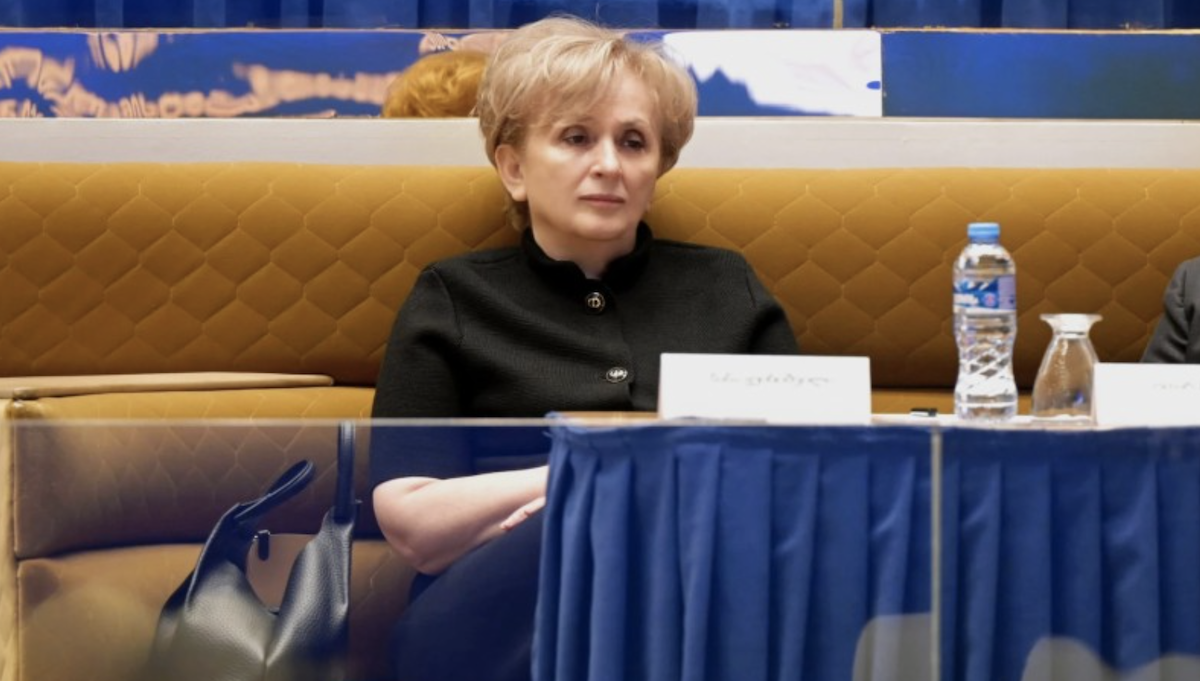
The Tbilisi School of Political Studies was founded in 1999 as a non-governmental organisation. The school operates under the auspices of the Council of Europe and is headed by politician Armaz Akhvlediani.
What happened
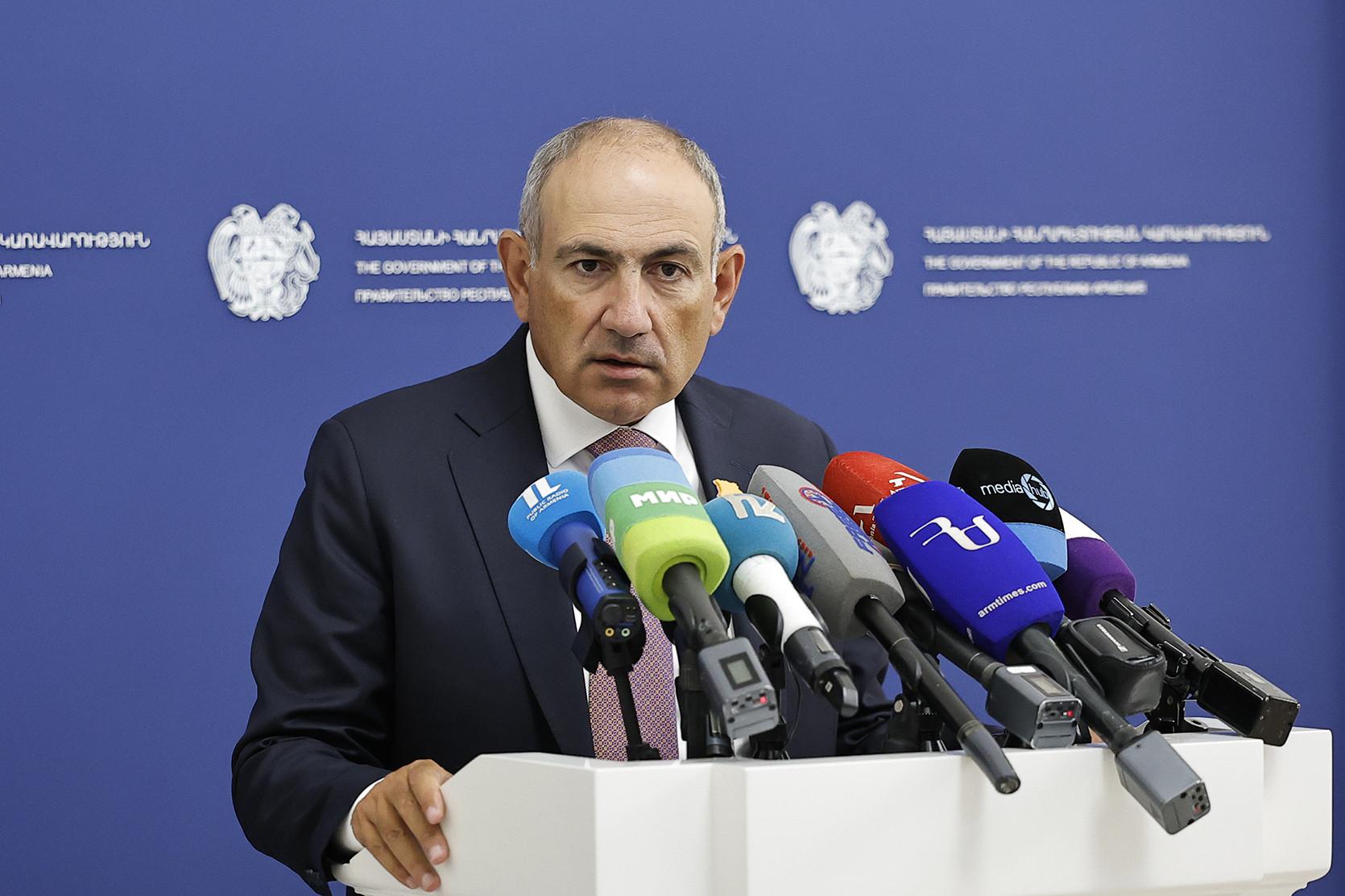
Government officials have repeatedly spoken about the Tbilisi School of Political Studies in recent weeks. Parliament Speaker Shalva Papuashvili said the school had held a seminar in the village of Bakhmaro with funding from the Council of Europe. He suggested that the funding for the event may have bypassed Georgian law.
According to Papuashvili, the school did not seek the government’s consent to receive the grant, while the Council of Europe’s media office said the event in Bakhmaro did not constitute a grant.
“So what was it, then?” Papuashvili asked.
He said the original version of the Law on Grants required government approval for all forms of foreign funding, including direct spending by organisations. The final version retained an exception for diplomatic activities. However, Papuashvili argued that organisations should not use this exception to circumvent the law.

ПPapuashvili suggests that, in the case of the seminar in Bakhmaro, the Council of Europe’s local office directly paid for hotel accommodation, transport and food, as well as fees for experts and speakers.
“If that is the case, we are dealing with an attempt to circumvent the law,” the speaker said.
According to Papuashvili, the law also covers cases where an agreement is described as a service contract but in substance amounts to a grant.
What the Law on Grants provides
The legislative package approved on 4 March 2026 significantly broadens the definition of a “grant”. It covers both financial and non-financial support if it can be used to influence the country’s domestic or foreign policy, including activities linked to the interests of a foreign state or political force.
The law also strengthens the State Audit Office’s oversight of the awarding and receipt of grants. If a foreign legal entity funds a branch operating in Georgia without government approval, it can face sanctions, including a fine equal to twice the value of the grant.
Violating the grants law can also result in criminal liability. Penalties include a fine, community service or up to six years in prison.
The changes also affect the political process. People who work for organisations that receive predominantly foreign funding will be barred from joining political parties for eight years. At the same time, restrictions imposed on political parties also apply to entities that are not formally parties but effectively engage in political activity.
The legislative package also tightens administrative liability for private companies if they become involved in public political activity.
Georgia’s Law on Grants