OSCE Parliamentary Assembly adopts key resolution on Georgia






OSCE resolution on Georgia
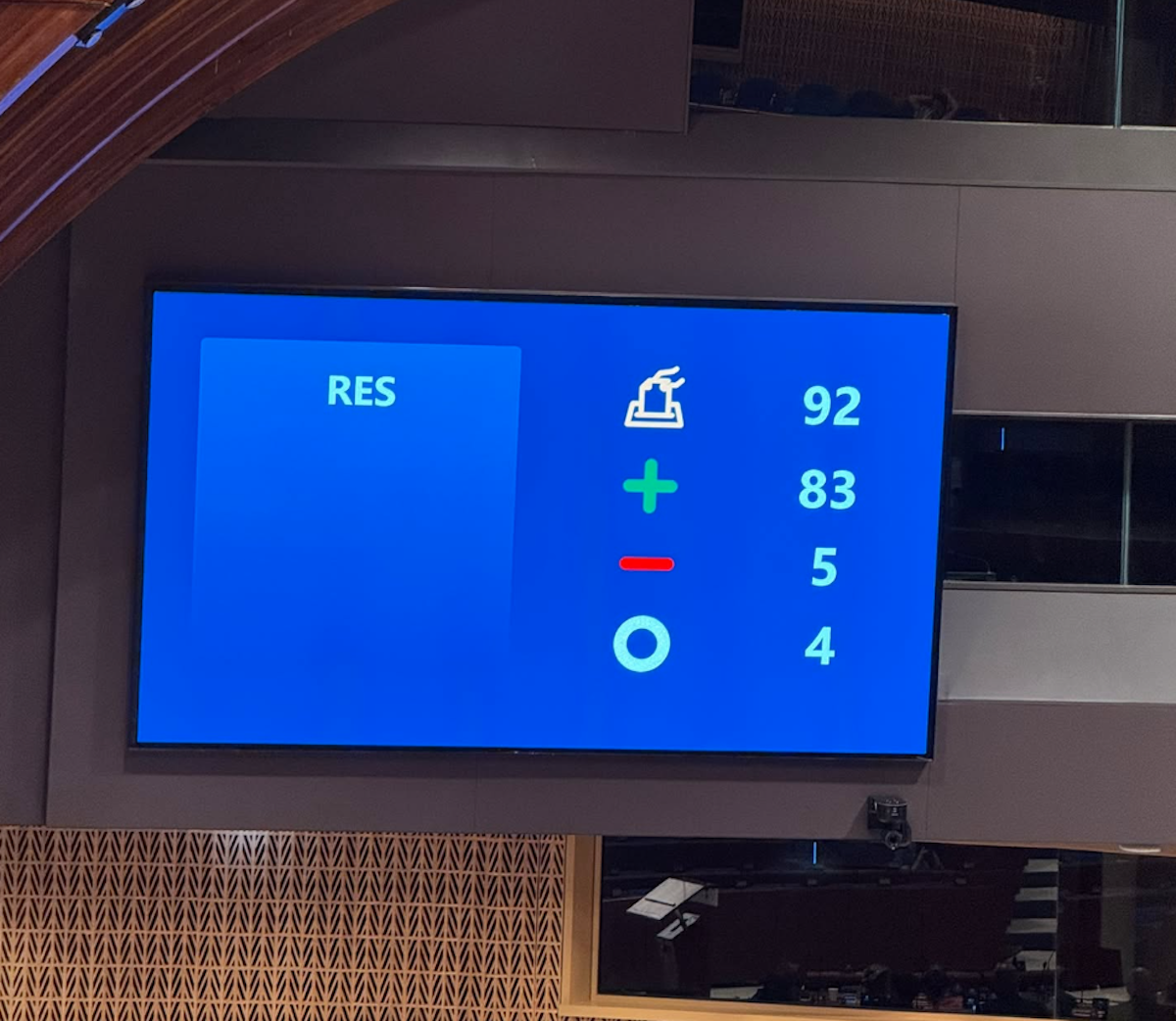
On 8 July 2026, the OSCE Parliamentary Assembly adopted a strongly worded resolution calling on the Georgian government to release political prisoners, repeal laws restricting civil liberties and uphold democratic standards.
The resolution, titled “On electoral integrity and the protection of fundamental freedoms in Georgia”, was incorporated into the Hague Declaration.
The declaration is the final document of the Assembly’s 33rd Annual Session, held in the Netherlands from 4 to 8 July. Representatives of the Georgian Dream party attended the session but walked out in protest before the resolution was adopted.
Key demands to the Georgian government
The resolution calls on the Georgian authorities to release all political prisoners and review or repeal laws that, it says, restrict human rights and civil liberties.
The Assembly also calls for an independent and transparent investigation into alleged violations linked to the 2024 parliamentary and 2025 local elections, with those responsible held to account.
The document further urges reforms aimed at restoring the independence of the judiciary and the Central Election Commission, stressing the importance of involving the Venice Commission and the OSCE in the process.
It also says civil society organisations and independent media must be able to operate free from pressure and intimidation.
Assessment of the parliamentary and local elections
The Assembly expresses concern over the conduct of both the 2024 parliamentary elections and the 2025 local elections.
The resolution cites the OSCE’s assessment that the October 2024 parliamentary vote took place in an environment marked by pressure on voters, possible intimidation by public officials and violations of ballot secrecy.
It also addresses alleged irregularities reported during the October 2025 local elections, including possible electoral fraud, vote buying, so-called “carousel voting” and obstruction of opposition election observers.

Criticism of restrictive legislation
The resolution criticises a number of laws adopted in recent years, including the Law on Transparency of Foreign Influence, amendments to the Law on Assemblies and Demonstrations, and new provisions in the Code of Administrative Offences.
According to the resolution, these laws restrict media freedom, freedom of expression and the right to peaceful assembly, while having a negative impact on civil society.
It also states that the use of administrative resources and the concentration of power in the hands of the government have created conditions for what it describes as de facto one-party rule, which the Assembly says threatens Georgia’s Euro-Atlantic integration.
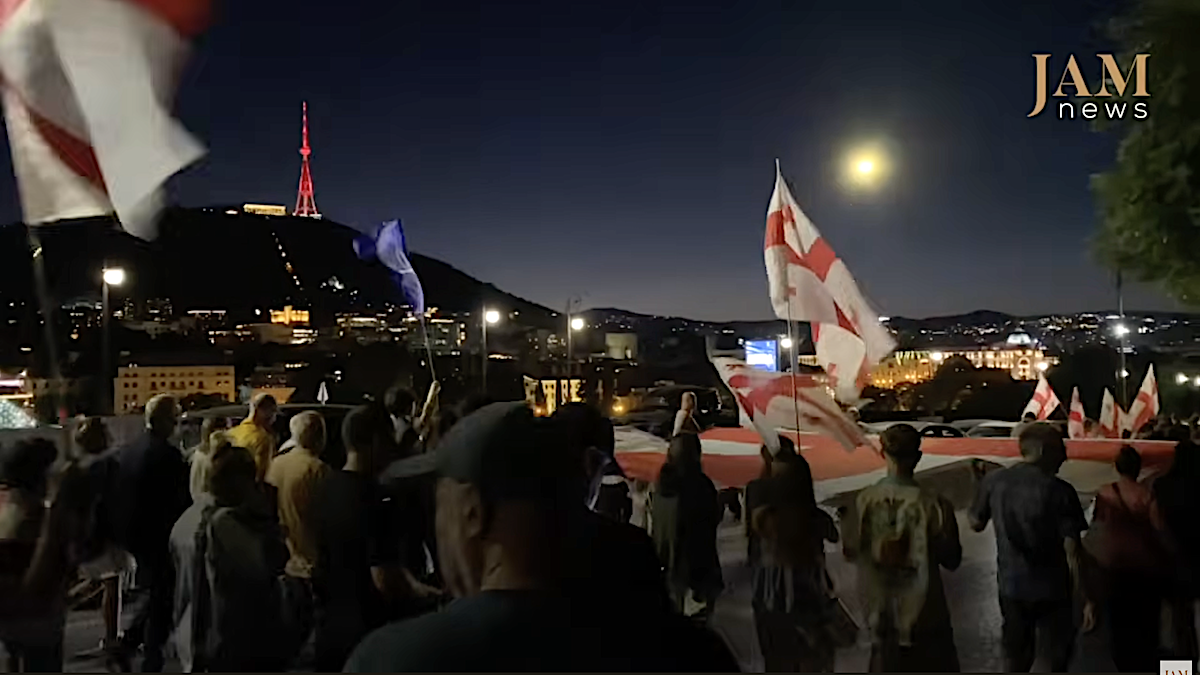
The document also condemns the detention of and pressure on opposition politicians, journalists and participants in peaceful demonstrations.

Call to the international community
The OSCE Parliamentary Assembly calls on participating states not to recognise the results of elections in Georgia unless they are confirmed as free and fair by credible international and domestic election observation missions.
The resolution also calls for continued international monitoring of the human rights situation in Georgia, including in Abkhazia and the Tskhinvali region.
OSCE resolution on Georgia