'Victory achieved': Parents of children with Duchenne syndrome in Georgia end protest






Duchenne syndrome parents end protest
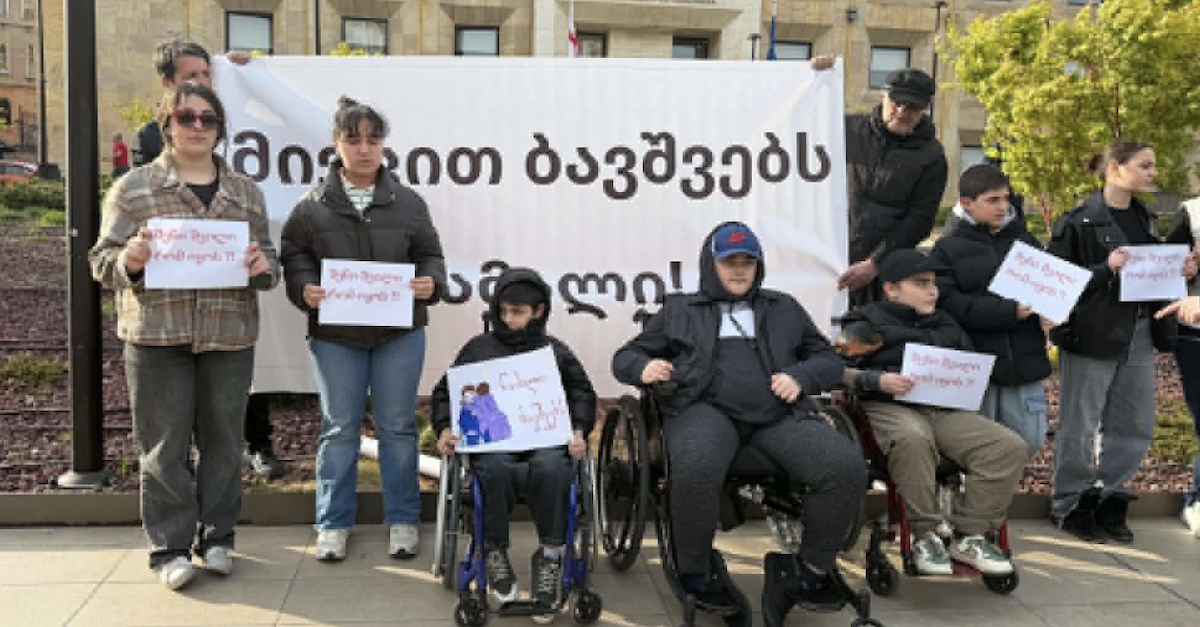
A 45-day continuous protest by parents of children with Duchenne muscular dystrophy outside the Georgian government administration has ended successfully after the authorities agreed to establish a permanent working group to oversee the procurement and funding of the necessary medicines.
Following a second meeting with Georgian Prime Minister Irakli Kobakhidze, the two sides agreed that the government would consider purchasing the two main medications, with a final decision to be made on the basis of the most favourable terms available.
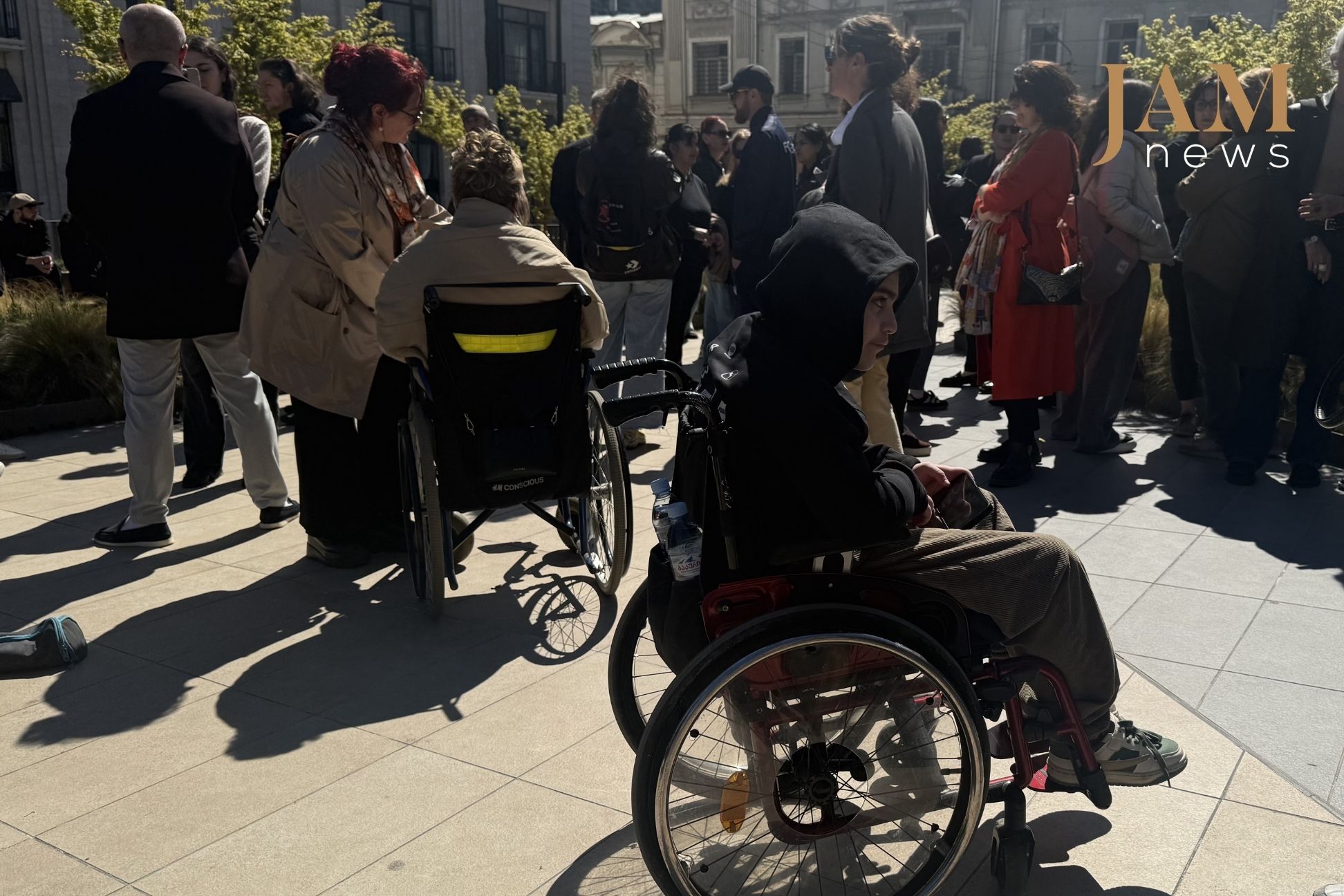
The parents taking part in the protest say the agreement represents an important victory. One of them, Zakro Gvishiani, said that “victory in this worthy struggle has been achieved” and that the daily protests would now end. He said a permanent working group would be established to focus on two specific medications, with a final decision expected in around two months following negotiations with pharmaceutical companies.
The medicines under consideration include both gene therapy and modern treatments designed to slow the progression of the disease, including therapies targeting the dystrophin gene and new-generation alternatives to steroids.
Although the parents are ending their daily protest actions following the agreement, they still plan to hold a previously scheduled “March of Gratitude” on Sunday.
Health Minister Mikheil Sarjveladze said the working group would address not only access to medication but also the broader needs of children affected by the condition. He said the prime minister’s involvement had been important and that cooperation with parents created the necessary basis for decision-making.
According to Sarjveladze, parents will be the first to receive updates at every stage of the process, followed by the wider public, in order to ensure maximum transparency and keep the focus on the children’s interests.

Duchenne muscular dystrophy is a rare genetic disorder characterised by progressive muscle weakness and degeneration. Around 100 children in Georgia have been diagnosed with the condition.
A student-led initiative launched in support of the children grew into a nationwide campaign, raising more than 1.6 million lari (about $600,000) within a matter of days. However, even that substantial sum proved insufficient to cover the cost of the treatment.
As a result, organisers decided that the funds would instead be used to meet the children’s day-to-day needs, including breathing equipment, generators required to keep it running, medicines, adapted beds, wheelchairs and spinal surgery.
Duchenne syndrome parents end protest