Former deputy head of Georgia’s State Security Service arrested on bribery charges






Georgia’s State Security Service (SSG) says the Anti-Corruption Agency has arrested former deputy head of the SSG, Levan Akhobadze, on charges of accepting a particularly large bribe.
During the period under investigation, Akhobadze served as deputy to Grigol Liluashvili, who is also currently facing accusations of accepting a large bribe.
Akhobadze will be represented by Razhden Kuprashvili, the former head of Georgia’s Anti-Corruption Bureau.
According to the State Security Service (SSG), the case relates to the seizure of 40 million roubles (about $431,000) from a private businessman at the Lars border crossing on the Georgian-Russian border in April 2024. The agency says the money was undeclared and, at the exchange rate at the time, amounted to roughly 1.16 million lari.
Under Georgian law, transporting or exporting cash exceeding 100,000 lari (around $36,200) without declaration can result in a fine of 10% of the amount or confiscation of the entire sum.
The SSG says the businessman sought to recover the money through official channels but was refused. According to investigators, Levan Akhobadze later contacted him through intermediaries and offered assistance in recovering the seized funds.
The agency alleges that, following negotiations, the businessman paid the legally required 10% fine and recovered the confiscated money on 30 April 2024. Afterwards, according to the SSG, Akhobadze allegedly demanded 500,000 lari (about $181,000) in exchange for his help.
The statement adds that, according to testimony from one witness, intervention by then-head of the SSG Grigol Liluashvili led to the requested amount being reduced to 250,000 lari (around $90,500). The money was allegedly handed to an intermediary, who delivered it to Akhobadze in his office the same day.
The investigation is being conducted under Article 338, Part 3, subsection “e” of Georgia’s Criminal Code, relating to the acceptance of an especially large bribe, which carries a prison sentence of between 11 and 15 years.
The SSG says the investigation is ongoing in an effort to identify other possible participants and gather additional evidence.
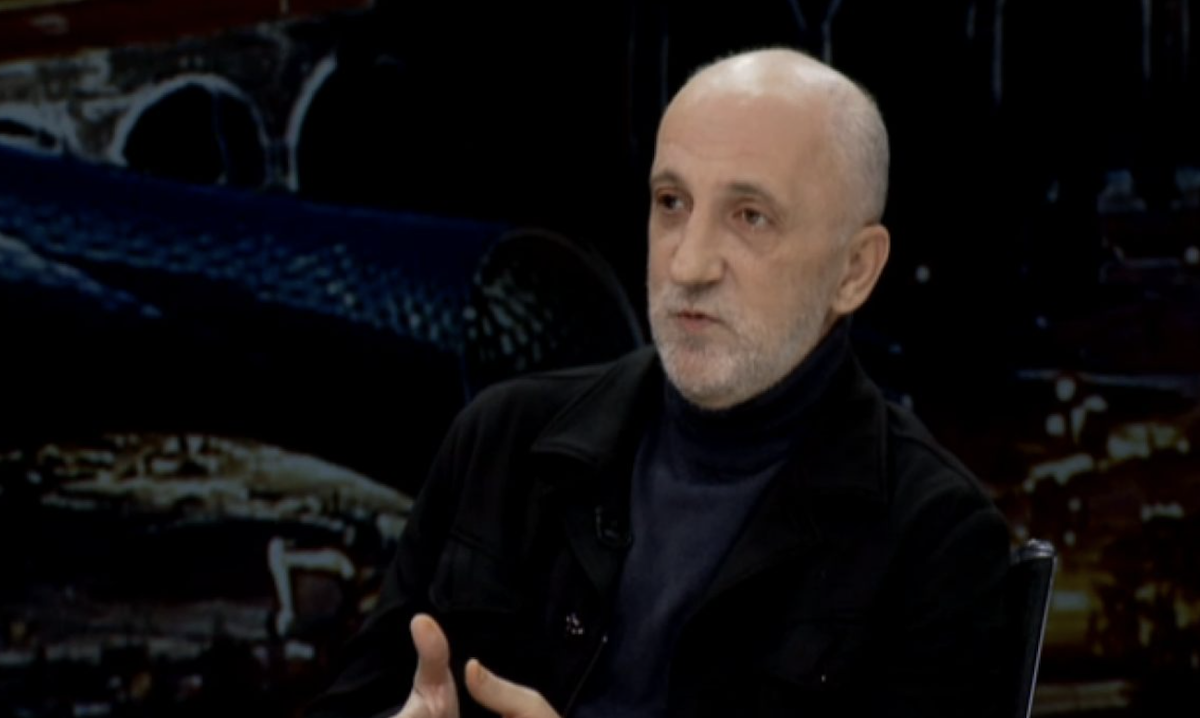
Former deputy head of Georgia’s SSG arrested