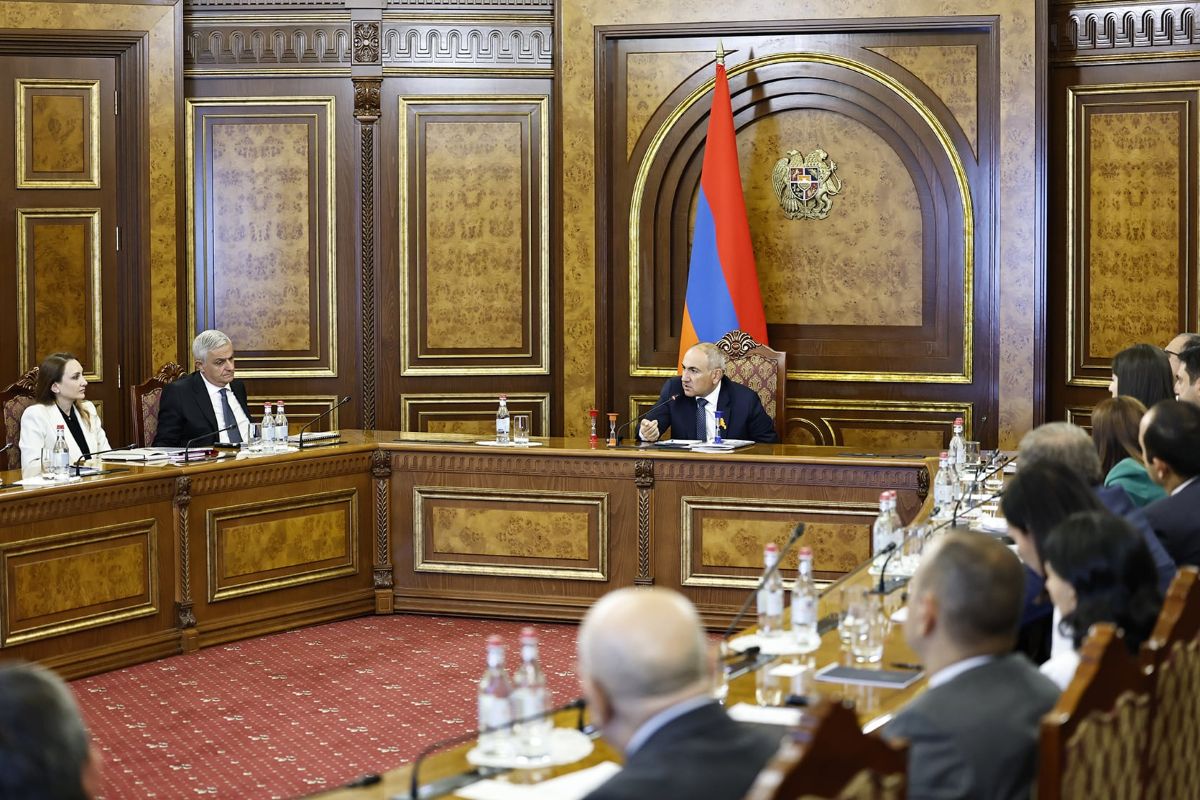


In Tbilisi, thousands of people are standing in line for hours to pay their respects to the Patriarch. Photos






The funeral of Patriarch Ilia II in Georgia
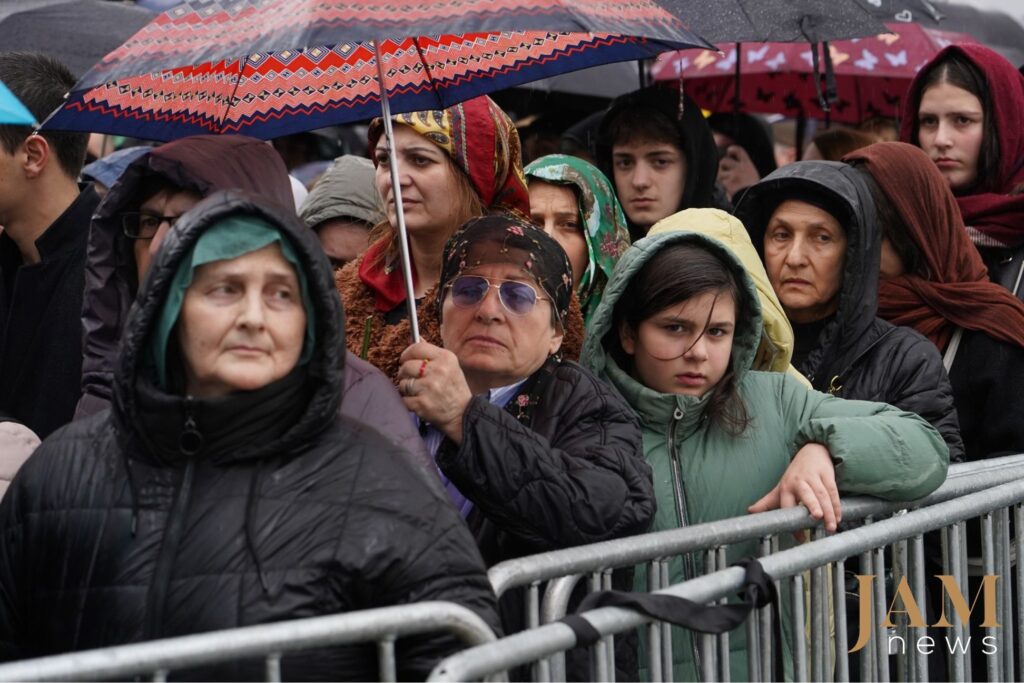
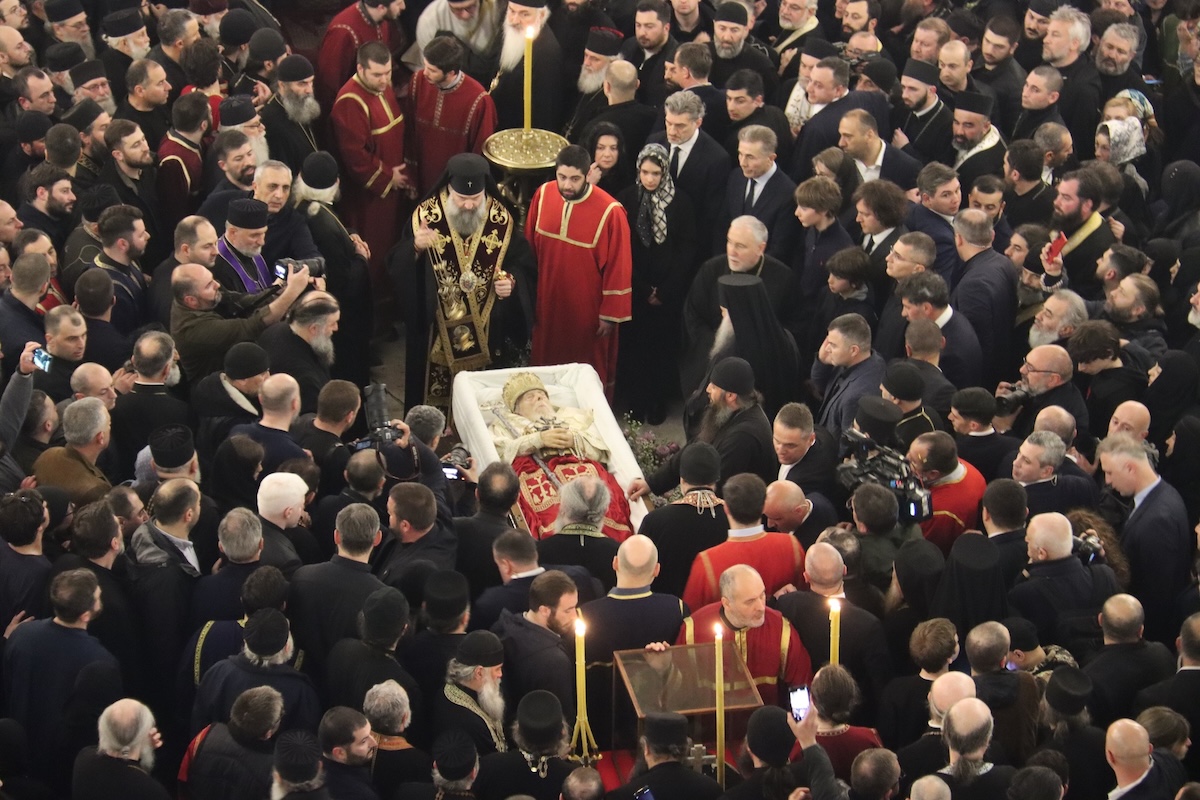
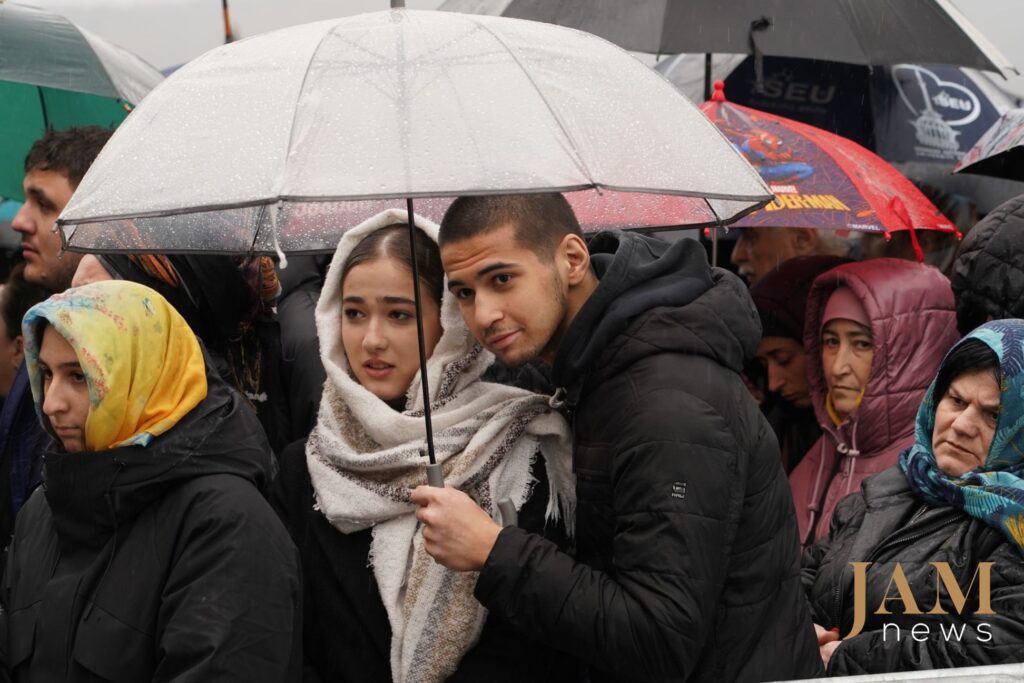
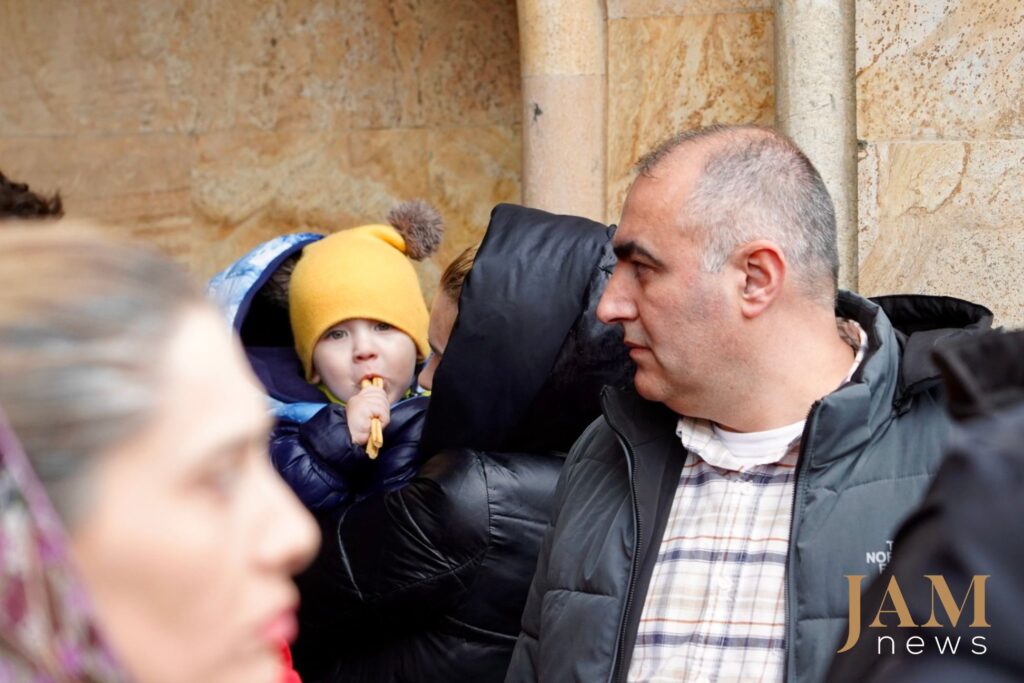
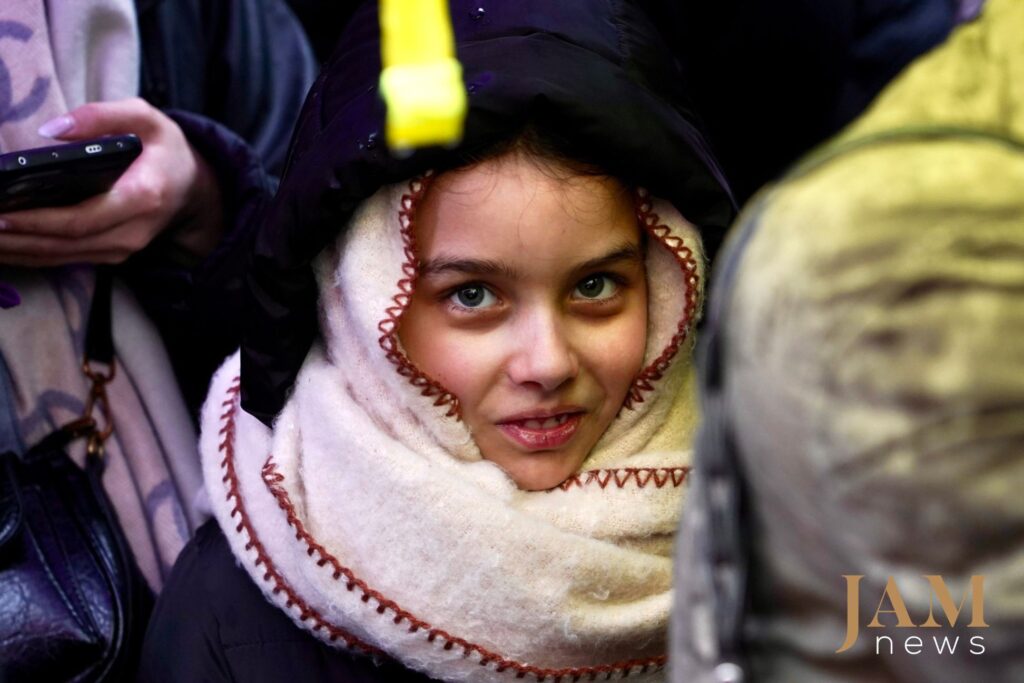
Over the course of three days, tens of thousands of people in Tbilisi have been standing in line for hours to pay their final respects to Catholicos-Patriarch of Georgia, His Holiness Ilia II.
The Patriarch died in hospital at the age of 93 after a prolonged illness. He led the Georgian Orthodox Church for 48 years. The funeral will take place on Sunday, March 22, at Sioni Cathedral.
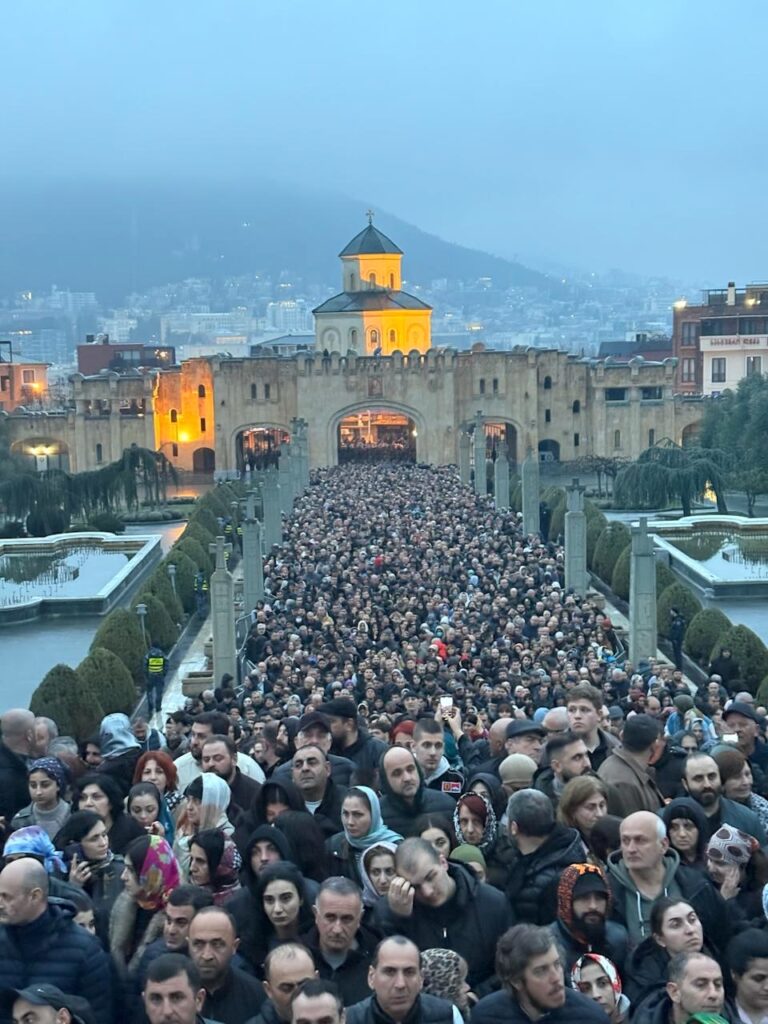
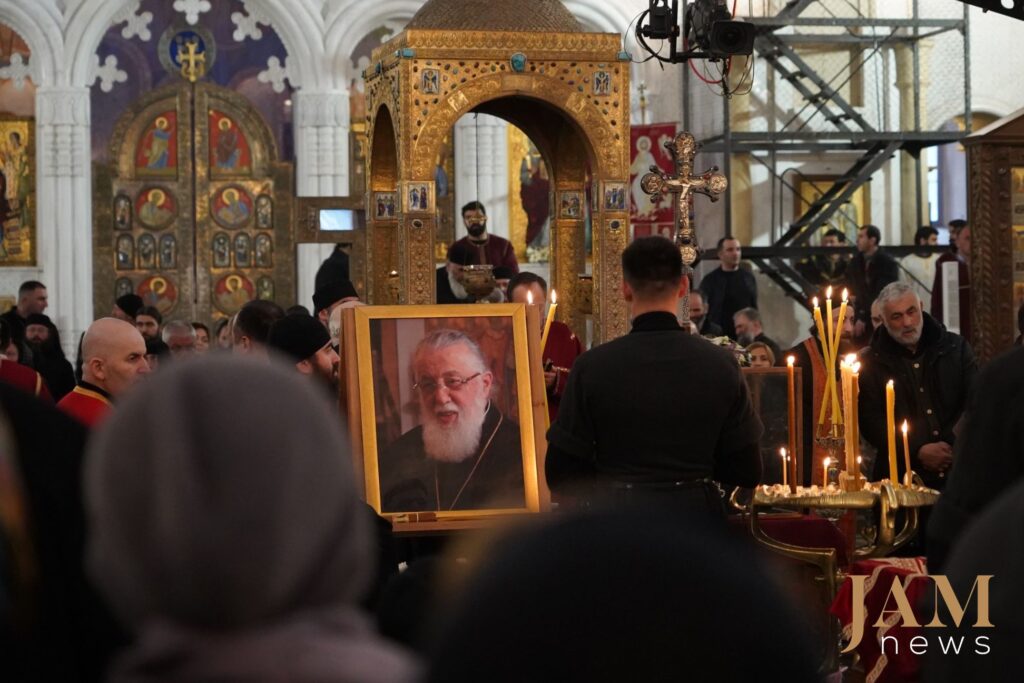
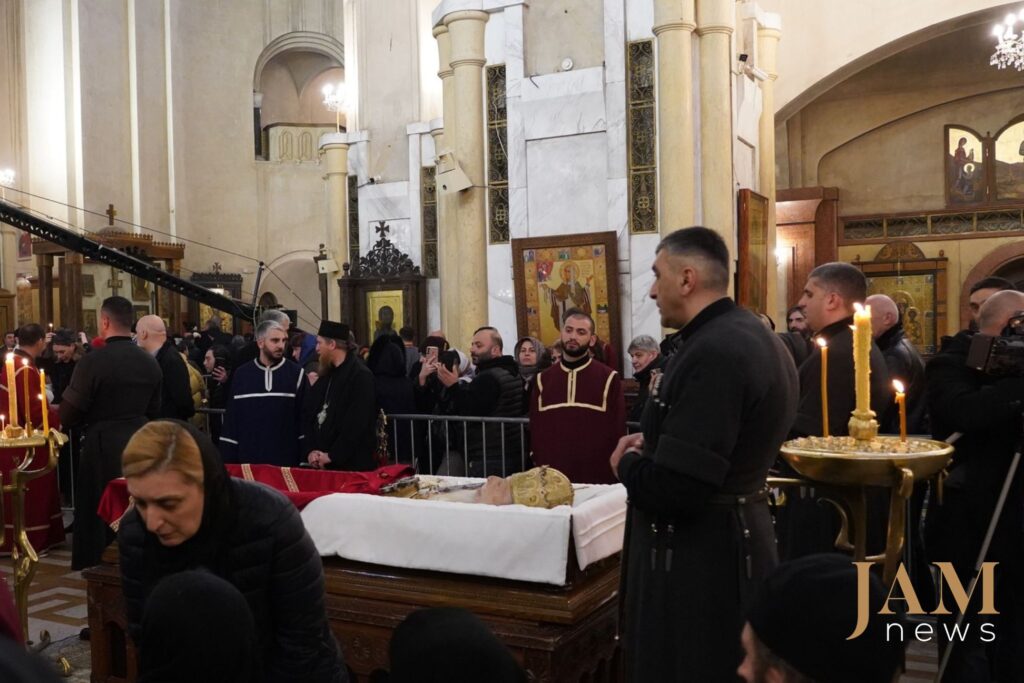
A public memorial service is being held at Sameba Cathedral, which is open around the clock.
The line continues 24/7. On March 19, so many people came that those who arrived in the evening were only able to enter the cathedral at dawn.
The number of people coming to pay their respects to Ilia II has been unprecedented in Georgia. On social media, users say that no event in the country’s history has ever drawn such widespread public attention.
Public transport in Tbilisi is operating on a special schedule these days. Metro station hours have been extended. On March 21 and 22, travel on the metro and buses is free. Trains from major cities across Georgia are also free.
In addition, all municipalities are organizing free buses for regional residents so they can also come to pay their respects to the Patriarch.
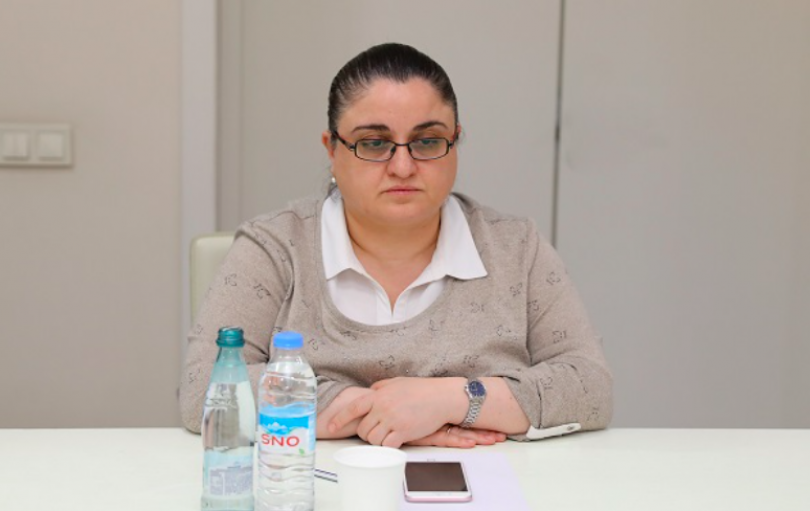
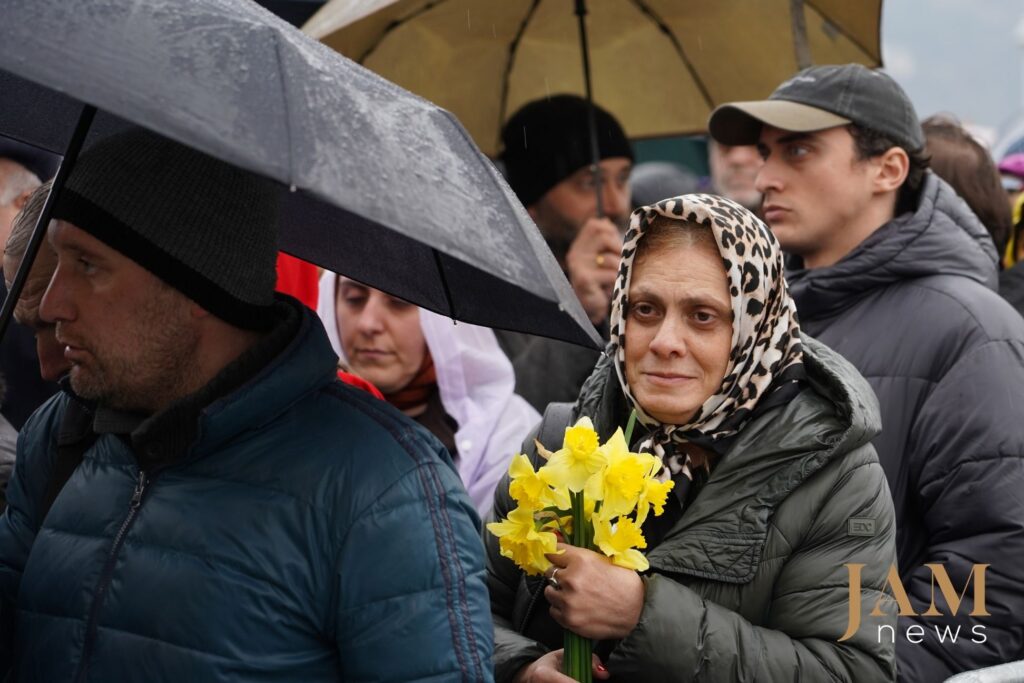
Khatuna Vardanidze, holding yellow daffodils, has been standing in line for more than three hours to pay her final respects to the Patriarch. She says she is a parishioner of the cathedral, has met the Patriarch many times, and that this day is especially difficult for her.
Thousands of people have been walking silently, non-stop for days, along the path up the hill to the church. Along the way, there are often groups handing out free water. One such group told JAMnews that they represent Coca-Cola.
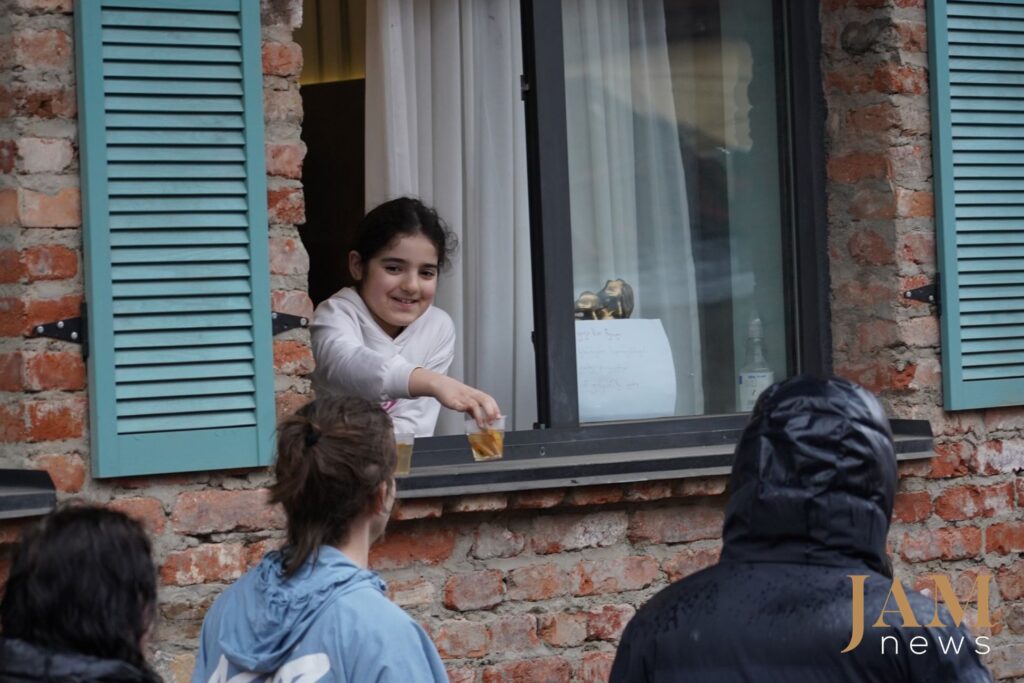
Local residents living on these streets are also offering people water and homemade compotes.
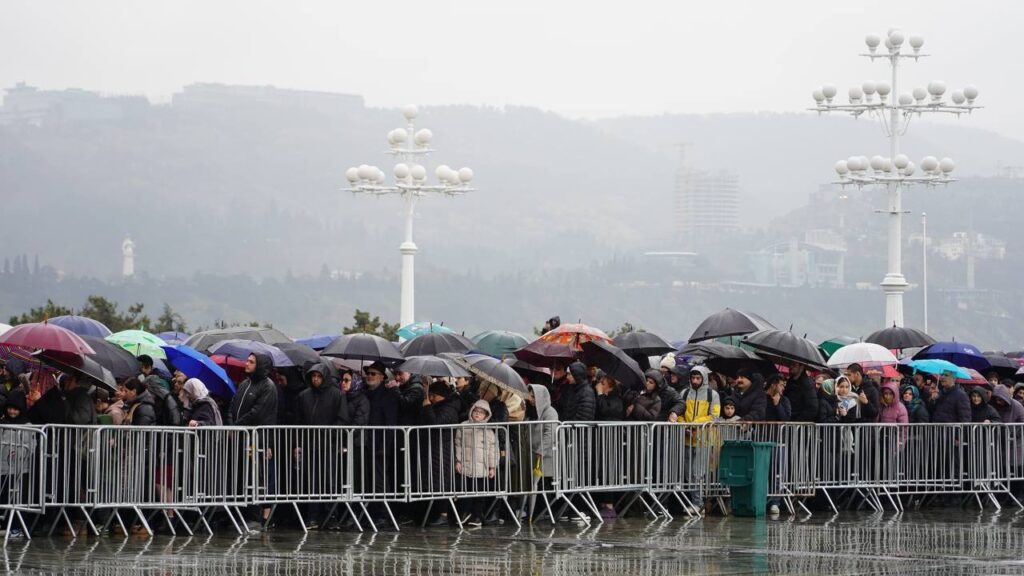
Entry to the church is strictly organized and controlled. The courtyard is surrounded by special metal barriers. Order is maintained not only by police units but also by the army.
People enter the church in two lines and exit in two lines through two separate side entrances. This is the only way to avoid chaos and crowding.
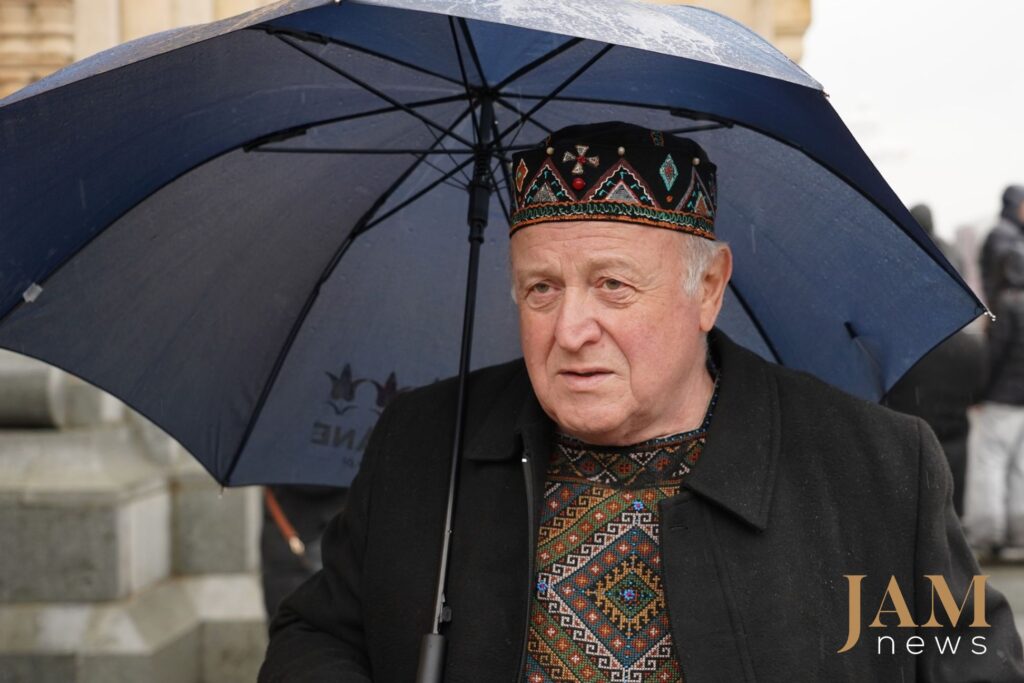
David Rativekov specially chose his outfit for today. His attire was sewn many years ago in the Patriarchate with the blessing of the Patriarch for members of the ensemble “Urmuli.”
Zurab Okropiridze met the Patriarch in 2012, when the Patriarch blessed his family.
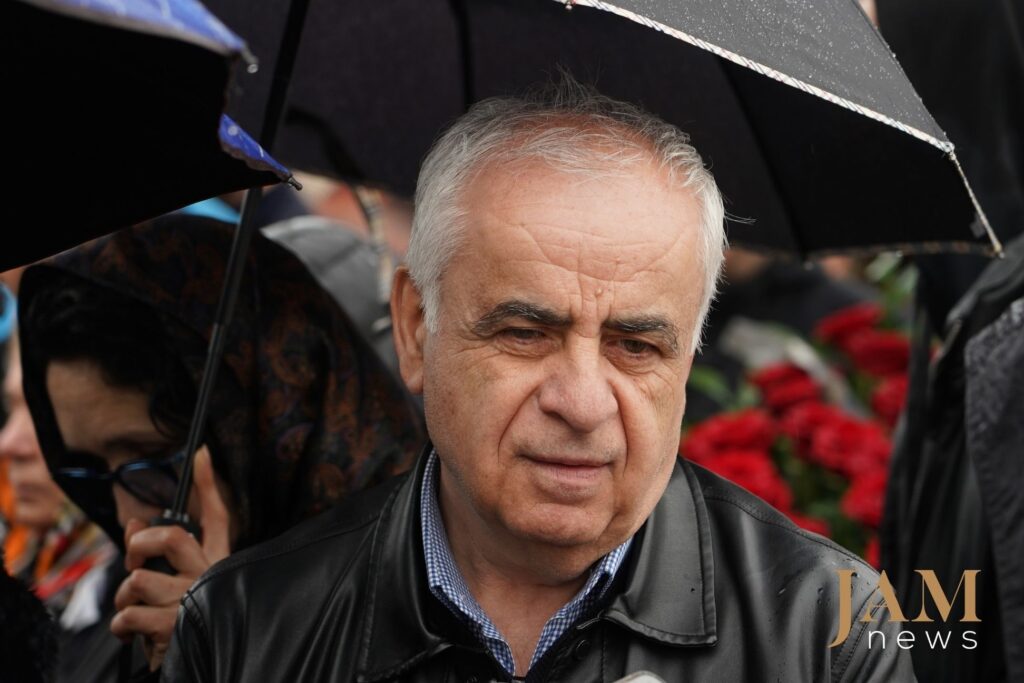
In Georgia, the blessing of family names is associated with the name of Patriarch Ilia II. It is not an official church ritual. People believed that the Patriarch’s blessing had special power, so members of the same family, sharing the same surname, would often go together to the Patriarchate to receive a blessing.
Some of these groups even received a family icon.
Catholicos-Patriarch Ilia II will be buried at Sioni Cathedral on Sunday, March 22, in accordance with his wishes.
On that day, Ecumenical Patriarch Bartholomew is expected to arrive in Georgia. He will come to Sameba Cathedral at 12:00 and, together with senior clergy, will conduct the funeral rites for the Patriarch.
Clergy from many countries are expected to attend the funeral. It is already known that representatives of the Catholic Church, including the Vatican, will also be present.
On Sunday, March 22, entry to the cathedral will be allowed only with special permits. Journalists will not be allowed inside.
Additional traffic restrictions will be in place across Tbilisi on March 21 and 22, covering almost the entire city center.
More detailed information about these restrictions can be found at the provided link.
Mourning days have been declared in Georgia, including March 22, following the death of the Catholicos-Patriarch. Many concerts, performances, and public events have been canceled. Georgian Muslims have also canceled events related to Nowruz and Ramadan, two major Muslim holidays.
News in Georgia