

Opinion: After Moscow Mechanism report, Georgia is unlikely to ban opposition parties






The Moscow Mechanism and Georgia
Conflict analyst Paata Zakareishvili, commenting on the OSCE’s Moscow Mechanism report, said its recommendations are “remarkably strict” and warned that if Georgian Dream fails to implement them, other states could bring a case against Georgia in court. He added that the report provides clear instruments for responding if the ruling party does not comply with the recommendations.
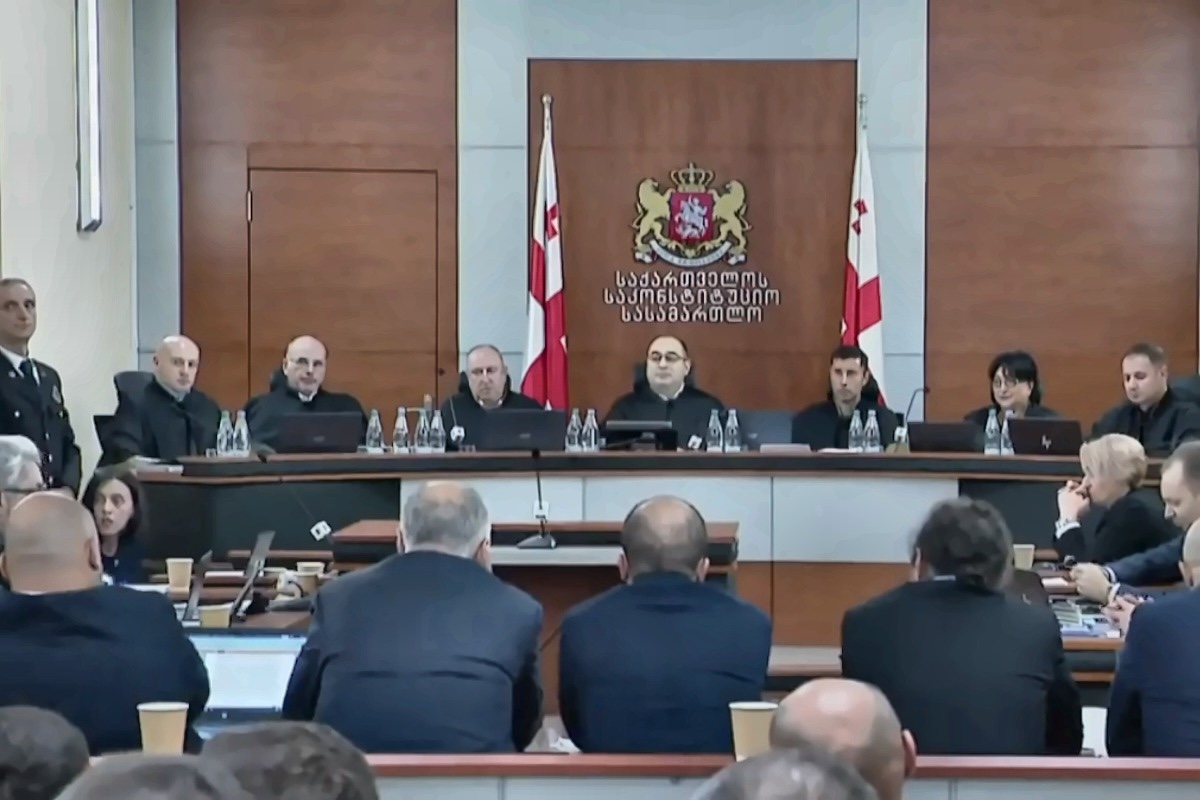
Zakareishvili also believes the Moscow Mechanism report will affect the Constitutional Court’s decision on whether to ban opposition parties in Georgia.
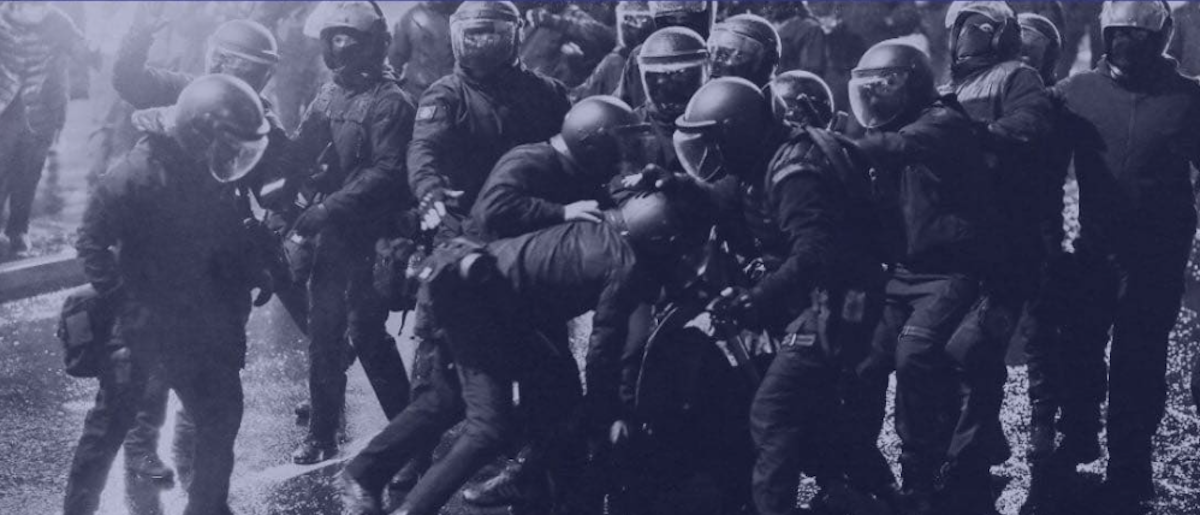
On 12 March, the OSCE’s Moscow Mechanism report was published, pointing to a deterioration in human rights and fundamental freedoms in Georgia. The nearly 217-page document describes developments in the country since early 2024 in detail, including democratic backsliding, human rights violations, pressure on the media, the persecution of protesters and opposition figures, and the adoption of repressive laws. The Georgian government criticised the report, saying it does not reflect the full picture of the country’s political and legal reality. According to Georgia’s permanent representative to the OSCE, Alexandre Maisuradze, the document contains factual inaccuracies, selective interpretations and politically biased conclusions, which, he said, call its credibility into question.
Paata Zakareishvili: “This is indeed an important and principled report. Others have been principled as well, but this one is a real gem in terms of its recommendations. The assessments are strict, but similar conclusions have also been made by other organisations, including the European Union. The document sets out very clear response mechanisms if Georgian Dream fails to implement the recommendations.
The report is very extensive and contains several types of recommendations, and I would advise everyone to read those in particular. They are strikingly strict. If Georgian Dream does not fulfil them, other states will be able to bring a case against Georgia in court.
The reaction of the 24 OSCE member states is remarkable: they are not going to step back, they will adopt this document and use it as a guide for action.
So far, the entire text is directed only at Georgian Dream. Even in the section on sanctions, it clearly states that they should be applied to those individuals who commit crimes. <…> There is no talk of general sanctions.”

“What struck me most was the coincidence that the day before yesterday Lithuania filed a case against Belarus in The Hague. The risks for Georgian Dream are now so high that I think the Constitutional Court will no longer ban opposition parties.
They will not say it is because of the OSCE or the European Union. They will simply say: ‘We are a court, we are independent, we have sovereignty.’ <…>
If the Constitutional Court refuses to abolish the parties following Georgian Dream’s lawsuit, I think it will be due to the influence of the Moscow Mechanism. It will show how ready they are for dialogue.”
The Moscow Mechanism and Georgia