Opinion: 'Georgia must define its position on Iran'






Opinion on Iran from Georgia
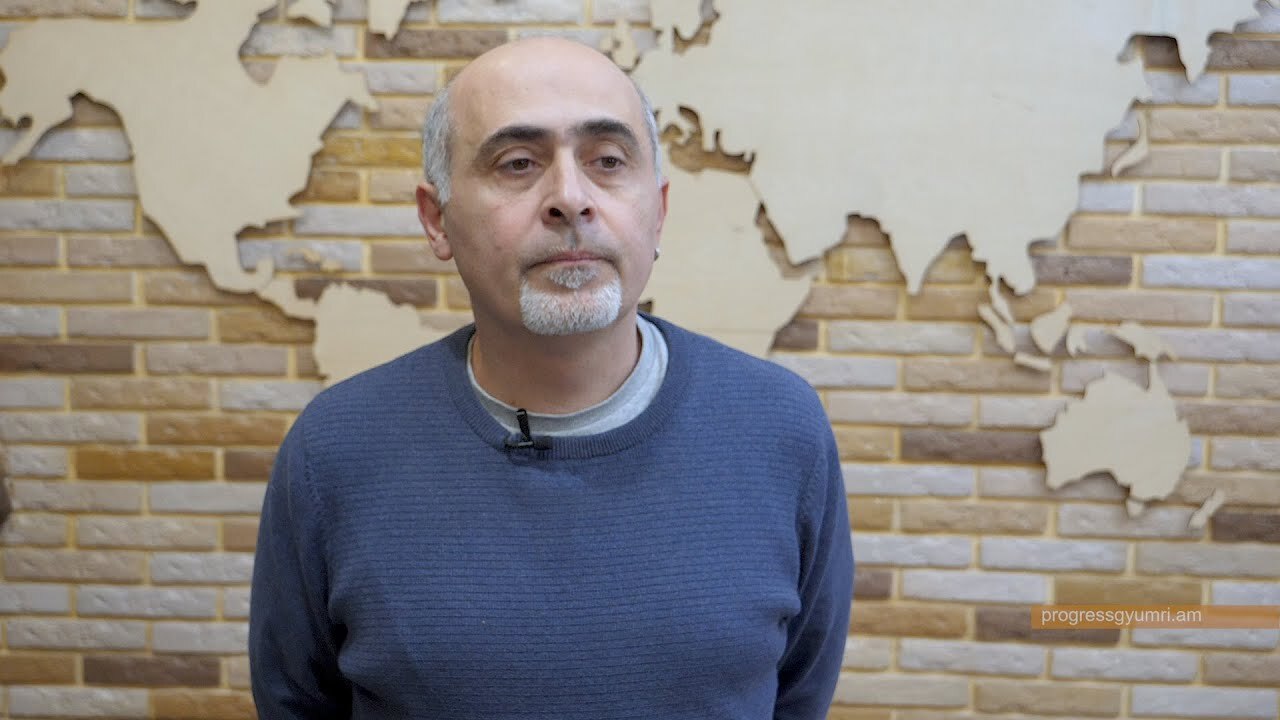
Georgian political analyst Paata Zakareishvili, commenting on developments in the region, said that amid the weakening of international law, Georgia will have to define its position.
According to Zakareishvili, Iran will have to apologise to Azerbaijan for a drone attack on the airport in Azerbaijan’s Nakhchivan autonomous republic.
Otherwise, the analyst said, Azerbaijan could begin bombing Iranian territory and thereby join the Israeli-US alliance.
He said it could not be ruled out that Israel and the United States may send troops into Iran and destroy the headquarters of the Islamic Revolutionary Guard Corps. At the same time, Zakareishvili said that Israel’s military operation in Lebanon aims to eliminate the scattered “metastases” of Iran’s Islamic Revolutionary Guard Corps.
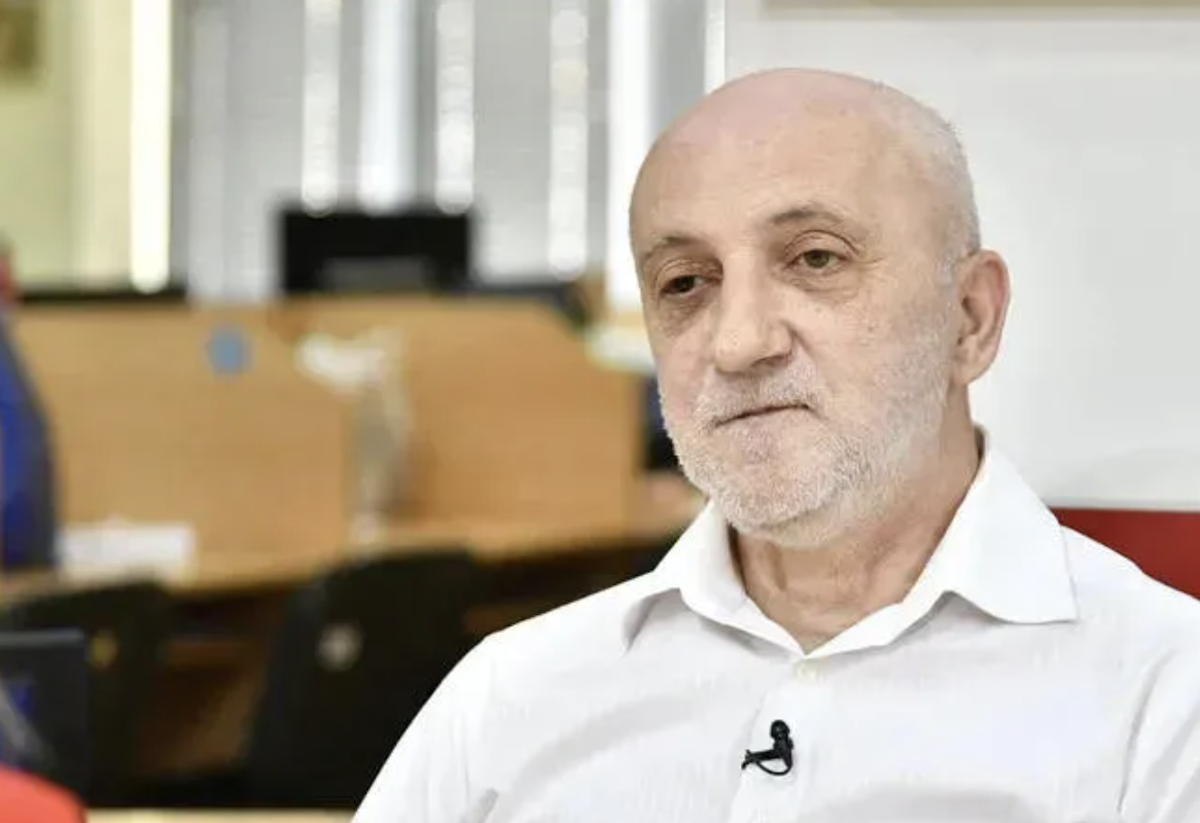
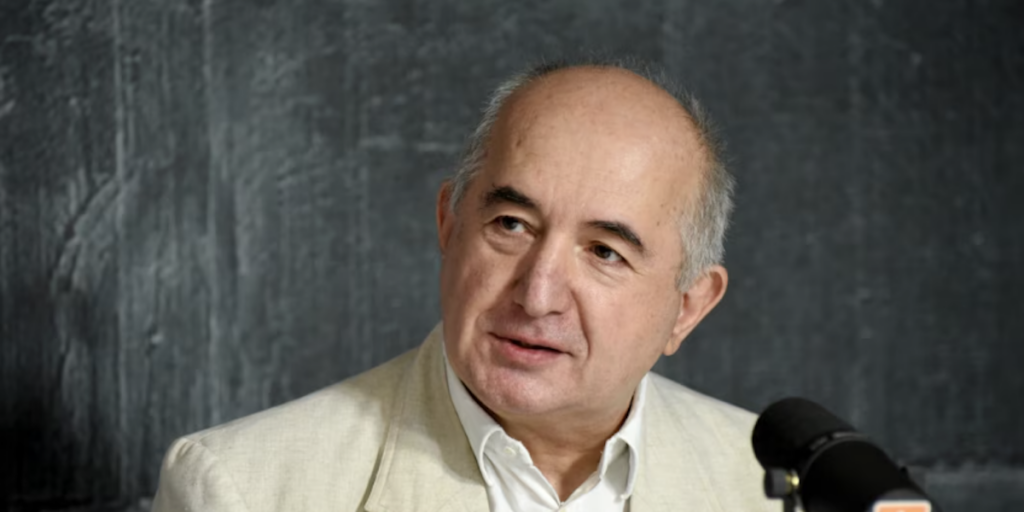
Paata Zakareishvili: “What is happening in the world now is a threat to us. And Georgia has no choice but to determine where it positions itself.
As the saying goes, you cannot go far by merely ‘standing on two feet’ and possessing sovereignty.
nternational law has been shaken, and against this backdrop it is necessary to seek allies.
Georgia has the NATO alliance on its side, represented by Turkey; this alliance is vital for us. Within this alliance we can stand together with the Caucasus mountain range and the Black Sea — two objects of unique geostrategic importance.
The country should also highlight the Azerbaijani-Turkish alliance, thanks to which Azerbaijan speaks with such confidence to Russia and Iran.
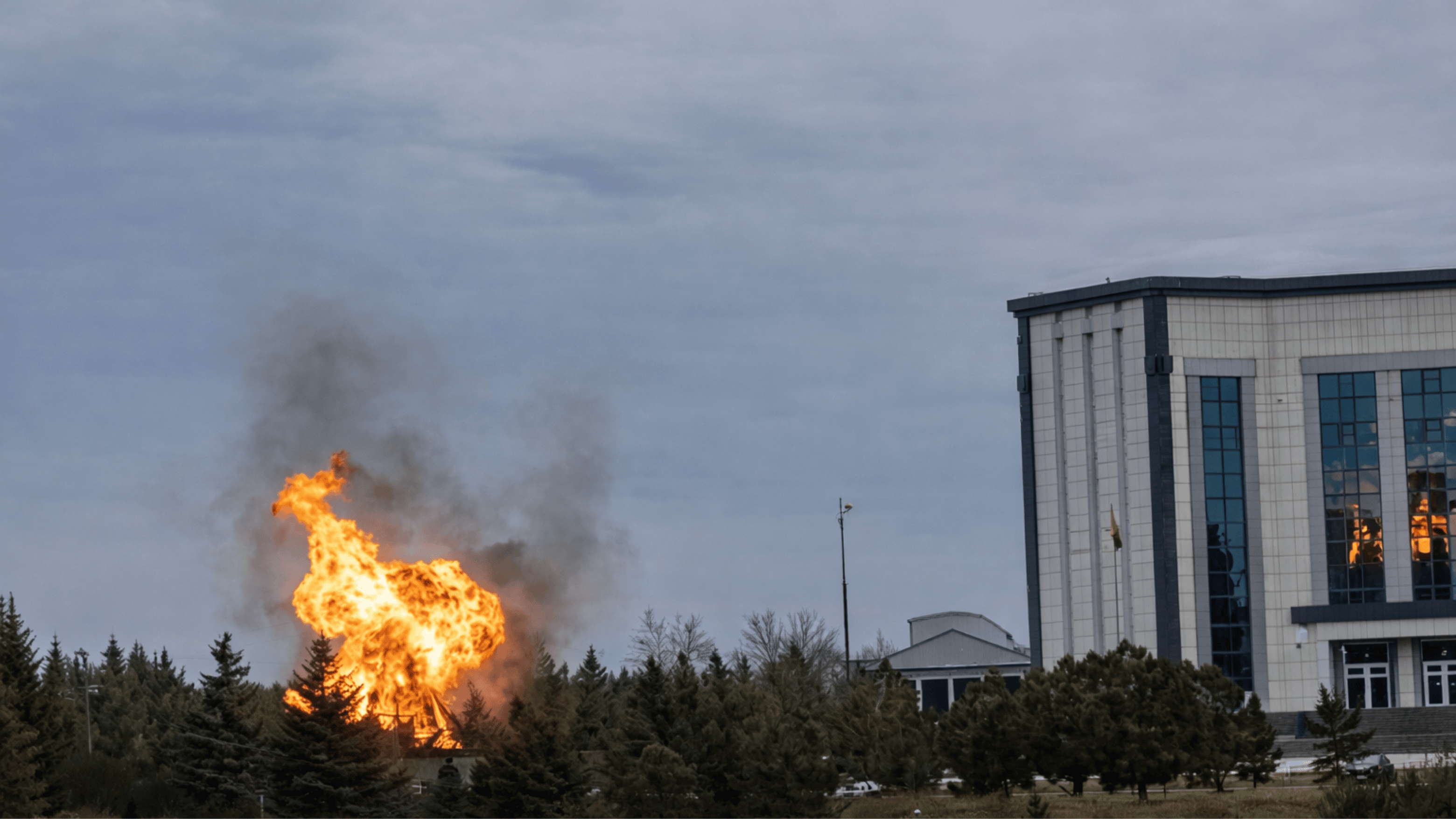
We have heard sharp statements by Azerbaijan regarding Iran. Baku knows exactly that the drones flew from Iranian territory and were aimed at Nakhchivan; a drone cannot accidentally fall on an airport.
It seems someone decided to strike precisely this location. By doing this, Iran is showing that it is resilient and not as vulnerable as some believed.
They also struck Turkey, although this has not yet been confirmed, but Iran has already apologised. They have not done so to Azerbaijan, although it seems Azerbaijan knows exactly that the drones were launched from Iran.
It is important to understand that there is no longer a single leader in Iran, and roles are distributed in such a way that decisions are taken at the local level. <…>
And Iran has clearly shifted its attention to the region; their logic is probably: ‘If we die, let’s take someone with us.’ And that will cost them dearly.
Against this backdrop we close our eyes and say: our sovereignty is above all. This is not funny; it is anti-state behaviour.
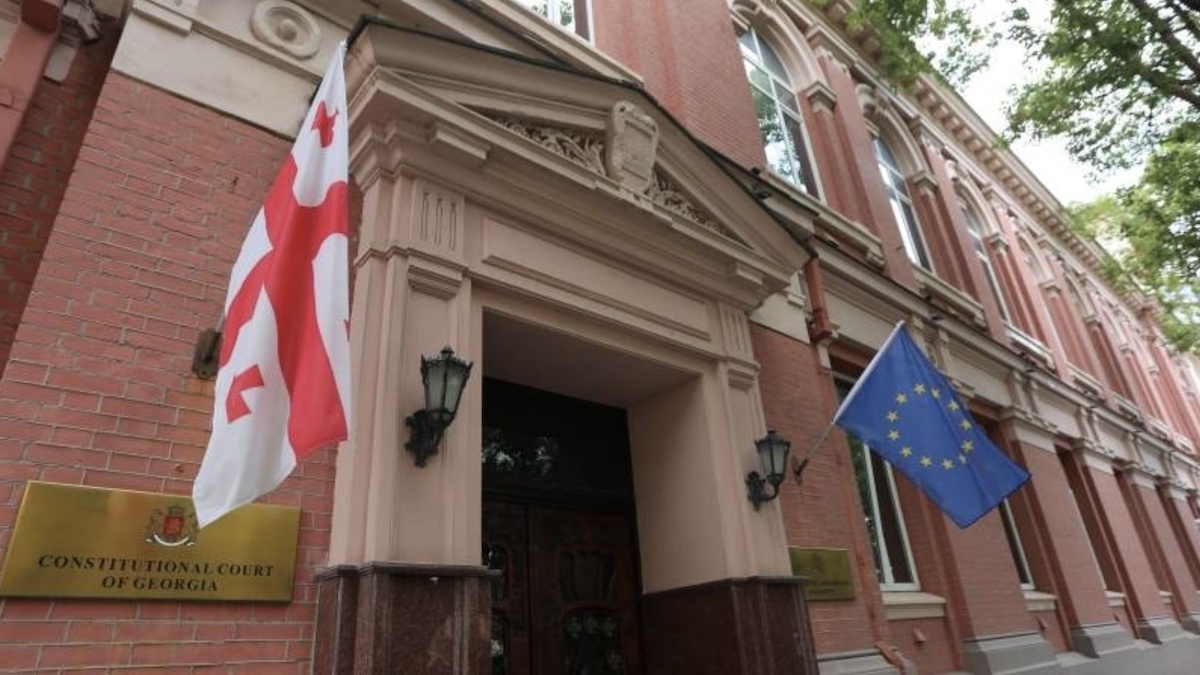
Georgia’s leaders spoke out about the drone attack on Azerbaijan because we depend on that country and were forced to express solidarity.
But Georgian politics has become so paralysed and degraded that the appearance of such activity is already laughable and means nothing.
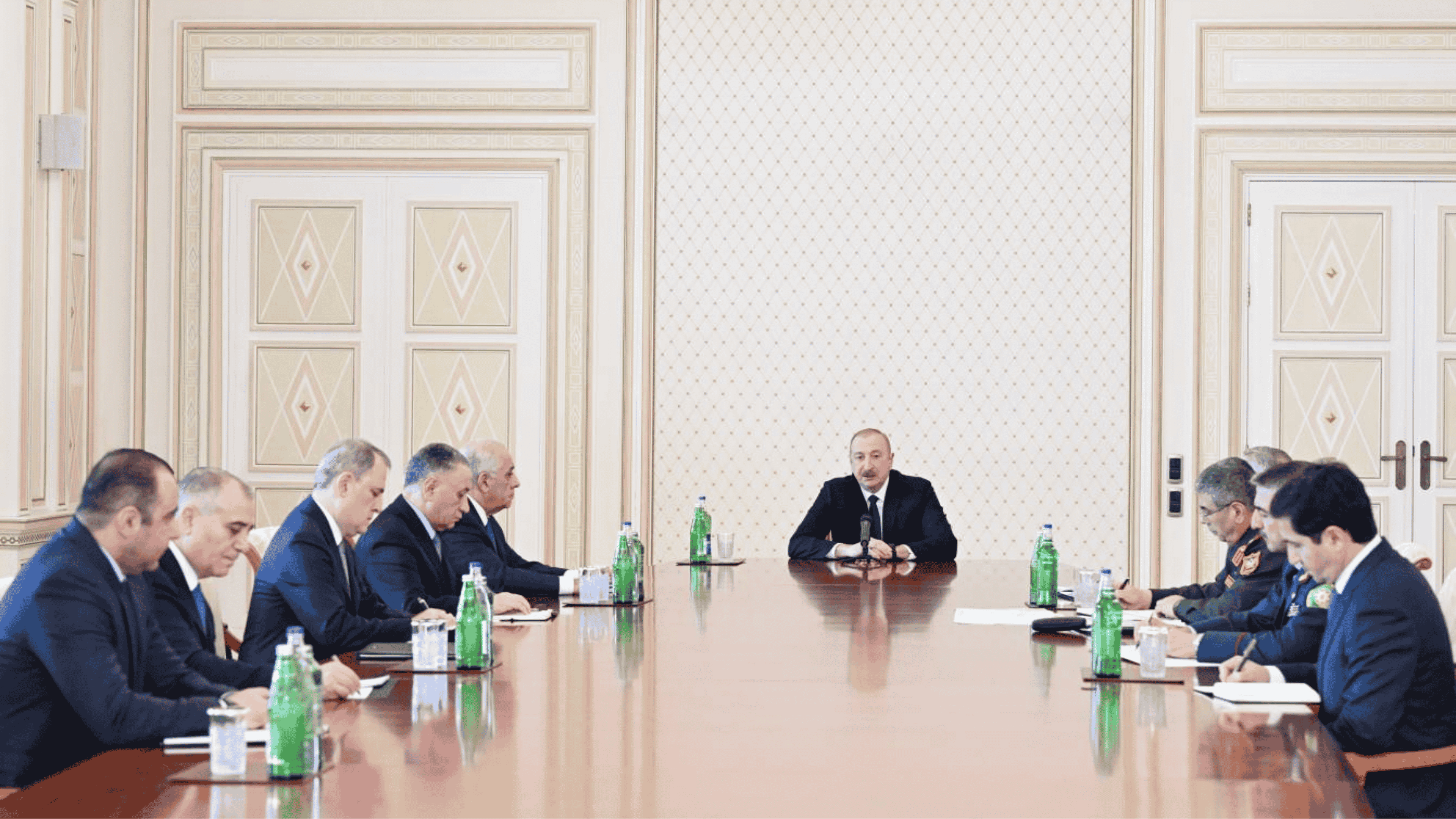
What may happen next around Iran
Azerbaijan is ready for any outcome. Iran must give a clear response in the form of an apology. But if this does not happen, Azerbaijan may have to carry out some strikes in order to maintain its dominant role in the region and join the Israeli-US alliance. <…>
However, Baku would very much prefer not to bomb Iran because a large number of Azerbaijanis live there.
It has turned out that simply eliminating leaders in Iran has not produced results, because Iran is not Venezuela.
Israel does not have an army large enough to enter Iran; only the United States has such forces. It cannot be ruled out that joint US-Israeli special forces could enter Iranian territory, destroy the headquarters of the Islamic Revolutionary Guard Corps, and then announce: “We have done it.”
The second stage of actions by Israel and the United States would involve locating and destroying missile launchers in Iran. <…> It would also be necessary to determine where nuclear materials are stored and how much of them could be removed.
There are about three hundred ayatollahs in the world, and most of them must choose Iran’s Supreme Leader. Many of them oppose the current system of governance in Iran and consider it unacceptable for religion to govern the state. If they find someone resembling an ayatollah capable of reform, they should abolish the Assembly of Experts and allow parliament and the president to manage the situation. In ten years, this could produce a model democratic Islamic state.
One of the centres of the Iranian threat was located in Lebanon, and yesterday the Lebanese government banned the presence of the Islamic Revolutionary Guard Corps on its territory. Israel acknowledges that it cannot cope with Iran alone and is trying to destroy its “metastases”. Israel cannot create a zone of comfort and remains under suspicion in the Arab world.
The bombing is costing Israel 3 billion dollars a day, which represents a serious challenge for the country. At the same time, this war is unpopular in the United States, and Donald Trump is facing elections. A new generation is emerging in the US for whom Israel is not popular. Taking these factors into account, we may face a new reality in the Middle East in about 15 years.
In Shiism, the most prominent religious authority is Ali al-Sistani, who is based in Najaf, Iraq. The state does not concern him; he could say: “Appoint this person in Iran,” and that person would be appointed — Trump could not say such a thing. Ali al-Sistani would have to say: “This person will become a normal ayatollah in Iran,” and perhaps such an “Ayatollah-Gorbachev” would carry out the reforms that Iran needs.”