UK envoy summoned to Georgia’s foreign ministry






UK envoy summoned to Georgian foreign ministry
The UK’s decision to impose sanctions on two pro-government Georgian television channels, TV Imedi and POSTV, has further heightened diplomatic tensions between Tbilisi and London, with the British ambassador to Georgia, Gareth Ward, summoned to the foreign ministry.
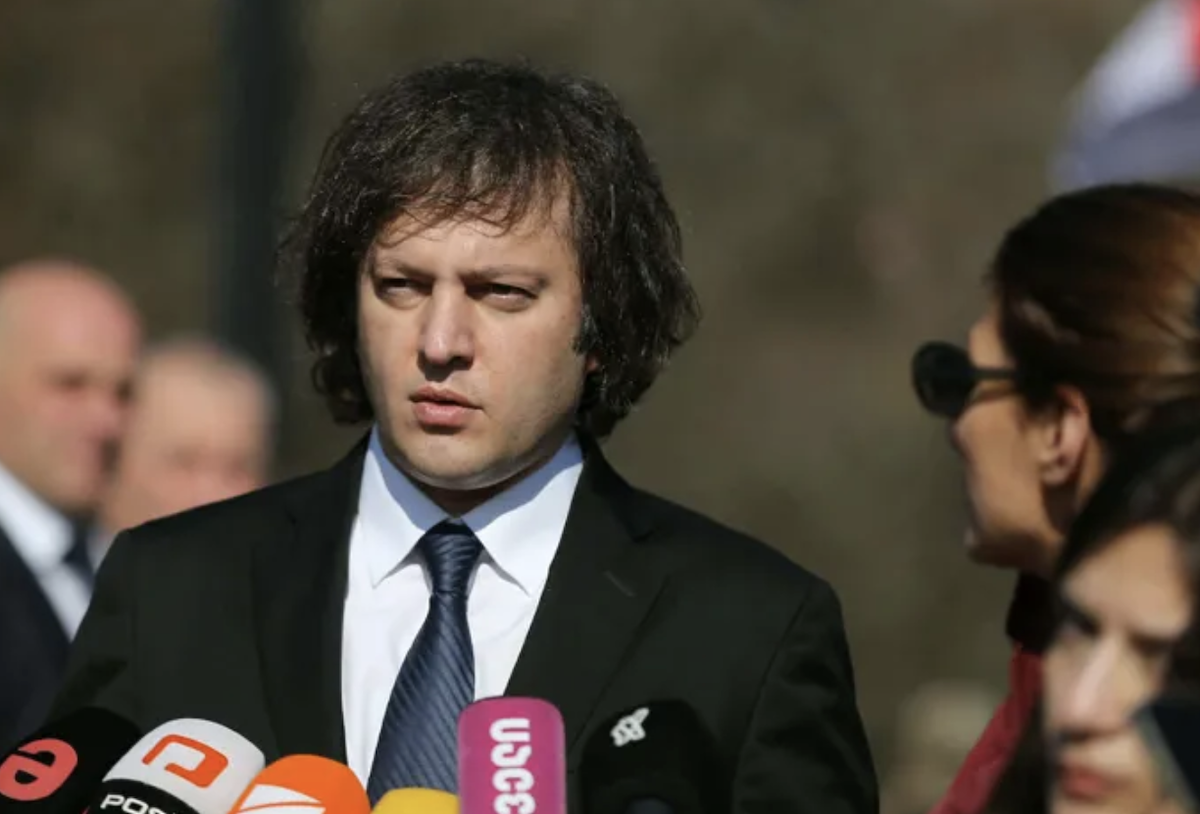
After the meeting, Foreign Minister Maka Bochorishvili issued a statement describing the British decision as “groundless” and “based on unfounded assessments”.
She said the Georgian foreign ministry had asked the ambassador to clarify what the decision taken in London had been based on.
“I have not seen any evidence or any document that would justify this decision. Nothing specific was presented,” Bochorishvili said, adding that during the 40-minute meeting she had not heard a single argument that could serve as grounds for sanctions.
The minister also highlighted allegations which, she said, had formed the basis of the British assessment — including claims that Georgia was allegedly strengthening Russia while weakening Ukraine.
“These are accusations we do not share,” Bochorishvili said.
The British ambassador, meanwhile, declined to comment to the press after the meeting.

On 24 February, the UK imposed sanctions on the Georgian television channels TV Imedi and POSTV under its Russia sanctions regime.
According to the British government, the broadcasters had regularly promoted narratives portraying Ukraine’s authorities and president as illegitimate, describing the country as a “Western puppet” and accusing Kyiv and its Western allies of attempting to destabilise Georgia.
The measures against TV Imedi and POSTV include asset freezes, a ban on trust services and director disqualification orders.
This means that:
- Any bank accounts, property or other assets held by the broadcasters within UK jurisdiction will be frozen. Banks linked to the UK — including branches operating abroad — are required to cease providing services to the companies.
- The ban on trust services prohibits asset management through trustees or foundations, preventing concealed ownership through British jurisdictions. Company owners will not be able to transfer shares into trusts in order to avoid confiscation or asset freezes.
- Director disqualification orders formally prohibit specific individuals from holding senior management positions. The restrictions apply not only to British nationals managing the companies, but also prevent sanctioned directors themselves from holding comparable roles in any company governed by UK law. Violating the ban constitutes a criminal offence.
UK envoy summoned to Georgian foreign ministry