'Georgian government has effectively reversed its European course', EU foreign affairs committee report says






EU report on Georgia
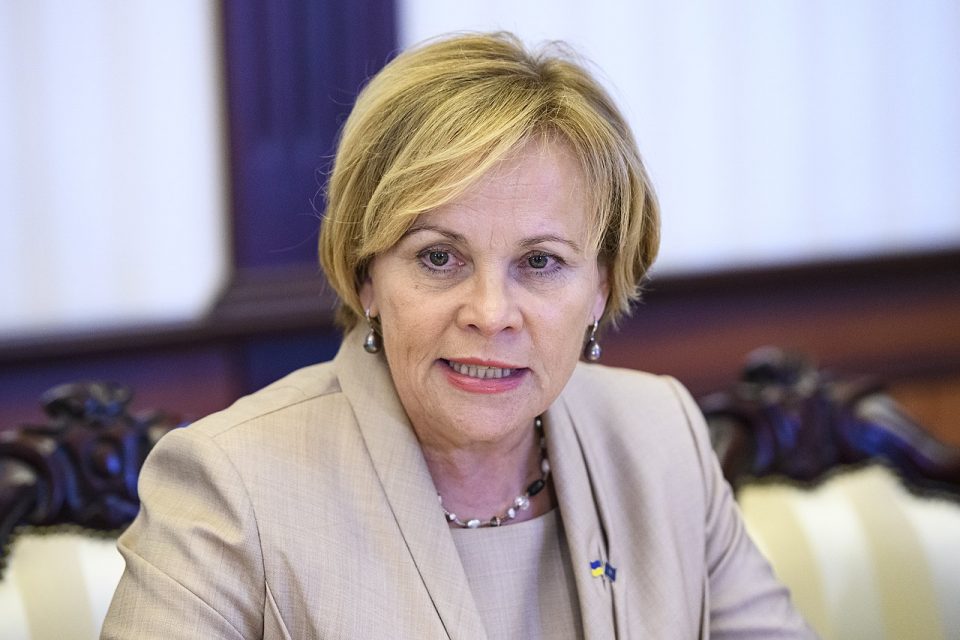
“Georgia’s ruling Georgian Dream party has not only suspended the country’s course towards European integration but has effectively reversed it,” according to a report prepared by European Parliament member Rasa Juknevičienė, which is set to be presented to the European Parliament’s Committee on Foreign Affairs on 25 February.
The report, which assesses the state of democracy in Georgia, expresses full solidarity with the Georgian people and describes an environment in which “democratic regression, repression, hostile rhetoric, disinformation and threats” have become a consistent policy of the authorities. According to the document, backsliding has been recorded across all nine priorities set for Georgia to obtain European Union candidate status.

The report is particularly critical of public statements by the ruling Georgian Dream party claiming that Georgia’s integration into the European Union remains its main priority. The author describes such statements as “absurd”, arguing that government representatives and pro-government media have been spreading “manipulative narratives, disinformation and conspiracy theories” targeting EU institutions and diplomats.
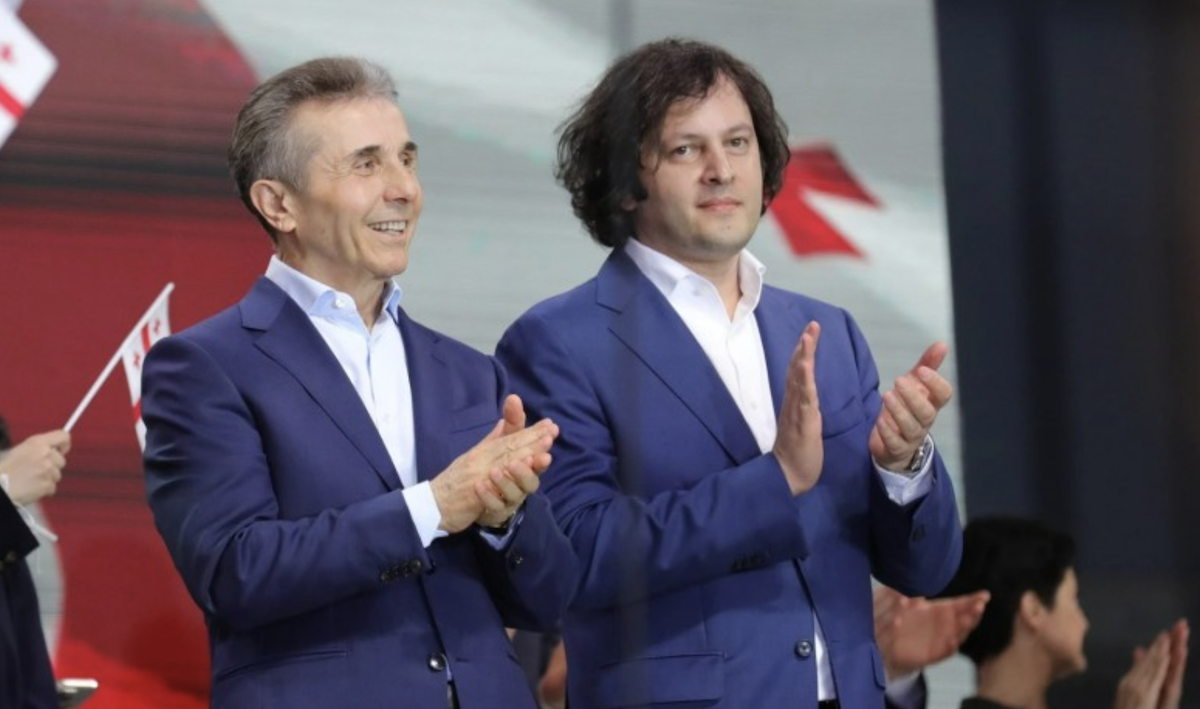
The report also claims that following the alleged falsification of the October 2024 parliamentary elections, the Georgian authorities “further intensified their movement towards full authoritarianism”. In this context, it supports the introduction of targeted sanctions by the European Union and its member states against the party’s founder Bidzina Ivanishvili, as well as senior members of the ruling team, judges and prosecutors held responsible for democratic backsliding and human rights violations.
The document further states that “engagement with the Georgian authorities is impossible” unless what it describes as a repressive and anti-European course is changed.
The report expresses concern over the municipal elections held on 4 October 2025, which were boycotted by most opposition parties. It also criticises amendments to the Electoral Code that it says created additional obstacles for local election observers and media organisations.
Particular attention is given to amendments to the Law on Grants announced in January 2026, which significantly broaden the definition of a “grant” and make receiving foreign funding without prior government approval a criminal offence. According to the report, these measures point to a systematic restriction of civil society and independent media. The document also once again calls on the Georgian authorities to immediately release all political prisoners and those it describes as unlawfully detained.
The report condemns the prosecution of political opponents and violence against them, and raises concerns over a constitutional lawsuit filed by 88 members of parliament seeking to have three major opposition parties declared unconstitutional.
The report also notes that, due to opposition from Hungary and Slovakia, the European Union has so far failed to introduce targeted visa restrictions. However, it warns that if democratic backsliding continues, the visa-free regime for Georgian citizens could be suspended altogether.
According to the document, Georgia’s alignment with EU foreign policy has fallen to 40%, with Tbilisi increasingly diverging from international initiatives aimed at supporting Ukraine. The report urges the Georgian authorities to prevent the country’s territory from being used to circumvent European Union sanctions.
It further argues that after moving away from its Euro-Atlantic integration course, the ruling party has deepened cooperation with China, Russia and Iran.
In conclusion, the report once again strongly condemns Russia’s occupation of Georgia’s regions of Abkhazia and South Ossetia, as well as the ongoing process of “borderisation”, describing it as a violation of Georgia’s sovereignty and territorial integrity.
EU report on Georgia