Abkhaz opposition leader Eshsou Kakalya wounded in attack






In Abkhazia, the opposition leader was shot
In Abkhazia, on the afternoon of February 21, opposition leader Eshsou Kakalya was wounded. Local media report that the attack was carried out by relatives of the head of the presidential administration.
Details of the incident are scarce. It is known that the politician was attacked on Saturday afternoon near the railway station in Sukhum, where he was beaten and shot in the leg.
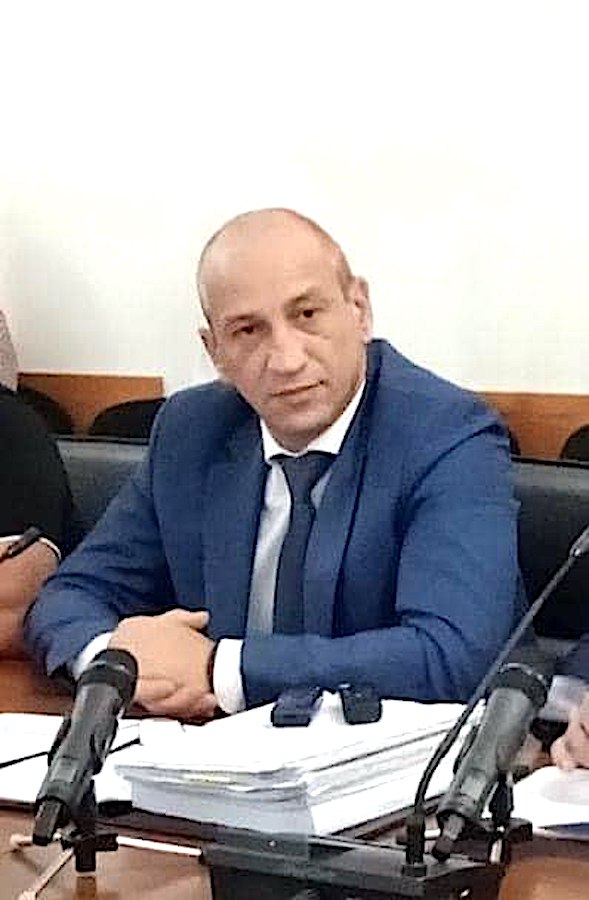
According to Health Minister Eduard Butba, Eshsou Kakalya was admitted to the hospital with gunshot wounds to his knee joint and the middle of his thigh.
Kakalya was also diagnosed with a closed head injury.
Opposition media report that, preliminarily, the attack was carried out by the nephews of the head of the presidential administration, Beslan Eshba, although the names of those involved have not been specified.
A few days before the attack, Kakalya – formerly deputy prosecutor general of Abkhazia and now deputy chairman of the opposition group Aydgylara – had publicly accused Beslan Eshba.
He claimed that under Eshba’s leadership, Russian political consultants were operating illegally in Abkhazia. Opposition activists, including Kakalya himself, discovered them on November 5, three days before local elections.
As a result of that incident, in early February, Kakalya and six other Abkhaz opposition figures were arrested in absentia by a Russian court.
The Russian Investigative Committee charges them with assaulting and robbing three Russians.
- Russian court orders in-absentia arrest of an Abkhazian MP and six other opposition figures
- Opinion: Why an Abkhaz passport loses out to a Russian one
- Abkhaz opposition calls for government purge of allies of former president
In response to the Russian court’s actions, Abkhaz authorities opened their own criminal case, which has its own complexities.
In particular, the case targets not only opposition figures but also the Russian political consultants.
The Russians have been officially placed on the wanted list, while some opposition activists are under house arrest. The rest, including Kakalya, have been barred from leaving the country.
The opposition considers the criminal case politically motivated.
On February 16, at a joint briefing of leaders from all opposition groups, a resolution was adopted calling for the resignation of presidential administration head Beslan Eshba and Interior Minister Robert Kiut.
The opposition argues that keeping these two officials in power fuels domestic political tension in the republic and hinders normal dialogue between the authorities and the opposition.
The terminology, place names and views expressed in this article are those of the author and do not necessarily reflect the editorial position of this website.
News in Abkhazia