What's next for Armenians imprisoned in Azerbaijan — and could Ilham Aliyev release them?






Armenians held in detention in Azerbaijan
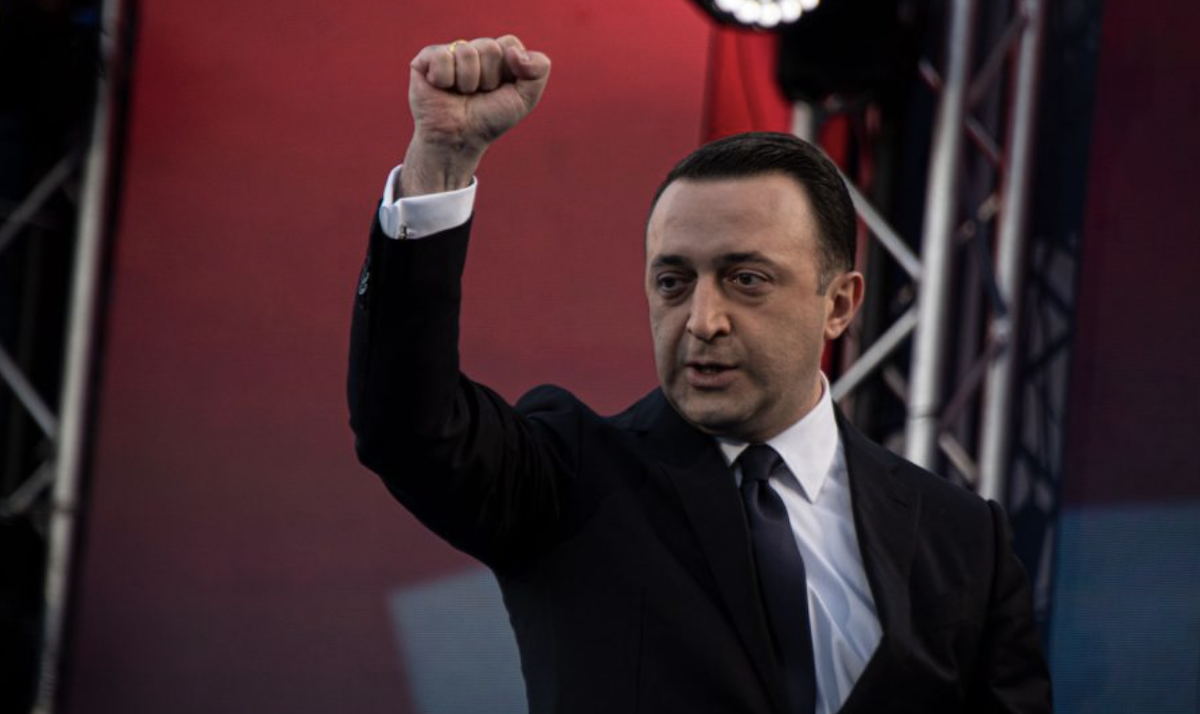
Armenian parliament speaker Alen Simonyan has said that “negotiations will not stop until the last Armenian prisoner is returned”, a position that differs sharply from that of Azerbaijani President Ilham Aliyev.
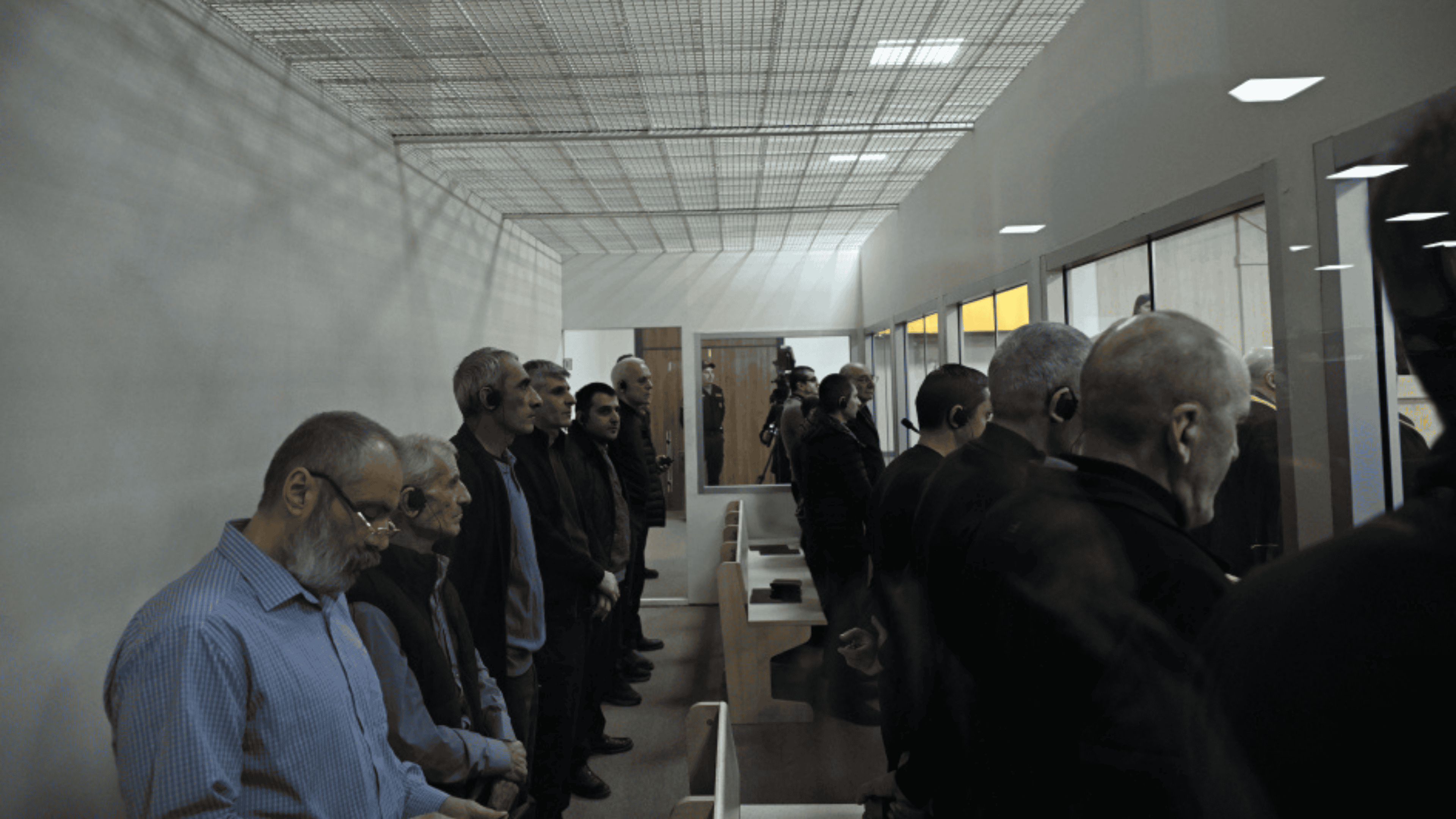
Simonyan said that at one point the number of people of Armenian origin held in Azerbaijan had approached 200, but that most had since been released through negotiations. He added that the process would continue until the final detainee was returned. Nineteen people of Armenian origin are currently being held in custody in Azerbaijan.
Among them are former leaders of the Karabakh administration, including Ruben Vardanyan, Arkadi Ghukasyan, Bako Sahakyan and Arayik Harutyunyan, who face accusations of mass killings and terrorist acts against civilians during the war. They have been charged with serious offences, including genocide and terrorism. Public opinion in Azerbaijan largely holds that their release is unlikely.
In an interview with France 24 broadcast on 13 February, Ilham Aliyev said the issue of pardoning Armenian detainees was not on the agenda, stressing that those held had “committed crimes against national security and humanity”, and comparing them to Nazi leaders tried at the Nuremberg Tribunal.
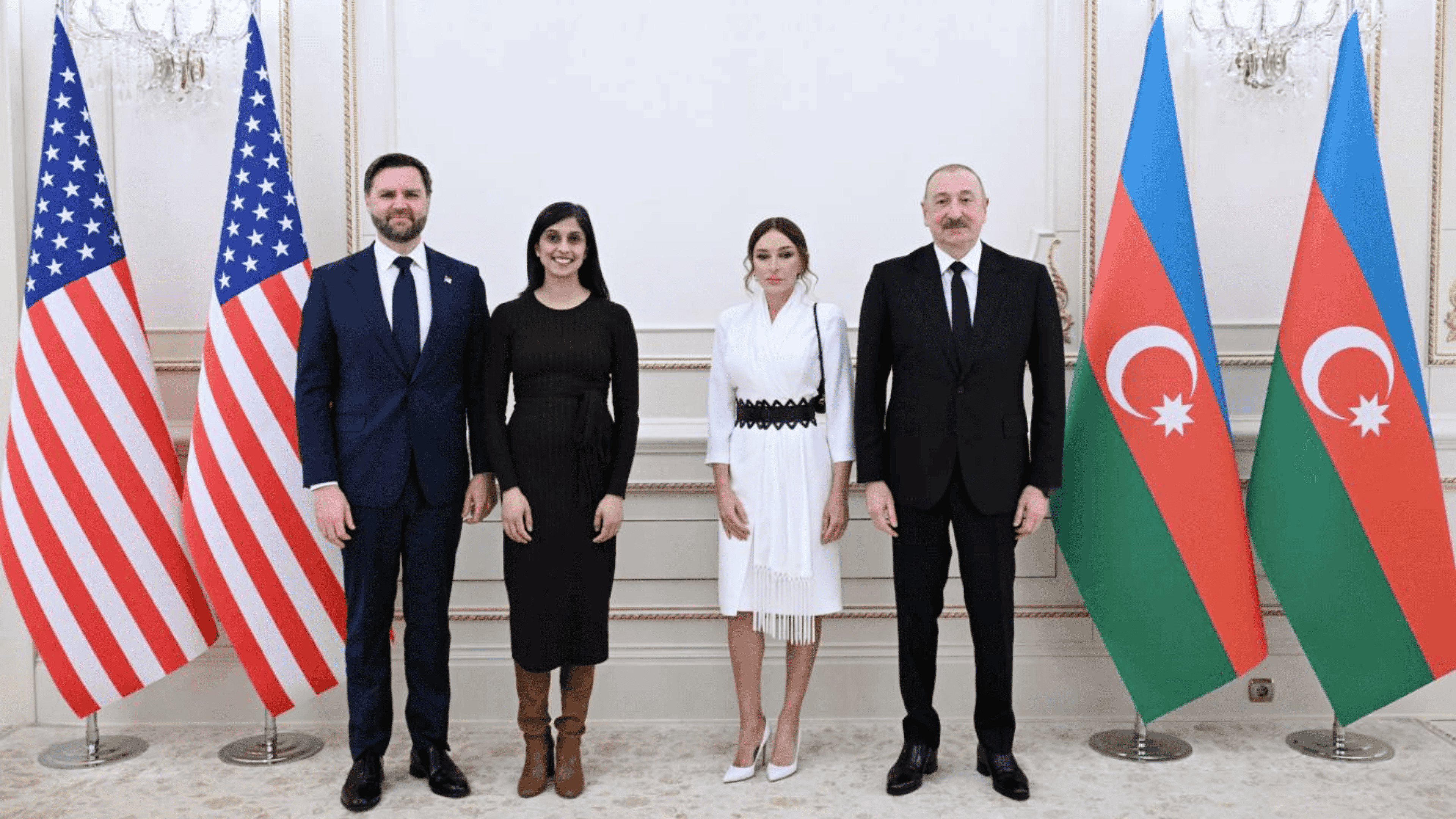
He also said that during a visit by US Vice-President James Vance he had rejected a proposal to release the prisoners and set out his position on the matter.
The conflicting statements have once again raised questions about the prospects for the peace process and whether the Armenian detainees could ultimately be released.
The terms and place names used in this JAMnews article, as well as the opinions and ideas expressed, reflect solely the position of the author or the specific community concerned and may not coincide with the views of JAMnews or its individual staff members.
Who is being held and why are they not being released?
Some of the people of Armenian origin currently held in Azerbaijan were detained after the 2020 war and are mainly accused of war crimes, terrorism, sabotage, and espionage.
Ruben Vardanyan, the former state minister of the self-proclaimed Nagorno-Karabakh Republic, has been sentenced to 20 years in prison. He faces charges including extortion, war crimes, the creation of illegal armed formations, and terrorism.
In January, Azerbaijan handed over four prisoners to the Armenian side — Vagif Khachatryan, Gevorg Sujyan, David Davtyan, and Vigen Euljekchyan. Each had previously been sentenced to various prison terms.
However, the move drew significant criticism in the public sphere. On social media, some users described the release of Khachatryan — accused of involvement in the 1991 Meshali massacre — as a “double standard”, noting that political prisoners inside the country remained in custody.
The authorities, for their part, insisted the release had been carried out on humanitarian grounds and circulated an anonymous statement saying no further releases were planned.
Explaining why he does not intend to free the remaining detainees, President Aliyev has accused them of committing “unimaginable atrocities” against civilians during the war and stressed that pardoning them would undermine the legal system.
In his view, such acts require strict punishment and should not allow Armenia’s leadership to “avoid responsibility for the mistakes of the past.”
International pressure and the context of the TRIPP project
Mediators in the peace negotiations, particularly the United States, believe humanitarian gestures are key to resolving the conflict. During a visit to Baku, US Vice-President James Vance, representing Donald Trump’s administration, said the release of detainees was important for building confidence in the peace process and a necessary step toward expanding economic cooperation under the “Trump Route for International Peace and Prosperity” (TRIPP) project.
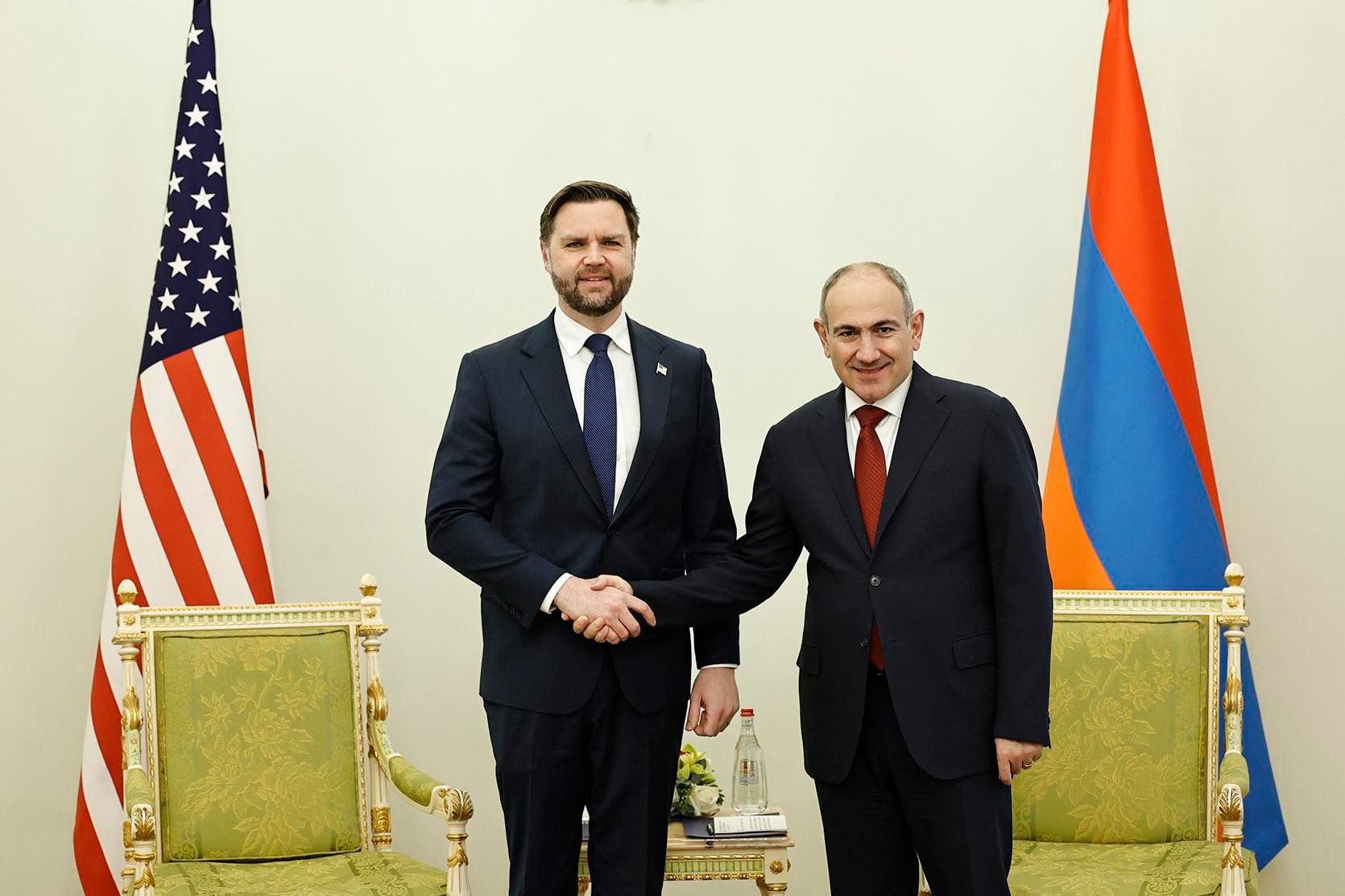
According to his press secretary, Vance discussed economic initiatives and confidence-building measures with the Azerbaijani side, including the release of prisoners. Armenian Prime Minister Nikol Pashinyan also confirmed that the issue of detainees had been raised during Vance’s visit and remained constantly on the agenda.
A US State Department document published in January outlining the framework for implementing TRIPP emphasises plans to open a multimodal transport corridor through Armenian territory linking Azerbaijan with Nakhchivan, based on the principles of sovereignty and mutual respect between the two countries.
The project envisages expanding Trans-Caspian trade, developing the regional economy, and increasing the participation of American businesses.
Azerbaijan’s motivations
It appears that the detainees are being used as bargaining leverage.
The Azerbaijani government views Armenian prisoners as a potential “exchange resource”, and previous releases have also taken place at specific stages of the negotiating process.
Some experts believe that the release of four prisoners on the day a document on the implementation of TRIPP was signed at the initiative of the United States was intended to demonstrate progress in the peace process to Armenian society. Further releases at later stages cannot be ruled out.
Public rhetoric has also fuelled such assumptions. Conflict analyst Arif Yunus has suggested that even former leaders sentenced to life imprisonment could eventually be released, as Azerbaijan may have little interest in keeping them in custody if significant concessions are secured.
Possible conditions
Following the signing of the 2020 ceasefire statement, Azerbaijan has demanded that Armenia proceed with border delimitation and open the so-called Zangezur corridor.
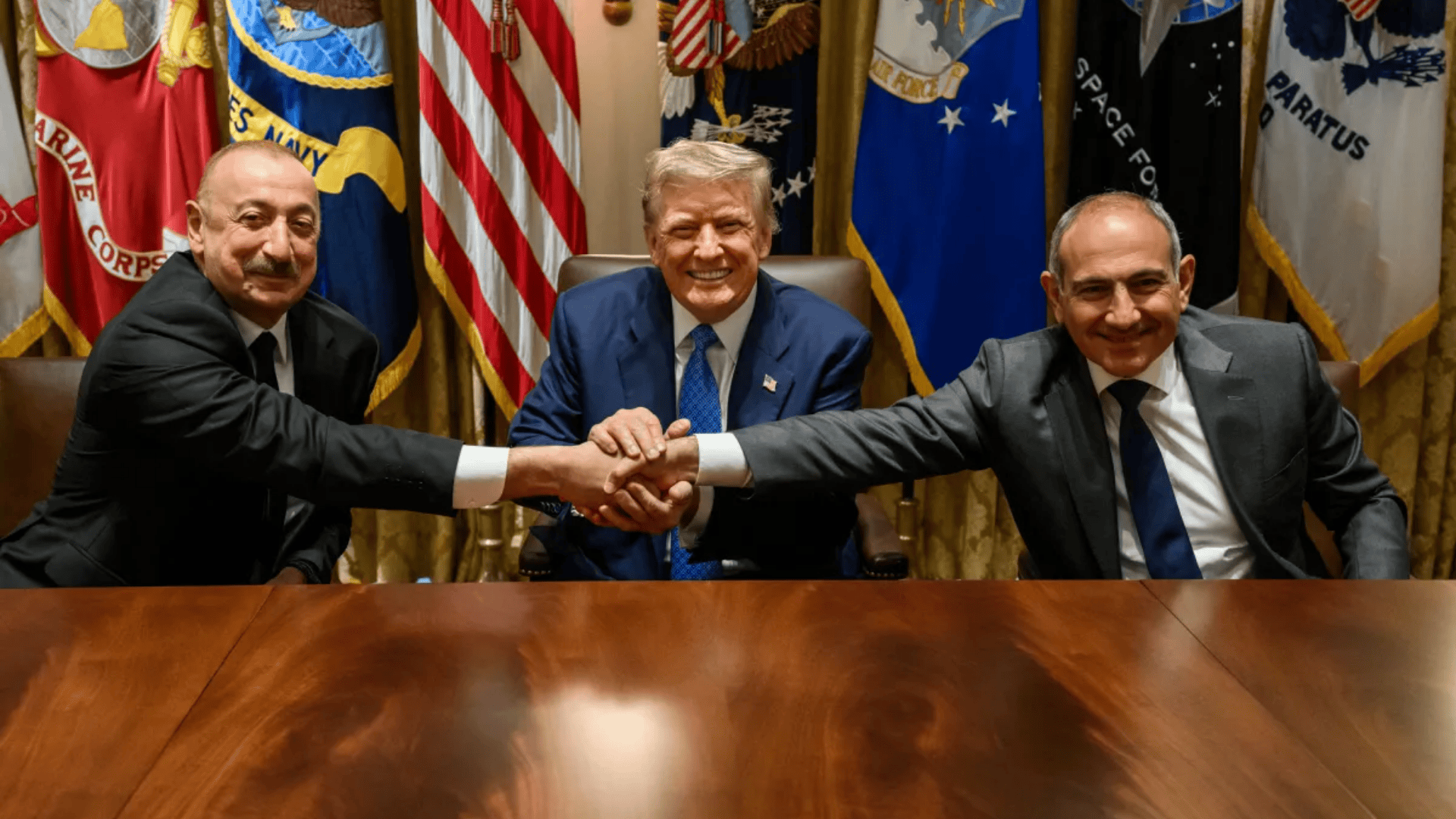
The TRIPP project also envisages this: the corridor would pass through Armenian territory while remaining under Armenia’s sovereign control. If Armenia takes concrete steps toward border delimitation and opening the route, Aliyev could release additional detainees.
US-backed economic initiatives in the region under TRIPP are also linked to broader energy and logistics projects, including the Baku–Tbilisi–Ceyhan pipeline and Trans-Caspian trade routes. US President Donald Trump is seen as interested in presenting peace in the region as a foreign policy achievement.
According to Vance, the release of detainees within the TRIPP framework would facilitate investment by American businesses in the region.
It is therefore possible that, if Trump exerts sufficient pressure, Aliyev could agree to release some prisoners in exchange for improved relations with Washington and expanded economic cooperation.
Armenian society, Azerbaijani officials argue, would also need to take steps in return for peace. The Azerbaijani authorities believe that a condition for releasing Armenian leaders should be the removal from Armenia’s constitution of provisions interpreted as laying claim to the independence of “Nagorno-Karabakh”.
Simonyan’s statement that “negotiations will not stop until the last prisoner is returned” is likely aimed primarily at reassuring Armenian public opinion.
Elkhan Shahinoglu, a political analyst seen as close to the Azerbaijani government, has suggested that Armenia’s authorities may not be interested in the release of Ruben Vardanyan.
“If we had not arrested Vardanyan, Pashinyan would eventually have been forced to do so in Yerevan. That would have come with pressure from the oligarch’s supporters ahead of parliamentary elections.
That is why Alen Simonyan’s statement is not sincere. He and his leader are interested in Ruben Vardanyan remaining in prison — specifically in Azerbaijan,” he said.
Domestic risks and public discontent
The release of Armenian detainees in Azerbaijan, as illustrated by the case of Vagif Khachatryan, could provoke public backlash.
Relatives of those killed during the 2020 war are also likely to express dissatisfaction with any decisions to grant pardons.
For that reason, President Aliyev may take such a step only in exchange for significant strategic gains capable of softening public opinion.
At the same time, the European Parliament and other international bodies have called on Azerbaijan to meet its human rights obligations. Such pressure encourages domestic activists and creates additional risks for the authorities.
The current situation suggests that the release of detainees of Armenian origin cannot be ruled out. However, it is likely to occur only as part of major political and economic agreements.
Ilham Aliyev’s tough stance, expressed in his interview with France 24, appears primarily aimed at a domestic audience.
He is seeking to demonstrate determination in defending national interests and to reject the prospect of pardoning Armenian detainees. At the same time, the release of four prisoners shows that gestures of goodwill remain possible.
Armenians held in detention in Azerbaijan