Ex-German MP convicted of taking bribes from Azerbaijan receives suspended sentence






German MP took bribes from Azerbaijan
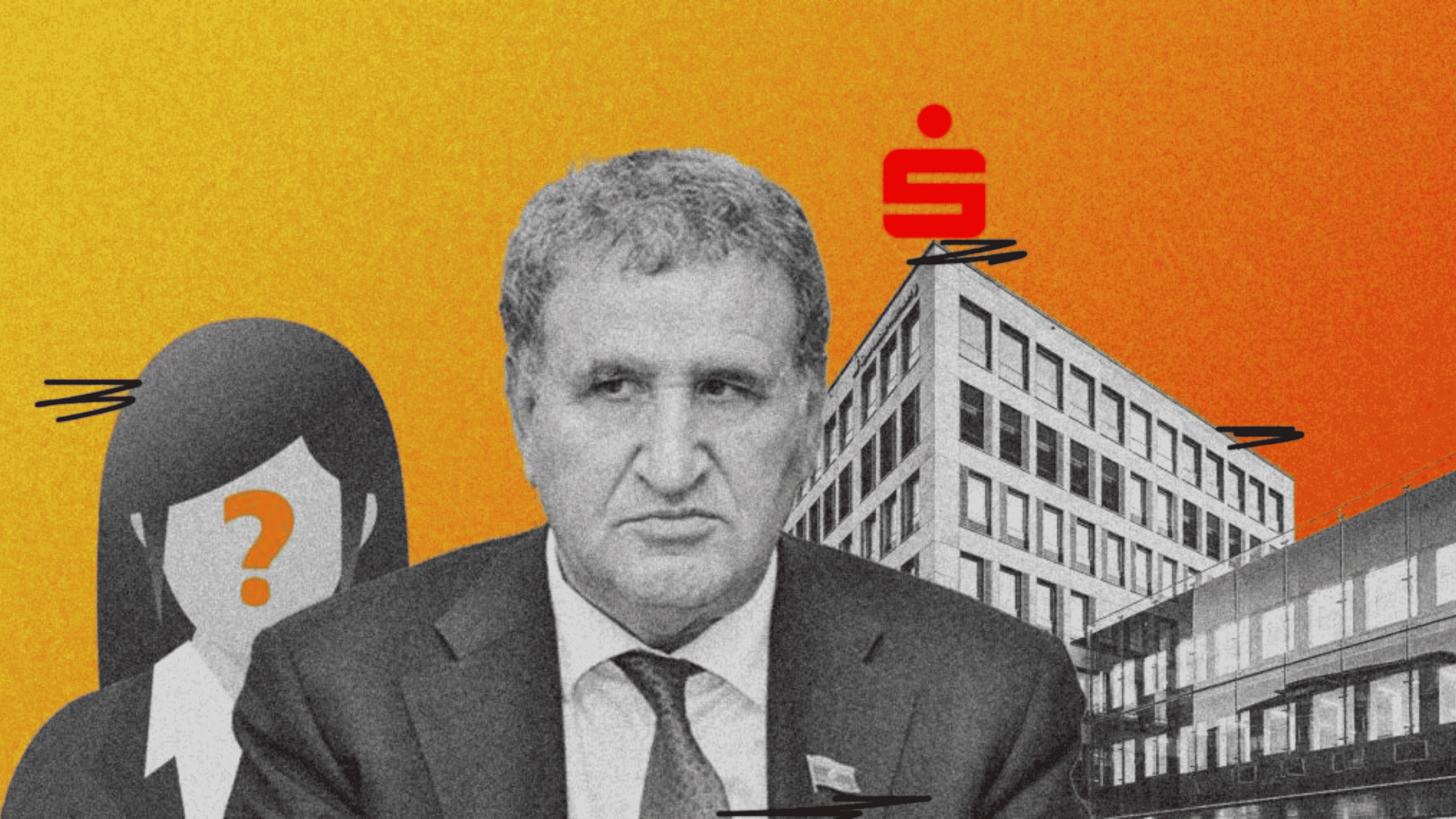
The Higher Regional Court in Munich (Oberlandesgericht) has found former German Bundestag lawmaker Axel Fischer guilty of accepting bribes worth tens of thousands of euros from the Azerbaijani side.
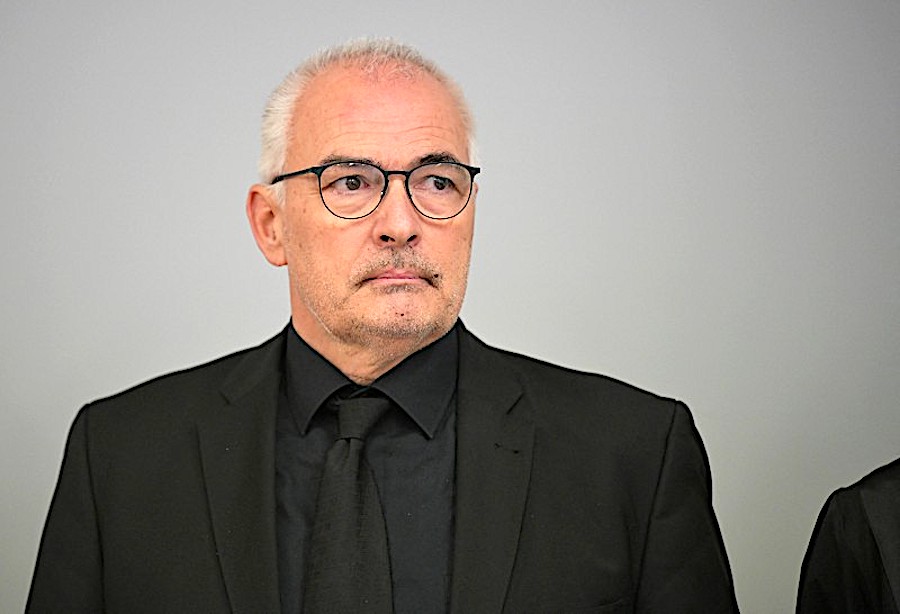
According to the prosecution in the case known as the “caviar diplomacy” scandal, Axel Fischer promoted Azerbaijan’s interests in the Parliamentary Assembly of the Council of Europe in return for the payments.
The court sentenced the former lawmaker to one year and two months in prison, suspended.
The verdict also includes:
- a two-year ban on holding public office;
- the confiscation of €20,000;
- an obligation to pay €12,000 into a fund supporting victims.

Bribes in exchange for lobbying
Axel Fischer served as a member of Germany’s delegation to the Parliamentary Assembly of the Council of Europe from 2010 to 2018 and remained a Bundestag lawmaker until 2021.
The court found that during those years he acted under a secret “illegal agreement” with representatives of Azerbaijan and advanced the interests of the government in Baku. He passed confidential documents to the Azerbaijani side and repeatedly voted in the Assembly in Azerbaijan’s favour.
The judges noted that although the arrangement had been in place since 2011, Germany’s law criminalising the acceptance of benefits by MPs in return for carrying out their mandate only came into force in September 2014. As a result, prosecution over payments totalling €79,000 received before that date was not possible.
Only bribes amounting to €24,500, which Fischer was found to have received in cash from autumn 2014 to 2018, were classified as a criminal offence under the new legislation.
Fischer denied the accusations, insisting he had never received money from Azerbaijan. The court rejected his explanations as unconvincing.
His lawyers said they would appeal against the verdict.
The case is reported to be the first in Germany in which a serving lawmaker has been convicted of taking bribes while in office.
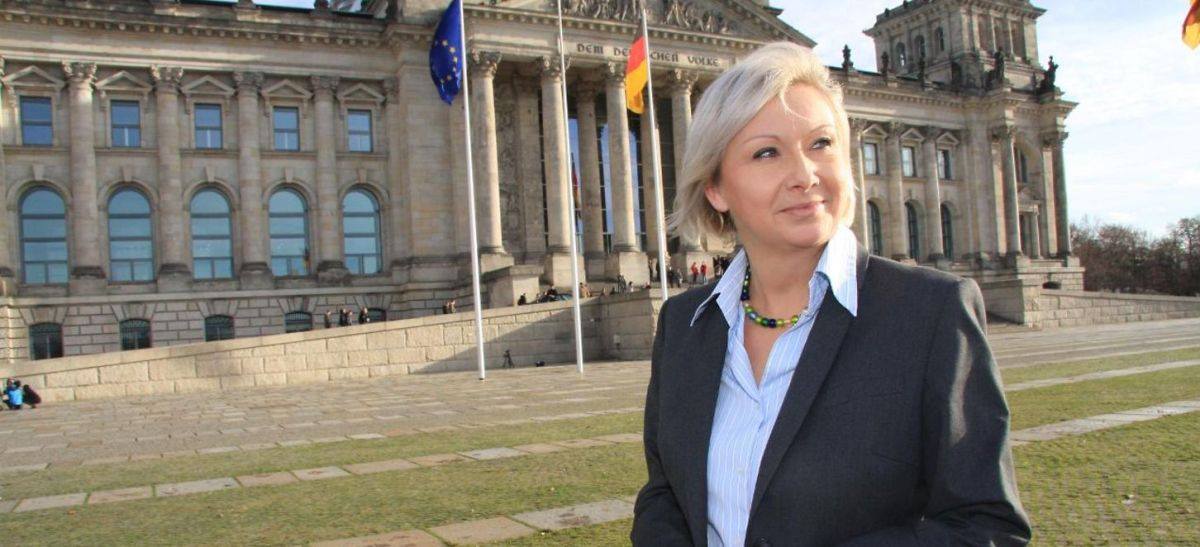
The Lintner case and the “Laundromat” scandal: what are they?
The ruling follows a verdict handed down by the same court in July 2025 against Eduard Lintner, a former lawmaker from the Christian Social Union (CSU). During the trial, Lintner described his lobbying on behalf of Azerbaijan as being driven by “noble motives”, portraying it as “legitimate lobbying”.
He was also found guilty on similar charges. Lintner received a nine-month suspended prison sentence and is currently appealing against the verdict.
Lintner is among the figures linked to the so-called “Azerbaijani Laundromat”, a vast money-laundering scheme uncovered in 2017 by the Organized Crime and Corruption Reporting Project (OCCRP) and its media partners.
Investigations found that Azerbaijan’s ruling elite operated a covert $2.9bn “slush fund”, which was used not only for personal enrichment but also to funnel money to European politicians. The aim was to improve the country’s human rights image, particularly as international criticism over abuses intensified.
Lintner and Axel Fischer were initially due to stand trial together. However, Fischer’s case was later separated because of illness.
Reaction from Transparency International Germany
Commenting on the conviction of Axel Fischer, Transparency International Germany said:
“While some European politicians were accepting bribes to promote Azerbaijan’s interests and silence criticism within the Council of Europe, human rights defenders and political prisoners were languishing in jails in Baku.”
The organisation described the verdict as “an important step forward for accountability in Germany and across Europe”, and urged other countries named in the “Laundromat” scandal to follow Berlin’s example.
German MP took bribes from Azerbaijan