

'Abkhazia is not anyone’s showcase, and we did not ask Moscow for help' — response to Russian propagandist’s article






A response to Pegov’s article on Abkhazia
An article by Russian war correspondent and propagandist Semyon Pegov about Abkhazia and its current relationship with Russia has sparked strong reactions in Abkhaz society.
The core argument of Pegov’s piece is that Russia supported the sovereign Abkhaz project as a starting point for a shift towards a multipolar world. From this perspective, Abkhazia has become a “Russian foreign policy showcase”, one that Moscow will not allow to be “smashed because of internal political disputes”.
Abkhaz public figure Akhra Bzhaniya responded to Pegov’s claims on social media.
“The recognition of Abkhazia was tactical rather than strategic, and demanding feudal-style submission from Abkhazia in return is both unjust and futile,” he said.
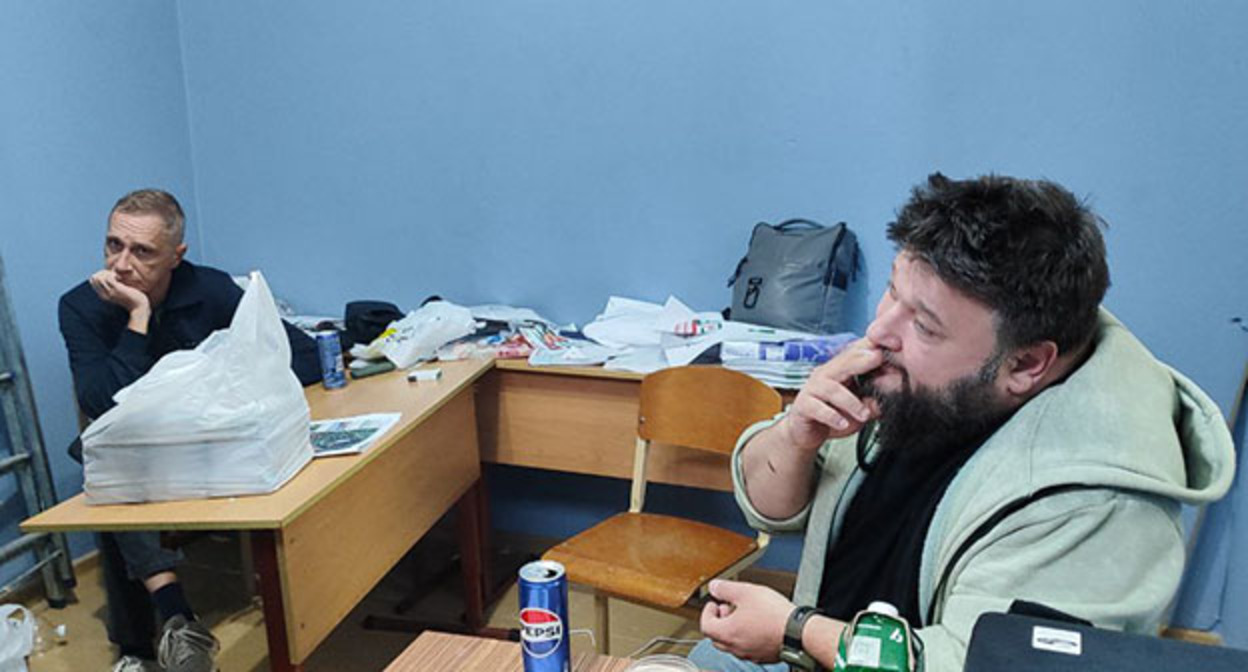
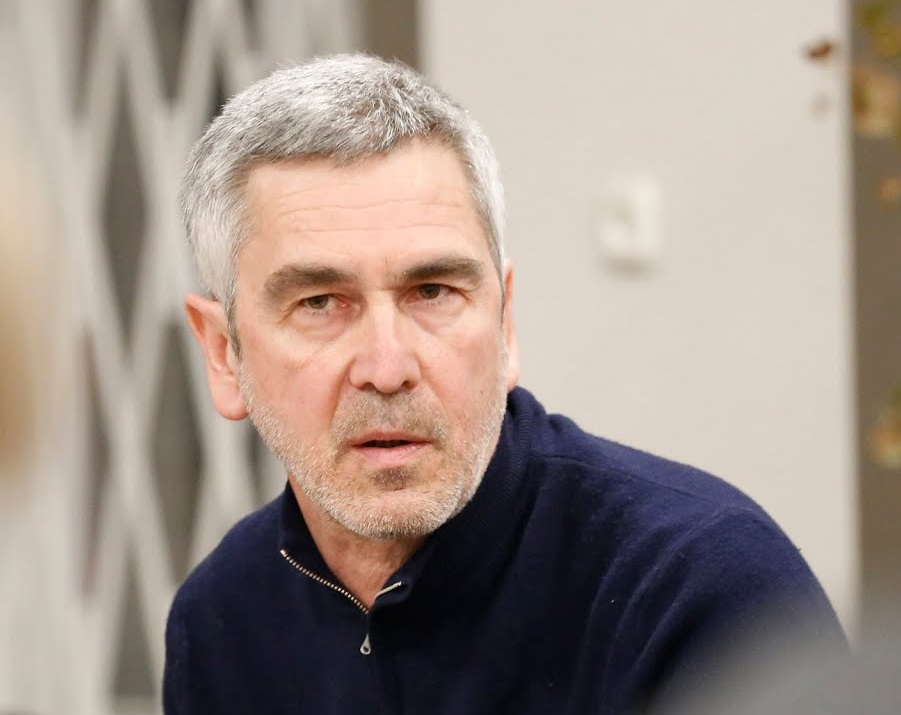
According to Akhra Bzhaniya, people in Abkhazia view Russia’s recognition in a different context.
“In 2008, it became clear that the Georgian government was oriented towards breaking historical ties with Russia and moving Euro-Atlantic structures closer to its borders. One can only speculate about the long-term repercussions this would have created along Russia’s southern frontiers and the consequences it could have had for the North Caucasus.
At that point, after weighing all the pros and cons, and taking into account the fact that Abkhazia could once again repel Georgia but would then find it extremely difficult to influence its policies, a decision was made to recognise the sovereignty of Abkhazia and South Ossetia,” Bzhaniya said.
He notes that, as a result, Russia secured dozens of military bases formalised by agreements, naval ports, stability in the North Caucasus, and a friendly republic in a region of critical logistical and geopolitical importance.
“Abkhazia is not someone’s showcase filled with toy palm trees and papier-mâché dolls. It is a country going through a stage of its formation,” Akhra Bzhaniya said angrily.

He reminds the Russian side, represented by Semyon Pegov, that Abkhaz society has so far dealt with all its internal problems and upheavals on its own and does not need help from a “big brother”. Especially, he adds, since that assistance is not altruistic.
He also draws attention to what he describes as the article’s vague hints, which he says sound more like threats.
“What, for example, does the phrase ‘our present is shared, but the future is twofold’ mean?” he asks. “Is it meant to imply: behave yourselves, or we will hand you over to Georgia?”
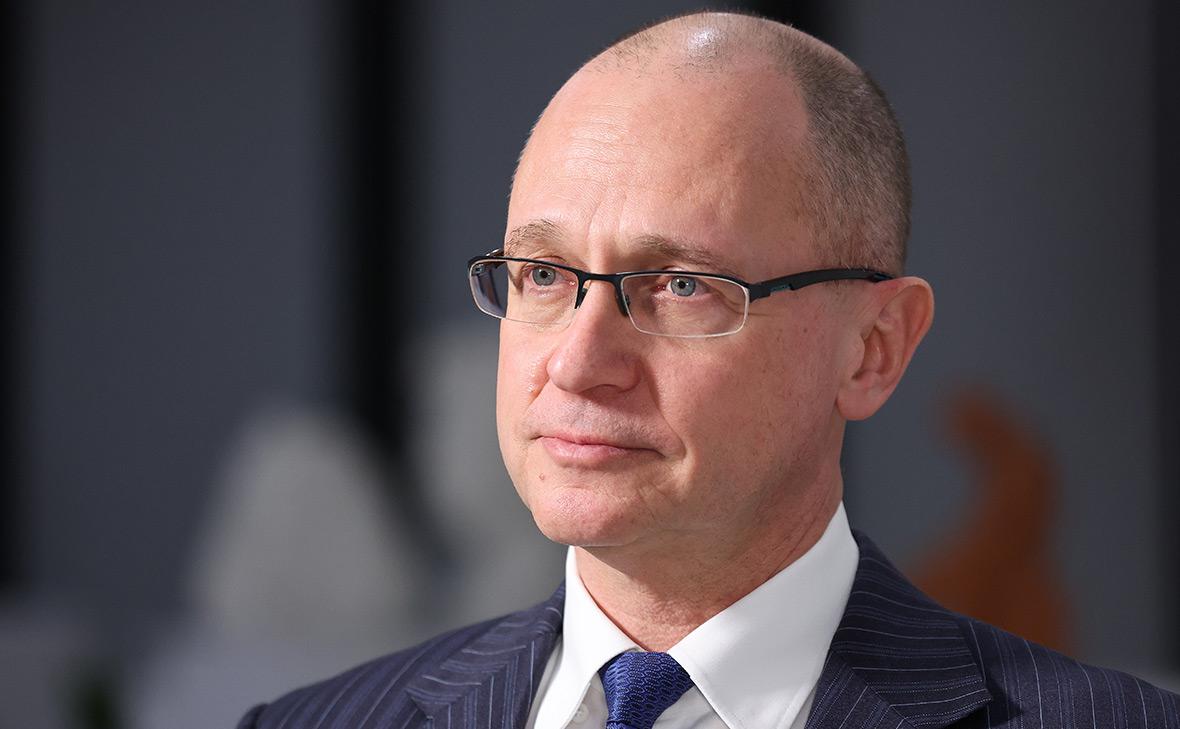
At the same time, Akhra Bzhaniya suggests that Pegov is likely only a co-author of the article, and that an unnamed official figure stands behind it. He addresses that person directly at the end of his post:
“Dear Moscow official, we did not ask you for help. If you consider this assistance burdensome and uncompensated, then stop the subsidies.
We are not afraid of being left one on one with Georgia. But if an armed conflict were to resume, you would most likely lose your military bases here regardless of the outcome.
And finally: freedom is not an empty word for us. We fought for it throughout the 19th and 20th centuries, suffered enormous losses, and now intend to defend it to the very end, even if the world around us begins to collapse,” Akhra Bzhaniya wrote.
The terminology, place names and views expressed in this article are those of the author and do not necessarily reflect the editorial position of this website.
A response to Pegov’s article on Abkhazia