Russia provides Abkhazia with additional free electricity for February






Russia has granted Abkhazia an additional quota of what it calls a “social” electricity flow — in simple terms, agreeing to supply more free power. This means the usual rolling blackouts in Abkhazia are unlikely to take place this winter.
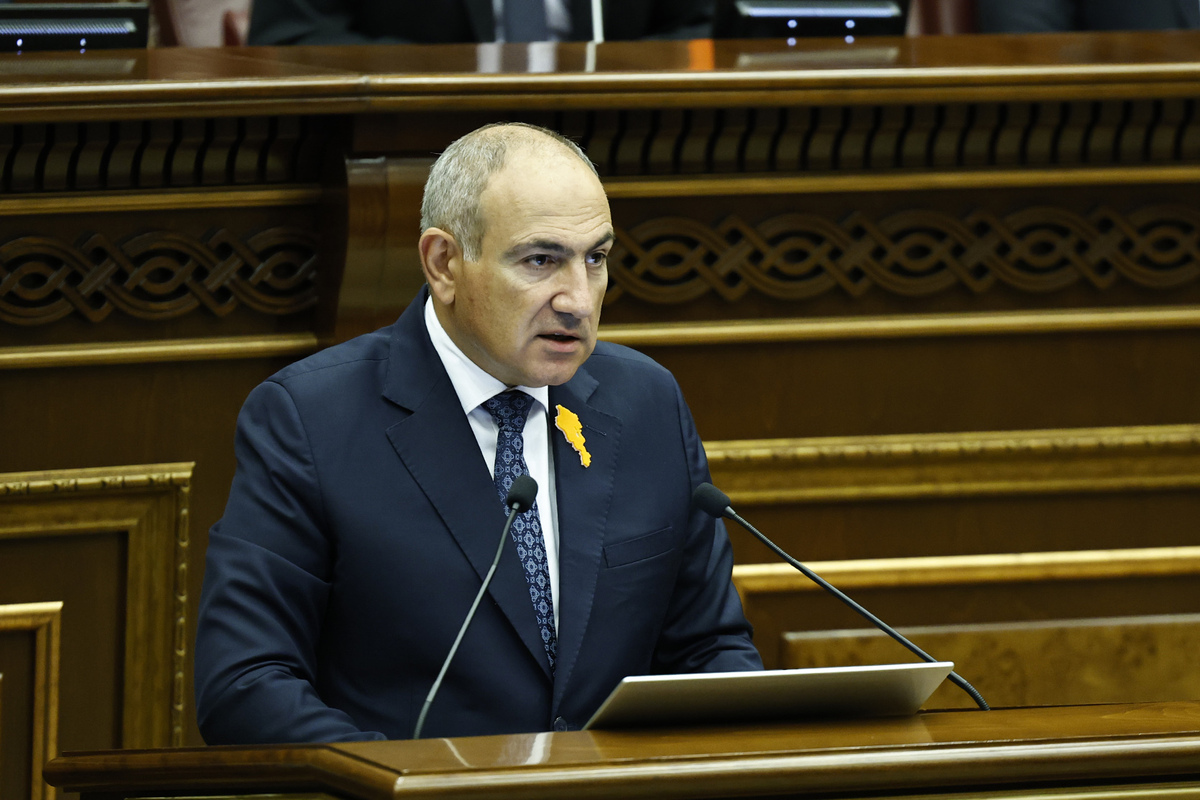
Since 1 January, Abkhazia has already been receiving a free allocation of electricity from Russia, covering the shortfall typically seen during that month. To secure a similar arrangement for February, Abkhaz President Badra Gunba travelled to Moscow for talks with Sergey Kiriyenko, first deputy head of Russia’s presidential administration and the Kremlin’s point man on Abkhazia. The talks proved successful.
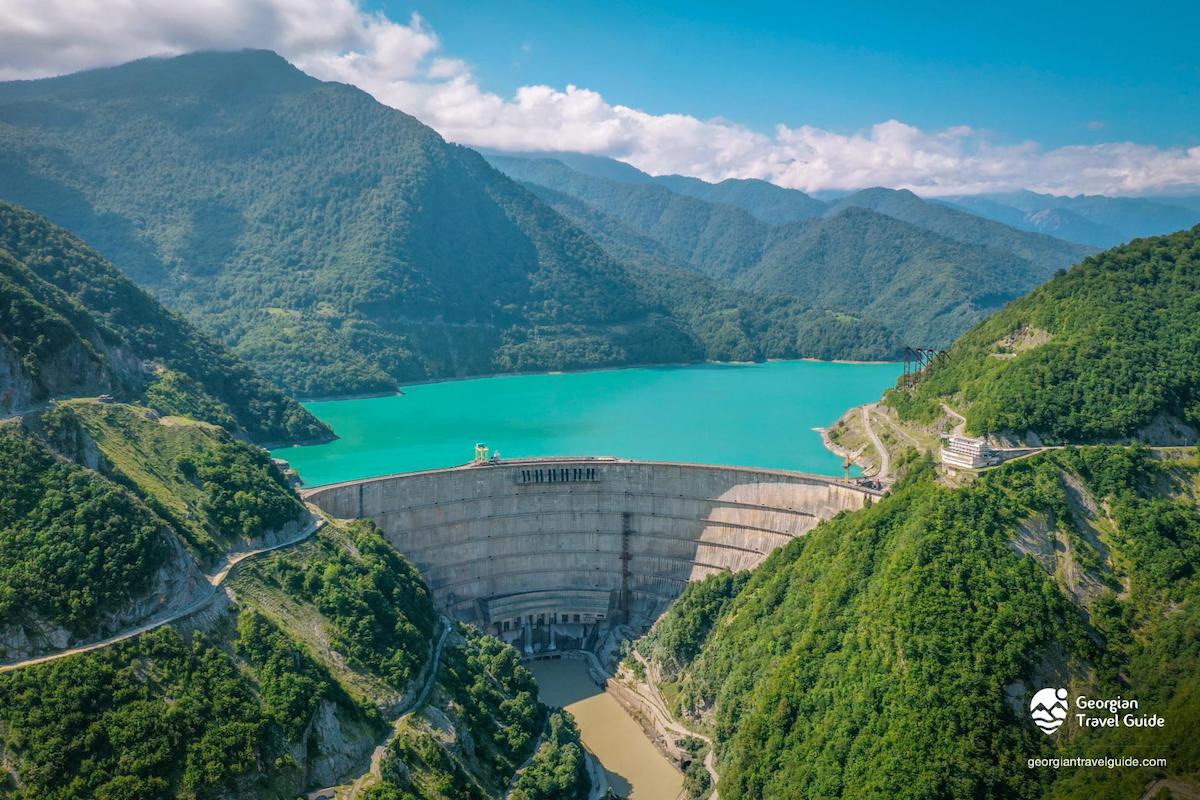
For Abkhazia, the autumn and winter period has for several years been marked by electricity shortages. During this time of year, water levels fall at the dam of the only power plant supplying the territory, the Inguri Hydropower Plant, leading to lower generation.
The Inguri plant is unique in that it is the only major facility that Georgians and Abkhaz were able to divide and operate jointly after the 1992–93 war. The station sits directly on the conflict line, and for more than 30 years the Georgian and Abkhaz sides have shared its output — Georgia receives 60% of the electricity produced, while Abkhazia takes the remaining 40%.
Until recently, that 40% share was enough to meet Abkhazia’s needs. But since 2020, electricity consumption in the territory has surged because of uncontrolled cryptocurrency mining. This spike triggered a severe energy crisis and led to rolling blackouts during the autumn and winter months. At times, power cuts lasted up to 12 hours a day.
Abkhazia has now managed to reduce electricity consumption from three billion to 2.4 billion kilowatt-hours. Even so, a deficit remains. The authorities cover it partly through what they describe as “humanitarian assistance” from Russia, and partly by purchasing electricity from Russia.
Since October 2025, however, Abkhazia has had to buy power at market rates rather than preferential prices. Those costs have proved unaffordable, prompting the authorities to ask Moscow to increase the volume of free electricity supplies.
The terminology, place names and views expressed in this article are those of the author and do not necessarily reflect the editorial position of this website.
Новости в Абхазии