Activist Tamar Mearakishvili arrested in Tskhinvali on espionage charges






A Georgian citizen reportedly detained by the so-called prosecutor’s office of occupied Tskhinvali has been identified as civic activist Tamar Mearakishvili, according to Echo of the Caucasus.
Media outlet Caucasian Knot reports that a few hours before her arrest, Mearakishvili told friends that unknown individuals had entered her apartment in Tskhinvali. Contact with her was then lost, raising concerns among her family and human rights groups.
The de facto prosecutor’s office claims that Mearakishvili is accused of receiving and distributing information about sites considered strategically important for the “republic” in South Ossetia. Authorities say her actions posed a security threat. The investigation is being conducted under Article 276 of the Criminal Code, which covers espionage and carries a sentence of 10 to 20 years in prison.
An official statement adds that Mearakishvili is being held in solitary confinement, while investigators are working to identify possible accomplices. No further details about the circumstances of her detention have been released.
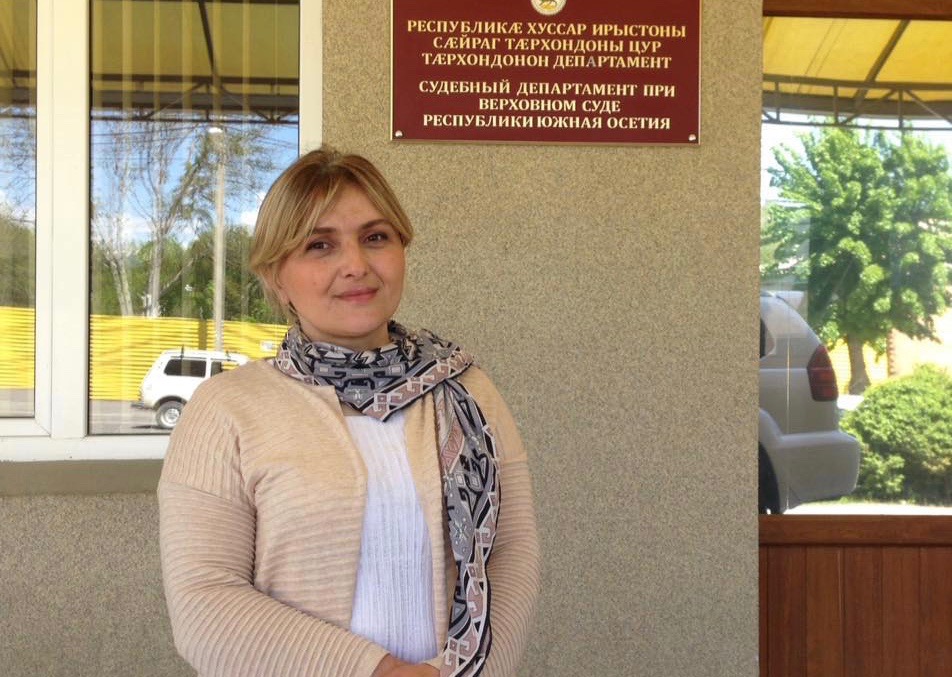
Mearakishvili is an activist who has openly criticised the de facto president of South Ossetia, Alan Gagloev. In the days before her arrest, she announced that she would begin a hunger strike on 23 December to protest against abuse of power, violations of civil service and labour laws, and the complete disregard for her rights. She had been seeking meetings with de facto president Alan Gagloev and the self-proclaimed parliamentary speaker, Alan Margiev.
News of the detention of the Georgian citizen emerged after the latest session under the Incident Prevention and Response Mechanism (IPRM).
In recent years, Mearakishvili has actively criticised corruption, shortcomings in the healthcare system, and social issues in the occupied territories. Her public statements have made her one of the most prominent critical voices in Tskhinvali, where independent civic activism operates under strict control.
Arrest of Georgian activist in Tskhinvali