

Opinion: 'Visa-free travel to EU could be suspended for all Georgian citizens'






Suspension of Georgia-EU visa-free travel
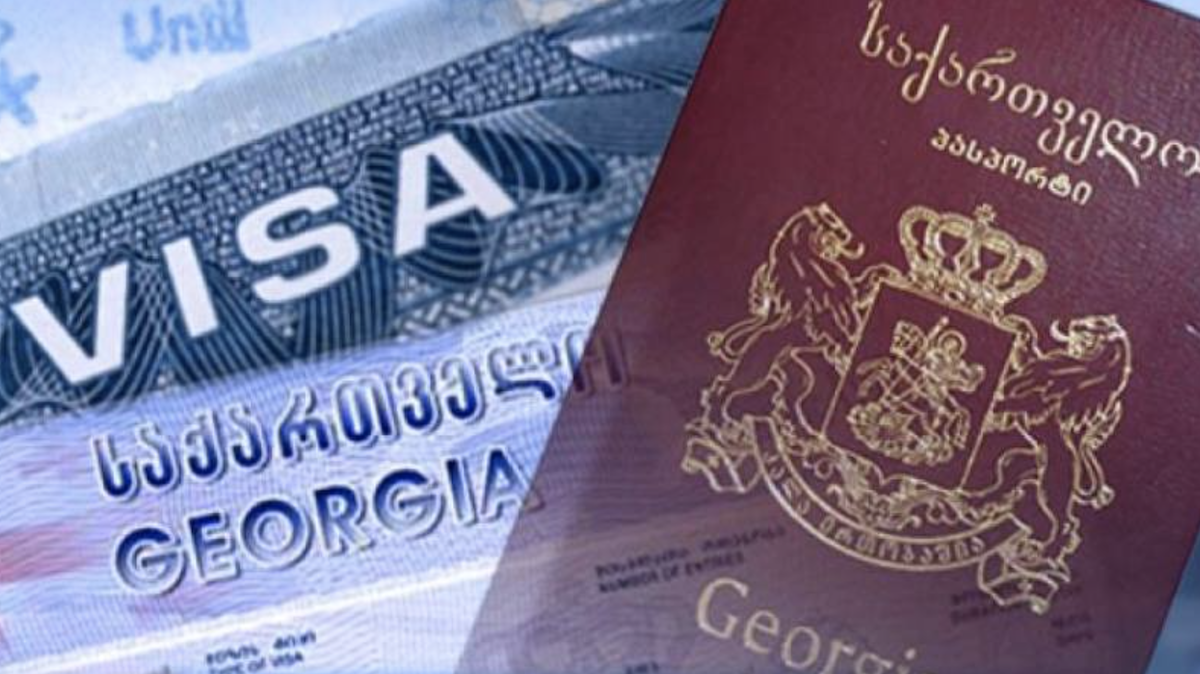
The founder of the Center for Strategic Analysis, Giorgi Rukhadze, responded to the European Commission’s report on Georgia, saying that a decision regarding diplomatic passports could be made at any time from January, and that visa-free travel to the EU for all Georgian citizens could be suspended within a few months.
As Rukhadze noted, the authorities of individual EU countries would not have the right to make exceptions to the visa rules.
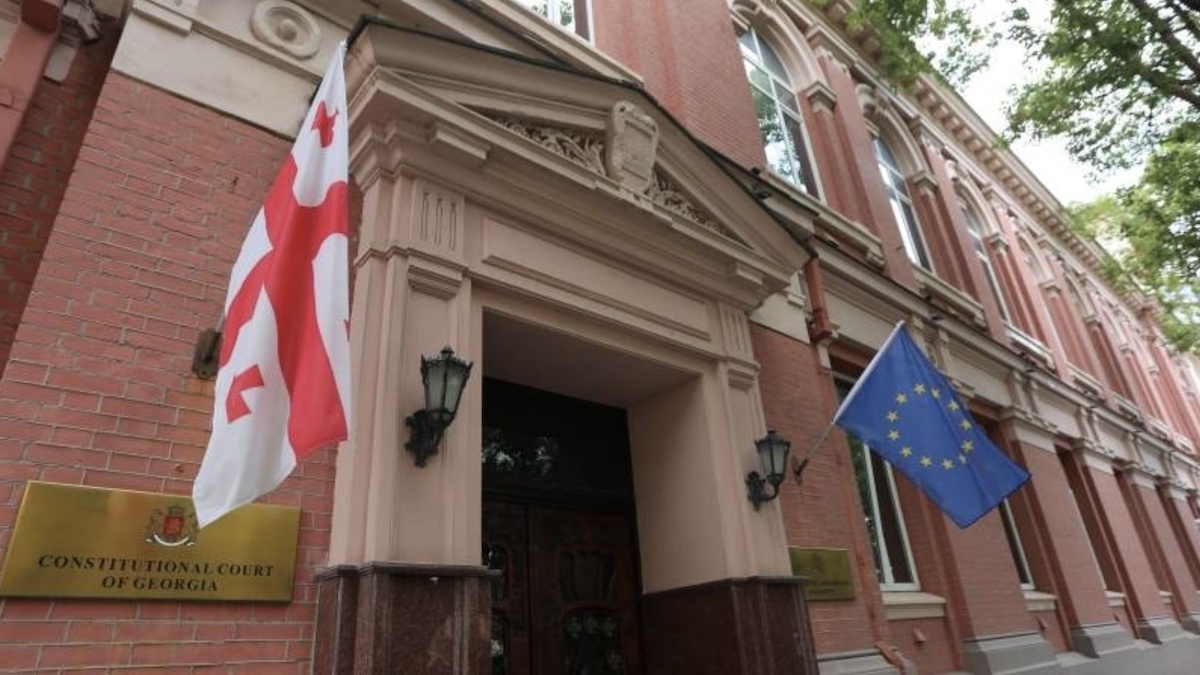
The latest European Commission report states that in the first phase, the suspension of visa-free travel to the EU for Georgia could affect holders of diplomatic, service, and official passports issued by the Georgian government, while in the second phase it could be extended to the entire population.
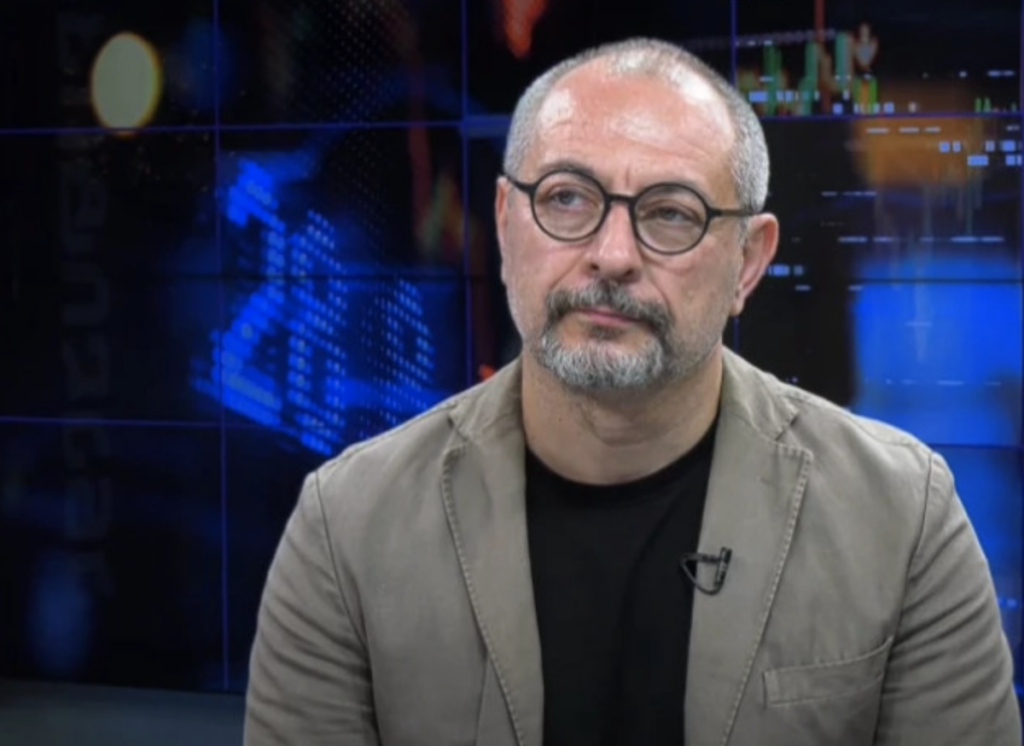
Giorgi Rukhadze: “Until now, there was a European recommendation that allowed member states to bar entry to representatives of ‘Georgian Dream’ if they wished.
For example, if Germany decided to impose sanctions on the Georgian authorities, it could individually ban holders of diplomatic passports from entering Germany, but this would not prevent them from entering Hungary or Italy if those countries did not agree with Germany’s restriction. Now, however, the rule will apply across Europe, and national authorities will not have the right to make exceptions.
<…> This will be a widespread restriction affecting many people. It is meant to send a signal to all other citizens.
There is a European Commission report that can be trusted. A new mechanism for suspending the visa-free regime has been adopted, which will come into effect on 30 December. A decision regarding diplomatic passports could be made at any time starting in January 2026.
As for suspending visa-free travel for all Georgian citizens, the call to follow European recommendations is repeated, so that the visa-free regime is not suspended. The European Union had already issued a similar warning in August. The new report reflects the fact that nothing has been done on this front.
In a few months, if there is the political will of the European Council, the visa-free regime could be suspended for all of Georgia. We need to monitor the situation.
The European Union also fully understands that ‘Georgian Dream’ is incapable of acting. ‘Georgian Dream’ could have prevented this situation, and it would not have taken much. It did not just tell the European Union, ‘We don’t care,’ it said the same to its own population: ‘Maintaining visa-free travel for you is not even worth small concessions from the government.’”
Suspension of Georgia-EU visa-free travel