Armenia to introduce universal health insurance from 2026: what you need to know






Universal health insurance in Armenia
From 1 January 2026, Armenia will implement a universal health insurance system. The parliament approved the relevant bill in its second and final reading.
The system will roll out gradually over three years. In the first phase, mandatory coverage will focus on vulnerable social groups, who will receive insurance funded by the state. Next year, citizens with a monthly income above 200,000 drams ($526) will also have to enroll.
The insurance package will be the same for everyone, costing 129,600 drams ($341) per year. Monthly contributions will amount to 10,800 drams ($28).
Other population groups will join the insurance system over the following two years, with full coverage expected by the end of 2028.
By 2029, the government expects the entire population to be insured. The strategic goal of the reform is “to protect citizens’ health, increase life expectancy, reduce premature mortality, and improve quality of life.”
“Universal insurance covers all citizens of Armenia. But it will not meet every individual medical need. The reform aims to reduce the main burden of disease and mortality and to ensure the best treatment outcomes,” said Health Minister Anahit Avanesyan during parliamentary discussions.
- Issues with personal assistants for disabled in Armenia
- Most Armenian parents ignore calls for child vaccinations
- Armenia gradually approaching compulsory medical insurance
‘The reform will not create any additional financial burden‘
The reform’s authors emphasize that groups joining the system this year will not face any additional financial burden.
From 1 January 2026, the state will insure:
- children under 18 – around 700,000 people,
- people aged 65 and older – around 400,000,
- citizens aged 18–65 with disabilities,
- socially vulnerable individuals (scoring over 28 on the local deprivation scale),
- families of deceased military personnel.
The government will cover their insurance packages using state budget funds.
Employees and other citizens earning 200,001 drams ($528) or more per month will pay their own contributions. To ease their financial load, the government will provide subsidies. In 2026, it will reimburse most of this group’s insurance payments. The refunds will come from taxes they pay monthly into the state budget.
As a result, those earning up to 500,000 drams ($1,315) will pay only 300 drams (79 cents). Those with higher incomes will pay 3,300 drams ($8.6). This group will receive reimbursements during income declarations in 2027 through a refund of personal income tax.$8.6).

Insurance will not cover all medical services.
Health insurance will gradually cover the entire population, but it will not include all medical services.
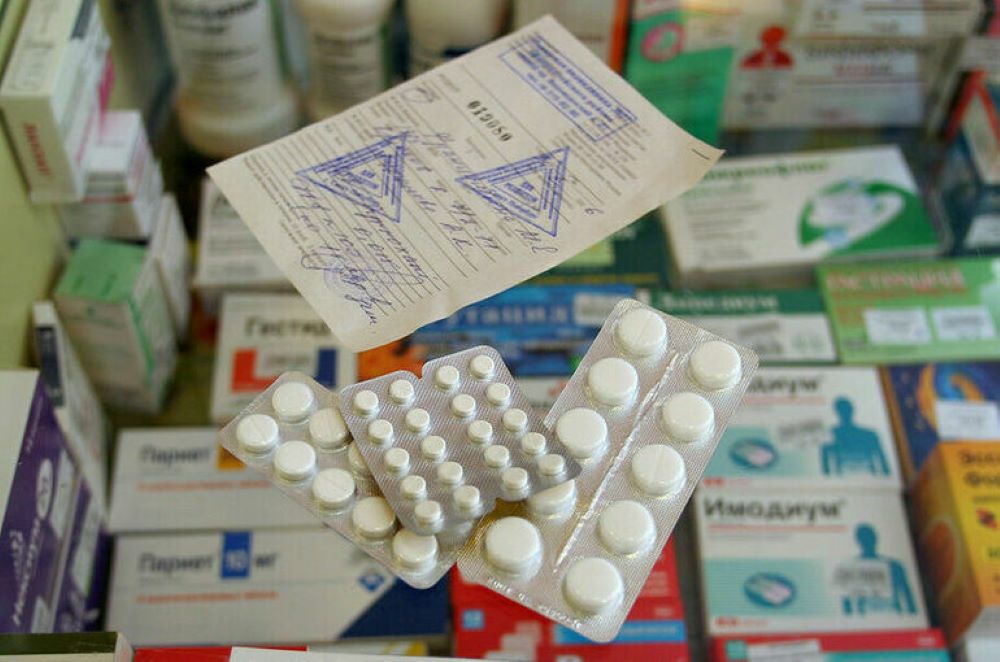
From 2026, insured citizens will be able to check lists of covered illnesses, diagnoses, tests, and medications included in their package. They can access this information through the Armed app, the Ministry of Health website, or the insurance fund.
Accessing medical services through insurance will start at the primary care level, meaning clinics.
Opposition highlights shortcomings in the reform.
Government members announced that, as a result of the reform, citizens over 65 will receive an expanded medical package for the first time, including essential medicines, medical services, and examinations.
Opposition MPs questioned: “If Armenians retire at 63, why does the first phase of the program exclude those aged 63–64?”
Health Minister Anahit Avanesyan responded that including this group would increase costs by 9 billion drams (around $24 million). She added that the government would consider the issue in later phases. Avanesyan then addressed members of the Hayastan faction, led by former president Robert Kocharyan:
“The proposal regarding citizens aged 63–64 will take effect a day earlier if prominent members of your faction return the sums they misappropriated to the budget without waiting for property confiscation decisions.”
Opposition MPs also raised concerns about increased pressure on medical facilities due to the reform and suggested raising healthcare workers’ salaries.
They further noted a potential problem: the new system may force citizens already insured under existing packages to abandon them and switch to state insurance.
“Perhaps we could allow people to move to the new packages after their current contracts expire. We should also consider giving people a choice,” proposed MP Armenuhi Kyureghyan.
Minister Avanesyan said that six months after the universal insurance system is introduced, the government plans to review the situation. Based on the findings and discussions of emerging issues, it will, if necessary, submit proposals to parliament to amend the legislation.