Rights groups long warned water cannons contained chemicals, Georgian lawyer says






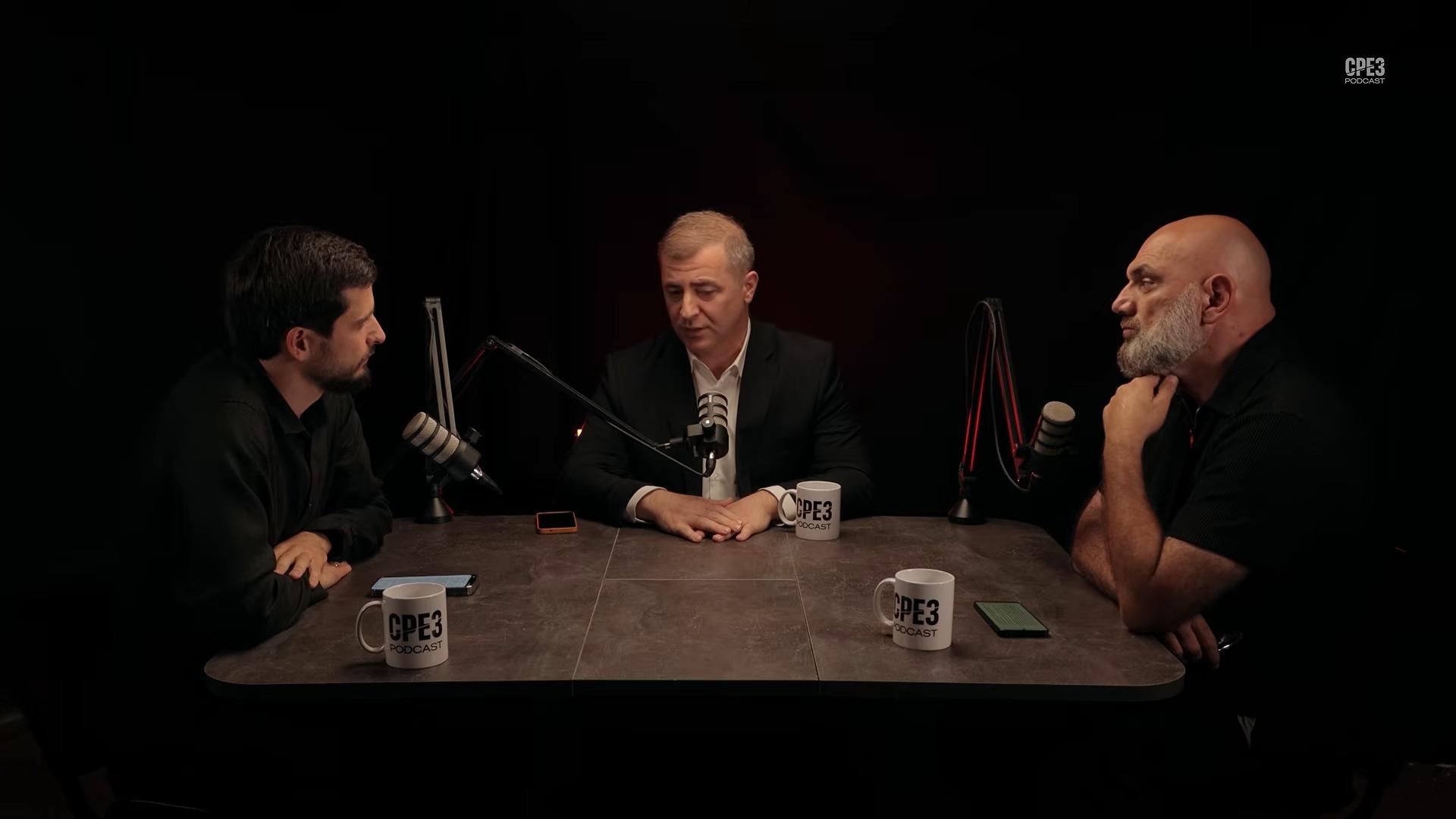
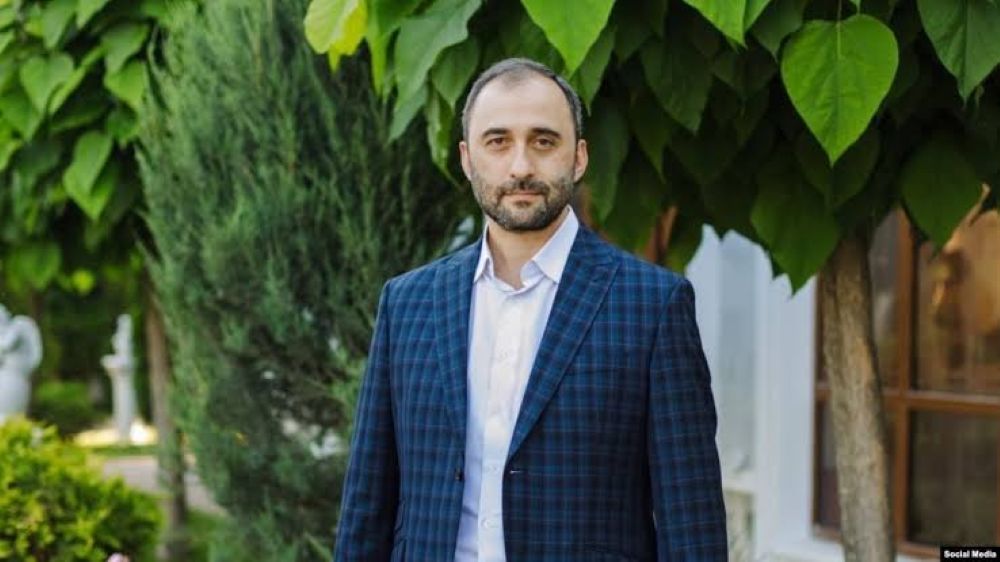
Nona Kurdovanidze, founder of the Georgian Young Lawyers’ Association (GYLA), commented on a BBC investigation claiming that Georgian authorities may have used chemical weapons from the First World War to disperse protests in 2024.
According to Kurdovanidze, human rights groups, including GYLA, have said from the start that chemicals were being added to water cannons used against protesters, and that this is illegal.
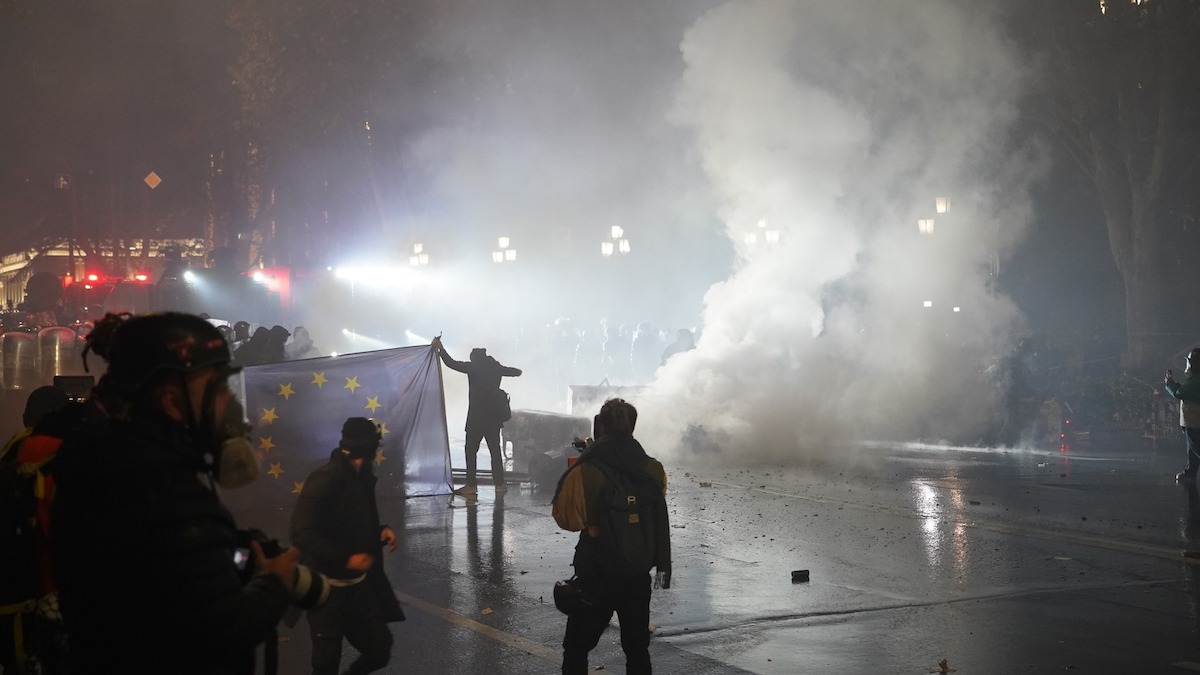
The British outlet BBC has published an investigation claiming that the Georgian government used a First World War–era chemical agent to suppress anti-government protests at the end of 2024. The article says that British journalists spoke with chemical weapons experts, sources within Georgia’s riot police, and doctors, who found that the water cannons contained a substance called bromobenzyl cyanide, or “camit.”
The substance was first used by France against Germany during the First World War. There is little documented evidence of its later use, and it is believed to have been withdrawn in the 1930s over concerns about the long-term effects of exposure. It was later replaced with CS gas, commonly known as “tear gas.”
Nona Kurdovanidze: “Human rights groups, including the Georgian Young Lawyers’ Association, have been warning from the start that chemicals were being added to water cannons and that their use against protesters is illegal. We have repeatedly made public statements and approached the relevant authorities, but they have never disclosed any information about this substance.
The BBC investigation claims that First World War–era chemical weapons were used.
I will share with you the testimonies of several victims that we collected during interviews.
A 27-year-old woman: ‘Law enforcement officers used tear gas, apparently with chemical additives, which caused skin burns and damage to my respiratory system and lungs. I had difficulty breathing.’
A 25-year-old man: ‘On the night of 30 November 2024, tear gas was used extensively during the protest. Demonstrators felt intense, unbearable burning in the nose and throat. Some of them lost consciousness as a result.’
A 36-year-old man: ‘The use of tear gas on the night of 30 November caused severe respiratory damage, intense coughing, and eye irritation.’
It goes without saying that none of these cases have been investigated, no one has been held accountable, and requests to disclose the properties of the substance used continue to be ignored.”

Chemical weapons used in Tbilisi protests