UN special rapporteur probes possible use of chemical agents at Georgia protests






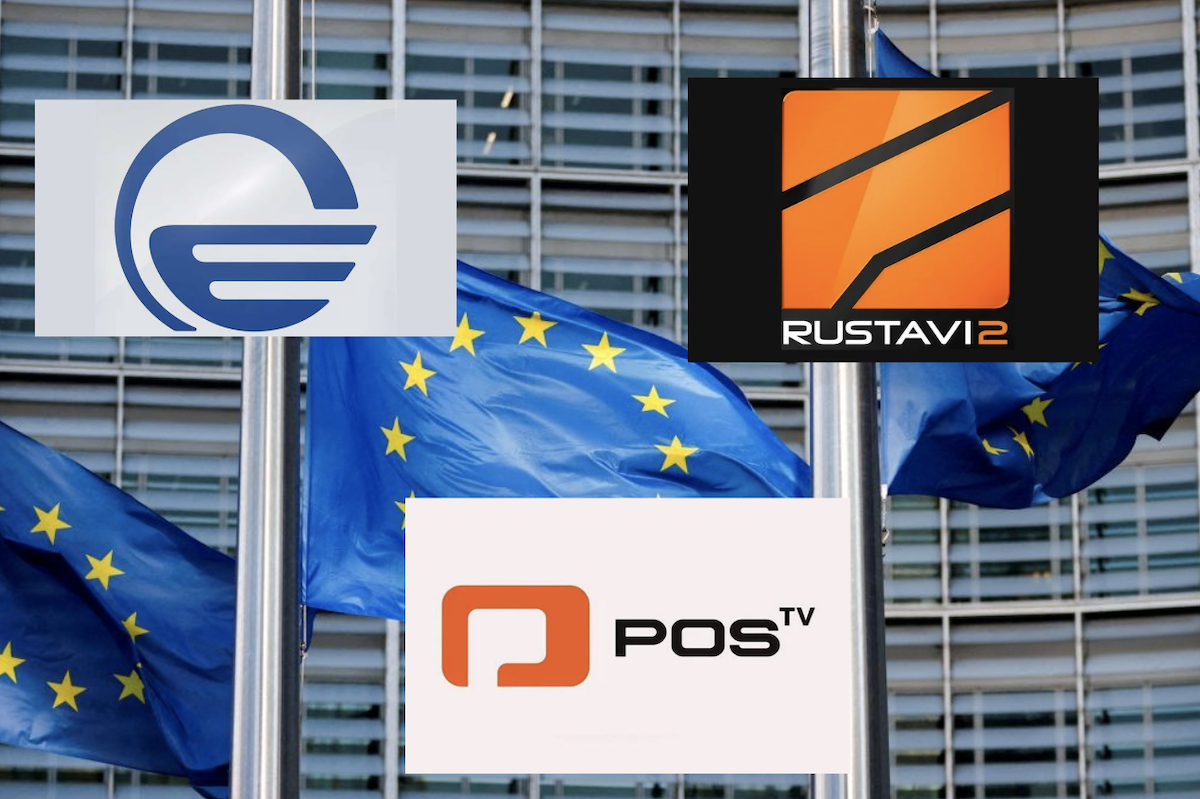
UN Special Rapporteur on Torture Jill Edwards, in an interview with the independent outlet Formula, commented on the possible use of chemical agents during the dispersal of protests in Georgia. She said that Georgian Dream “cannot investigate its own actions”, adding that this is one of the core principles of international law.
Edwards also outlined the Council of Europe’s mechanisms and urged the Georgian Dream government to follow them. She cited the example of Serbia, where President Aleksandar Vucic was accused of using acoustic weapons against demonstrators, and shortly afterwards the European Court banned the Serbian authorities from using sound-based devices to disperse protests.
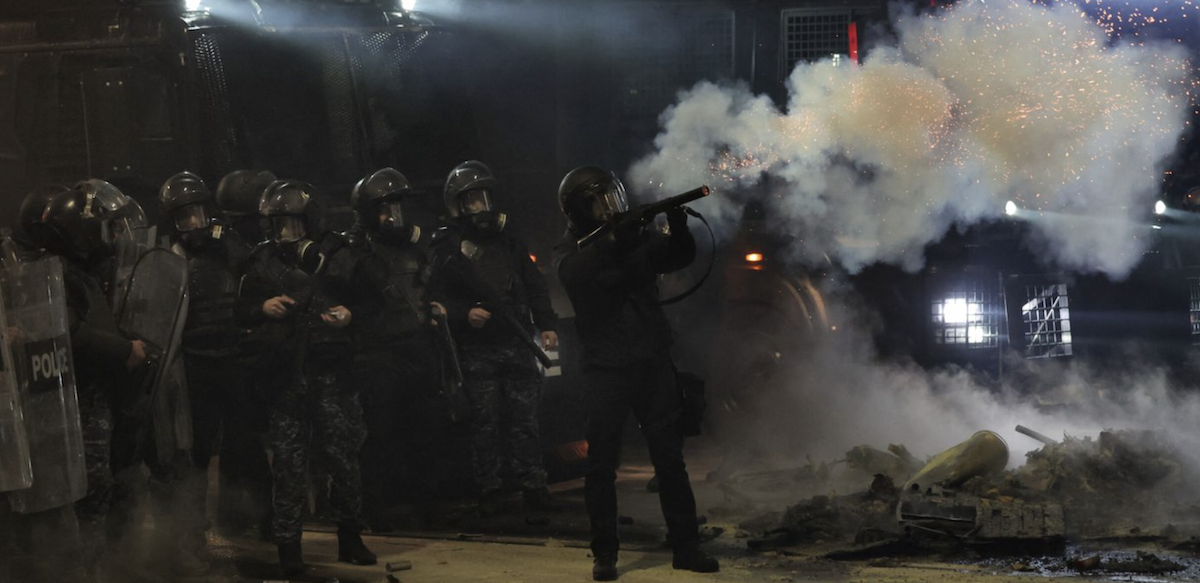
In her conversation with Formula, the UN special rapporteur also commented on the actions of the Georgian police in the context of torture, using the word “weapon” to describe the means employed against protesters.
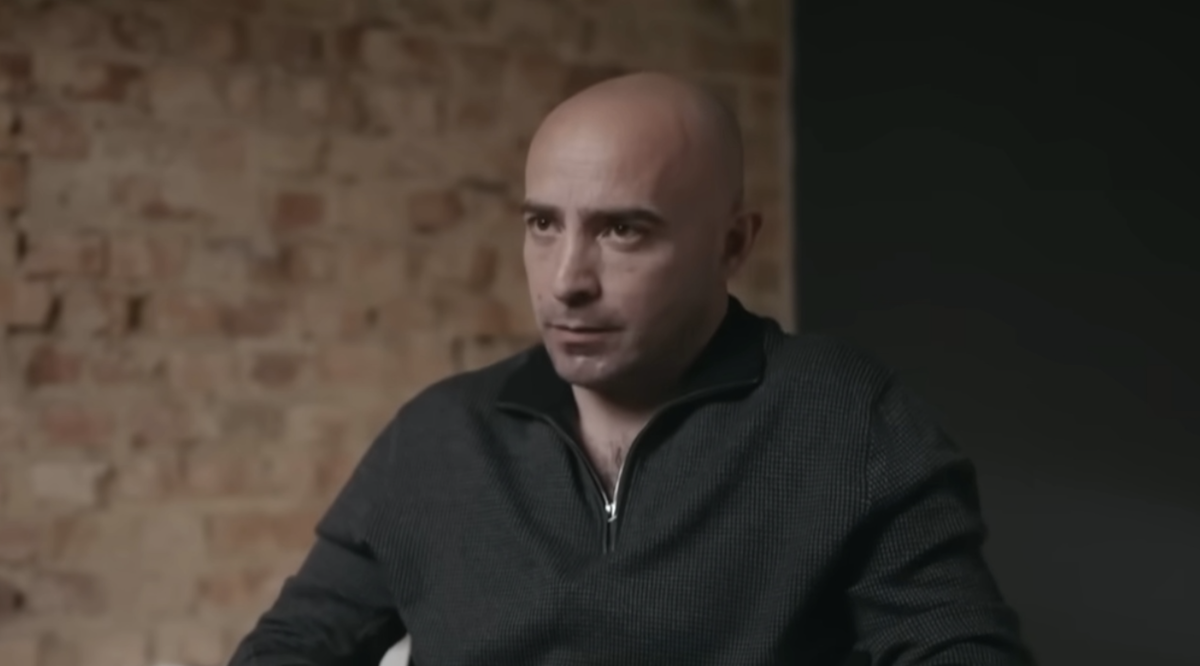
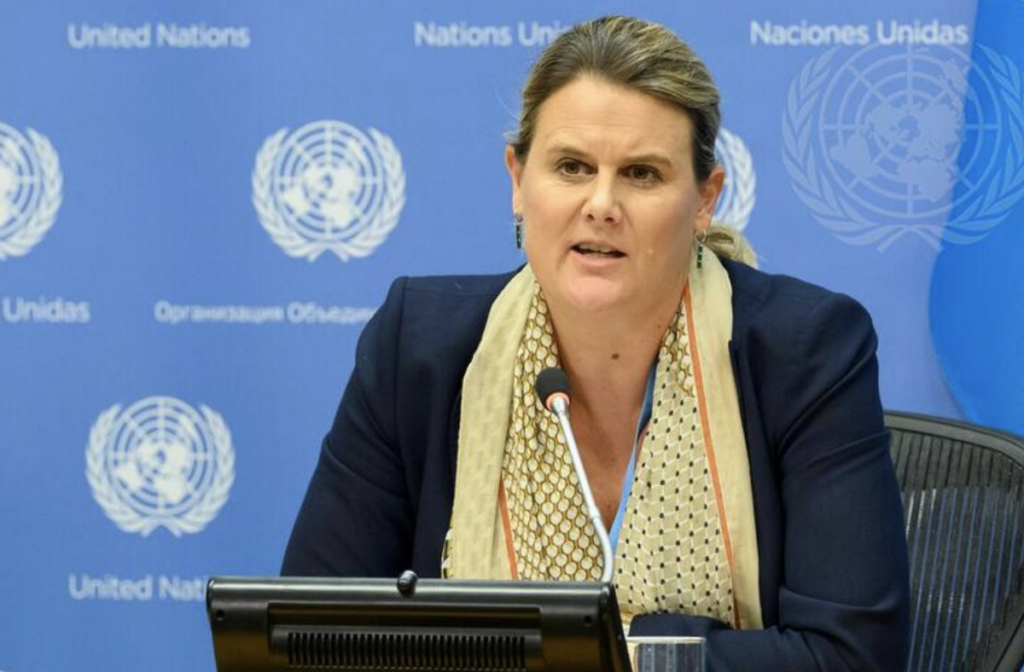
Jill Edwards said: “One of the fundamental principles of international law is that a government cannot investigate itself. One of the most important aspects of state authority is its transparency, and that requires investigations that are transparent, independent and impartial. For example, I would urge [Georgian Dream] to use the Council of Europe’s mechanisms.
“We have seen these mechanisms applied in investigations in Serbia, where protests took place around the same time as in Georgia, and those inquiries focused on the use of acoustic weapons, which are also experimental. There is precedent for such investigations, and I believe this is exactly the path that should be followed.
“I sent a letter to the Georgian government together with other special rapporteurs, and we still have not received an official response regarding the investigations they say they have carried out, the chemical agents used, and the way those agents were deployed. Until I receive official information, much remains unclear to me.
“The number of injuries is disproportionate to the scale of the protest. It is also disproportionate compared with similar protests elsewhere, and this is a cause for serious concern — especially the large number of head injuries.
“All of this needs to be investigated to ensure proper medical treatment. Some people may require long-term care. These are very dangerous trends.
“There are clear rules on how police should manage protests. There are rules on legality and proportionality. It is obvious that proportionality has been a major issue in the context of the protests in Georgia and needs far closer examination.
“Although Georgia is outside the EU, it has very strict anti-torture standards, and the weapon allegedly used — in particular the mixture of water and chemical substances, which I consider to be an experimental weapon and therefore prohibited — requires serious investigation. I will continue to press the authorities to carry it out.”
UN special rapporteur on torture – on Georgia