'Sabotage case' in Georgia: Eight opposition figures appear in court






Sabotage case in Georgia
Court hearings have begun in Georgia in a criminal case against eight opposition politicians accused of sabotage.
Those charged include former president Mikheil Saakashvili; Giorgi Vashadze, leader of the Strategy Aghmashenebeli party; leaders of the Coalition for Change — Nika Gvaramia, Nika Melia, Zurab Japaridze and Elene Khoshtaria; and leaders of the Lelo–Strong Georgia coalition, Mamuka Khazaradze and Badri Japaridze.
The authorities present the high-profile case as a crime against the state, while the opposition says it is politically motivated persecution.
Charges agains oppositionists
The so-called “sabotage case” was opened by Georgia’s prosecutor’s office in 2025.
According to the prosecution, the opposition figures “provided foreign states with information about the country’s security, the import of petroleum products and other issues, to the detriment of Georgia’s state interests.”
Prosecutors say that, as a result of these actions, a number of countries imposed personal sanctions on around 300 Georgian citizens, including political figures, civil servants and businesspeople.
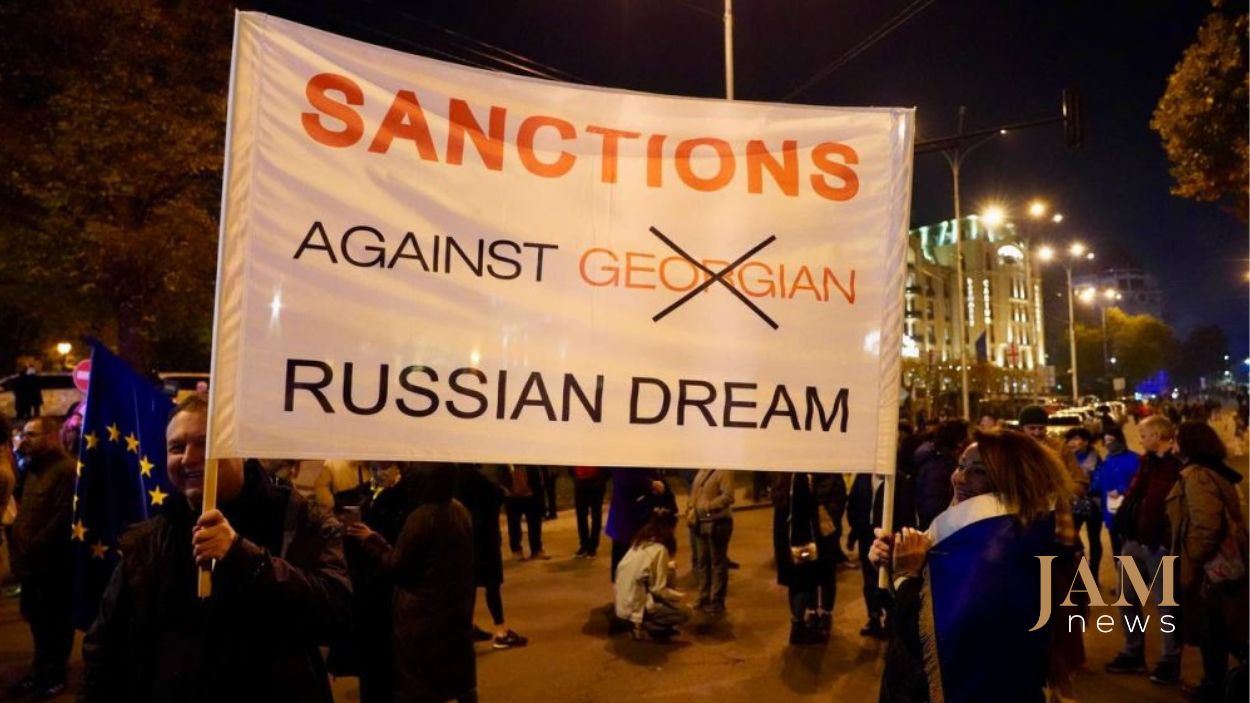
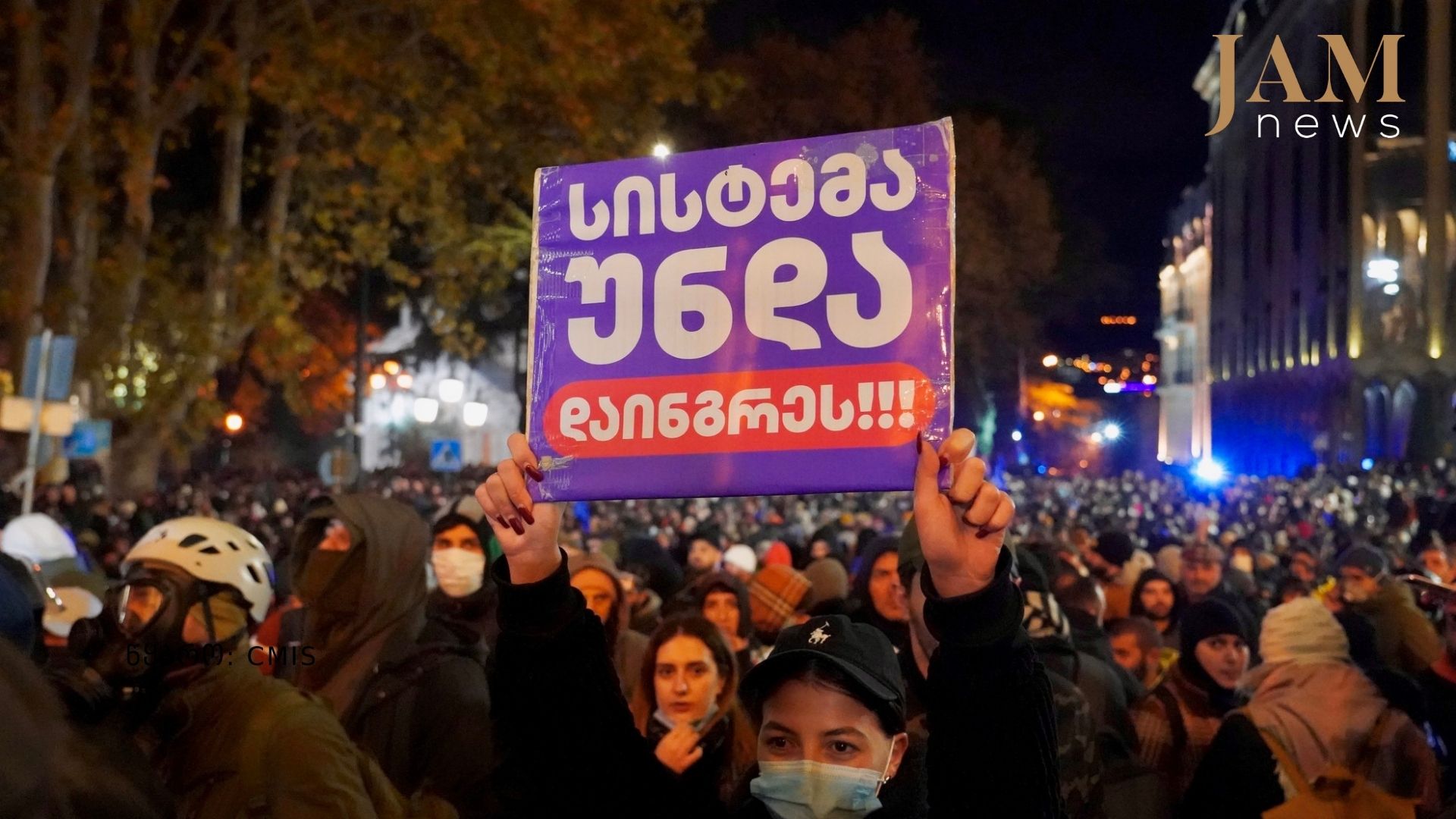
Prosecutors also accuse the opposition figures of, “with the aim of radicalising the process” after the 2024 parliamentary elections, expressing distrust in the results, organising street protests and calling for action against the government.
Mikheil Saakashvili, who has spent nearly five years in prison on other cases, is accused of calling for the overthrow of the authorities, while the other politicians face charges of sabotage and aiding hostile activities in favour of a foreign state.
Some of the defendants are also accused of supporting activities directed against the constitutional order.
What the defence says
The defence’s main complaint concerns the structure and content of the case materials. According to the lawyers, the files — which run to dozens of volumes — do not clearly specify which evidence relates to which defendant.
As reported by Netgazeti, the lawyers told the court that this effectively limits their right to a defence, as the disorganised case files make it unclear which pieces of evidence they should challenge.
Defence arguments
Lawyers say the case files include political statements, interviews and other documents whose link to the defendants or to the charges is not explained.
Zviad Kordzadze, the lawyer for Mamuka Khazaradze and Badri Japaridze, said the prosecution was presenting various interviews and public statements as evidence, which, in his view, effectively turns political activity into a criminal offence.
Other lawyers also say that some of the materials were taken from other cases and do not establish direct links to specific defendants.
However, the court rejected defence motions to exclude the evidence or dismiss the case, and the proceedings will continue.
Defendants’ position
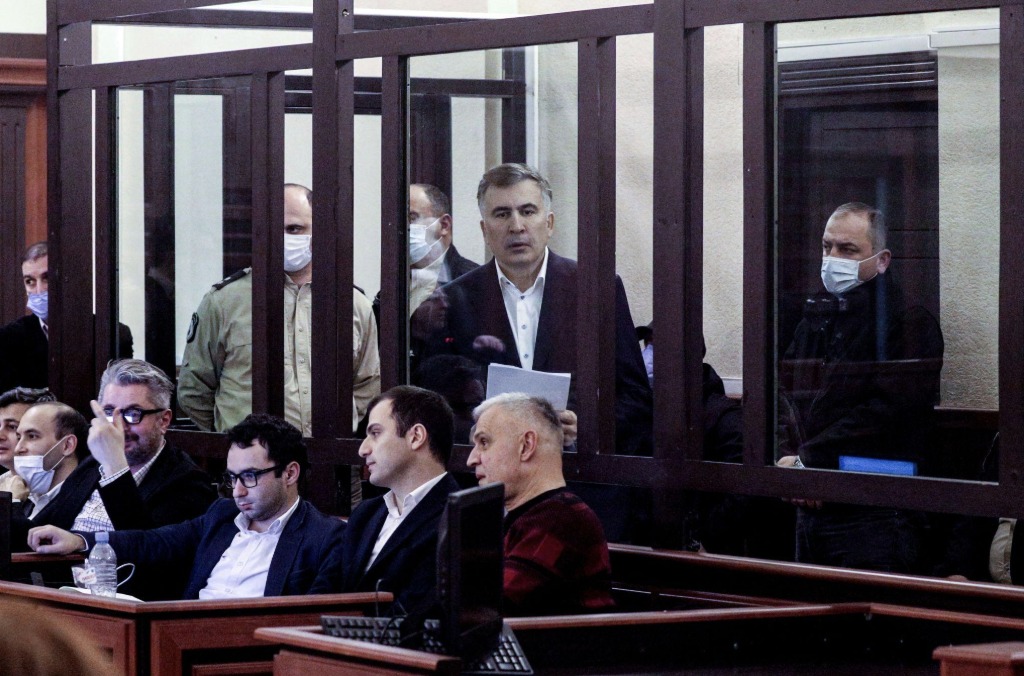
The first preliminary hearing in the sabotage case was held on 10 February at Tbilisi City Court.
Those present included Mikheil Saakashvili, Nika Gvaramia, Giorgi Vashadze, Zurab Japaridze and Badri Japaridze.
Mamuka Khazaradze, Elene Khoshtaria and Nika Melia were absent. Khazaradze is abroad, while Melia and Khoshtaria, according to their lawyers, called the process a “political farce” and refused to attend.
In court, the defendants pleaded not guilty, insisting the case was politically motivated and aimed at criminalising political activity as such.
Nika Gvaramia said the multi-volume case files contained only a few episodic mentions of his name and did not describe any concrete actions that could be considered a crime. Other defendants voiced similar views, including Zurab Japaridze, who called the case “absurd”.
Giorgi Vashadze said the case was linked to the country’s European integration and the political crisis of recent years, arguing that criticism of government policy and support for EU membership could not be treated as sabotage.
Those who, to one degree or another, represent major parties are now sitting together in the dock. This whole crisis was about Georgia joining the European Union. I was obliged to do everything so that Georgia would become a member of the European Union. Is this sabotage?
Mikheil Saakashvili also made broader political remarks in court and described the process as “absurd”, calling for unity among the opposition.
We must realise the absurdity we are living in. What matters now is the country. Any party, personal ambitions, old grievances or new quarrels are smaller than the challenges facing Georgia.
Saakashvili added that, if convicted, he could face up to 16 years in prison in total — “more than for paedophiles and serial killers”.
After the preliminary hearing, the judge referred the case for trial. At this stage, the court accepted all the evidence as admissible, to be assessed at later hearings.
The case contains more than 40 volumes of materials and involves hundreds of witnesses. Prosecutors say that at trial each piece of evidence will be linked to the relevant defendants.
The judge also said the materials presented made it possible to assume that a guilty verdict could be delivered.
International reaction
The criminal case against Georgia’s opposition leaders has drawn negative reactions from the international community.
The US State Department, for example, said it was concerned by any actions by the Georgian authorities that could undermine fundamental freedoms.
In its statement, it said a democratic mandate cannot be obtained by censoring opponents, arresting them, or restricting political pluralism.
You cannot gain a democratic mandate by censoring opponents or putting them in jail, and you cannot win by ignoring your core electorate on the question of who should be part of society.
Political context
Hearings on the merits are due to begin on 23 February, when the court will start a detailed examination of the evidence, question witnesses and assess the claims.
The outcome could have a significant impact on Georgia’s domestic political situation, as well as on relations with Western partners, who are closely watching the state of the country’s legal and democratic institutions.
The trial is taking place alongside months of continuous protests. Tensions rose sharply after the 2024 parliamentary elections, which the opposition says were rigged and whose results it still does not recognise. The situation worsened further after the government decided to suspend the country’s EU accession process.
In recent years, Western partners have repeatedly pointed to democratic backsliding and increasing political polarisation in Georgia.
Sabotage case in Georgia