

Pro-Russian party linked to Georgian Dream calls for debate on EU integration






A new surge in anti-EU rhetoric in Georgia
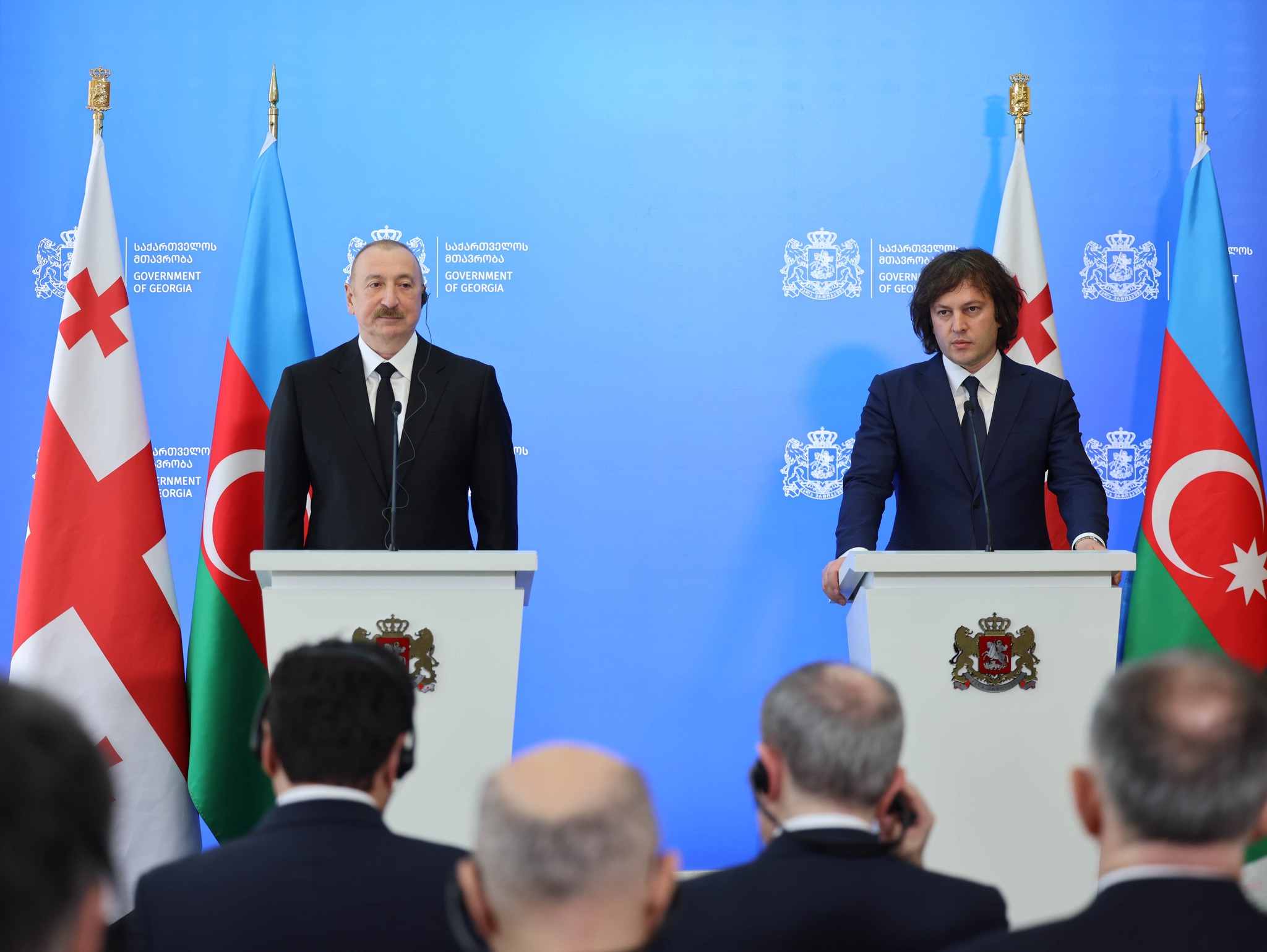
Pro-Russian and anti-European rhetoric in Georgia is entering a new phase. A party allied with the ruling Georgian Dream — United Neutral Georgia — has called on pro-government television channels Rustavi 2 and Imedi to hold public debates on Georgia’s integration into the European Union.
The party’s statement is accompanied by harsh rhetoric portraying the EU as a “degenerating structure” and European integration as a threat to Georgia.
What the satellite party says
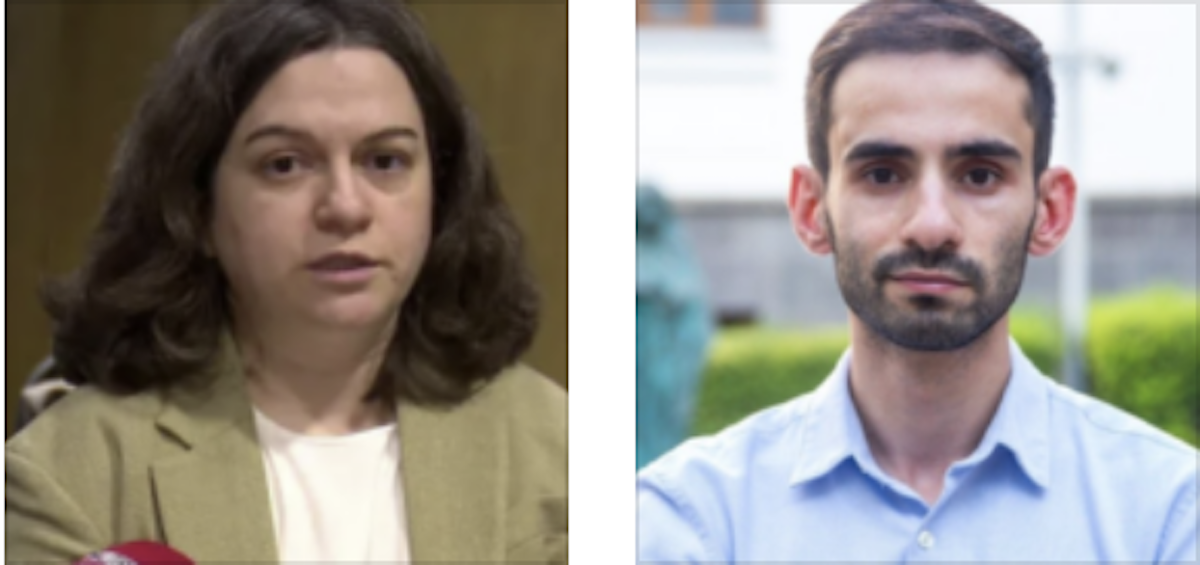
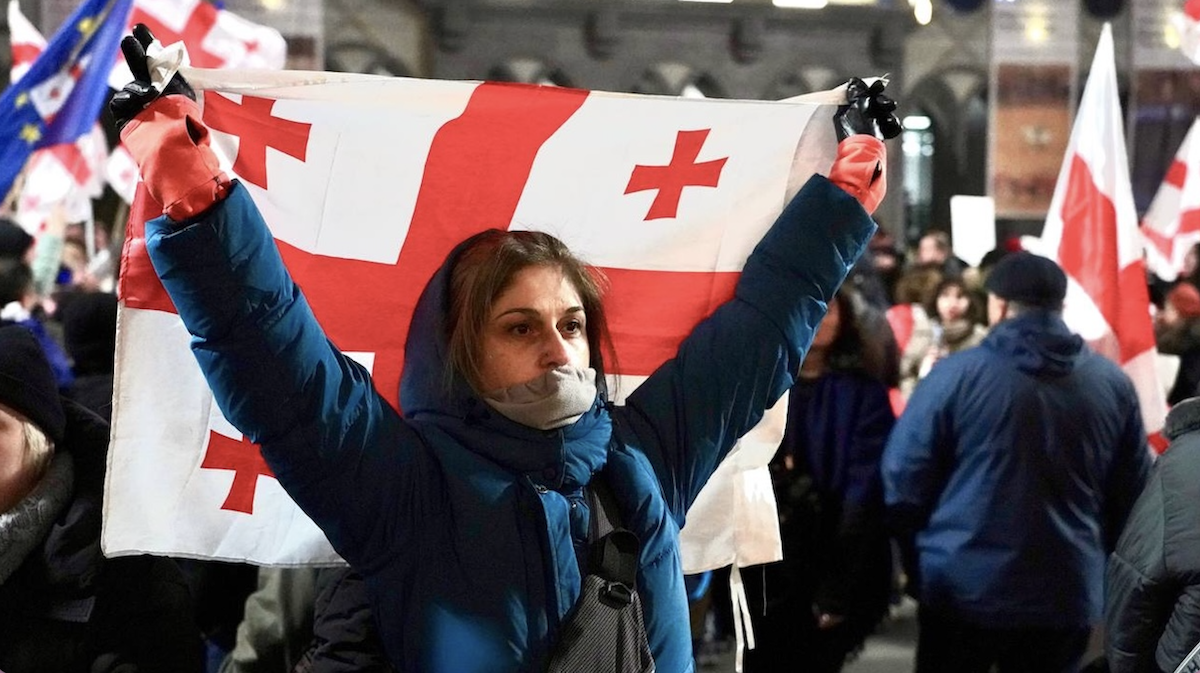
The party United Neutral Georgia is associated with Vato Shakarishvili and Nana Kakabadze — figures who frequently echo narratives promoted by the ruling Georgian Dream about a supposed “deep state”, Western pressure and the alleged risk of Georgia being “dragged into the [Russia–Ukraine] war”.
In its statement, the party directly questions Georgia’s foreign policy course and the constitutionally enshrined goal of integration into the European Union. The EU is described as an economic, spiritual and moral “quagmire”, while European integration is portrayed as a form of “servile submission”.
The party claims that society has already “opened its eyes” and asks to what extent the pursuit of EU membership corresponds to Georgia’s sovereign interests in what it calls a new geopolitical reality.
Conspiracy theories: the “deep state” and fear of war
The rhetoric used by United Neutral Georgia closely mirrors arguments advanced by Georgian Dream officials in recent years.
The statement refers to a so-called “deep state” that allegedly controls the European Union and seeks to draw Georgia into a war against Russia. According to the authors, since the start of the war in Ukraine, the West has actively tried to involve Georgia in the conflict, with the EU playing a role through its bureaucratic mechanisms.
“Over the past four years alone, following the outbreak of the provoked and coordinated war between Russia and Ukraine, the desire of the ‘deep state’ to drag Georgia into the war has been so strong, and the European Union has been so actively involved in pursuing this aim through its bureaucratic machinery, that while questioning Georgia’s European integration was once considered bad taste, today the country’s movement towards Europe is becoming increasingly unacceptable to the Georgian people,” the statement says.
Calls for debate: dialogue or a disinformation campaign?
United Neutral Georgia says it is ready to discuss European integration with government representatives live on air and has urged the television channels Rustavi 2 and Imedi to organise public debates.
The party argues that there is “no more important issue” in the country than revisiting integration with the European Union. It claims the government is ignoring public opinion and continuing a process that it describes as being “on life support”.
Critics, however, see a different picture. They note that the call for debates comes at a time when the ruling team has become increasingly cautious or distant in its approach to the EU, shifting responsibility onto Western institutions.
The EU as a domestic political target
In the party’s statement, the EU is portrayed not as an institutional partner but as a morally and politically “bogged down” entity. The text refers to:
- claims of Western funding for revolutions in Georgia.
- alleged EU interference in elections in Georgia;
- sanctions;
- threats by the EU to suspend Georgia’s visa-free regime;
The role of satellite parties in the government’s strategy
Political analysts say satellite parties often act as a “testing ground”, voicing ideas that the ruling party cannot express directly.
Anti-European messages promoted through such allies are gradually normalised in the public space. If the public reaction is neutral, the rhetoric is broadened. If resistance is strong, responsibility for the statements formally remains with “marginal actors”.
Against this backdrop, the initiative by United Neutral Georgia is seen not as an isolated move, but as part of a wider information campaign.
A new surge in anti-EU rhetoric in Georgia