Opinion:'Trump’s 25% tariffs will not be a major burden for Armenia'






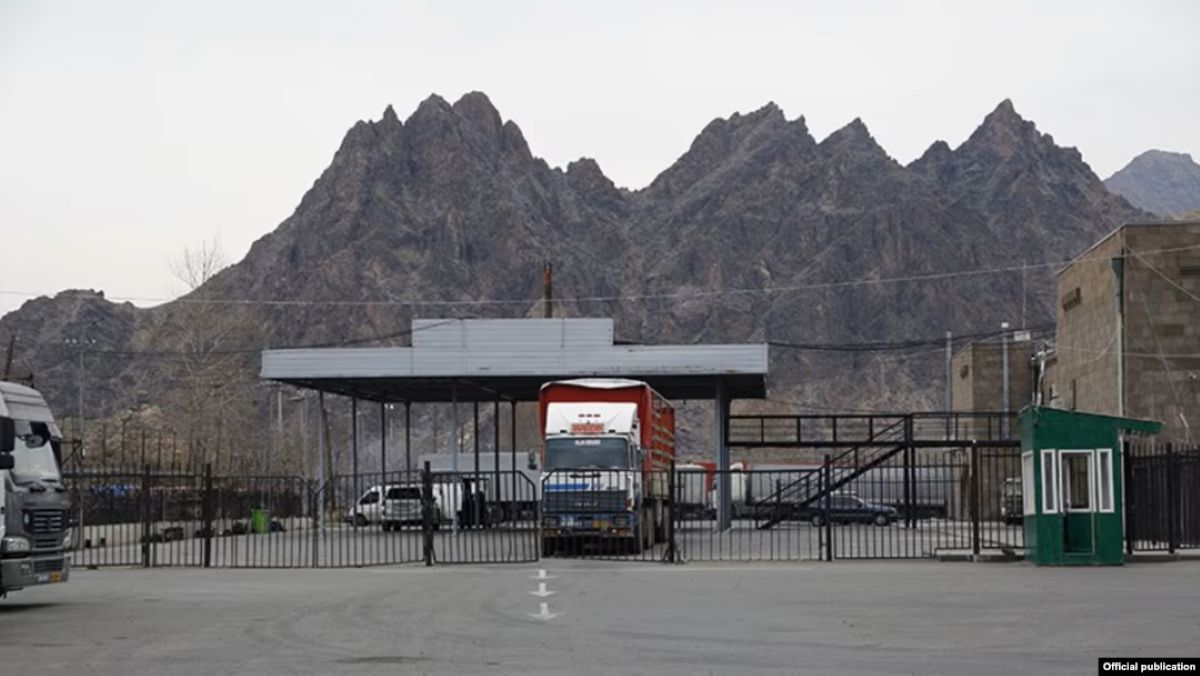
Impact of Trump’s 25% tariffs on Armenia
Following Donald Trump’s statement on imposing 25% tariffs on countries that cooperate with Iran, Armenian officials have said the country continues to pursue a balanced policy with both the United States and Iran.
“You know which programmes we are implementing with the United States today. You also know what kind of relations we have with Iran. I hope we will continue to pursue a balanced policy with our two partners, guided by the same logic,” said Artur Hovhannisyan, secretary of the ruling Civil Contract faction, during regular parliamentary briefings.
Trump’s announcement has not yet taken the form of a legal act and has not entered into force. Even so, Armenian economists have already begun to analyse the possible consequences for the country’s economy. They are also discussing how the move could affect Armenia’s bilateral economic relations with Iran and the United States.
Economist Anna Pakhlyan said the decision to introduce 25% tariffs would have only a limited impact on Armenia’s economy in terms of customs burdens.
“Given the practical implementation of US–Armenian strategic cooperation within the joint TRIPP project, I see a real possibility that Armenia could be included on the list of exemptions from the new customs tariffs,” she said.
According to the expert, the political context of Trump’s statement matters more, especially in light of Iran’s geopolitical and strategic importance for Armenia.
- US stake in TRIPP project to reach 74%, Yerevan and Washington say
- Iranian president: “Visit to Armenia is part of priority trips to neighbouring countries”
- Will US vice-president visit Armenia? Yerevan discusses possible trip
Economist’s commentary
Economist Anna Pakhlyan said Trump’s statement signals Washington’s intention to apply economic pressure on Iran. She stressed that any country with economic ties to Iran could come under pressure.
“Even though the United States has not yet published a legal mechanism or outlined exemptions for this policy, uncertainty and a sense of coercion are increasing for Armenia’s foreign trade,” she said.
Pakhlyan said Armenia could still end up on an exemption list. At the same time, she noted that no official document exists so far and that key details remain unclear.
“It is not clear whether tariffs on countries cooperating with Iran will depend on the scale and depth of trade and economic ties,” she said. “It is also unclear whether even minimal trade with Iran could trigger additional levies. We also do not know whether customs duties would apply to exports, imports, or both. Clarifying these conditions would significantly change the scale and scope of any potential tariffs.”
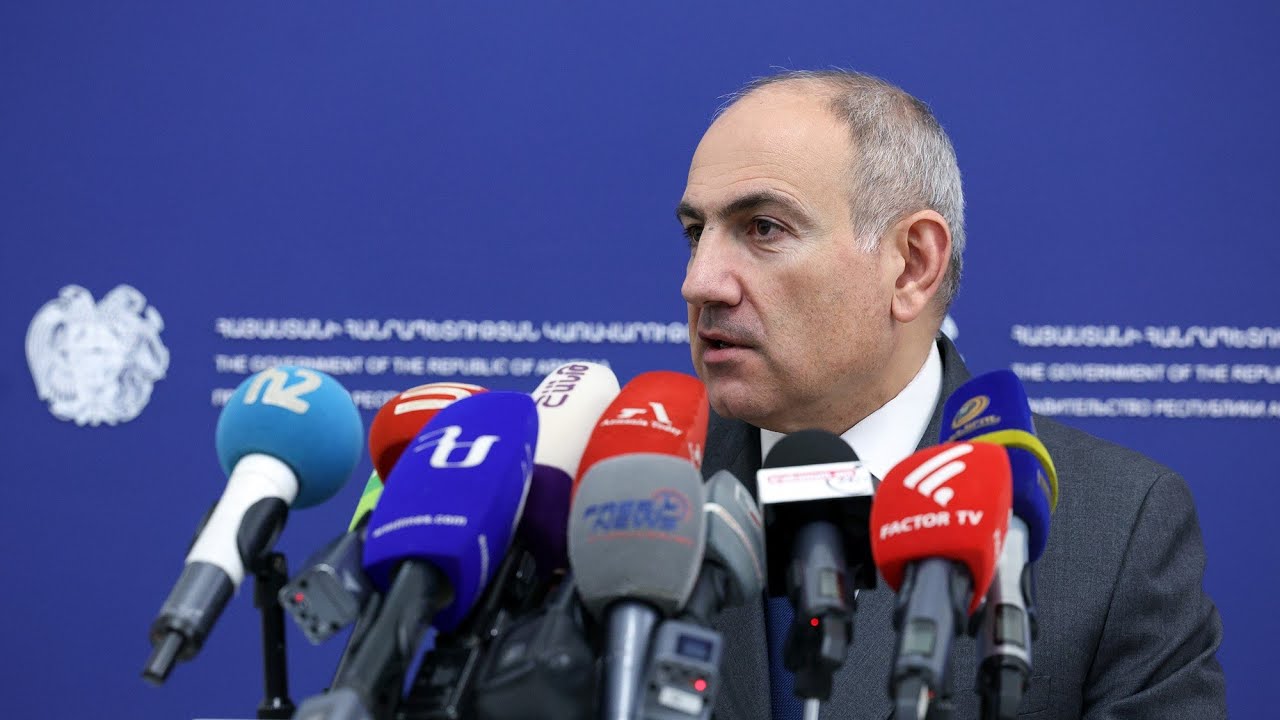
Economist Anna Pakhlyan said that if tariffs are introduced, the “main targets” would be Iran’s largest trading partners.
According to official data, these include China, which accounts for about 40% of Iran’s exports, followed by Iraq (13%), the United Arab Emirates (11%), Turkey (10%) and India (3.4%).
“As for Armenia, it accounts for only 0.66% of Iran’s exports. However, Iran’s share in Armenia’s foreign trade is slightly higher,” she said.
Pakhlyan cited the following figures:
- In 2024, Armenia exported goods worth $108.3m to Iran, or 0.8% of its total exports.
- Exports from Armenia to the United States in 2024 amounted to $58.9m, or 0.5% of total exports.
- Between January and November 2025, Armenia exported $83.4m worth of goods to Iran and $46.2m to the United States.
“The volume of Armenia’s exports to the United States is small. The Iranian market also does not rank among the main export destinations for our country,” she said.
She added that import volumes also remain “insignificant”.
In 2024, Armenia imported goods worth $351.7m from the United States, or 2.1% of total imports. Imports from Iran reached $629.2m, accounting for 3.7% of the total.
“Under these conditions, the introduction of a 25% customs tariff on economic cooperation with Iran would have a negligible impact on Armenia’s economy,” Pakhlyan said.
Impact of Trump’s 25% tariffs on Armenia