Impunity, violence and inequality: What Georgia’s ombudsman report reveals






Georgia ombudsman report
Georgia’s ombudsman has presented an annual report to parliament assessing the state of human rights in 2025, highlighting both signs of progress and deep systemic problems.
The document, which will soon be discussed in parliament, sets out specific recommendations for the authorities. Its main message, however, is that in several areas the situation requires not just improvement, but urgent action.

Occupied territories and the effect of isolation
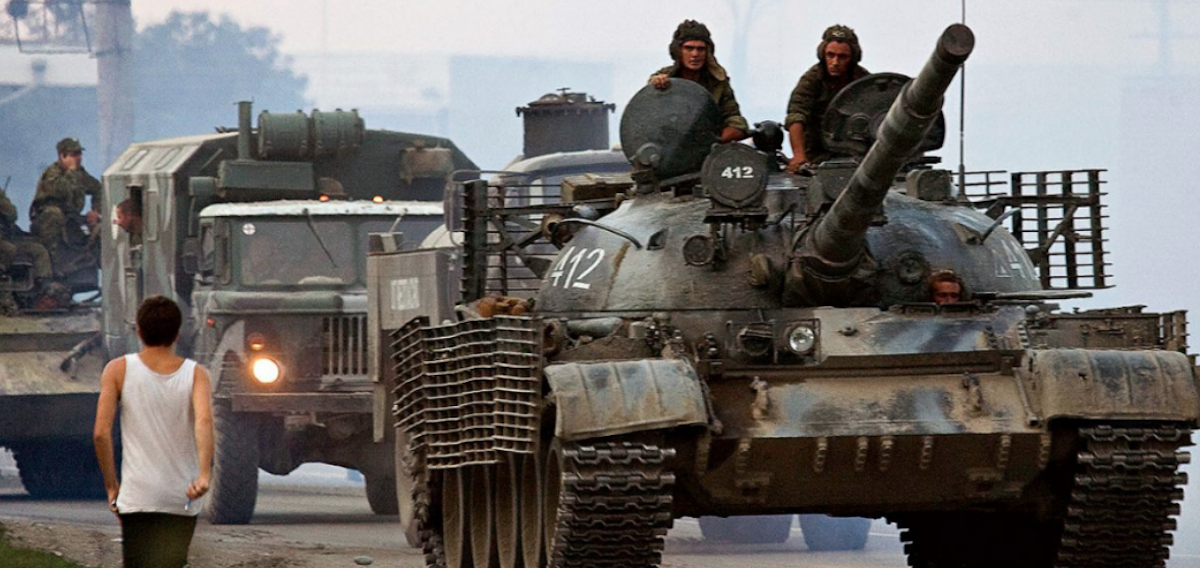
One of the most serious sections of the report focuses on the situation of residents in occupied regions and villages along the occupation line. The ombudsman says unlawful detentions and deprivation of liberty remain a systemic problem, worsened by a climate of impunity.
The document describes in detail the process of so-called “borderisation”, which deprives local residents of property rights and restricts their daily lives. It also highlights limits on education in native languages and cases of ethnic discrimination.
Against this backdrop, the report notes a growing trend of youth migration from areas near the occupation line, accelerating demographic decline. At the same time, the issue of housing for internally displaced persons remains unresolved.
Protests, use of force and a sense of impunity
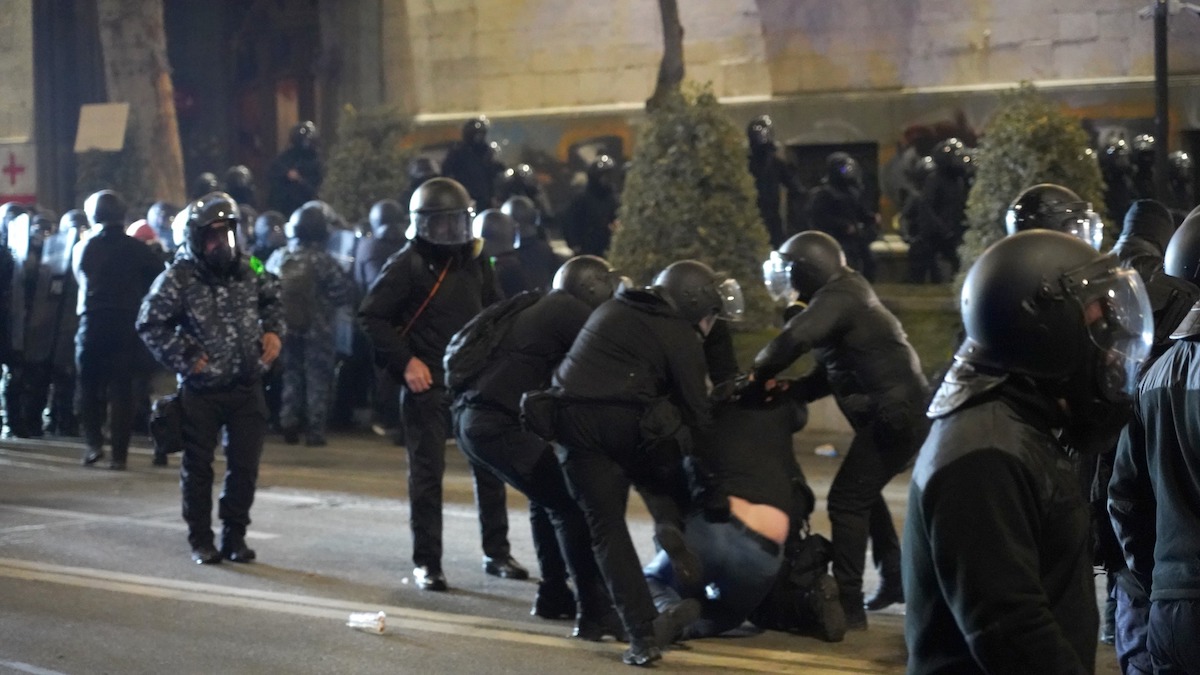
The report examines protests held in 2024–2025 and the violations recorded during them. The ombudsman points to numerous cases of ill-treatment and says investigations into these incidents are often ineffective.
The data presents a clear picture: a significant share of those detained during protests in different years say they experienced violence. The figure rises sharply during protests in late 2024 and early 2025. According to the report, nearly three out of four people visited in the first days of the winter protests—about 75%—reported ill-treatment, indicating a crisis of trust in state institutions.
In this context, the report also addresses restrictions on freedom of expression and alleged politically motivated dismissals in the public sector, raising further concerns about the functioning of democratic institutions.
“Among those detained during the protests of 20–21 June 2019 and visited by the Public Defender’s representatives, 30.2% reported ill-treatment.
During the protests of 7–9 March 2023 — 20.8%.
During the protests of April–May 2024 — 51.1%.
Among those visited by the ombudsman’s representatives between 28 November 2024 and 1 March 2025, 60% reported ill-treatment.
At the same time, in the first days of the dispersal of the winter protests—from 29 November to 2 December 2024—79.5% of those visited reported ill-treatment. During visits on 2–3 February 2025, 22 out of 25 people, or 88%, said they had experienced ill-treatment,” the report states.
Penitentiary system and law enforcement
The report highlights severe overcrowding in the penitentiary system, which negatively affects both detention conditions and opportunities for rehabilitation. It also identifies the inefficiency of early release mechanisms as a key issue.
At the same time, shortcomings within the Ministry of Internal Affairs are once again described as a chronic problem, particularly in terms of the quality of investigations and accountability.
Gender-based violence and vulnerable groups
The report stresses that preventing gender-motivated killings, including femicide, remains a serious challenge. Despite some legislative progress, the justice system and preventive mechanisms remain insufficiently effective.
The document also addresses barriers faced by national and religious minorities. It places particular emphasis on vulnerable groups—children, people with disabilities and the elderly—whose situation is often difficult and further worsened by poverty and weak social protection systems.
Pressure on socio-economic rights
The report also points to systemic shortcomings in the areas of health and labour rights. Patient rights protection remains problematic, while legal guarantees for fair pay are still insufficient.
It also identifies substandard social housing and limited access to water in some regions—issues that directly affect daily life.
According to the report, specific recommendations have been prepared to address these problems, with parliament ultimately responsible for their implementation.
The document will first be reviewed by the human rights committee before moving to a plenary session. This process will determine whether the findings lead to real political change.

Georgia ombudsman report