

Georgia to launch large-scale review of socially vulnerable families database






Social assistance in Georgia
Georgia’s Social Service Agency is launching a large-scale review of families registered in the database of socially vulnerable groups. The government believes the status of thousands of benefit recipients may no longer reflect their actual social and economic circumstances.
Health Minister Mikheil Sarjveladze announced the initiative. He said the data contained in the unified database “does not correspond to the recognised economic progress” the country has achieved in recent years. The minister said there were grounds to suspect “manipulation of figures and the creation of false perceptions”. Sarjveladze also said that “it is time to put an end to political speculation”.
According to official data, about 410,000 families — roughly 1.3 million people — are currently registered in the Unified Database of Socially Vulnerable Families. More than 185,000 families, or around 710,000 people, receive financial assistance. More than half of the registered families do not receive direct financial support, although they benefit from various state privileges provided by law.
The review will take place in stages over the coming months under a programme defined by the ministry. Authorities will prioritise families whose circumstances suggest they may no longer meet the criteria for social assistance. One of the indicators is a monthly income of 2,000 lari over the past three months.
According to the minister, the aim of the review is to ensure that only families genuinely entitled to state support remain in the database, in line with current legislation. This includes both direct financial assistance and various social benefits.
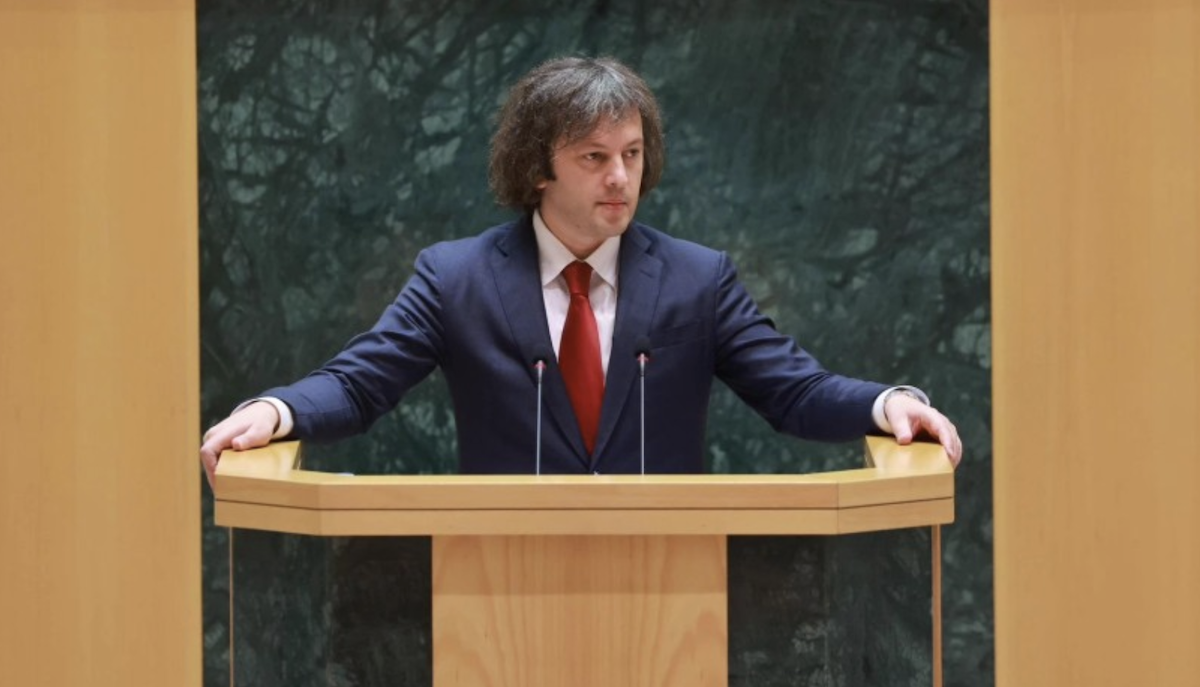
Sarjveladze said the threshold used to determine eligibility for benefits has doubled since 2012, which, in his assessment, made assistance accessible to a much broader group of people. He argued that without this change, the number of families receiving support today would not exceed around 120,000.
The minister also noted that authorities carried out almost no inspections during the moratorium introduced after the Covid-19 pandemic, “except in the rarest cases”. As a result, he said, the database still includes families that no longer require social assistance.
Sarjveladze also referred to cases he believes point to a systemic problem. According to him, some families that earned tens of thousands of lari in recent months purchased new 2024-model vehicles or took out bank loans worth hundreds of thousands of lari. In such cases, the minister said, officials observe “an improvement in material conditions”, which raises questions about whether those families should continue receiving social benefits.
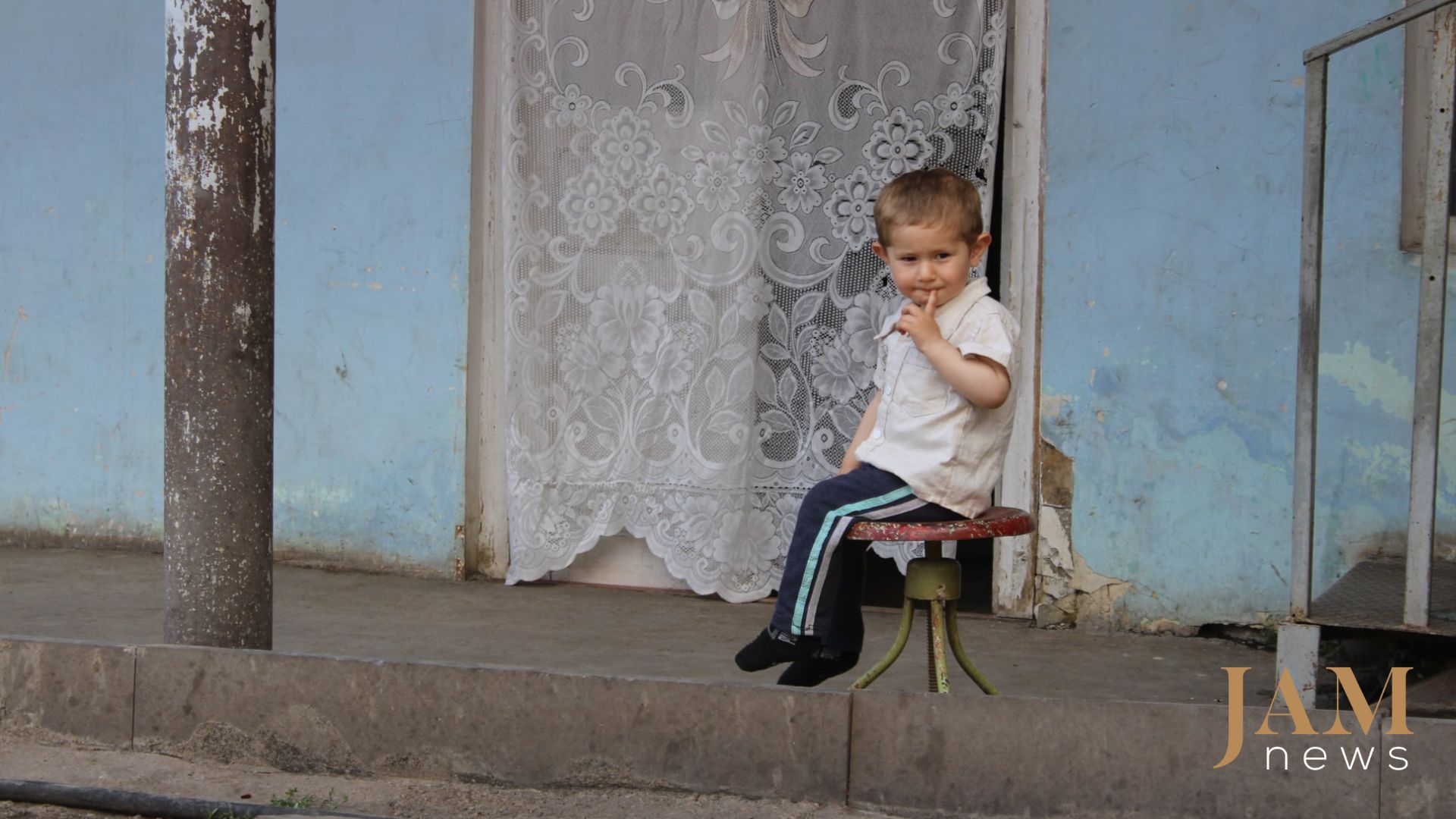
Two days earlier, Prime Minister Irakli Kobakhidze of the Georgian Dream party expressed a similar position in parliament. He said a preliminary analysis suggested that about 8% of social assistance recipients were “well-off”, meaning they not only had incomes higher than poverty indicators but were “genuinely financially secure”.
The government says the process requires “special attention” and insists the review will take place under strict oversight. According to the minister, the process will be lengthy and thorough, and should ultimately lead to a “more effective and targeted” distribution of social resources among those who genuinely need support.

Social assistance in Georgia