EU document on Ukraine calls on Russia to withdraw troops from Georgia, Radio Liberty reports






EU stance on Russia–Ukraine talks
The European Union has prepared an internal document outlining possible concessions Moscow could make in the ongoing negotiations to end the Russia–Ukraine war, including a direct call for Russian forces to withdraw not only from Ukraine but also from neighbouring countries, including Georgia.
According to Rikard Jozwiak, editor of Radio Liberty’s Europe bureau, the document has already been circulated among EU member states, and parts of it may be discussed by foreign ministers in Brussels on 23 February.
The document, titled “Europe’s core interests in securing a comprehensive, just and lasting peace and security on the continent,” sets out Brussels’ view of the minimum conditions under which it could regard an end to the war in Ukraine as sustainable.
The text calls for a ban on any Russian military presence in Belarus, Ukraine, Moldova, Georgia, and Armenia.
This information is particularly significant for Georgia, where Russian occupation forces remain stationed in Abkhazia and the Tskhinvali region, also known as South Ossetia. Russian military presence also continues in Transnistria in Moldova, as well as in Armenia and Belarus — regions seen as an important part of the Kremlin’s security architecture.
According to Jozwiak, the document stresses the principle that if Ukraine is asked, as part of negotiations, to reduce the size of its armed forces or withdraw from certain territories — as is being discussed in the current US-mediated talks — Russia should be required to take similar steps. The wording suggests an attempt by the EU to establish a principle of symmetry in the negotiating terms.
The text also reaffirms the EU’s long-standing policy on Russia-occupied territories in Ukraine, stating that their recognition is unacceptable. Jozwiak said this approach mirrors the policy Brussels has pursued for years regarding the occupied regions of Georgia.
The document goes beyond military issues and also calls on Moscow to halt disinformation campaigns, sabotage, cyberattacks, airspace violations, and election interference in Europe and neighbouring countries. Notably, all of these points directly affect Georgia.
According to the available information, EU foreign policy chief Kaja Kallas has already shared the document with member states. Although the EU is not directly involved in the current US-mediated negotiations, the text states clearly that “peace and security are impossible without the participation of the EU and [the protection of] its core interests at the negotiating table.”
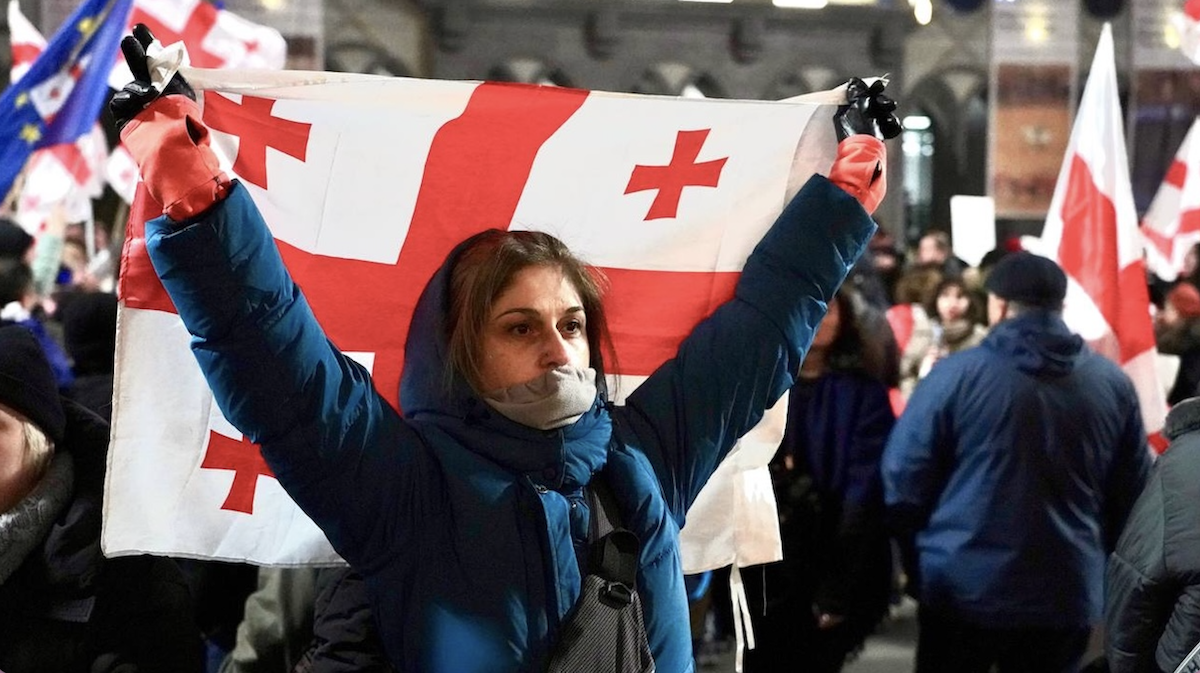
The leaked document suggests that Brussels is seeking to institutionalise its role in a process that concerns not only Ukraine but the security architecture of the entire continent. For Georgia, this means that the ongoing negotiations over the war in Ukraine could directly affect the status of its occupied territories and the country’s future security.
EU stance on Russia–Ukraine talks