Another Azerbaijani diaspora leader arrested in Russia – what’s happening?






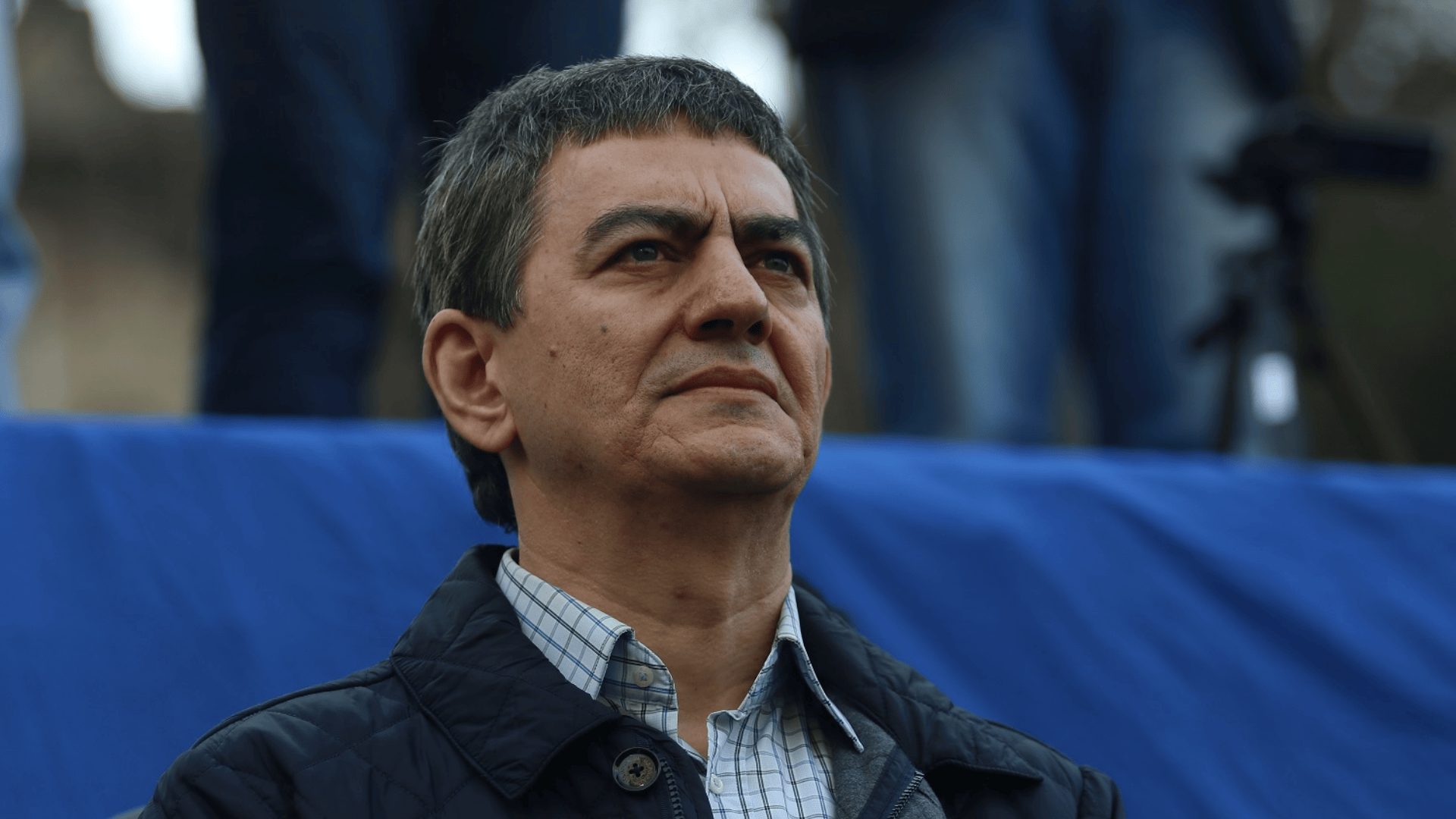
Arrest of Azerbaijani diaspora leader
In Yekaterinburg, Russia, police, with the involvement of special units, detained Vidadi Mustafayev, the head of the Azerbaijani community. According to Baku, the organisation he leads is not among the official diaspora groups recognised by Azerbaijan.
The initial official explanation states that he was arrested on suspicion of fraud related to a land sale transaction.
Russian law enforcement agencies are reportedly investigating the incident, and the criminal case against Mustafayev remains under review.
The commentary was prepared by a regional analyst. The terms, place names, opinions, and ideas expressed reflect solely the author’s or the specific community’s position and do not necessarily represent the views of JAMnews or its individual staff members.
Who is Vidadi Mustafayev and how did he become the leader of the diaspora?
The name Vidadi Mustafayev has been known to the public for some time. Azerbaijani media report that in September this year he declared himself chairman of a new public organisation called the “Centre for Culture, Youth and Sports of Azerbaijanis in the Urals.” The organisation was intended to represent the Azerbaijani community living in the Yekaterinburg region.
At that time, Russian media also reported that Mustafayev had been “elected the new head of the Azerbaijani diaspora” in Sverdlovsk Oblast (the Ural region). The pro-government site oxu.az noted:
“He was ‘elected’ by an unknown group in an unspecified organisation to the position of ‘leader.’ In doing so, he took the place of the former diaspora head, Shahin Shykhlinsky, who had been active in the region for many years.”
Shahin Shykhlinsky was detained by Russian law enforcement earlier, in August. According to available information, he was sent to a detention centre by a decision of Moscow’s Basmanny Court on 4 August, facing charges of attempted murder and using violence against a government official.
His son, Mutvaly Shykhlinsky, was also detained in July on similar charges.
According to Russian media, Mustafayev announced his decision against the backdrop of criticism of Shahin Shykhlinsky:
“He accused the former leader of failing to integrate compatriots and of turning the diaspora into a ‘criminal nest.’ After Shykhlinsky’s arrest, Mustafayev declared himself the new leader of Azerbaijanis in the Ural region.”
Position of Azerbaijani officials and media
Azerbaijani authorities and pro-government media have commented cautiously and critically on Vidadi Mustafayev’s claims as a “diaspora leader” and on reports of his subsequent arrest. Sources close to the State Committee for Work with Diasporas told the pro-government agency APA that the person named Vidadi Mustafayev has no actual connection to the Azerbaijani diaspora.
Pro-government media also circulated critical information about Mustafayev’s past. APA reported that, according to available information, he had previously been repeatedly held accountable for economic crimes.
He reportedly faced multiple accusations of fraud and other financial offences. Azerbaijani media also noted that Mustafayev’s name had appeared in several high-profile cases in Russia.
Some publications claim he acted as an intermediary in a major bribery case overseen by law enforcement authorities but avoided punishment by cooperating with the investigation. Against this background, official media strongly criticised Mustafayev’s behaviour.
Certain pro-government commentators accused him of “openly acting against Azerbaijan’s national interests.” An analytical piece published on the Multikultural.az platform described Mustafayev’s actions as “treacherous, aimed at creating divisions within the diaspora.”

Some members of Azerbaijan’s Milli Mejlis and experts have also touched on the issue indirectly. While no official statements have been made, media commentary indicates that Azerbaijan is closely monitoring such events in Russia. Lawmakers emphasise the importance of ensuring the safety and rights of compatriots living abroad and stress the need to maintain links between diaspora organisations and Azerbaijan.
At the same time, pro-government political commentators condemn the activities of figures like Mustafayev, arguing that they “exploit the name of the diaspora for other purposes.” There is concern that such actions could lead to divisions among Azerbaijanis in Russia.
In an interview with the government-leaning publication Müsavat, political analyst Kabil Huseynli warned:
“Such ‘activists,’ working for the Kremlin, are placed at the head of diaspora structures to sever ties between Azerbaijan and the diaspora.
“For their own political interests, Russia is increasing pressure on representatives of the Azerbaijani diaspora, and in this situation our compatriots must exercise particular caution.”

Possible causes and context of the incident
The official reason given for Vidadi Mustafayev’s arrest is fraud related to the sale of a plot of land. This represents the legal side of the case. However, the incident should also be considered in the broader context of Azerbaijan–Russia relations.
In 2025, several high-profile operations targeting Azerbaijanis were carried out in the Yekaterinburg region. In June, for example, police conducted a large-scale operation in which more than 50 members of the local Azerbaijani community were detained for checks, and several people were arrested on charges of murders committed in the 2000s.
During that operation, two Azerbaijanis — brothers Huseyn and Ziyaddin Safarov — were killed. These events heightened tensions between Baku and Moscow.
Pro-government sources noted that such harsh measures against Azerbaijanis in Yekaterinburg contributed to a cooling in bilateral relations.
The arrest of Shahin Shykhlinsky and the subsequent declaration of Vidadi Mustafayev as his “successor” are also seen as part of this broader context.
Observers note that Russian law enforcement, aiming to weaken the Azerbaijani diaspora in Yekaterinburg, first “removed” Shahin Shykhlinsky — who had led the community for many years — on criminal charges, and then the same fate befell Vidadi Mustafayev, who took his place (although he was not officially recognised by Baku).
Some analysts argue that the Kremlin’s goal is to weaken diaspora structures influenced by Azerbaijan and promote more loyal figures. While these claims are not officially stated, Azerbaijani media have suggested that Mustafayev, allegedly cooperating with Russian security services, has become a tool “aimed at splitting the diaspora.”
As a result, Mustafayev’s arrest carries significance beyond the fraud case. The incident appears to be a continuation of processes affecting the Azerbaijani diaspora in Russia over the past several months.
Although pro-government Azerbaijani media try to present the information neutrally, there is a clear sense of concern: the arrests of both the former and new leaders of the Azerbaijani diaspora organisation in Russia within a short period do not seem coincidental.
Arrest of Azerbaijani diaspora leader