'Jewish question' sparks first major criticism of South Ossetia’s new president


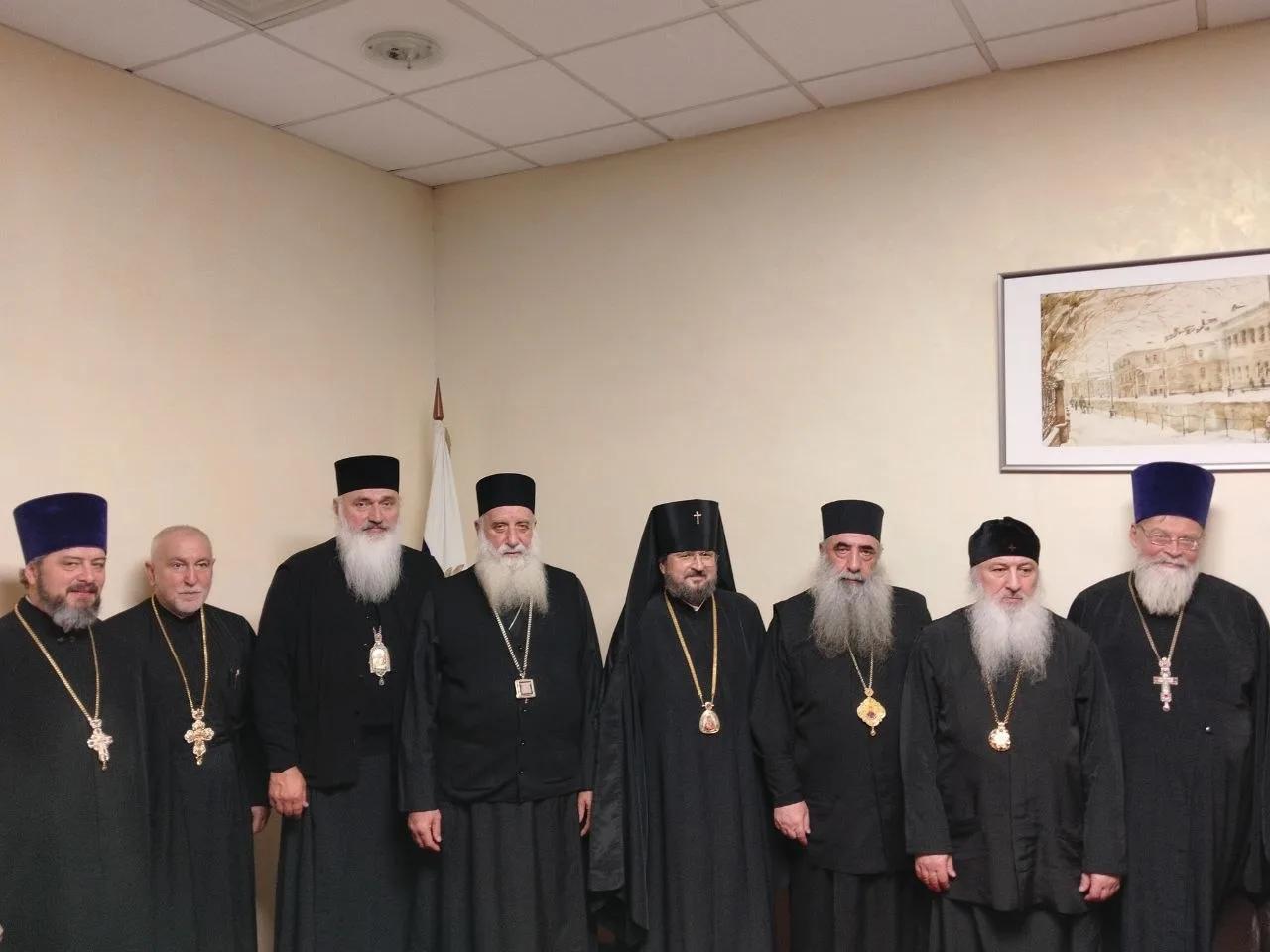
The new president of South Ossetia, Marat Kambolov, has faced his first serious criticism since taking office. The controversy stems from talks with Akiva Avshalom Khudainatov, the rabbi of Kislovodsk and head of the city’s Jewish Historical and Cultural Centre, about setting up an international investment fund in Tskhinval.
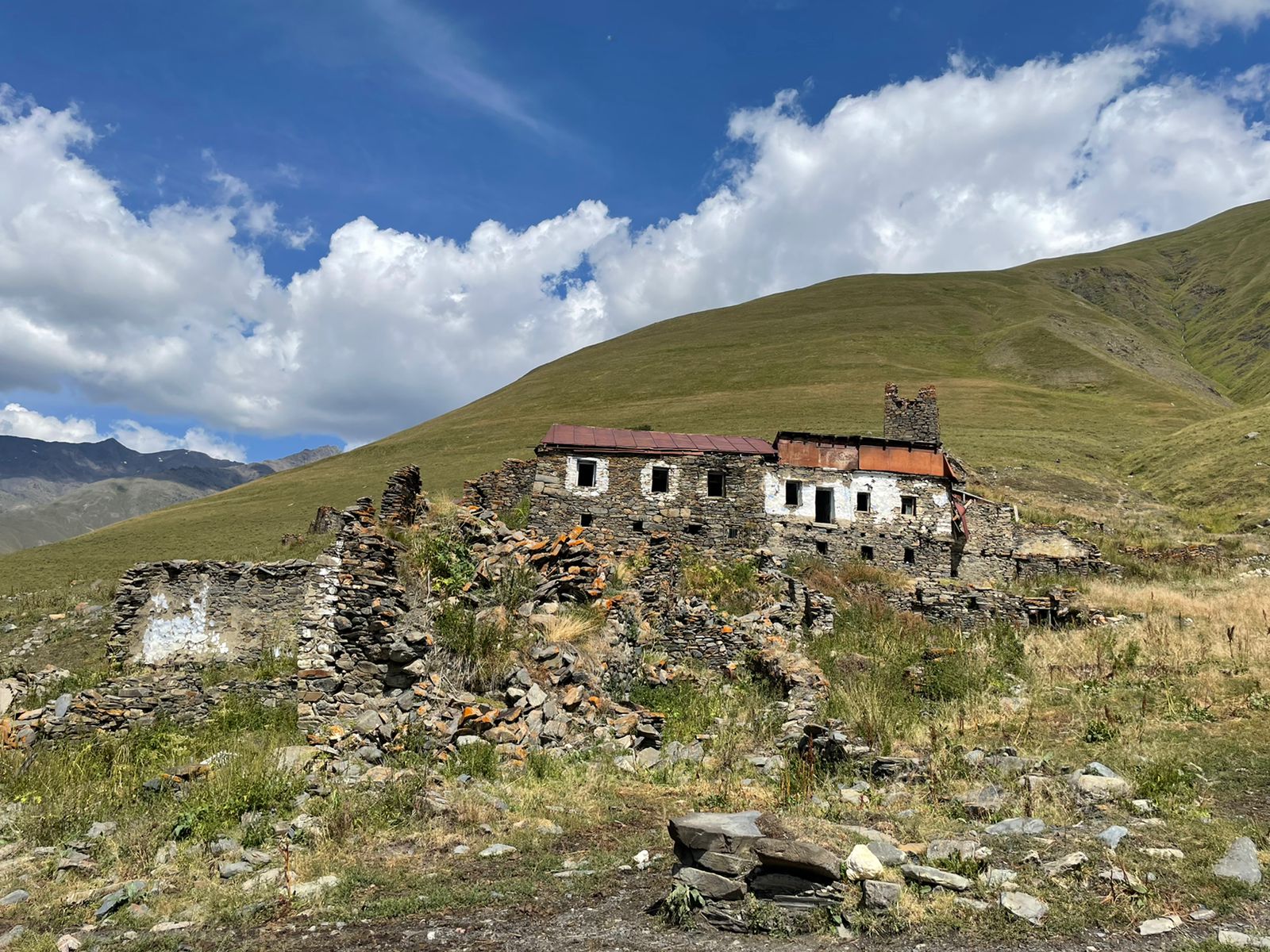
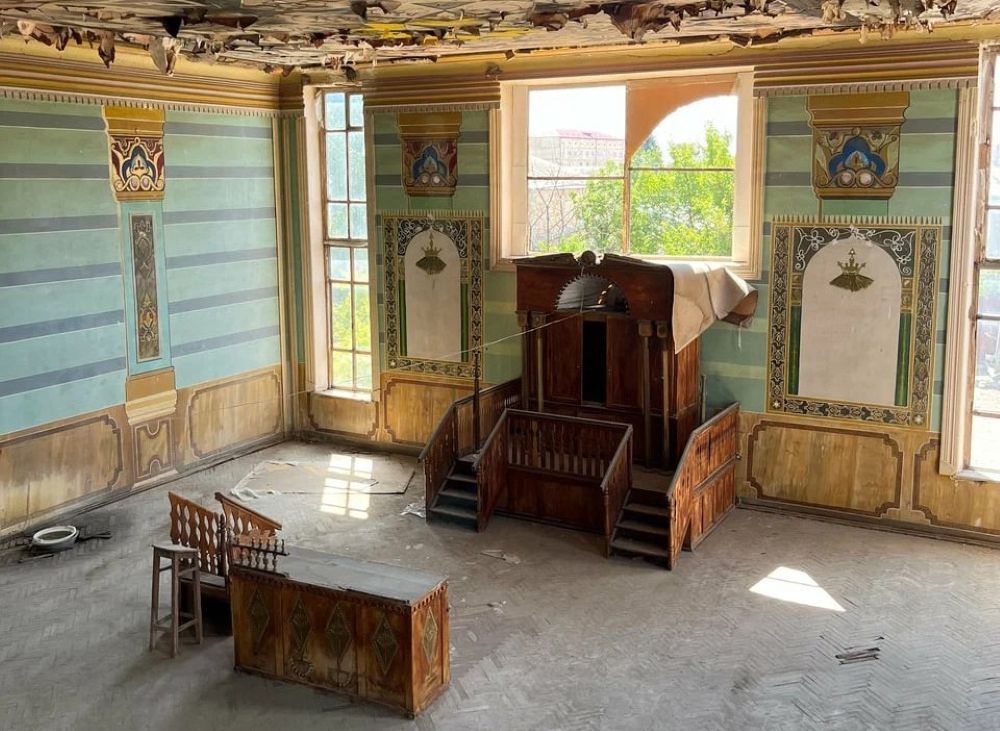
Representatives of Kislovodsk’s Jewish community also proposed restoring a synagogue and a Jewish cemetery in the South Ossetian capital. This proposal has also met with strong public opposition.
Opponents of these initiatives stress that their objections are not directed at Jews as a group. Rather, they argue that these particular Jewish representatives and their projects have no connection to South Ossetia.
The meeting between Kambolov and Khudainatov took place in Tskhinval on 13 November, but neither the presidential press service nor official media reported it. Details of the talks emerged through posts by a local Telegram channel that receives inside information from the presidential administration.
Only three days later, on 16 November, Kambolov’s press service issued a statement saying:
“Another initiative put forward by the Jewish community was to establish a financial and investment centre in South Ossetia. Representatives of Jewish communities from around the world could take part in its work. The initiators believe this would help develop Tskhinval and the republic.”
South Ossetian society reacted very negatively to the proposal. However, the criticism was directed not at the Jewish community, but at the president himself.
“If Israel, like most countries in the world, does not recognise South Ossetia’s sovereignty, how does Rabbi Khudainatov intend to attract finance and investment from around the world to Tskhinval?” local bloggers and ordinary residents of South Ossetia have asked. They oppose what they see as “unrealistic” projects.
They also point out that Rabbi Akiva Khudainatov has no ties to South Ossetia or its local Jewish community. Blogger and political analyst Alan Mamiyev also notes that the Kislovodsk rabbi follows Chabad-Lubavitch Hasidism, a religious movement that Tskhinval’s Jews have never followed.
“The local Jews of Tskhinval were never followers of Chabad. Accordingly, the Kislovodsk Jewish community has no right to claim the city’s synagogue,” he argues. Many others share this view.
Social media users have also reminded Kambolov and Khudainatov that Georgian-South Ossetian conflict destroyed Tskhinval’s Jewish Quarter, which had existed during the Soviet era. At the height of the fighting, members of the Jewish community had to leave South Ossetia.
The only Jewish woman who remained there was Rybka Dzhindzhikhashvili, who died alone in April 2025. Her Ossetian neighbours supported her as best they could, while the Kislovodsk Jewish community showed no interest in her plight. Now, however, its representatives have suddenly appeared with their projects.
Under a barrage of criticism, Kambolov was forced to defend himself. His press service published a post explaining the president’s position. It turned out that he had been surprised by the public reaction.
“These people came to clean up the cemetery and asked for a meeting, expressing their intention to invest in the development of our republic. I listened to them. What is there to condemn?” Kambolov said, shrugging.
He added that listening to someone does not mean agreeing with their proposals or making any commitments. The president insisted that “all decisions will be made exclusively in the interests of South Ossetia and the Ossetian people”, saying he had no other priorities.

However, Kambolov’s belated statements failed to dispel public concerns entirely. Former president Eduard Kokoity stepped in to try to resolve the dispute. In a video address, he urged people not to politicise the issue. He stressed that the Ossetian people were known for their tolerance, that Tskhinval had been a multi-ethnic city and that local Jews had never faced persecution.
“Today, it is particularly important to distinguish reality from the information noise, assess what is happening soberly and avoid panic and rumours based on speculation and assumptions.
We should not imitate various radical movements seeking to infiltrate our society, including under external influence. Radicalism in any form is alien to the Ossetian people.”
Kokoity also advised the new government leadership, made up largely of Russian officials, to pay greater attention to the republic’s history, its armed conflict with Georgia and the consequences of that conflict. He urged them to take account of the local population’s mentality and its deeply emotional attachment to its land.
“We have shed too much blood for our land and our capital for anyone to seriously suggest today that we are ready to ‘surrender’ or ‘sell’ it, as some short-sighted fellow citizens are trying to portray it.
At the same time, attracting investment must under no circumstances run counter to national interests, let alone infringe on the rights and interests of our people – which is precisely what President Marat Kambolov has said,” Kokoity said.
The last major debate over South Ossetia’s Jewish community erupted when the previous authorities decided to demolish the ruins of Tskhinval’s Jewish Quarter, which they deemed beyond restoration.
Opinions were then divided between supporters and opponents of the demolition. But the proposal to establish an investment fund has met with unanimous rejection.
The terminology, place names and views expressed in this article are those of the author and do not necessarily reflect the editorial position of this website