EU foreign policy chief: 'Syria must withdraw recognition of occupied territories in Georgia and Ukraine'


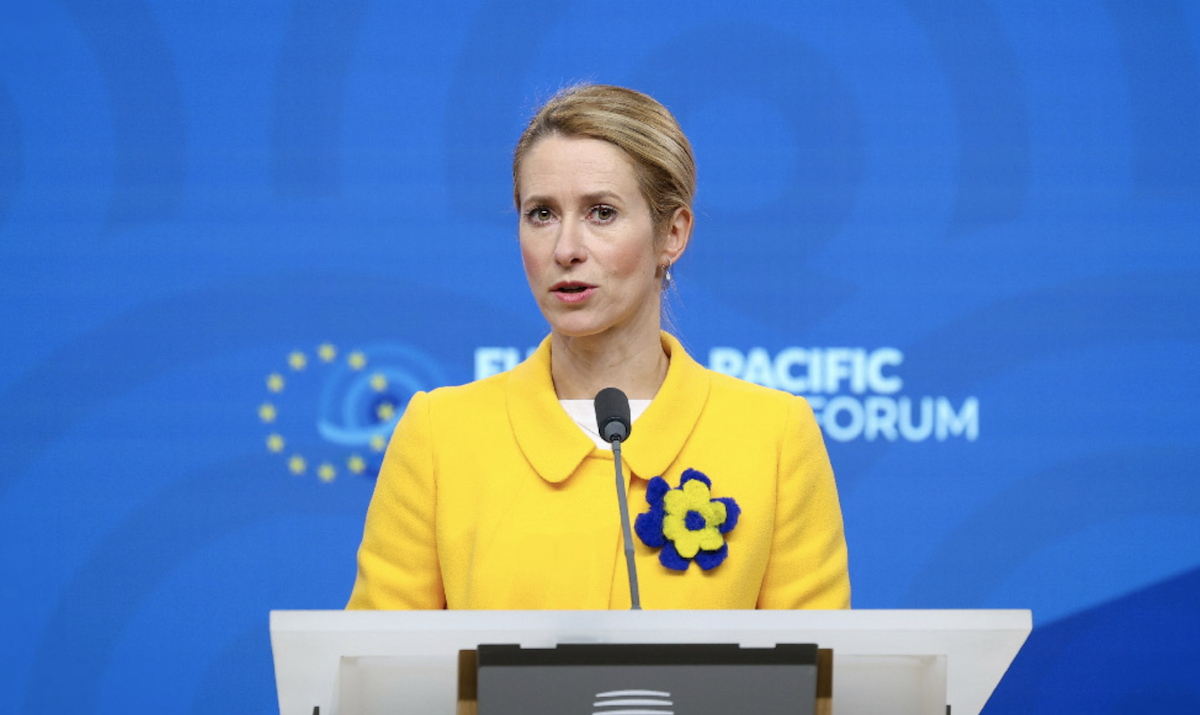
EU foreign ministers have called for closer relations with Syria. However, EU foreign policy chief Kaja Kallas said that any association agreement with Syria should include a commitment not to recognise the occupied territories of Georgia and Ukraine, alongside commitments to protect human rights.
Kallas made the remarks at a press conference following a meeting of EU foreign ministers.
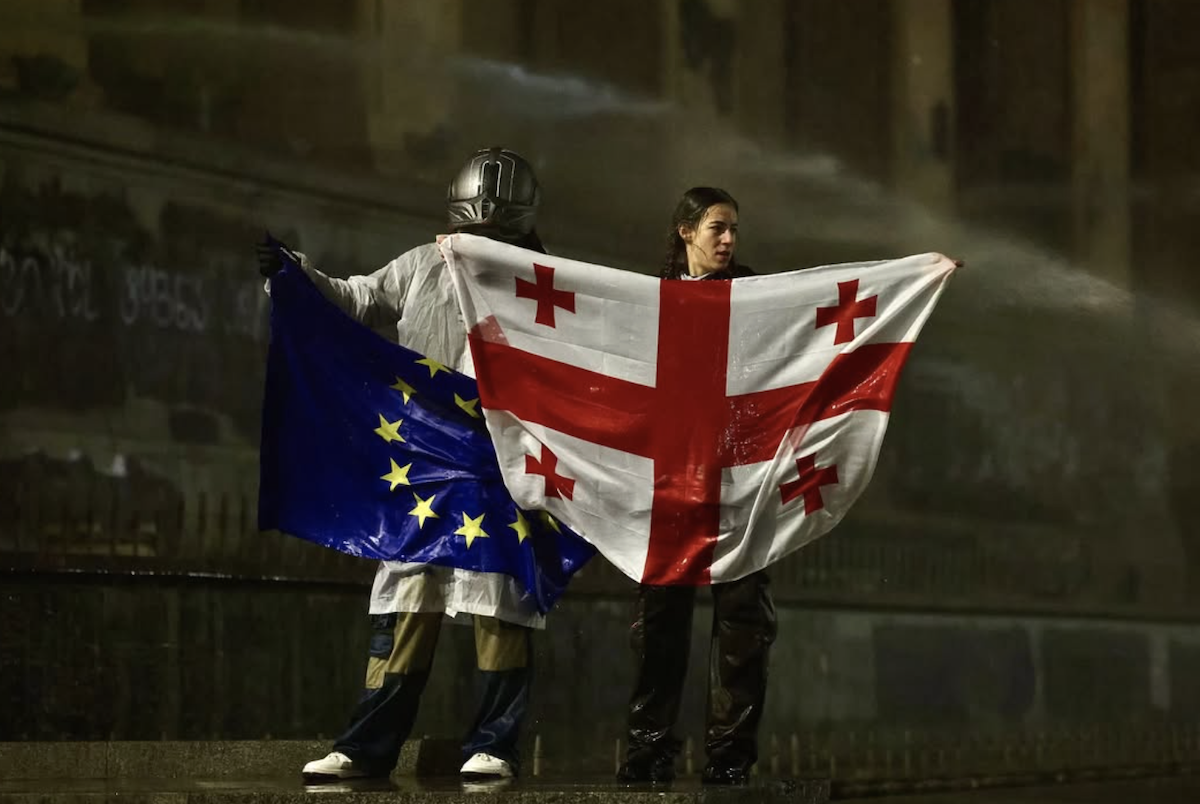
According to Kallas, EU member states agreed that maintaining relations with Syria was important. Without EU engagement, other actors would fill the existing political and diplomatic vacuum in the country.
Kallas said the EU was considering signing an association agreement, negotiations on which began in 2008. The agreement would provide a common framework for cooperation between the two sides. At the same time, the EU would begin work on a new mandate to modernise the agreement.
“The question now was the status of the agreement. Negotiations on it took place in 2008, quite a long time ago. So the question arose as to whether we should make changes to it.
“The EU works in such a way that decision-making takes time. That is why the compromise would be to sign the 2008 association agreement. This would give us a framework within which we could work on all the issues that matter to both sides. At the same time, together with the Council, we will begin work on developing a new mandate for a modernised agreement,” Kallas said.
Kallas said EU foreign ministers had called for several key issues to be addressed in the agreement. These include clear conditions on human rights protection and a commitment not to recognise the occupied territories of Georgia and Ukraine.
She explained that the issue concerned the territories whose independence was recognised by Bashar al-Assad’s regime.
“We are now working in technical groups on the details, both technical and legal, but we are making progress,” the EU foreign policy chief said.
At the press conference, Kallas also commented on the architecture of European security. She said that Russia had been a party to several international agreements that laid the foundations for European security. However, the main problem was not the existence of these documents, but Moscow’s failure to honour its commitments.
In this context, Kallas cited the Helsinki Final Act, the Paris Agreement and the Budapest Memorandum.
“The problem is not with the agreements themselves, nor with Ukraine’s position on this issue. The problem is that Russia violates these agreements and fails to comply with their terms. So the main question is: how can we restore the European security architecture?” Kaja Kallas said.
Background
On 29 May 2018, the regime of former Syrian President Bashar al-Assad recognised the independence of Georgia’s occupied regions of Abkhazia and the Tskhinvali region (South Ossetia). Tbilisi responded by severing diplomatic relations with Damascus. The EU condemned the decision on the same day, saying it violated international law and the principles of Georgia’s sovereignty and territorial integrity.
Assad’s decision followed Russia’s military intervention in the Syrian civil war. Moscow was one of the main supporters of Assad’s government, and Damascus’s move was seen as serving the Kremlin’s interests.
In June 2022, Syria also recognised the independence of Ukraine’s occupied territories of Donetsk and Luhansk. Ukraine responded by severing diplomatic relations with Syria.
Assad’s regime fell in December 2024, and a new government took power in Syria. Against this backdrop, Tbilisi called on Damascus to withdraw its recognition of Abkhazia and the Tskhinvali region.
Ukraine restored diplomatic relations with Syria in September 2025. The association agreement now under consideration by the EU could therefore mark a new stage in relations with Syria. However, the territorial integrity of Georgia and Ukraine remains one of the key conditions in this process.