Georgia appoints new special envoy for relations with Russia: what does it mean?


On 21 October, Georgian Prime Minister Irakli Kobakhidze appointed Giorgi Zurabashvili, the first deputy foreign minister, as his special representative for relations with Russia. The post had remained vacant since December 2025.
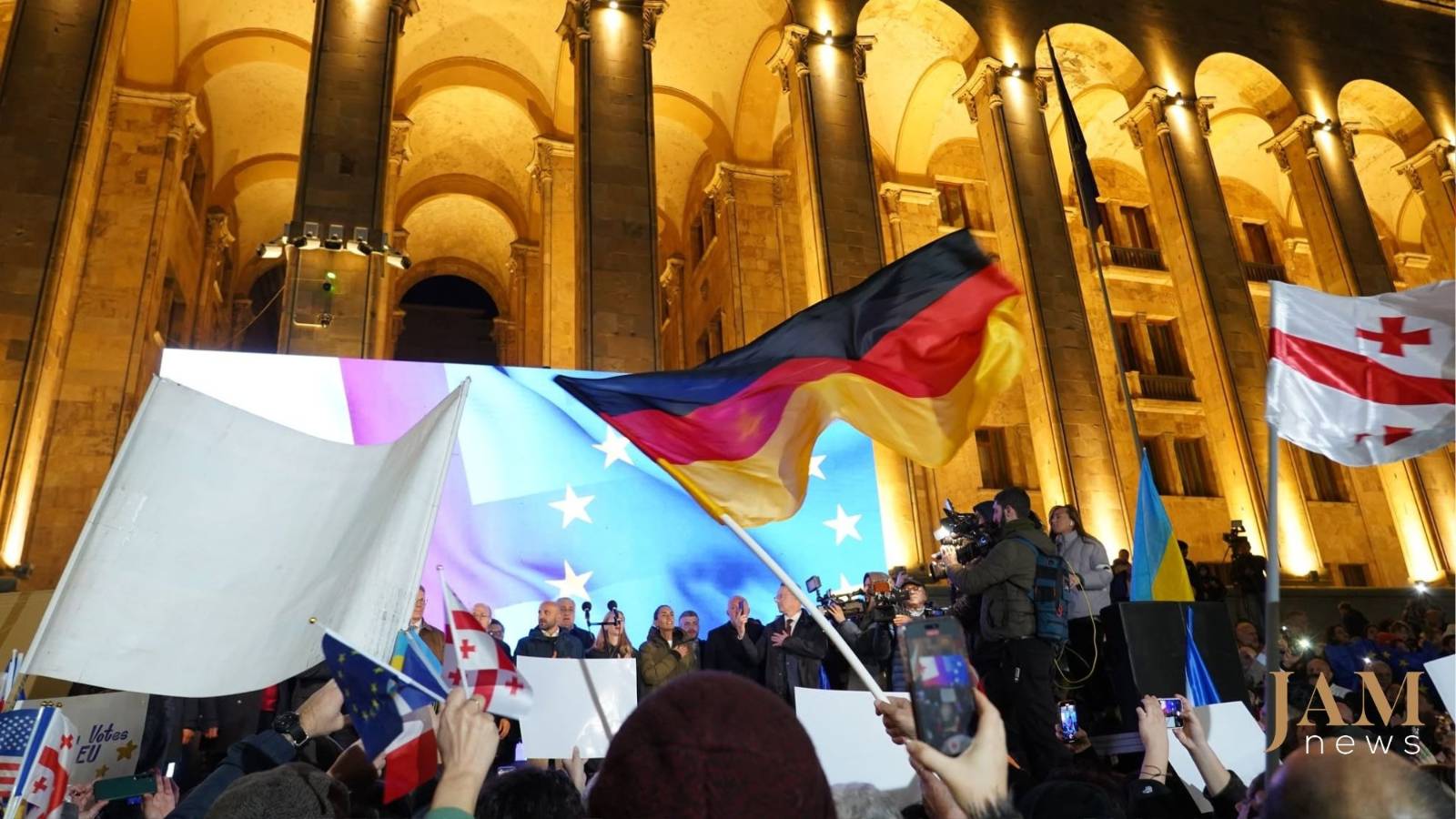
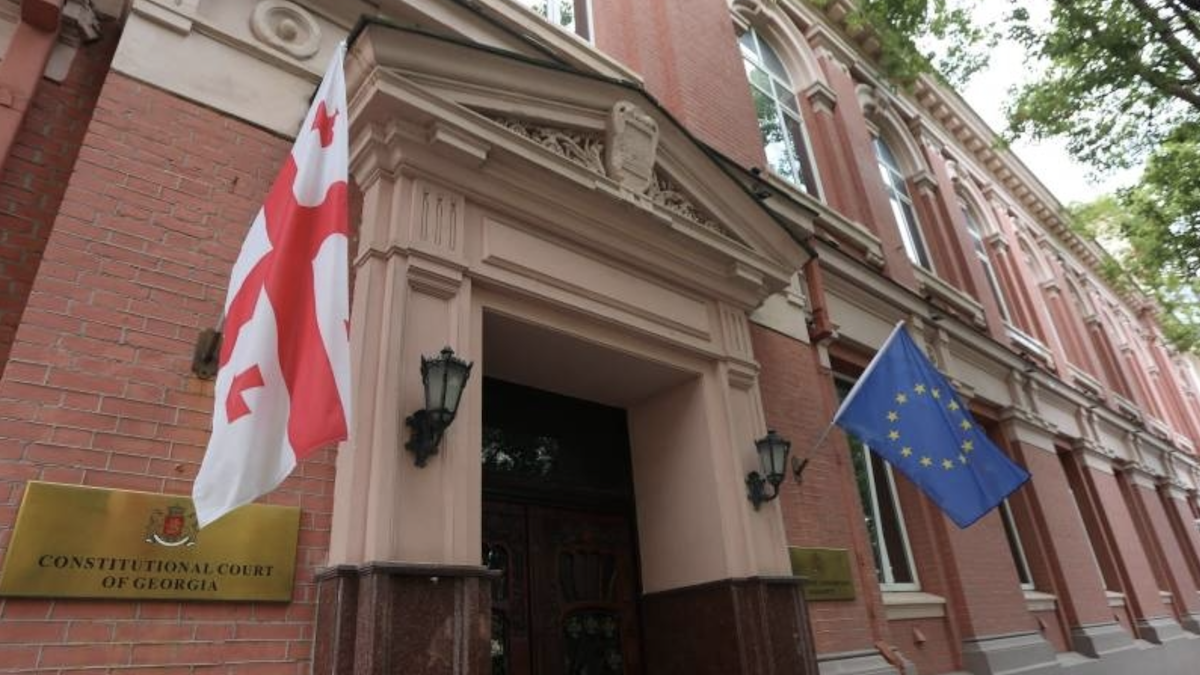
The announcement came on the same day that the Constitutional Court began hearing on the merits a lawsuit by the ruling party seeking to ban five opposition parties.
Opposition figures have interpreted the timing as a signal to Moscow. Kobakhidze, for his part, insists that the appointment does not mark a new phase in relations with Russia.
What Kobakhidze said
The prime minister announced the appointment at a briefing in the government administration. Asked by a journalist whether this marked the beginning of a new phase in efforts to reset relations with Russia, he said it did not.
Kobakhidze said the Georgian Interests Section at the Swiss embassy in Moscow had been working actively. However, the government had decided that it needed an additional channel alongside the section to “resolve the conflict peacefully, maintain humanitarian ties and develop trade and economic relations”.
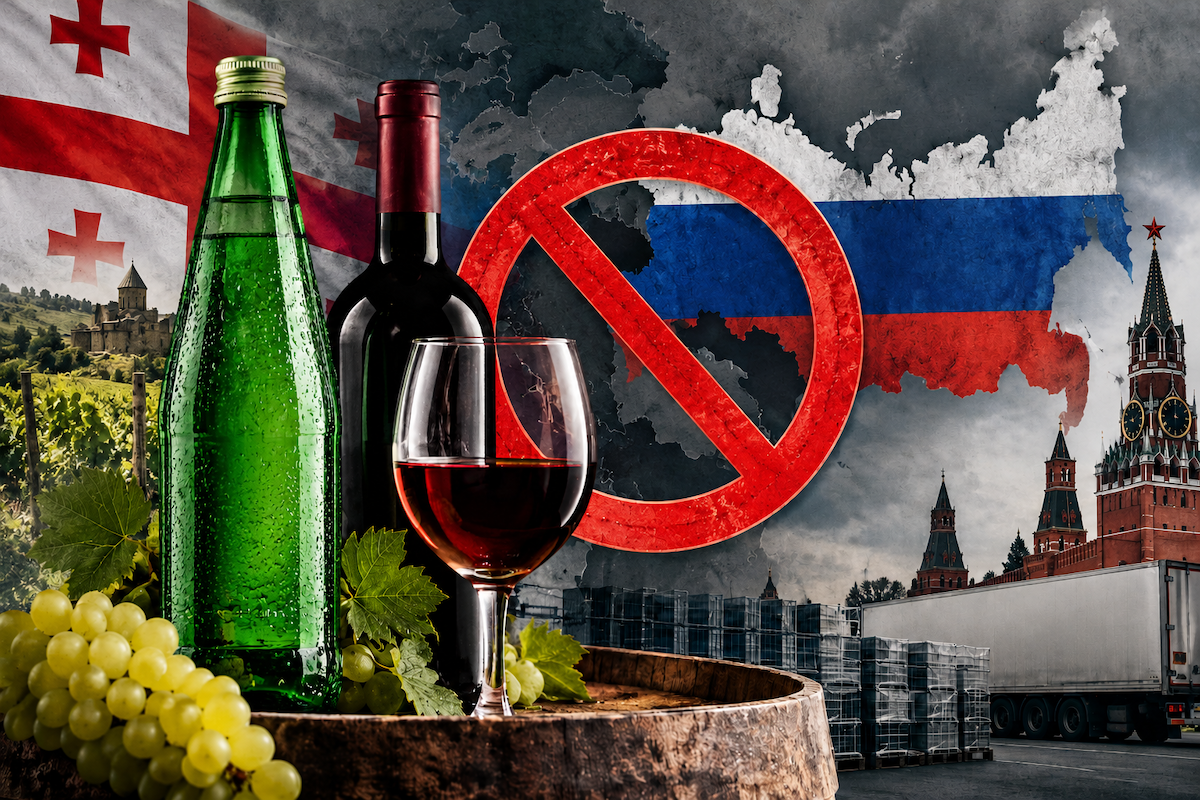
The prime minister also denied that the decision was linked to recent restrictions Russia had imposed on products from Georgian companies.
“Of course, work on these issues is a priority overall, but this was certainly not the basis for the decision,” Kobakhidze said.
Asked about restoring diplomatic relations between Georgia and Russia, Kobakhidze said an obstacle remained: “This situation has not changed, and neither has our position.”
Regarding Russia’s demand that Tbilisi provide Sukhumi and Tskhinvali (the capitals of Abkhazia and South Ossetia) with guarantees of non-use of force, the prime minister said Georgia could not sign an agreement with them because it could not recognise them as independent states in any form.
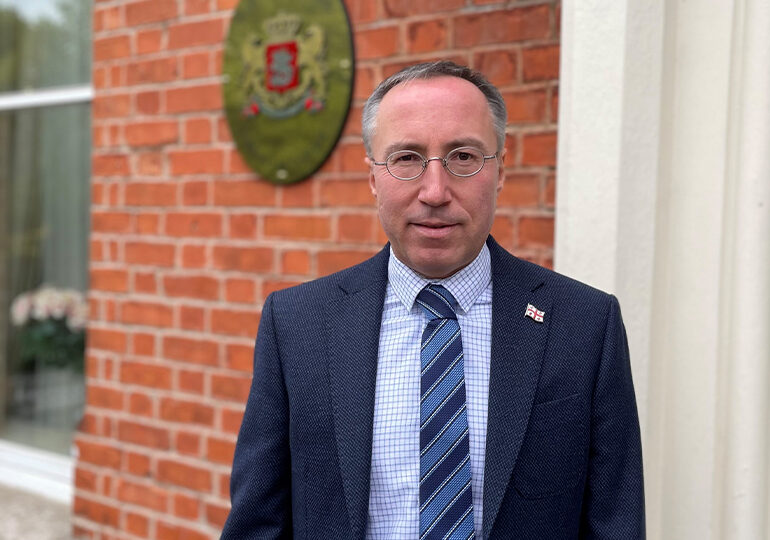
Giorgi Zurabashvili will also retain his post as first deputy foreign minister, which he has held since July 2025. He previously served as Georgia’s ambassador extraordinary and plenipotentiary to Ireland from 2019 to 2024.
The special envoy role
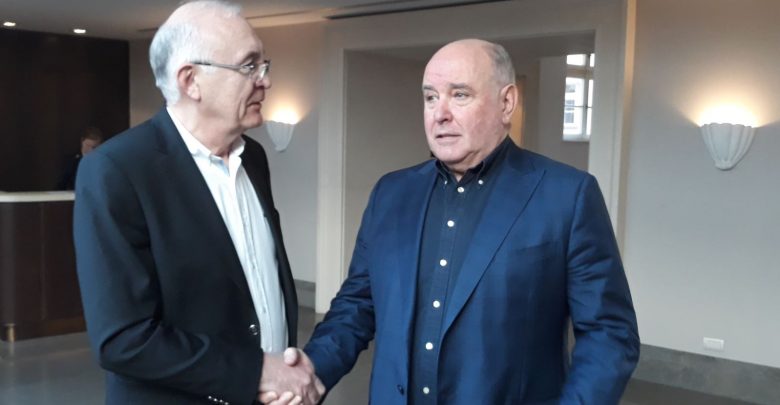
Since 2012, diplomat Zurab Abashidze had served as Georgia’s special representative for relations with Russia. He held regular meetings with Grigory Karasin, a Russian deputy foreign minister. This channel of talks became known as the “Abashidze–Karasin format”.
In March 2024, Irakli Kobakhidze moved Abashidze to the post of his adviser and appointed Giorgi Kajaya as his replacement. However, the government administration told Radio Free Europe/Radio Liberty that Kajaya left the post on 1 December 2025.
The public learned that the position had remained vacant only in August 2026, when Kobakhidze answered a question from journalists.
Meanwhile, on 6 October 2026, Zurab Abashidze became Georgia’s non-resident ambassador to Bosnia and Herzegovina, North Macedonia and Albania.
“A cynical signal”: opposition reaction
Grigol Gegelia, one of the leaders of the Strong Georgia–Lelo opposition coalition, whose party the government is seeking to ban, believes that:
“This is a direct, cynical signal that the parties are being banned at Russia’s behest, and that on the very same day, in a synchronised move, a person is appointed to pursue warmer relations with Russia.”
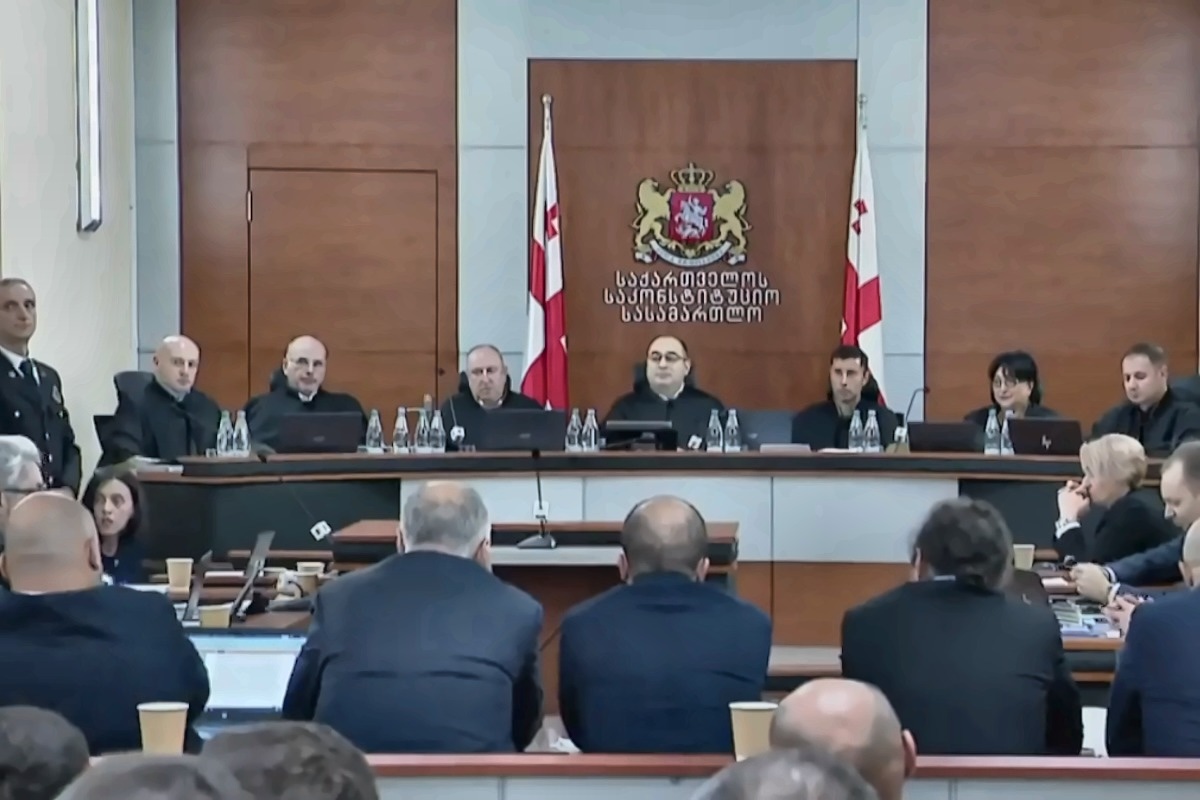
According to Lasha Parulava, a member of the governing council of another opposition party, the United National Movement, the appointment serves no economic purpose and is a symbolic gesture.
“Here, at the Constitutional Court, they are dismantling the pro-Western opposition while, at the same time, appointing a special representative to Russia.”
The founder of the United National Movement and Georgia’s third president, Mikheil Saakashvili, wrote on social media that “the rapid restoration of diplomatic relations with Russia is being prepared without de-occupation, which amounts to formally endorsing capitulation”.
Moscow welcomed the appointment. Konstantin Zatulin, first deputy chairman of the Russian State Duma’s Committee on CIS Affairs, called the decision a step in the right direction.
“The decision to appoint a special representative is a step in the right direction. Relations between Russia and Georgia must develop,” Zatulin said.
Relations with Russia under Georgian Dream
Restoring relations with Russia was one of the main campaign promises of the current ruling party, Georgian Dream. The special representative post was established shortly after it came to power, on 1 November 2012. Following the August 2008 war, Tbilisi and Moscow had communicated directly only through the Geneva International Discussions.
The Abashidze–Karasin format helped restore exports of Georgian wine, mineral water, fruit and vegetables to the Russian market in 2013. The authorities also softened their rhetoric towards Russia.
On 20 June 2019, mass protests broke out in Tbilisi after Russian MP Sergei Gavrilov addressed the Georgian parliament. Russia subsequently suspended direct flights to Georgia. In May 2023, Russian President Vladimir Putin lifted visa requirements for Georgian citizens and restored direct flights.
After Russia launched its full-scale invasion of Ukraine, Georgian Dream declined to join international sanctions against Russia, saying it wanted to protect Georgia’s economy.
From January to August 2026, Russia accounted for around 62.5% of the value of Georgia’s wine exports.
On 9 October, Russia’s food safety watchdog suspended imports of products from seven Georgian companies. On the same day, Russia’s Foreign Ministry again demanded that Tbilisi provide Sukhumi and Tskhinvali with guarantees of non-use of force and begin delimiting the so-called state borders.
Georgia’s special representative for relations with Russia