

'Deadly consequences': How lack of proper prison in Abkhazia leads to further crimes






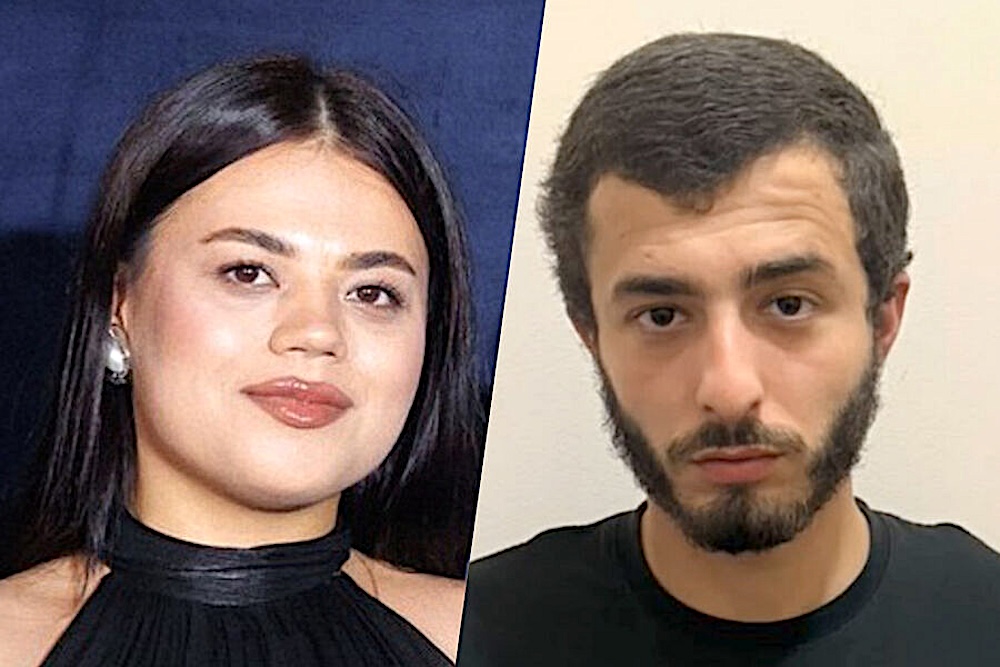
The recent murder of a Russian tourist has exposed problems with prison sentences in Abkhazia. Edgar Abukhba, who stands accused of murdering Amina Bikbova, received a nine-year sentence for a previous serious crime. In practice, however, he served only half that time. This proved fatal for his next victim.
Amina’s murder prompted Abkhazian society to take a closer look at how courts enforce their rulings. It emerged that in Abkhazia, a sentence tells you very little about how long someone will actually spend in prison. The republic has no proper prison, and a complicated system of “penitentiary arithmetic” determines how much time a person spends behind bars. Even those who apply the rules struggle to make sense of them.
One last coffee
Amina Bikbova’s family had a rule: call her mother every evening. The 26-year-old followed it without fail when she travelled to Abkhazia with her friend Adila for a holiday in September 2026. But one evening, she did not call and failed to answer her phone either. The next day, her phone remained silent. Her family then realised that something serious had happened.

The circumstances surrounding Amina’s final day are known from accounts given by her family and witness testimony reported by Abkhazian and Russian media. Amina and Adila met Edgar Abukhba, a 25-year-old fruit seller. A couple of days later, he invited Amina for coffee. Adila says she tried to talk her friend out of going, but failed. Amina went to meet Edgar and never returned.
During his initial questioning, he denied any wrongdoing. He claimed that he and Amina had simply had coffee, after which she got into someone’s car and drove away. Investigators quickly disproved this account, and Edgar admitted that they had argued, that he had strangled Amina and left her body in bushes beside the road.
A familiar name
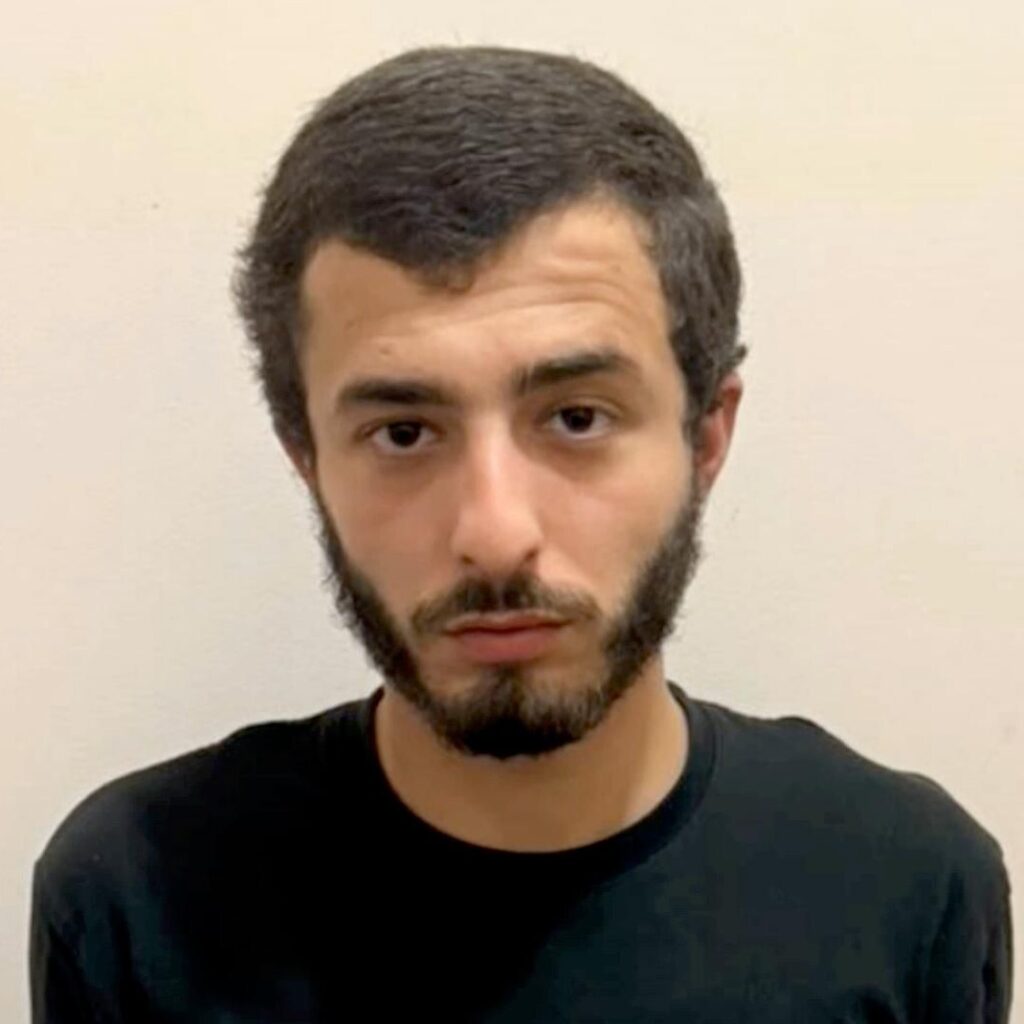
For Abkhazians who follow local crime reports, the surname Abukhba sounded familiar. In July 2019, a 24-year-old Russian tourist suffered a brutal attack in central Sukhum. Her assailants beat, raped and robbed her. Everyone familiar with the case said they had rarely encountered such brutality. Authorities arrested Edgar Abukhba on suspicion of the crime. The case took more than two years to reach court, and in 2021 a judge sentenced him to nine years in prison.
If the nine-year sentence is counted from 2019, when Abukhba entered pre-trial detention, he should not have been released before 2028. Yet by the summer of 2026, he was already selling fruit in Gagra.
Sentences without a prison
Court rulings specify the regime under which a convicted person must serve their sentence, and this affects the time they spend in prison. But Abkhazia has no prison colony with different security regimes, which creates confusion. Officials recalculate sentences differently depending on how much time a prisoner has spent under various conditions. The final figure depends on the coefficient they apply and can differ significantly from the court’s verdict.
Got that? No, of course not. For anyone unfamiliar with the system, it is almost impossible to understand. Even staff at the relevant institutions struggle to explain on the spot how they calculate a particular sentence, how long a specific prisoner will serve and when they will be released.
Perhaps this explains why a man who, on paper, received a nine-year prison sentence attacked another woman long before that term had expired.

Leniency vs prudence
There is another legal complication in Edgar Abukhba’s case. He was still a minor when he committed his first crime, and under Abkhazian law, courts must not take juvenile convictions into account in the future.
There are two opposing views on this rule.
The logic of juvenile justice holds that a teenager’s actions should not determine the rest of their life. But this approach conflicts with public safety concerns, which suggest that authorities cannot simply ignore a proven threat posed by an individual.
Many countries face this dilemma, but they also assess risks before releasing offenders and supervise them afterwards. They may also restrict where former prisoners can work or live and impose other measures. Abkhazia, however, has no such safeguards in place.
A tarnished reputation
Cynical as it may sound, Abkhazia’s tourism sector — and, consequently, its budget — can also be counted among the “victims” of this tragedy.
Abkhazia effectively lives off Russian tourists, who provide the republic’s main source of income. Its reputation as a safe holiday destination is vital to its survival. Now, Amina Bikbova’s murder has left a major black mark on that reputation. This is particularly troubling because it is not the first attack on tourists.
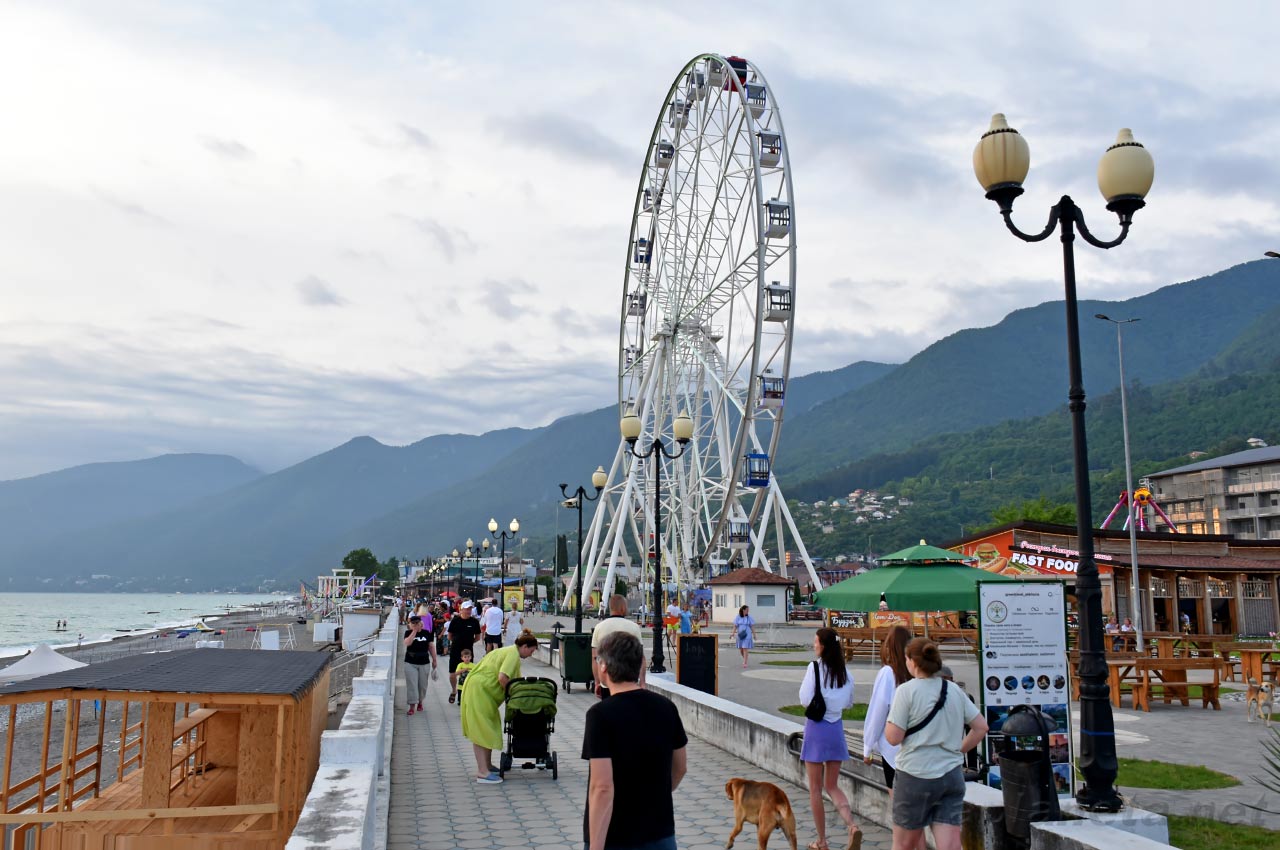
Tourists may forgive reckless taxi drivers or poor service. But they are unlikely to accept the idea that killers who have not served their full sentences can freely walk the streets in search of new victims.
Many Abkhazian lawyers believe the authorities should publish a breakdown of Edgar Abukhba’s first sentence, including the coefficients they applied and his release date. In other words, they should at least explain why he regained his freedom so quickly. Perhaps the authorities should also review the system for calculating prison sentences. Better still, they should finally build a proper prison colony so that no one has to perform these calculations in the first place.
The public, meanwhile, wants an open trial in this case. People are waiting for an explanation of how this mysterious coefficient can allow rapists and murderers to walk free earlier than petty thieves.
The terminology, place names and views expressed in this article are those of the author and do not necessarily reflect the editorial position of this website.
What the lack of a proper prison in Abkhazia leads to