

Sanctions against IDS Ukraine: Georgian stake could become 'casualty' of nationalisation of Ukrainian company






Ukrainian authorities are seeking to take control of IDS Ukraine, one of the country’s largest mineral water producers. Russian businessmen under sanctions own almost half of the company, while 34.83% belongs to the family of the late Georgian businessman Badri Patarkatsishvili.
The process launched by Kyiv could also affect this stake, even though the Patarkatsishvili family is not under sanctions.
According to The Guardian, Ukraine’s Asset Recovery and Management Agency (ARMA) is seeking to transfer IDS Ukraine’s assets to an independent manager. At the same time, shareholders are challenging the partial or full nationalisation of the company in Ukraine’s High Anti-Corruption Court.
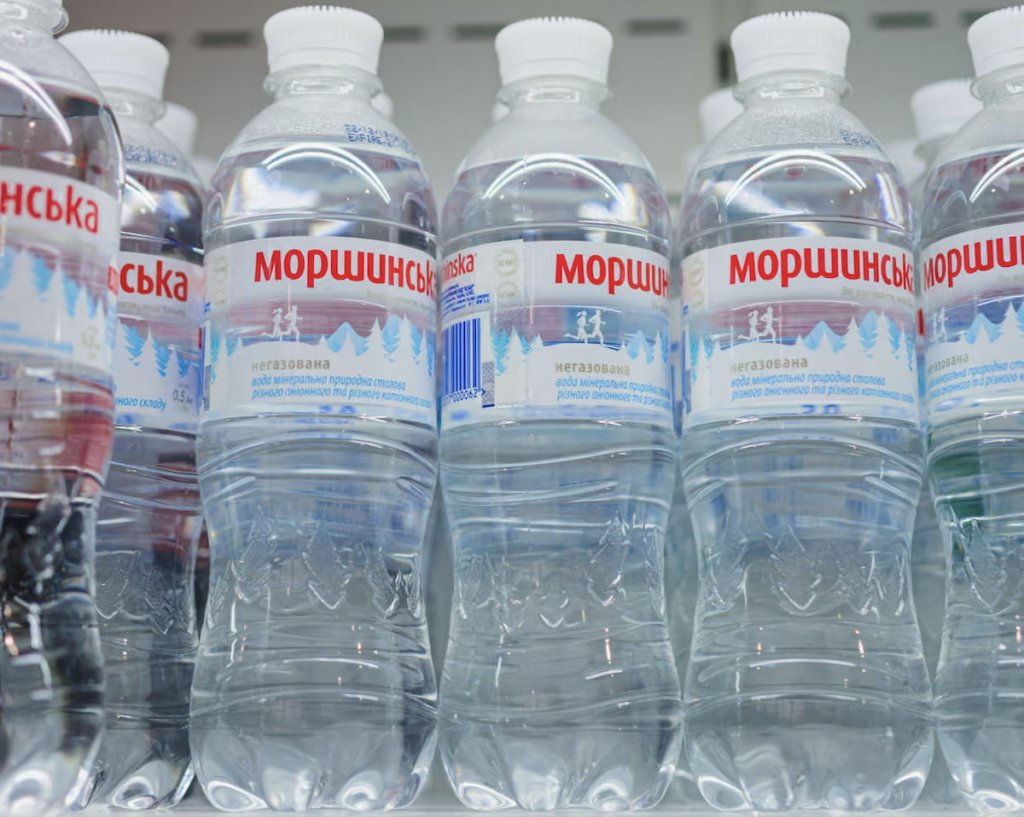
IDS Ukraine produces several well-known mineral water brands in Ukraine, including Morshynska, Myrhorodska and Alaska. The company estimates the value of its assets at around 8 billion hryvnias, equivalent to roughly $180 million.
Sanctioned Russian businessmen and Badri Patarkatsishvili
The direct owner of IDS Ukraine is Cyprus-registered International Distribution Systems Limited. The company is part of IDS Borjomi International, which also includes Borjomi producer IDS Borjomi.
The group’s ultimate ownership structure is as follows: 49.99% belongs to sanctioned Russian businessmen, 34.83% to the Patarkatsishvili family, 7.73% to the Georgian government, and the remaining 7.45% to other shareholders.
According to IDS Ukraine, Mikhail Fridman, co-owner of Alfa Group and one of Russia’s wealthiest businessmen, holds an indirect 18.23% stake in the company.
Fridman is under Western and Ukrainian sanctions. The grounds for the sanctions cite his ties to the Russian authorities and President Vladimir Putin.
IDS Ukraine says Fridman has had no influence over the company’s management or decision-making since the sanctions were imposed.
What ARMA is seeking
ARMA head Yaroslava Maksymenko says the agency has repeatedly had to overcome legal and bureaucratic obstacles in its efforts to transfer IDS Ukraine to an independent manager.
According to Ukrainian media reports, Ukrkapital, a company owned by Serhii Belashov, the owner of Ukrainian Capital Bank, won a three-stage auction to select the manager.
Maksymenko says the company’s current management creates a risk of money laundering and extracting value from its assets.
The Guardian stresses that there is no official finding that such a crime has taken place.
According to the ARMA head, the Patarkatsishvili family’s investment vehicle, New World Value Fund Limited, made unfounded allegations that agency employees had engaged in potentially illegal actions. Maksymenko described the claims as “disinformation”.
The Patarkatsishvili family, meanwhile, believes that seizing the property of shareholders who are not under sanctions is unacceptable.
A family representative said that if Ukraine fails to protect their property rights and the asset is nevertheless seized, they will take the case to international courts.
The family also stresses that it has supported Ukraine since Russia’s full-scale invasion and considers the approach taken against it unfair.
The company denies the allegations
IDS Ukraine rejects the concerns raised by ARMA.
A company representative said IDS Ukraine operates in strict compliance with Ukrainian law, including tax and financial regulations.
IDS Ukraine says no Ukrainian state agency, including the tax authorities, has found evidence of money laundering, illegal transfers of funds or other similar financial violations at the company.
The company also says it is unaware of any investigation based on such allegations.
According to IDS Ukraine, it has not stopped operating for a single day since the war began. It has continued supplying water to people across Ukraine despite missile and drone attacks.
The cyberattack question
Amid the dispute, ARMA made another allegation. The agency said its systems came under a cyberattack during one of its attempts to find an independent manager for IDS Ukraine.
However, it is not known who was behind the attack. According to The Guardian, the Patarkatsishvili family has not faced any suspicion related to the cyberattack.
IDS Ukraine believes ARMA’s statements could create the impression that the attack was linked to the company itself.
“This information is simply false and, in fact, completely irrelevant,” a company representative told The Guardian.
The Patarkatsishvili family’s assets
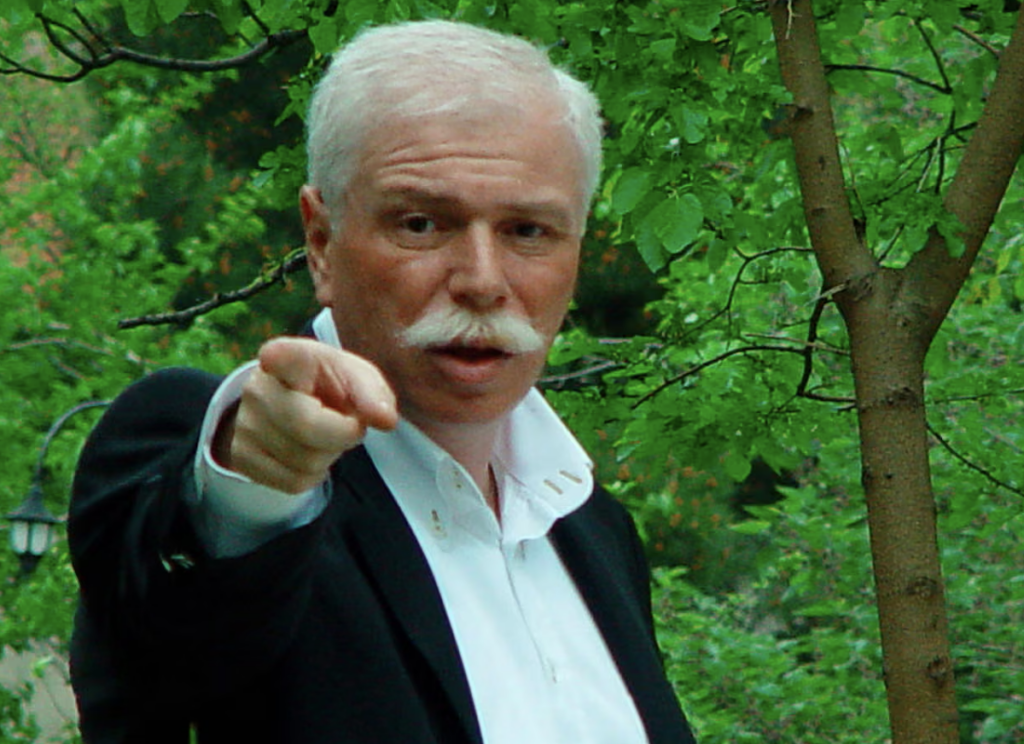
Badri Patarkatsishvili, who died in London in 2008 at the age of 52, made his fortune in Russia. He later acquired a number of major assets in Georgia, including the Imedi television company.
In 2002, he acquired Borjomi, after which the business expanded into the Ukrainian market.
In 2007, Patarkatsishvili became one of the most prominent opponents of former Georgian President Mikheil Saakashvili and took part in an early presidential election. According to the Central Election Commission, he won 7.1% of the vote and came third.
After Patarkatsishvili’s death, his fortune, estimated at around £6 billion (about $8.13 billion), passed to his wife Inna Gudavadze and daughters Liana and Iya Patarkatsishvili, according to The Guardian.
The Patarkatsishvili family later sold some of its Georgian assets, including Imedi.
In 2013, the family sold its controlling stake in IDS Borjomi, including IDS Ukraine, to Alfa Group.
Liana Patarkatsishvili now works in the British theatre industry and heads the production company Sage & Jester. According to The Guardian, her company produced the immersive play Storehouse in 2025, which explored the theme of disinformation.
How did the Georgian government become an IDS shareholder?
The Georgian government became part of IDS’s ownership structure in 2022.
After Russia launched its full-scale invasion of Ukraine, Western sanctions against Russian businessmen linked to Alfa Group created problems for IDS Borjomi. The company suspended operations at both of its Borjomi mineral water bottling plants on 29 April 2022.
In June that year, the Georgian government received a 7.73% stake in IDS Borjomi International free of charge.
As a result of the deal, the controlling shareholder lost control of the company. Its representation on the board of directors fell from eight members to two, while a government representative became board chairman.
The Borjomi plants resumed operations after the deal.
Representatives of the Georgian government and the Ministry of Economy have not commented on the dispute surrounding IDS Ukraine.
Sanctions against IDS Ukraine