$12m dispute and house sold at auction: where has former Georgian PM Nika Gilauri gone? – RFE/RL






Nika Gilauri case
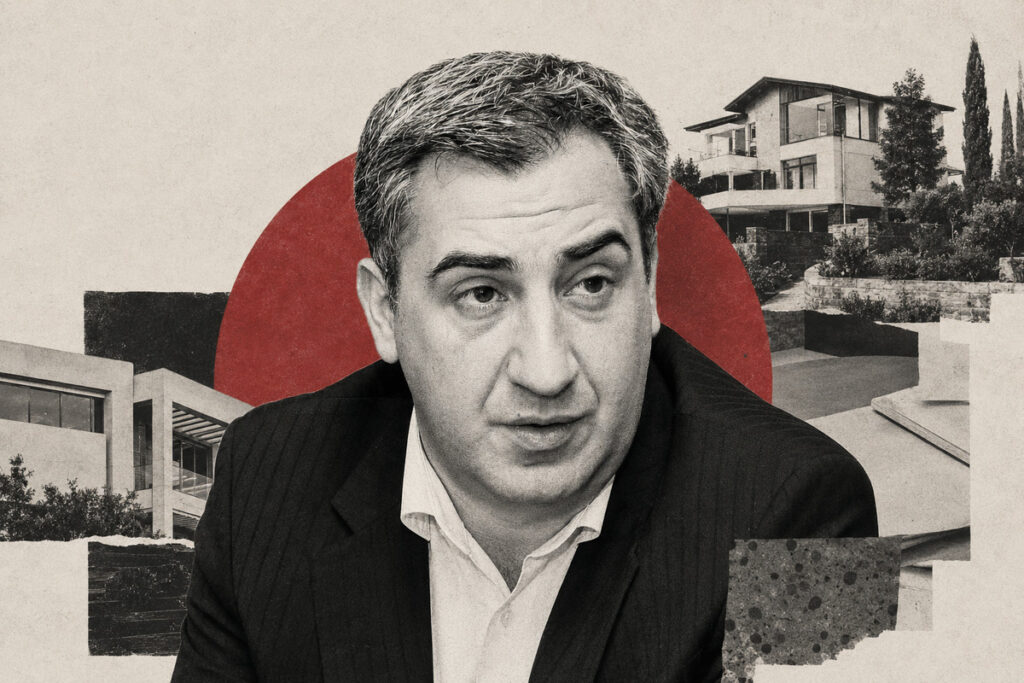
At the end of 2024, former prime minister Nika Gilauri became one of the most vocal critics of the ruling Georgian Dream party. Over the following months, he faced serious problems: authorities seized his foundation, while a court ordered him and his companies to pay $12 million in compensation to former business partners. Gilauri himself stopped appearing in public.
Radio Free Europe/Radio Liberty published an investigation into the case. The circumstances described in the report raise suspicions that the legal proceedings against Gilauri may amount to political persecution. Georgian and German lawyers have called the court ruling unfounded.
The material draws on a Radio Free Europe/Radio Liberty investigation.
Gilauri’s house put up for forced auction
On 16 July 2026, the National Bureau of Enforcement put Nika Gilauri’s house in Tsavkisi up for auction. A 3,368-square-metre plot of land and a 1,157-square-metre villa sold for almost four million lari (about $1.54 million).
The property had an estimated value of 4.876 million lari (about $1.87 million), but bidding started at 10% of that amount. According to Radio Free Europe/Radio Liberty, businessman Vano Sturua bought the house. He is a former business partner of Nika Gilauri’s brother, Irakli.
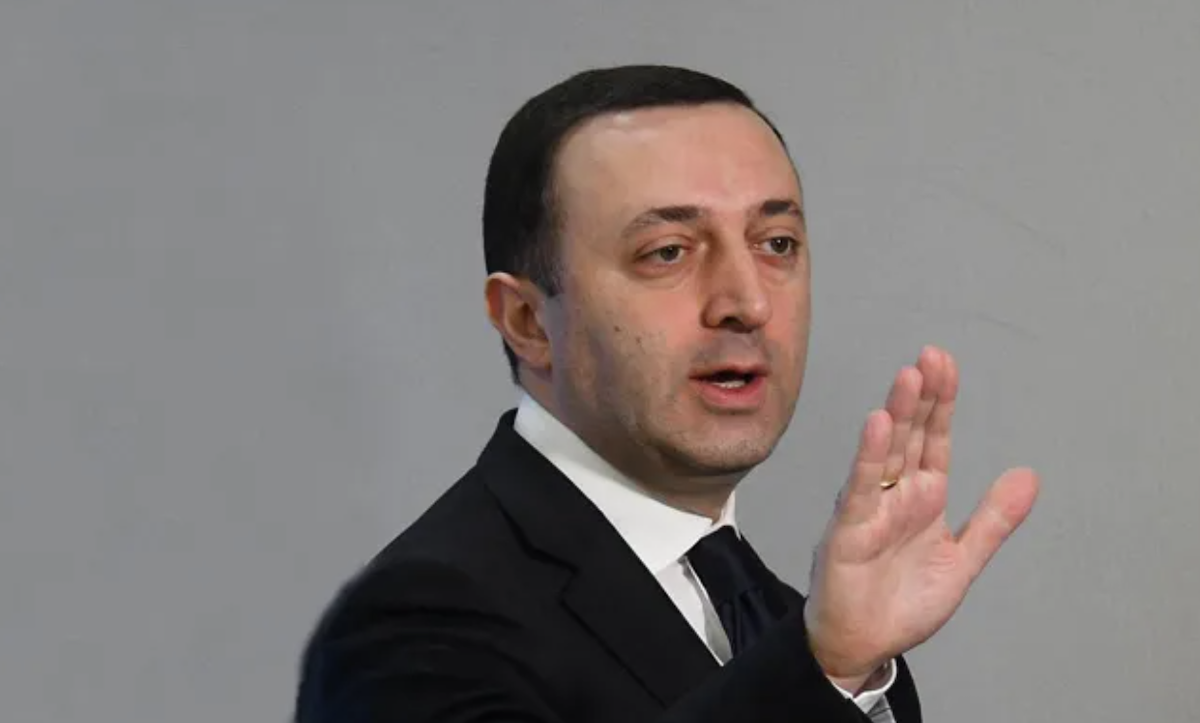
Since 2018, this house has remained the only property in Georgia registered in Gilauri’s name. However, court rulings have also ordered the seizure of other assets and his shares in companies.
Gilauri himself has not commented on the situation. He only responded to Radio Free Europe/Radio Liberty in writing:
“The legal proceedings are still ongoing, and on my lawyers’ advice, I will not make any comments or give interviews at this stage.”
Gilauri’s return to politics
Nika Gilauri served as energy minister and finance minister under Mikheil Saakashvili. He then headed the government from 2009 to 2012. After leaving public service, he founded the consulting company Reformatics and stayed out of Georgia’s public political life for about 12 years.
The situation changed ahead of the 2024 parliamentary election. A few days before the vote, Gilauri and the Reformatics team presented a 100-page document outlining their vision for a “Third Republic of Georgia”. It addressed Georgia’s exit from Russia’s sphere of influence, judicial independence and European integration.
Media reports said Gilauri was financing the opposition Coalition for Change. Several coalition leaders later confirmed that they had worked with him and received campaign donations.
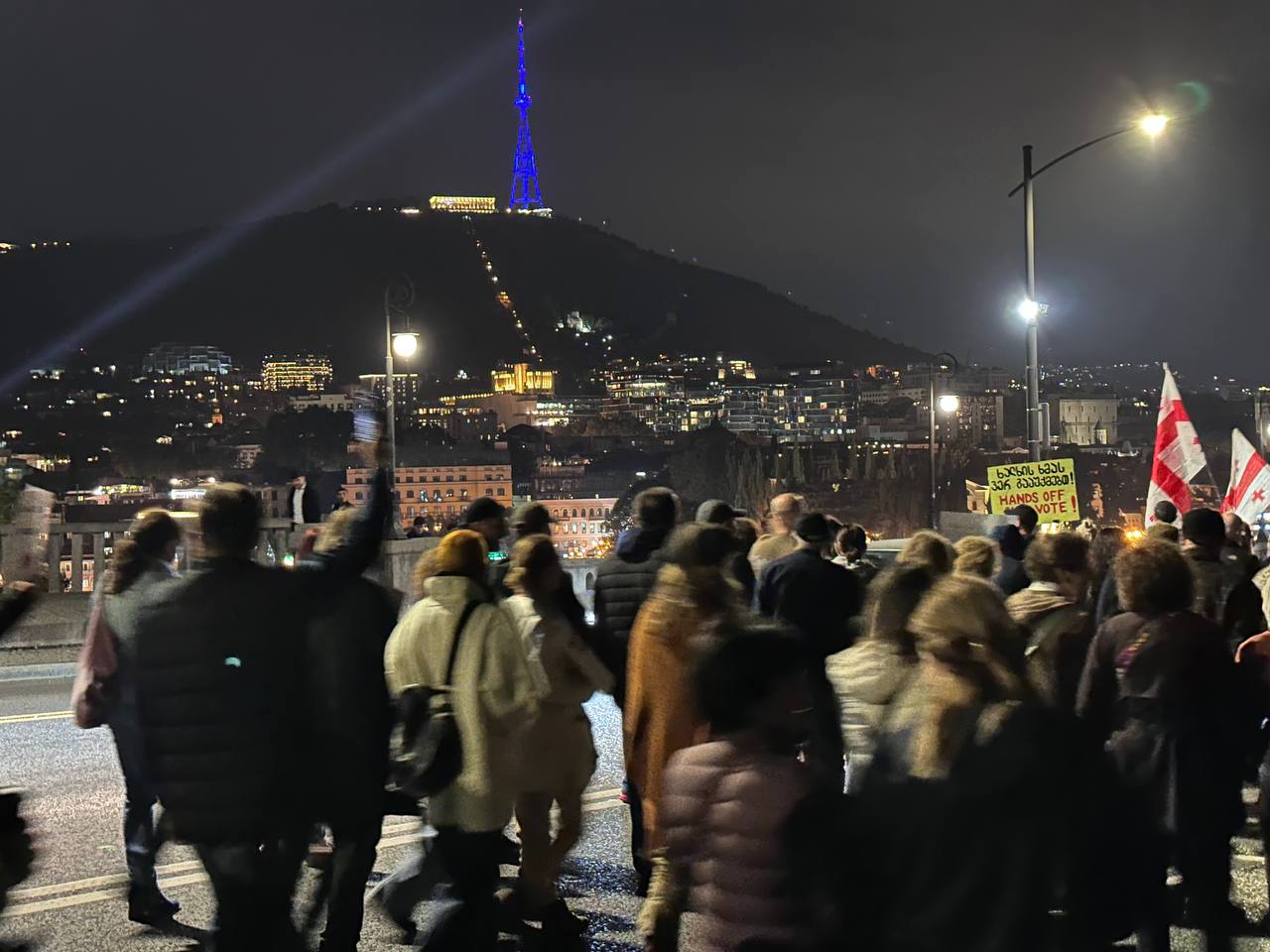
After security forces violently dispersed protests in November and December 2024, Gilauri called the Georgian Dream government illegitimate. He demanded new elections and the release of detained protesters.
Gilauri also called on business representatives to create a fund to support protesters. His Prosperity foundation raised 246,000 lari (about $94,450) in three months. The money was intended to support protesters and people who had lost their jobs because of their political views.
In March 2025, the prosecutor’s office froze the assets of the Prosperity foundation and four other foundations. Authorities opened an investigation into allegations of sabotage, assisting the activities of a hostile foreign organisation and actions against the constitutional order. The investigation remains ongoing, and the foundations remain suspended.
Gilauri has not appeared in public since then.
Dispute over the construction of three hydropower plants
The multimillion-lari legal dispute involving Gilauri began several years before he returned to politics.
In 2015, Aquahydro signed memorandums with the Georgian government and state-owned companies to build three small hydropower plants in the Samegrelo-Zemo Svaneti region: Ipari, Khelra and Nakra.
Black Sea Group took responsibility for the construction work. Under the agreement, the contractor would receive payment for the completed work as well as a 20% stake in the company operating the hydropower plants.
Ipari and Khelra were completed and brought into operation. However, Black Sea Group halted construction of Nakra in 2020. A few months later, Aquahydro terminated its contract with the company and hired another contractor to complete the project.
In 2021, Black Sea Group went to court. The company said it had not received full payment for the work it had completed. It sought several million lari in compensation, as well as damages for lost profits.
Gilauri’s side filed a counterclaim seeking 14.5 million lari (about $5.57 million) from Black Sea Group. They argued that the suspension of construction at Nakra deprived the company of expected revenue for 2020-2022. Their expert assessment found that the contractor had received $600,000 more than the actual cost of the work, according to official documentation.
Black Sea Group rejected the assessment, arguing that it had not received full payment for the work it had completed.
Why was Gilauri held personally liable?
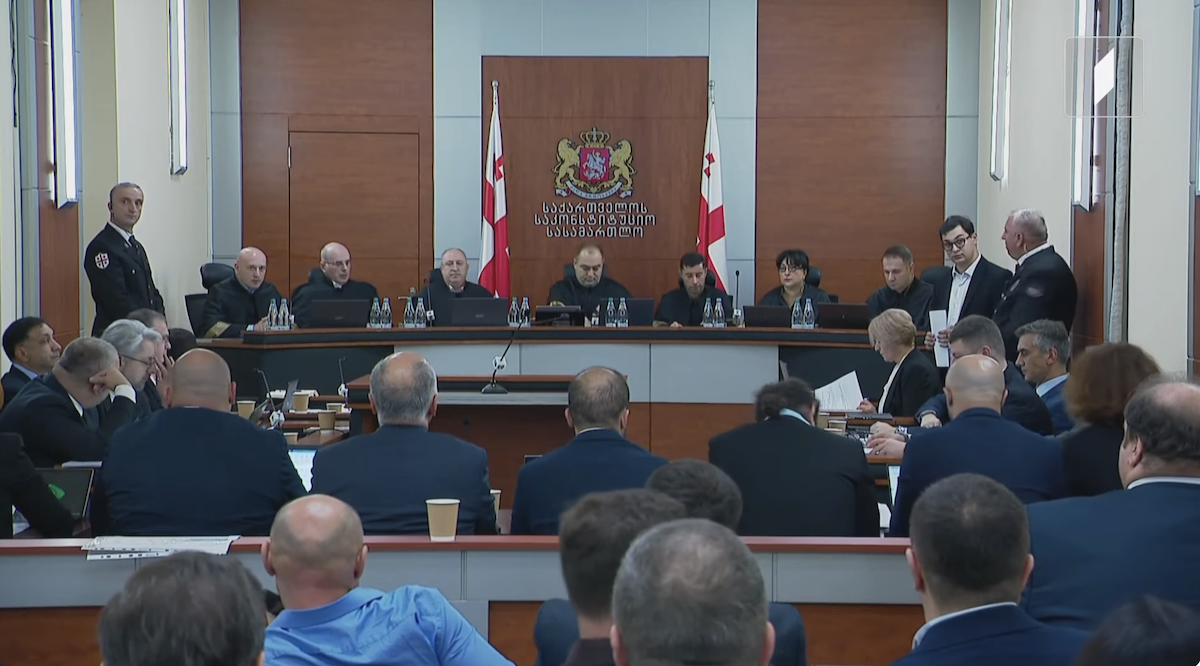
On 12 February 2025, Tbilisi City Court judge Liana Kajashvili ruled in favour of Black Sea Group. The court ordered the former prime minister and companies under his control to pay Black Sea Group more than $12 million in damages.
The Court of Appeals and the Supreme Court upheld the ruling. It became final in November 2025. The amount owed continues to increase each day until the court order is enforced.
The direct parties to the dispute were Aquahydro and Black Sea Group. Nika Gilauri had no direct contractual relationship with either company. He owned a stake in a firm whose subsidiary acted as the project’s direct client.
Despite this corporate structure, the court held Gilauri personally liable. It also imposed liability on Reformatics, even though the company had no involvement in the hydropower project.
The court concluded that Gilauri and companies linked to him had acted together against Black Sea Group under what it described as a “joint agreement”.
What do the lawyers say?
German and Georgian lawyers Heinz Böling and Giorgi Jughéli analysed the ruling. Their analysis appeared in a German legal journal in June 2026.
The authors argue that the court conflated the common goal of the economic project with the legal liability of the individual companies involved. They believe the ruling effectively erases the distinction between a company and its partners.
“Neither German nor Georgian law provides for such legal consequences. This is incorrect and, moreover, as already stated, simply fabricated,” the lawyers write.
In their assessment, the court imposed personal liability “through three corporate veils” on a person who was not a party to the disputed contract.
“As far as we know, there is no other court ruling allowing such liability — not only in Georgia, but anywhere in the world,” the authors note.
Radio Free Europe/Radio Liberty also asked two other Georgian lawyers to independently review the ruling. Both said there were insufficient legal grounds for holding Gilauri and Reformatics liable.
One of the lawyers said that common ownership does not automatically make companies liable for each other’s obligations. To impose personal liability, the court would have had to prove that Gilauri used the corporate structure to defraud a creditor or pursue other unlawful purposes. The ruling contains no such evidence or reasoning.
There is no documented evidence of a political link between Gilauri’s public criticism, the acceleration of the court proceedings and the final ruling. However, the chronology raises questions. The trial court concluded a four-year dispute about two months after Gilauri made a series of high-profile political statements. The higher courts then reviewed the extensive case file within eight months.
The state has now sold Gilauri’s house at auction. The former prime minister remains silent, while authorities continue to pursue his assets and business interests to recover the money.
Nika Gilauri case