Opinion from Abkhazia: 'Nika Gvaramia said nothing new about resolving Georgian-Abkhaz conflict'






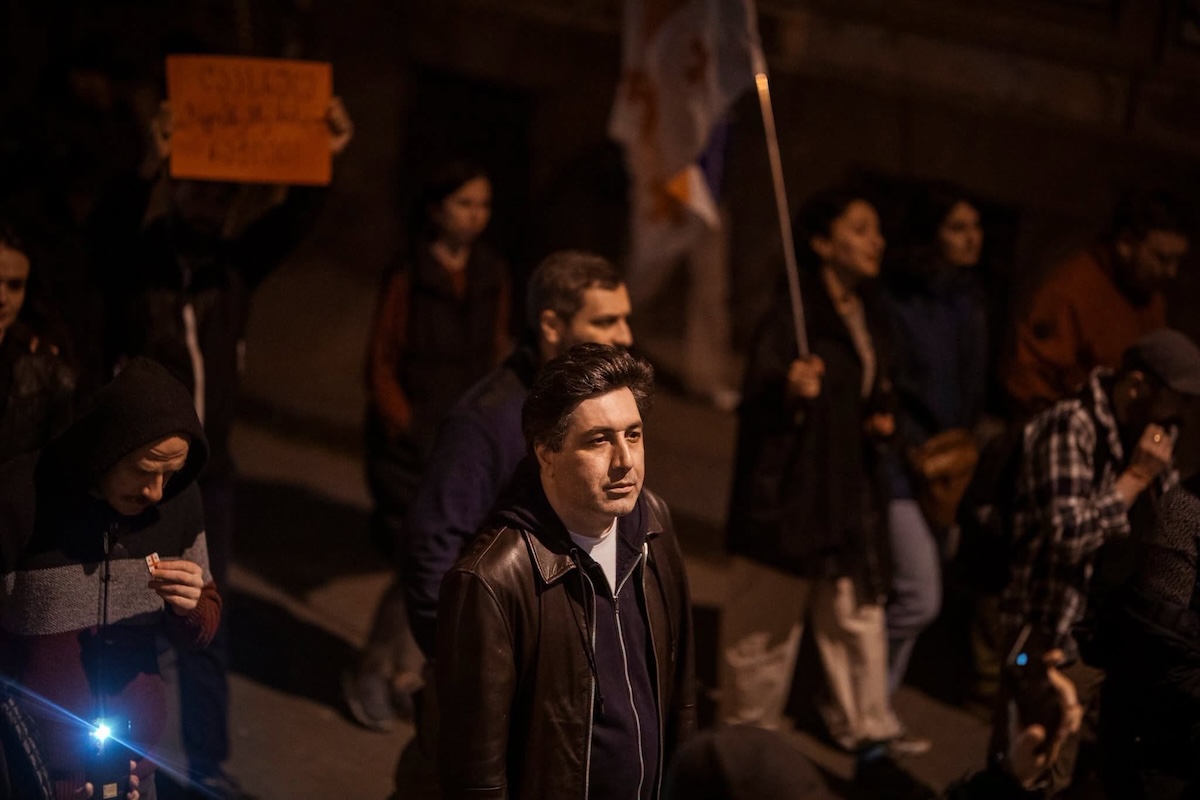
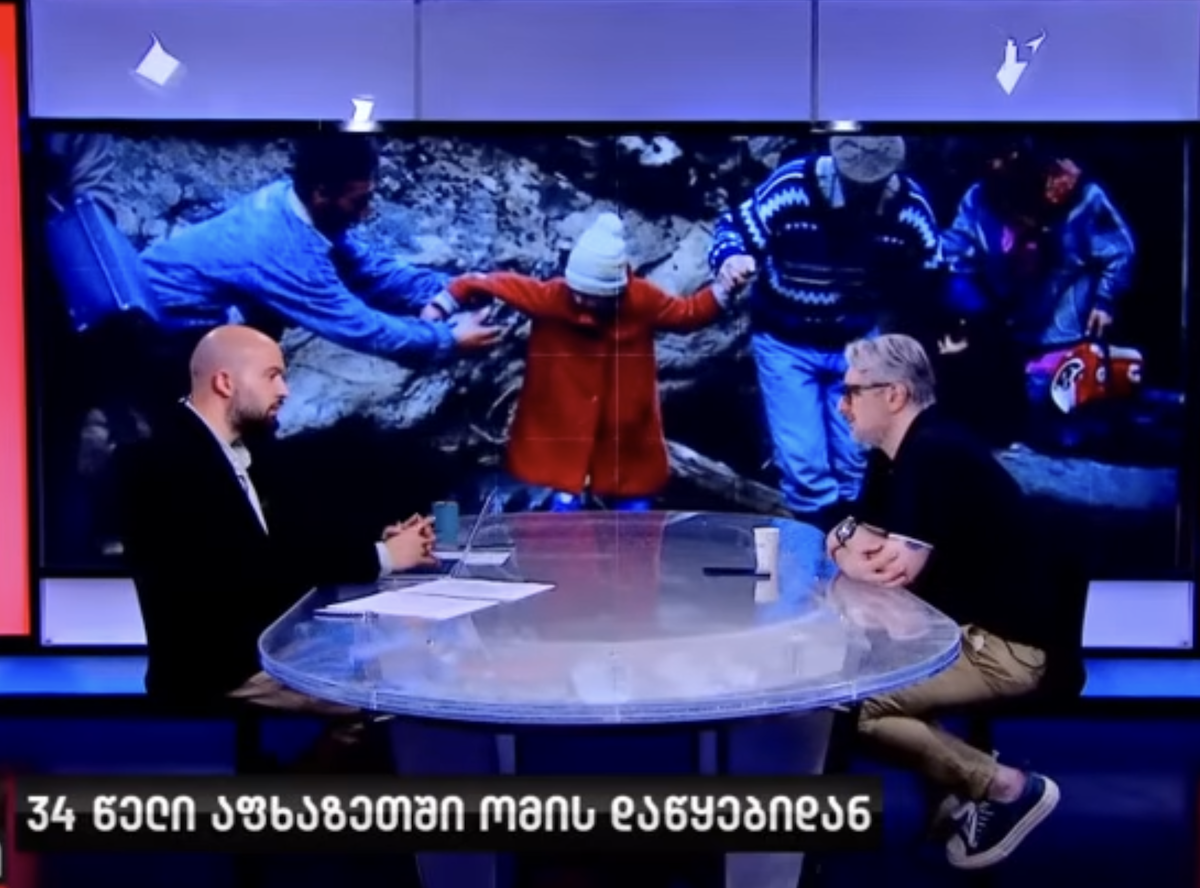
An interview with Nika Gvaramia, one of the leaders of the Georgian opposition, about ways to resolve the Georgian-Abkhaz conflict attracted considerable attention in Georgia. In Abkhazia, however, it attracted almost no attention.
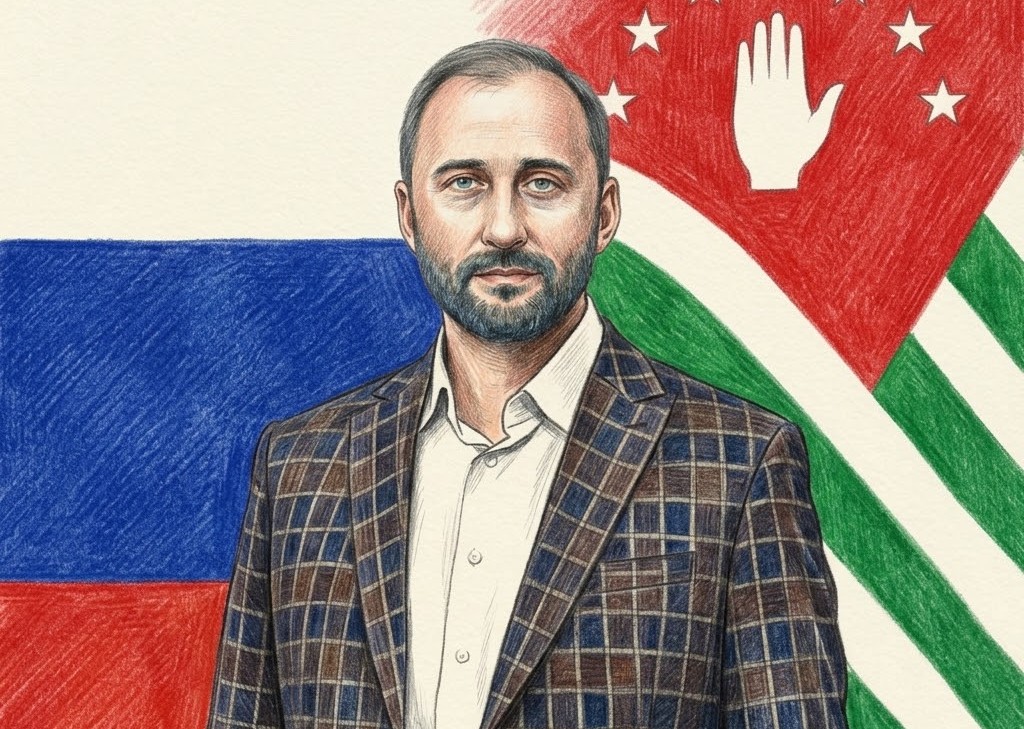
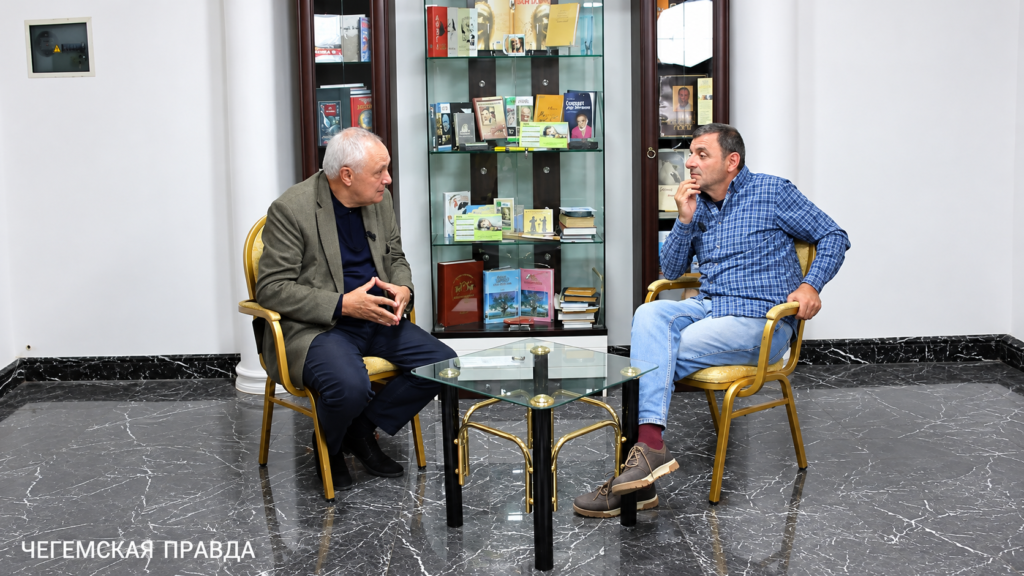
In his blog, Inal Khashig, editor of the Abkhaz newspaper Chegemskaya Pravda, offered his view on why. He believes the lack of interest among Abkhaz people is mainly because Gvaramia said nothing new in the interview and offered none of the things Abkhaz people would want to hear.
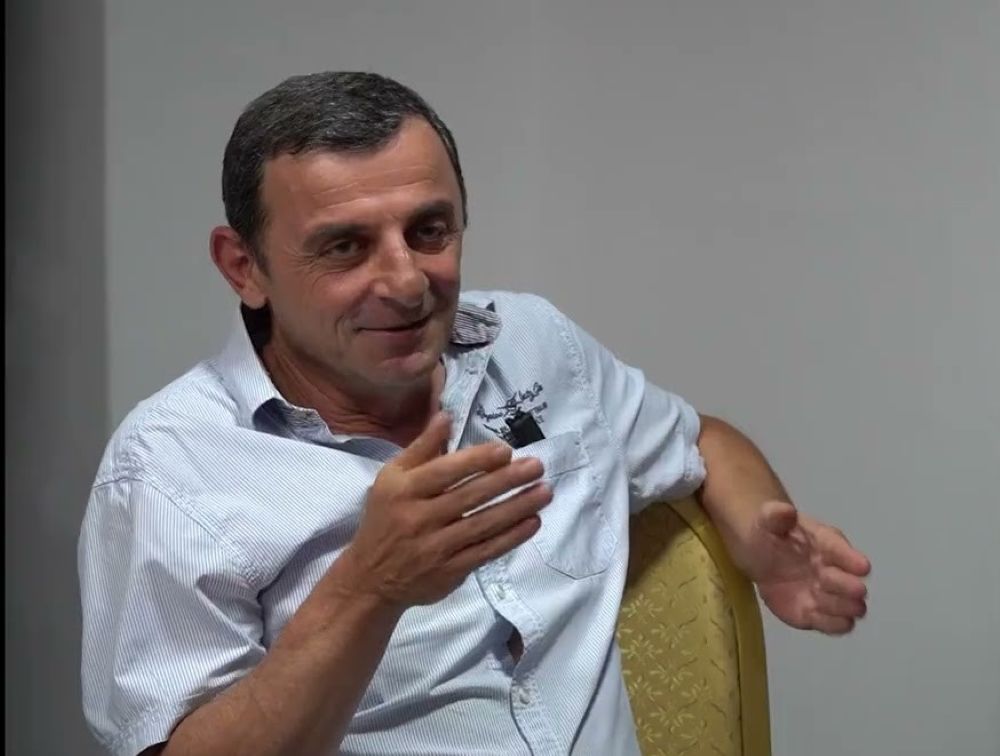
Inal Khashig: “From my strictly Abkhaz perspective, Gvaramia did not say anything radically new. If anything, he simply revived the old idea of resolving the Georgian-Abkhaz conflict through Georgia’s integration into the European Union, which would serve as an attractive incentive for Abkhaz people.
Georgian politicians have periodically put forward this idea since the presidency of Mikheil Saakashvili. The most recent was Georgia’s current prime minister, Irakli Kobakhidze, who in 2024 even set a specific deadline for achieving the goal. ‘Georgia will join the European Union together with our Abkhaz and Ossetian brothers by 2030,’ he declared at the time from a high-profile podium. In short, the EU idea has already been discussed many times.”
From Gvaramia’s interview, I also understood that Georgia cannot resolve the conflict through military means at present because it lacks the resources needed to guarantee the desired outcome. In this context, economic development and shared security interests should form the basis for resolving the conflict.
The only “new” idea proposed by the opposition politician is that Georgia needs to overcome the trauma it suffered after the Georgian-Abkhaz war of the 1990s because these memories “prevent it from moving forward and hold back development”. And on this point, I completely agree with Nika Gvaramia.
In my view, Georgia’s constant insistence on the need to regain Abkhazia is actually a heavy burden that prevents the country from achieving its full potential.
It is like a man who devotes all his energy and the rest of his life to trying to win back a wife who left him long ago. You can consider his life wasted.
I am convinced that if Mikheil Saakashvili had not abandoned his reform agenda in favour of “restoring territorial integrity” during his presidency, Georgia would almost certainly have made much greater progress in building its statehood.
I can well imagine that when Nika Gvaramia speaks about the need to overcome the trauma, he actually means giving up once and for all on claims to the lost territories. But as a politician, he understands the consequences of making such an admission openly.
As for the idea of restoring trust between Abkhaz people and Georgians, Gvaramia talks about this as well. But his understanding of “trust” is not very different from that of other Georgian politicians: essentially, “we will open up the world to you and shower you with benefits, but first come back to us”. In other words, it is a kind of bargain, with no guarantee that the other side is not bluffing.
But genuine trust looks very different.
In my view, a tangible step towards beginning the process of rebuilding trust between Abkhaz people and Georgians would be for Tbilisi to abolish the discriminatory Law on Occupied Territories, which does little short of preventing Abkhazia and South Ossetia from breathing freely without Georgia’s permission. But Nika Gvaramia did not mention this law even once. Perhaps that is why his interview went unnoticed in Abkhazia.
The terminology, place names and views expressed in this article are those of the author and do not necessarily reflect the editorial position of this website.
Nika Gvaramia interview