Lasha Bugadze becomes first modern Georgian writer whose book was barred from being sent to prison






Precedent for literary censorship in Georgia
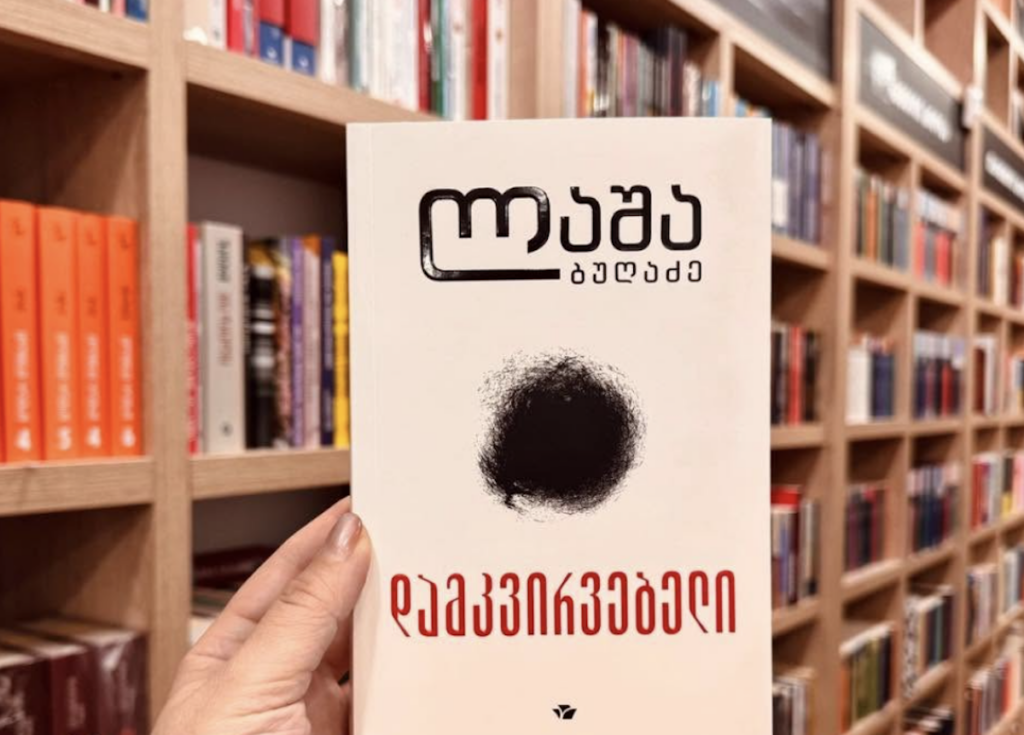
The administration of Rustavi Prison refused to allow Lasha Bugadze’s new novel, The Observer, to be delivered to the prison. The book was intended for Nana Sander, who was convicted over her participation in a protest on 4 October 2025.
Notably, the penitentiary code contains no provision explicitly banning fiction from being brought into prisons.
The book’s synopsis describes a fictional political reality involving the long rule of a “despot”, the “division of the country into zones” and a “cult of the leader”. It also mentions the scheduling of elections and a decision by the country’s population on whether they should take place.
According to Bugadze, a prison official refused to allow the book in, saying the novel contained “political content”.

The writer says it is unclear to him who determined that the book contained political content and what criteria they used. He suspects the decision may have been prompted by words and phrases in the novel, such as “despot” and “cult of the leader”.
“The employee told me directly that the book could not be delivered because it was political in nature. I don’t think he sat down and read the book. I doubt he even read the synopsis,” Bugadze said.
In his view, someone appears to have judged the work to be political without giving any clear reason.
“Who put this label on the text? [Who decided] whether it was political or not? What does that even mean? And, excuse me, even if the content is political, why should a citizen – whether a prisoner or anyone else – not have the right to read such a book?” the writer said.
Bugadze sees the incident as a potential precedent for censoring literary works:
“It can be described as the first significant example of literary censorship in modern Georgian history. This is an extremely dangerous precedent, and under no circumstances should it be considered normal. The situation requires a response. No one has the right to stop someone from reading.”

The head of the human rights organisation Sapari, Baia Pataraia, announced that legal proceedings would begin over the incident:
“We are taking legal steps. <…> First, we will demand a written and reasoned refusal.”
The organisation PEN Georgia also responded to the case. It described the incident as an alarming precedent for censorship of a literary work, linked not only to the novel’s content but also to the author’s political and civic stance. The organisation stressed that censoring fiction and restricting freedom of expression are unacceptable in a democratic society.
Precedent for literary censorship in Georgia