Russia faces criticism over ethnic discrimination at state-backed conference in Azerbaijan






Criticism of Russia at Azerbaijani conference
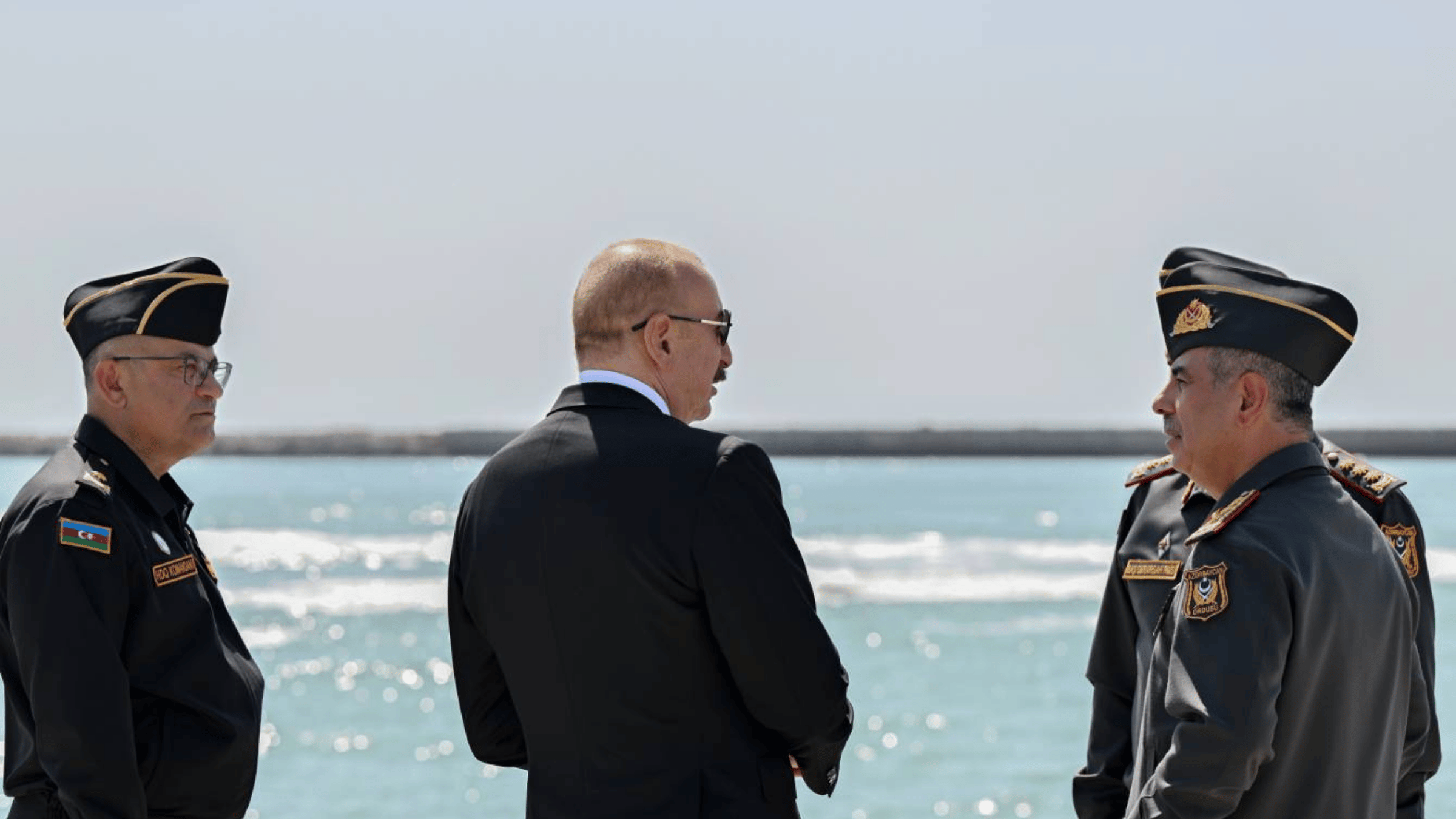
An international conference entitled Cultural and Ethnic Diversity: Lessons of History, Contemporary Challenges took place in Shusha. It featured calls on Russia to recognise the Circassian genocide and historical crimes against other peoples, end the forced deployment of ethnic minorities to the front in Ukraine, and put a stop to what speakers described as systemic discrimination and xenophobia.
One of the stories highlighted at the conference concerned the family of one of the organisers, Seyfeddin Huseynli (Safarov), chairman of the Centre for Cultural and Ethnic Diversity. On 27 June 2025, Russian law enforcement officers raided the house in Yekaterinburg where three of his brothers and other close relatives were living.
As a result of torture, two of his brothers, Huseyn and Ziyaddin Safarov, died. The remaining relatives face lengthy prison sentences. Seyfeddin Huseynli described the tragedy as “an example of ethnic and religious discrimination” and said he hoped to bury his brothers in Karabakh.
What was the conference about?
The conference was held on 6 July at the Karabakh Hotel in Shusha. It was organised by the Centre for Cultural and Ethnic Diversity and the Silk Road Cultural and Historical Research public associations.
It brought together civil society representatives, researchers and experts from 10 countries: Azerbaijan, Turkey, the United States, Georgia, Germany, Lithuania, Poland, the Czech Republic, France and Israel.
The programme featured two panel discussions: Ethnic and Cultural Diversity as a Heritage of Humanity and Contemporary Forms of Colonialism: Practices Bringing Tragedy, Slavery and Suffering to Peoples. One of the moderators was Turkish researcher and journalist Nalan Yazgan Eris.
Main speakers and topics included:
- Prof Cahit Aslan (Çukurova University, Turkey), who spoke on Circassian National Identity and Collective Memory.
- Fatima Tlis (US-based World Circassian Agency, via video link) discussed Responding to the Challenges of a New Era and colonial oppression.
- Seyfeddin Huseynli presented Mobilising Against Activities Targeting Cultural and Ethnic Diversity, drawing on his family’s personal experience.
- Other speakers, including Abdullah Temizkan (Turkey), Gintaras Songaila (Lithuania), Merab Chukhua(Georgia), Ibrahim Yaganov (France) and Rodin Nalgabets (Israel), addressed issues including the Circassian genocide, colonial policies, the alleged forced mobilisation of ethnic minorities for Russia’s war in Ukraine, and collective memory.
The conference concluded with participants adopting a joint declaration.
Main messages of the conference and criticism of Russia
Although the conference declaration was framed in universal terms, it was in practice largely directed at Russia.
The declaration said that cultural and ethnic diversity, tolerance and multiculturalism should be a national asset of every state, and that no people should be subjected to humiliation, discrimination or persecution because of their ethnic or religious identity. It added that ethnic or religious identity should never be treated as a crime or used as grounds for collective punishment.
It also called for an end to what it described as the forced deployment of Russia’s ethnic minorities —including Circassians, Lezgins, Avars, Tatars, Kumyks, Chechens, Sakha, Buryats and other non-Russian peoples—to the front in Ukraine through coercion, persecution, blackmail and the threat of imprisonment.
The declaration urged Russia to recognise the genocides committed against the Circassians and other peoples, stop glorifying those responsible for their deaths, make historical archives publicly accessible, and end what it described as chauvinistic and xenophobic rhetoric, as well as attacks on non-Russians by skinhead groups and other similar manifestations.
The declaration also praised what it described as Azerbaijan’s exemplary model for protecting ethnic and cultural diversity, adding that Azerbaijan’s “historic Shusha victory” should serve as an example of the restoration of historical justice for colonised peoples.
Speakers also discussed the 1763–1864 Caucasian War, the 1864 “Great Exile” of the Circassians, Soviet-era deportations of the Karachays, Balkars and Chechens, restrictions on education in native languages, barriers to returning to ancestral homelands, and what they described as the lack of sovereignty of Russia’s ethnic republics.
In his address, Seyfeddin Huseynli said his own family had experienced this pain firsthand:
“We have experienced this pain firsthand through our own family… On 27 June 2025, three of my brothers and several close relatives were subjected to an unjustified assault by Russian law enforcement officers in Yekaterinburg… We believe that cultural and ethnic diversity and tolerance should be a national asset of every state, and that discrimination on ethnic and religious grounds must be rejected.“
Russia-Azerbaijan tensions
The conference took place against the backdrop of recent tensions in relations between Azerbaijan and Russia.
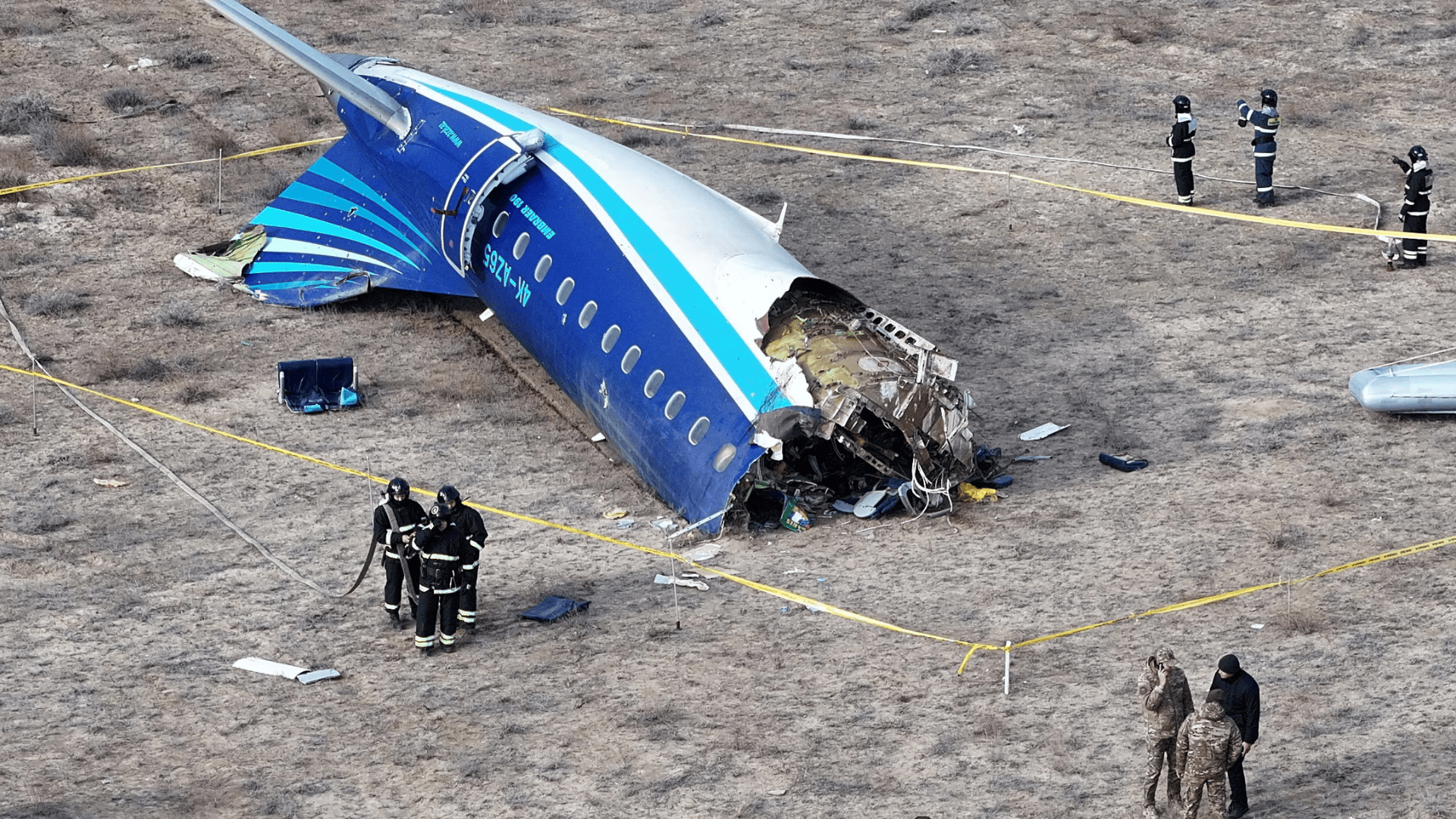
On 25 December 2024, an Azerbaijan Airlines Flight 8243 travelling from Baku to Grozny was struck over Russian territory by a missile from a Pantsir air defence system, according to the Azerbaijani authorities. The aircraft later crashed while attempting an emergency landing in Kazakhstan, killing 38 people. Azerbaijan officially blamed Russia and demanded an apology and compensation.
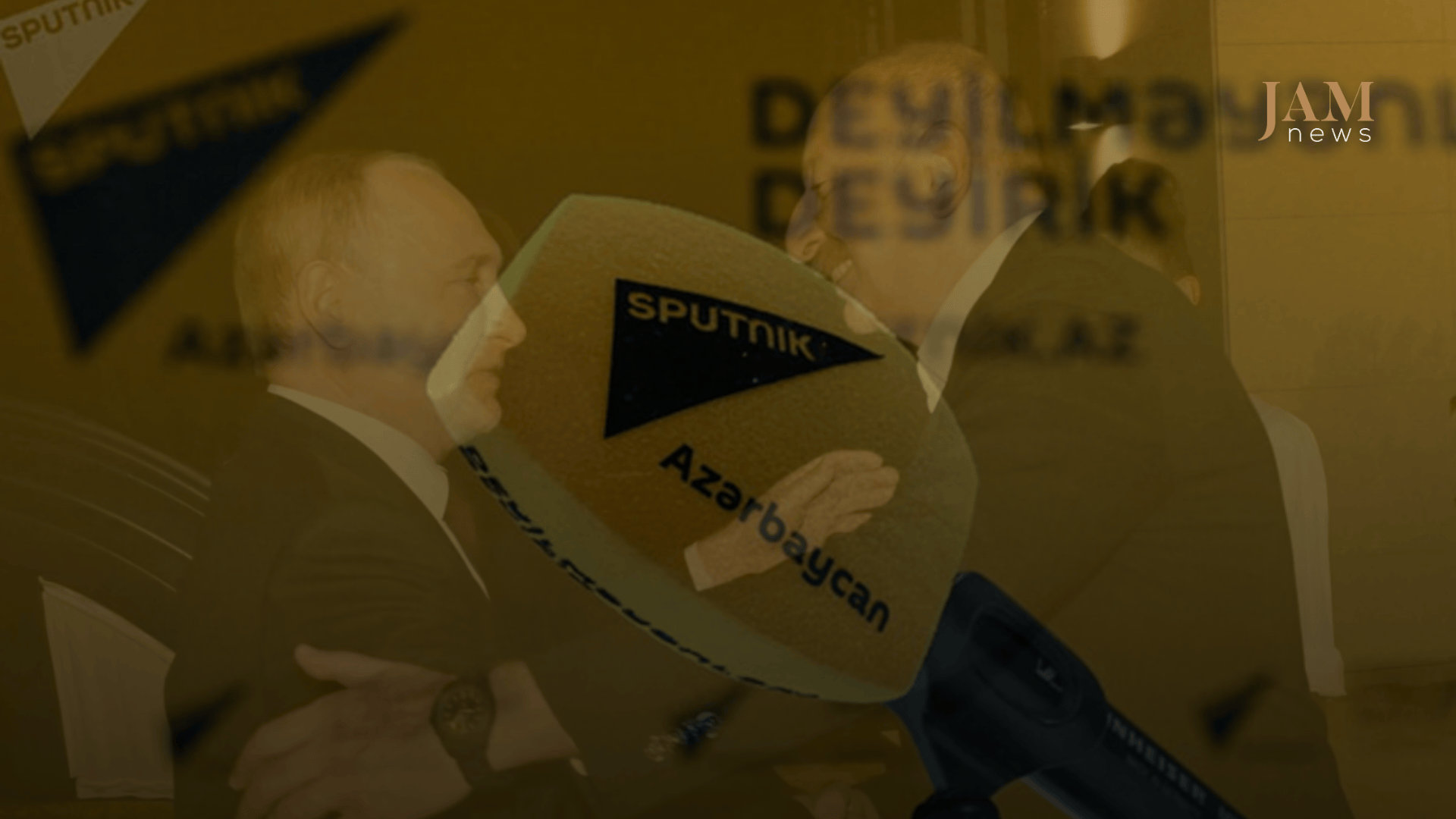
The diplomatic crisis deepened in June 2025 after the mass detention of ethnic Azerbaijanis in Yekaterinburg and reports that some detainees had been tortured. Seyfeddin Huseynli’s brothers were among those affected. In response, Azerbaijani authorities raided the office of Sputnik Azerbaijan in Baku and detained several Russian citizens.
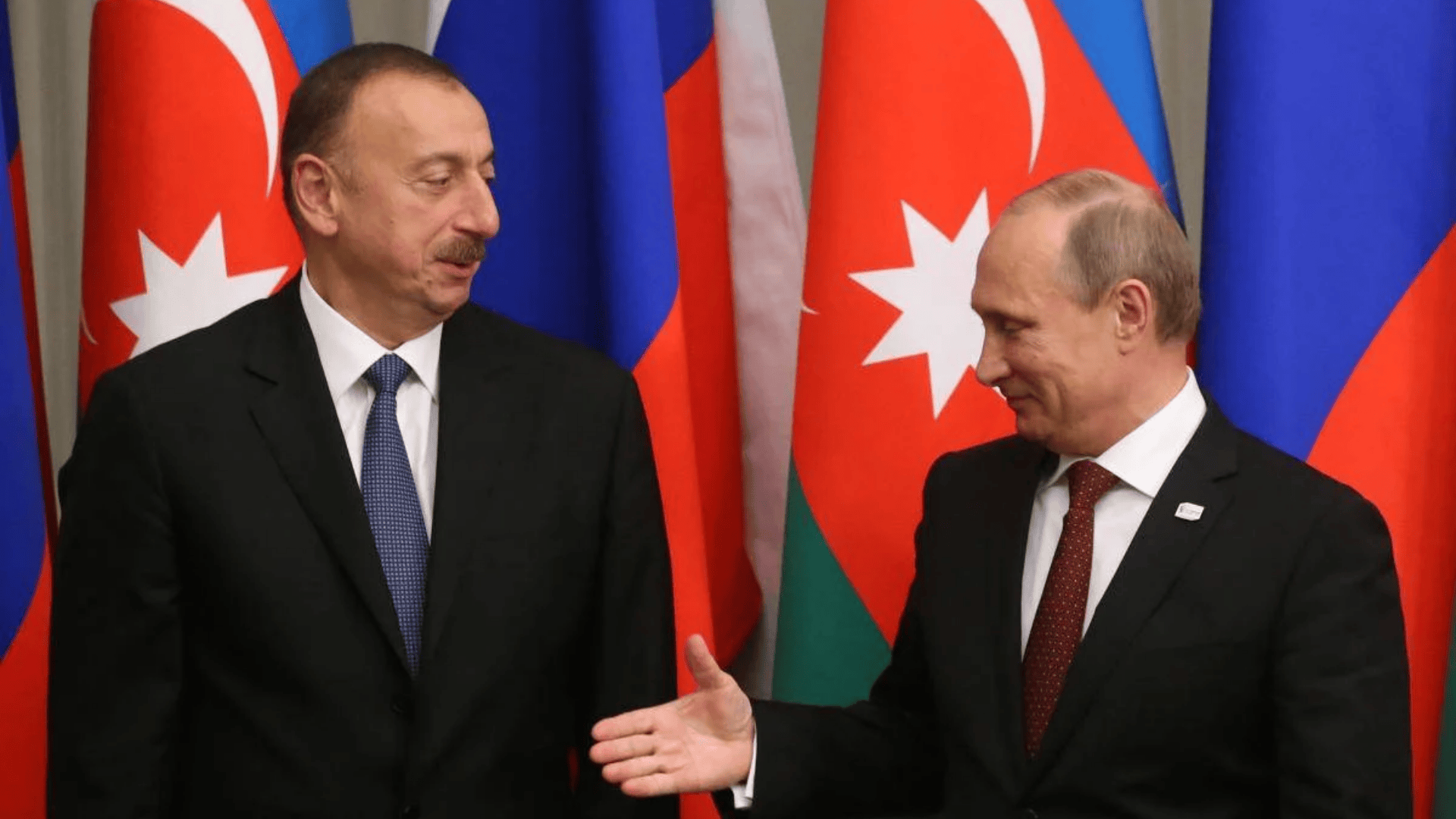
In October 2025, during a meeting with President Ilham Aliyev in Dushanbe, Russian President Vladimir Putin acknowledged that the aircraft had been struck by a missile. In April 2026, under an official agreement, Russia agreed to pay compensation. Although relations have partially normalised since then, tensions persist. Against this backdrop, the conference elevated one family’s personal tragedy into a broader political discussion about ethnic discrimination and historical justice.
What does it mean?
Against the backdrop of Russia’s war in Ukraine, decolonisation has become an increasingly prominent theme across the post-Soviet space.
Russia’s narrative of “denazification” is being countered by renewed scrutiny of what critics describe as its own imperial legacy, including the Circassian genocide, the 1763–1864 Caucasian War and the 1864 “Great Exile”, during which hundreds of thousands of Circassians were killed or displaced, Soviet-era practices of collective punishment, and Russia’s current ethnic policies.
Azerbaijan’s victories in Karabakh between 2020 and 2023 are presented by participants as evidence of the failure of Russian mediation, with the conference describing them as an example of the restoration of historical justice for peoples that had experienced colonial rule.
Azerbaijan officially promotes itself internationally as a model of multiculturalism and tolerance. Although the conference was organised by civil society groups, its venue in Shusha and indications of state backing sent what participants portrayed as a political message to Russia that the previous model of bilateral relations no longer applies.
Although the declaration was framed in general anti-discrimination and anti-colonial terms, Russia was clearly its main target.
Questions surrounding Azerbaijan’s own ethnic policies, including its treatment of Armenians and other minorities, were not directly addressed during the conference. Instead, discussions focused overwhelmingly on criticism of Russia. Representatives of the Circassian diaspora and movements such as the Free Nations League also took part in the event and expressed support for its conclusions.