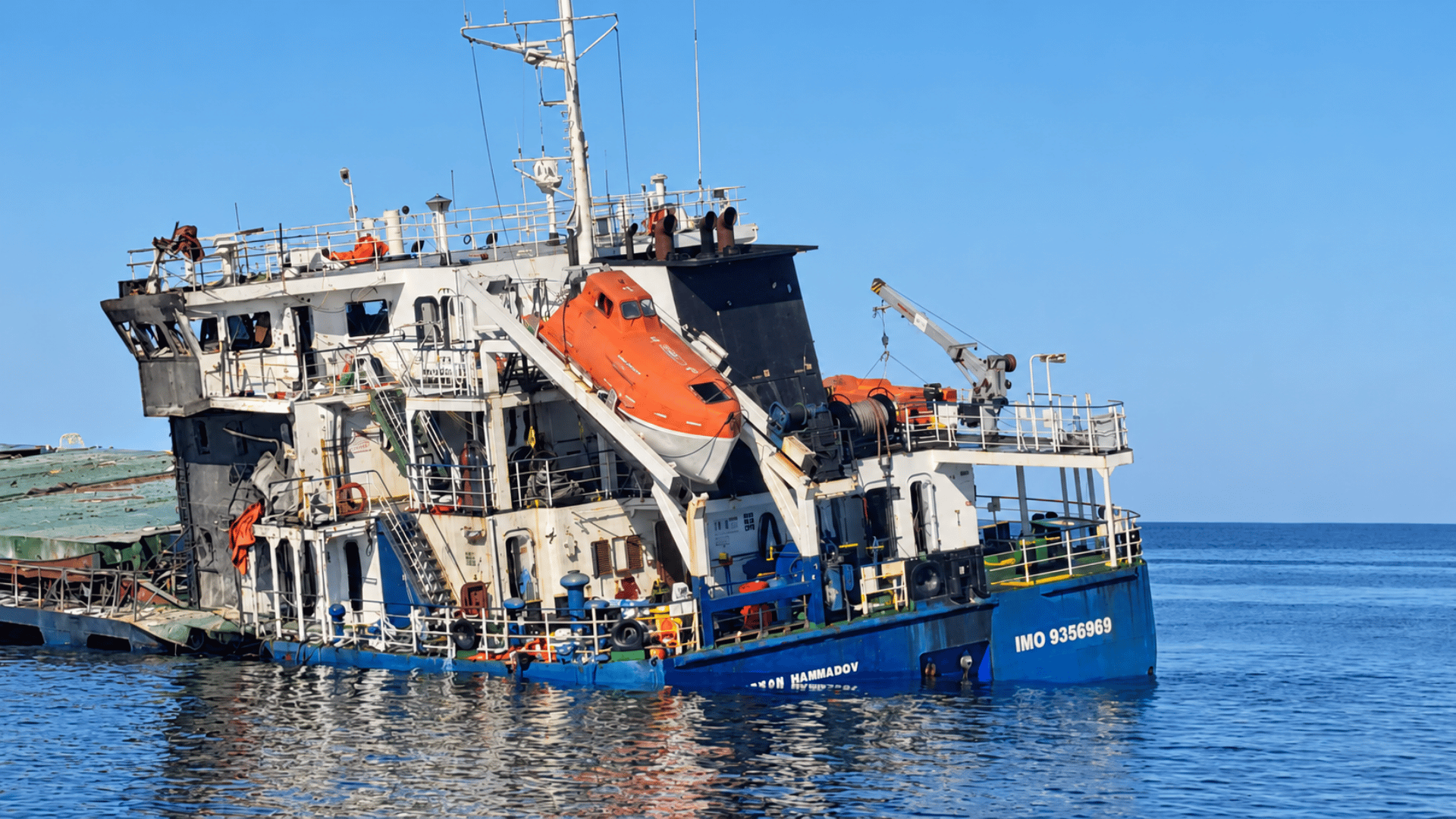


Zelensky in Azerbaijan: possible Ukraine-Russia talks in Baku, alongside other developments






Zelensky’s visit to Azerbaijan
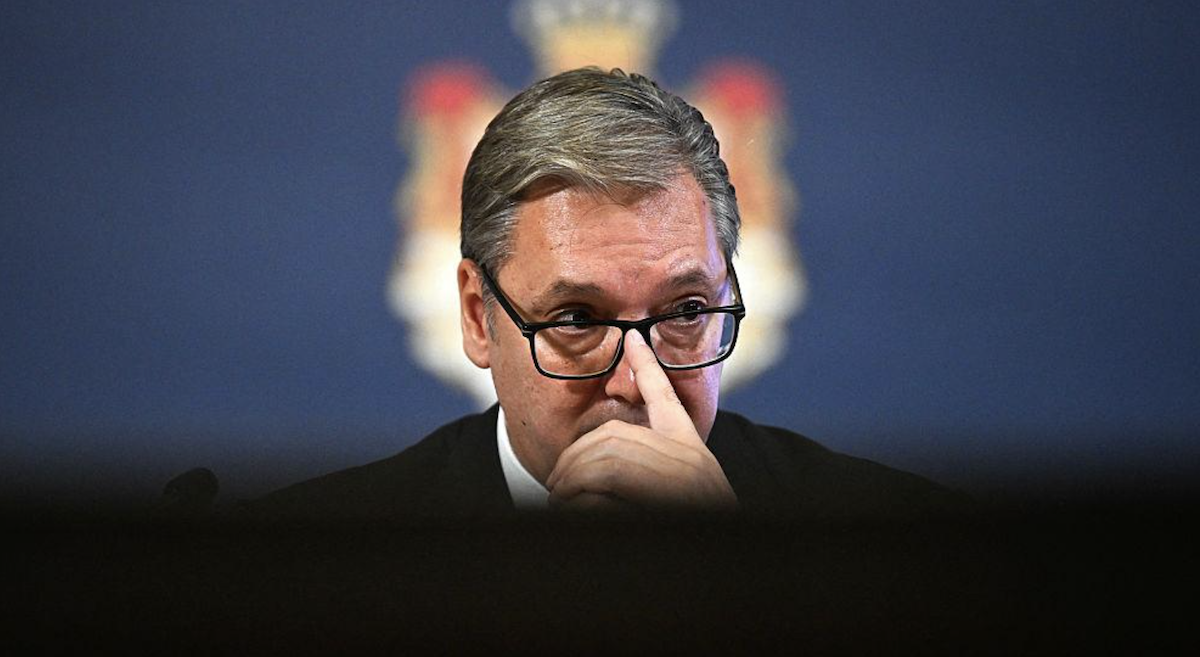
Ukrainian President Volodymyr Zelensky, during a surprise visit to Azerbaijan on April 25, proposed that Baku hosts Ukraine-Russia negotiations involving the United States, during talks with President Ilham Aliyev in the city of Gabala.
Overall, at the conclusion of the visit, during which the Ukrainian president was accompanied by a high-level delegation including the foreign minister:
- Six documents were signed,
- Five buses were transferred to Ukraine,
- There were also intensive discussions on existing and prospective cooperation between the two countries in counter-drone technologies and the joint production of defense-industrial goods.
The timing is notable. The visit comes just 10 days after an agreement between Azerbaijan and Russia under which Baku dropped its demand that Moscow punish those responsible for the crash of an Azerbaijani passenger plane reportedly downed by Russian air defences in late December 2024 – a shift observers see as underscoring Azerbaijan’s increasingly complex balancing act between Kyiv and Moscow.
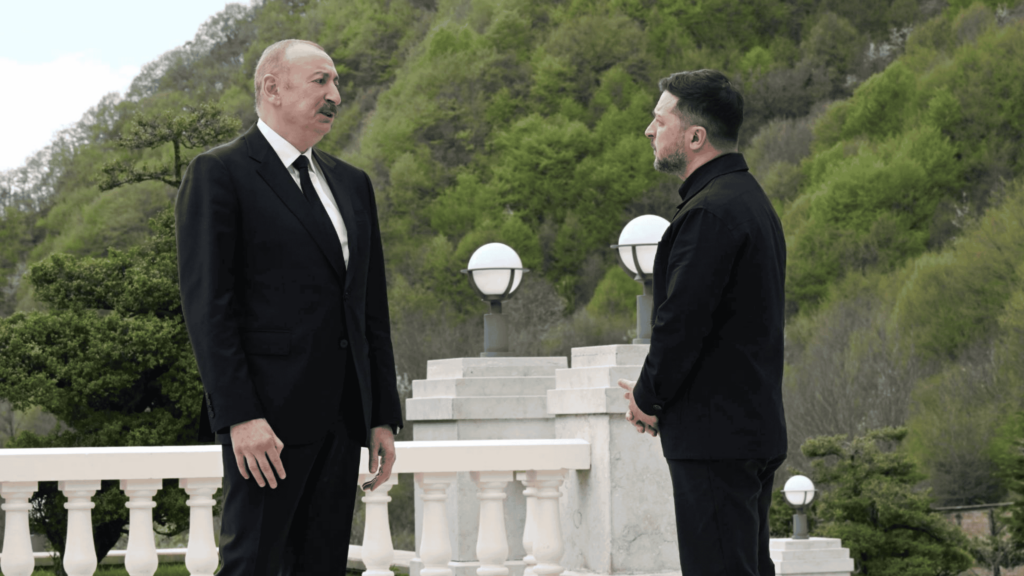
All meetings during Ukrainian President Volodymyr Zelensky’s working visit to Azerbaijan were held in Gabala.
The Ukrainian and Azerbaijani presidents first held a one-on-one meeting, followed by expanded talks with delegations.
It marked Zelensky’s first visit to Azerbaijan since Russia’s full-scale invasion of Ukraine, and the seventh meeting between the two leaders in a little over four years.
Security, energy, and humanitarian cooperation featured prominently on the agenda.
Zelensky thanked Azerbaijan for its support of Ukraine’s sovereignty and territorial integrity, while President Ilham Aliyev said cooperation with Kyiv rests on a “very solid political foundation.”
In recent years, Baku and Kyiv have maintained steady contacts in areas including energy cooperation, humanitarian assistance, and the rehabilitation of Ukrainian children in Azerbaijan.
The meetings also highlighted Azerbaijan’s delivery of 11 shipments of aid to Ukraine containing equipment for restoring energy infrastructure, as well as the participation of more than 500 Ukrainian children in rehabilitation programs in Azerbaijan.
Six agreements, transfer of counter-drone technologies, and potential joint defense production
The most concrete outcome of the visit was the signing of six agreements.
Notably, ahead of the trip, Ukrinform reported that President Volodymyr Zelensky said work was underway on five interstate agreements. However, after the meeting, both the Ukrainian presidential office and the agency itself stated that six documents had been signed.
While officials did not immediately disclose the full list, statements by Zelensky and Azerbaijani President Ilham Aliyev indicated that priority areas included defense industry cooperation, security, joint production, energy, and other bilateral fields.
Zelensky emphasized that “today, the number one priority is security,” while Aliyev pointed to the development of the military-industrial sector in both countries.
A key element of this agenda was Ukraine’s transfer of its own security experience to Azerbaijan.
Zelensky’s office said he met with a group of Ukrainian experts already working in Azerbaijan.
The group is reportedly engaged in air defense and critical infrastructure protection, safeguarding civilian facilities from aerial attacks, assessing existing capabilities, and developing new areas of cooperation.
The meetings also discussed the potential for cooperation in counter-drone technologies and the joint production of defense-industrial goods.
Thus, the visit focused not only on political symbolism but also on practical exchanges of security expertise.
The humanitarian track was also prominent
Azerbaijan donated five electric passenger buses to Ukraine, including to the city of Irpin, as part of humanitarian assistance.
Ukrainian Foreign Minister Andrii Sybiha described the delivery both as practical support for local communities and as a symbol of solidarity between the two countries.
Zelensky also expressed particular gratitude to Aliyev for energy assistance and for programs supporting the rehabilitation of children.
Possible Ukraine–Russia talks in Azerbaijan
The most politically significant statement concerned potential peace talks between Ukraine and Russia.
Zelensky said Ukraine is ready for trilateral negotiations with Russia and that, “if Russia is ready for diplomacy,” such meetings could in the near future take place in Azerbaijan.
He noted that similar contacts had previously been held in Türkiye and Switzerland with the involvement of American partners.
The remarks placed the Azerbaijan meeting in a broader context of regional diplomatic efforts.

Azerbaijan–Russia: Zelensky’s visit to Baku takes on particular political significance
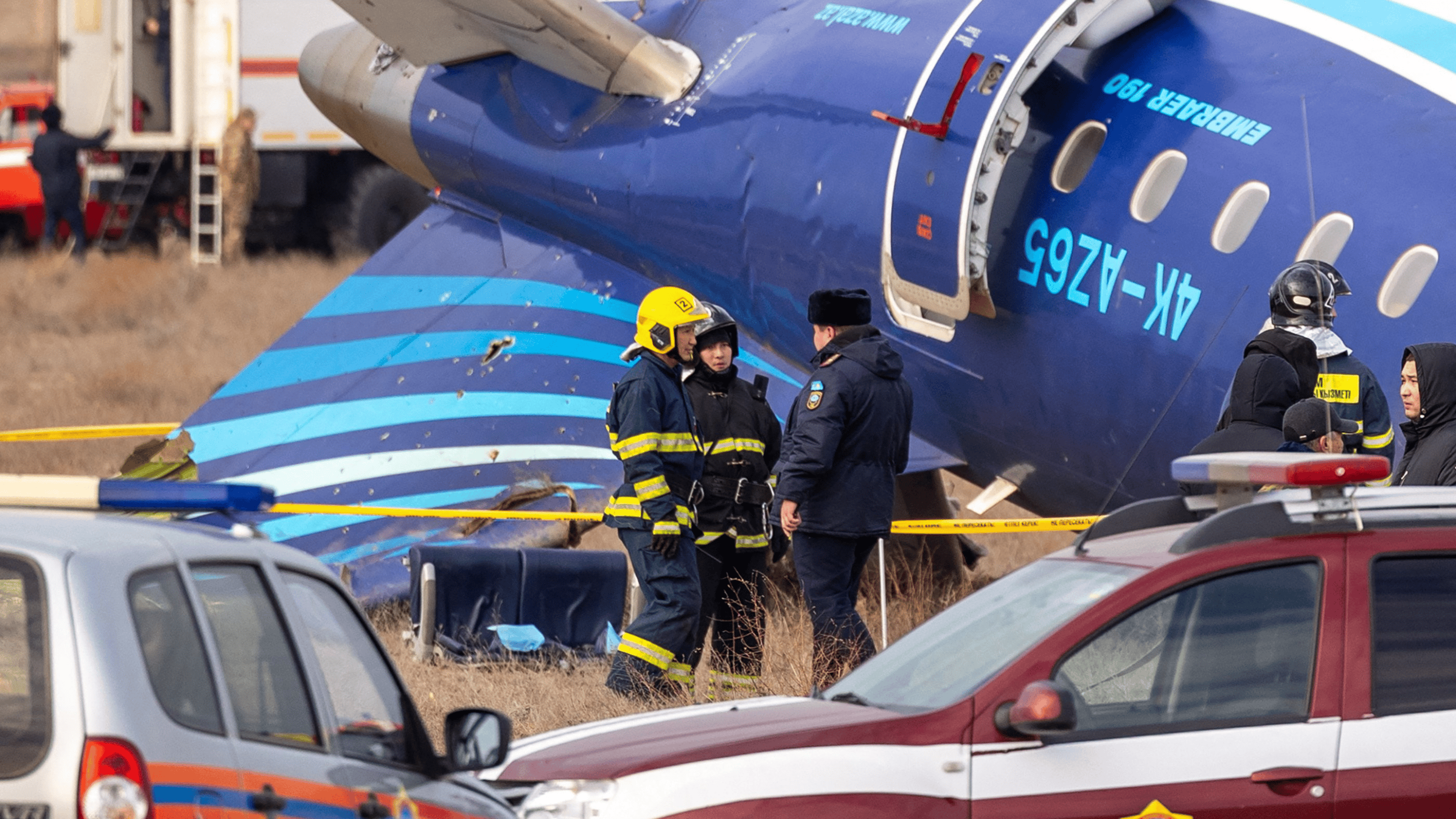
Just ten days before Volodymyr Zelensky’s visit – on April 15 – the foreign ministries of Azerbaijan and Russia announced that they had reached a “mutually acceptable solution” following the investigation into the crash of an Azerbaijan Airlines Embraer 190 passenger aircraft on December 25, 2024, near Aktau.
The disaster left 38 people dead and 29 survivors. Throughout the period since the crash, Azerbaijan – and its president personally – had firmly demanded that Moscow formally acknowledge responsibility, provide compensation to the families of victims and the injured, and punish those responsible.
The first two demands had already been effectively met.
However, the issue of an official admission of guilt was absent from the joint Azerbaijani–Russian statement on April 15, indicating that Baku has dropped that requirement.
The statement said the crash resulted from the “unintentional activation” of an air defense system in Russian airspace. It also expressed hopes for continued Azerbaijani–Russian relations in the spirit of “mutually beneficial cooperation” and “good neighborliness.”
Against this backdrop, the meeting in Gabala is seen as a continuation of Baku’s traditional balancing policy.
On the one hand, Azerbaijan openly supports Ukraine’s territorial integrity and provides humanitarian assistance; on the other, it keeps the crisis in relations with Moscow under control while maintaining channels of communication.
In much of the analytical literature on Azerbaijan, this approach is described as a “balanced” and “multi-vector” foreign policy. Some experts say it allows Baku to position itself as a potential mediator and a credible negotiating partner.
This is indirectly reflected in Moscow’s swift response to Zelensky’s proposal to hold talks in Azerbaijan.
Russian Federation Council Senator Vladimir Dzhabarov said:
“Russia may agree to talks with the United States and Ukraine in Azerbaijan. It is a normal venue, we currently have good relations with Azerbaijan. If Azerbaijan is ready to ensure the security of all participants in the negotiations, I think our members of the negotiating team could travel there without issue.”
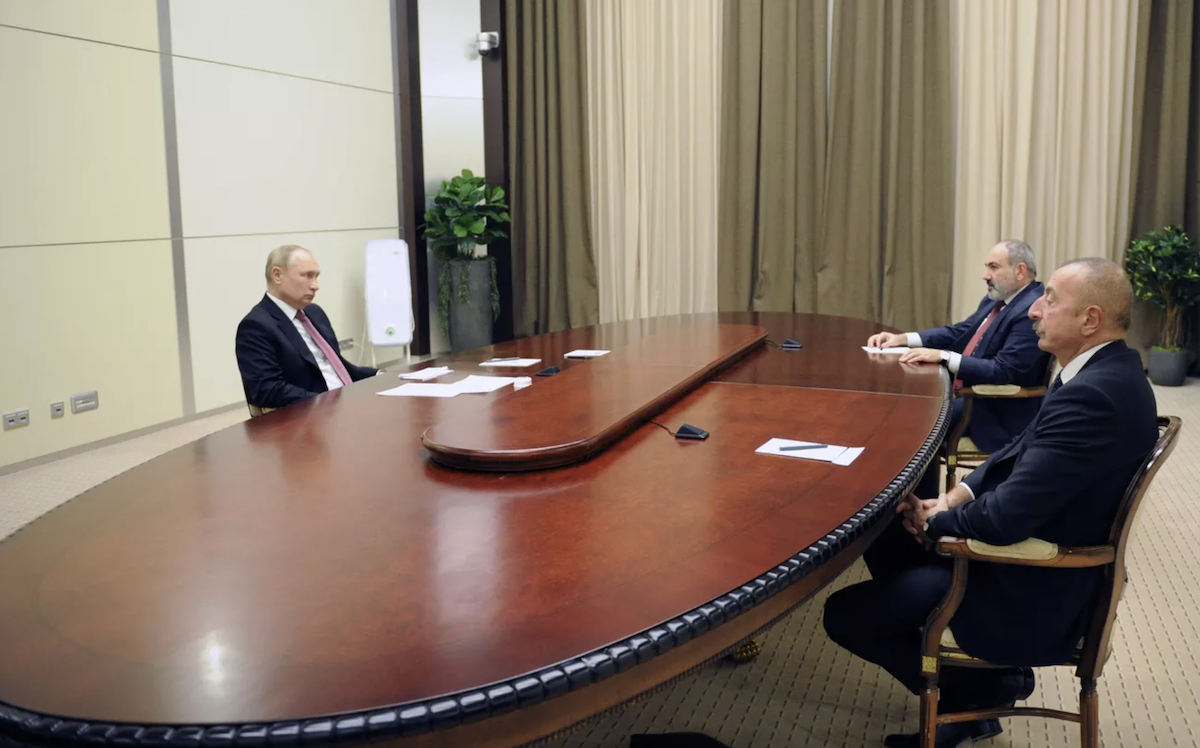
Zelensky’s visit to Gabala carries layered significance for Azerbaijan’s foreign policy
- First, Baku publicly signaled an expansion of cooperation with Ukraine not only in energy and humanitarian assistance, but also in security and defense-industrial areas.
- Second, by doing so shortly after reaching an agreement with Moscow on the aircraft crash case, Azerbaijan indicated that building ties with Russia does not mean abandoning support for Ukraine.
- Third, Zelensky’s statement that Azerbaijan could be considered as a venue for negotiations served as a symbolic but notable signal of Baku’s ambitions to assume a greater role in regional diplomacy.
It remains to be seen whether the agreements reached will remain on paper or lead to concrete projects in the defense-industrial sphere, including counter-drone technologies.
Even if they do not, the meeting has already underscored Azerbaijan’s effort to position itself in the South Caucasus as more than a transit hub.
Baku is presenting itself as a security partner, a humanitarian donor, and a potential diplomatic platform.
News in Azerbaijan