Georgian government adds another party to list of those facing ban






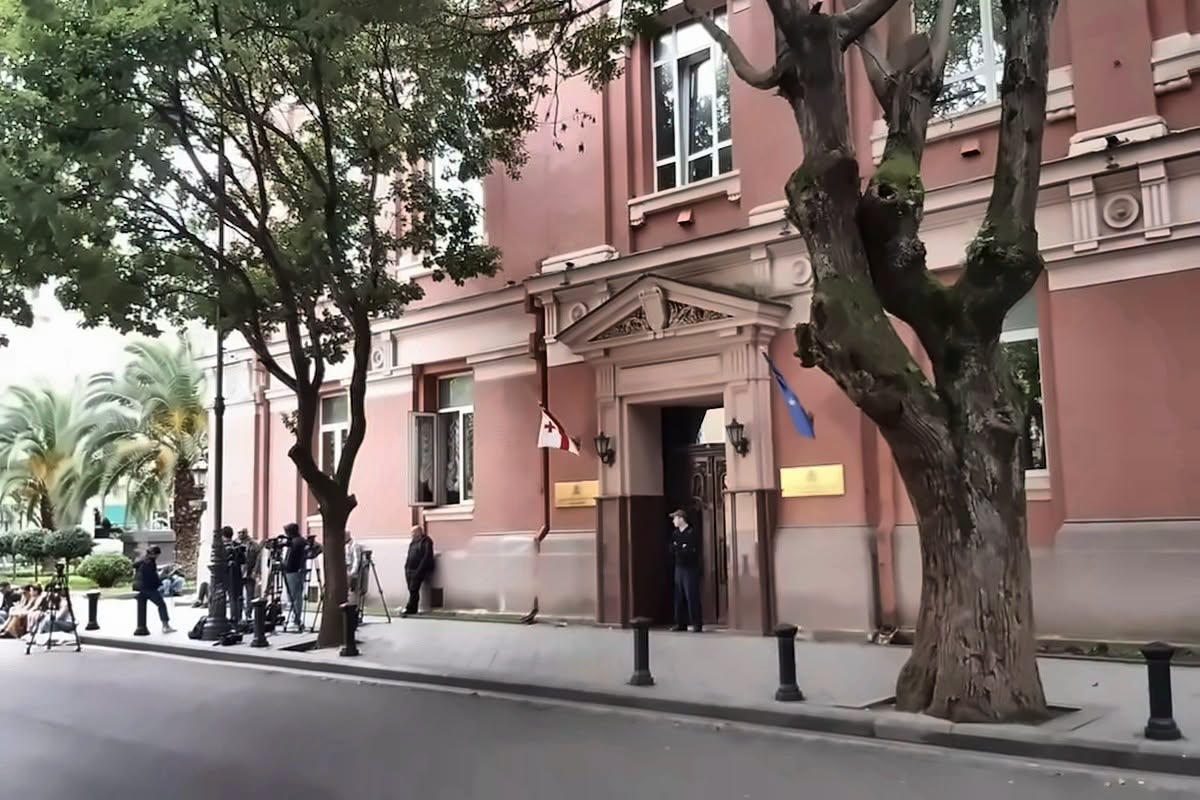
The Georgian government plans to file a new lawsuit with the Constitutional Court seeking to ban political parties, while at the same time withdrawing its previous application. The updated claim includes an additional political group — the Federalists party — expanding the list of parties facing a ban.
The parliamentary committee on procedural issues from the ruling Georgian Dream party has confirmed the authenticity of MPs’ signatures on the new constitutional lawsuit seeking to declare several opposition parties unconstitutional. The claim has been signed by 89 members of parliament.
According to Parliament Speaker Shalva Papuashvili, the decision is linked to a declaration signed by an opposition alliance on 2 March 2026. He says the ruling team is assessing the influence of the parties involved in the alliance, but stresses that former president Mikheil Saakashvili and opposition figures Giga Bokeria and Nika Gvaramia are seen as the main leaders of the political process.
Papuashvili explains that the initial lawsuit targeted three parties — the United National Movement, the Coalition for Change and Lelo — while the updated claim will also include the Federalists. The ruling party says the change is aimed at “adjusting” and expanding the lawsuit.
The move has drawn mixed reactions among the opposition. Tamar Chergoleishvili, one of the leaders of the Federalists party, says a possible ban would not affect their political plans. In her view, the step is more procedural in nature and is aimed at resetting the timeline for the case to be considered by the Constitutional Court.
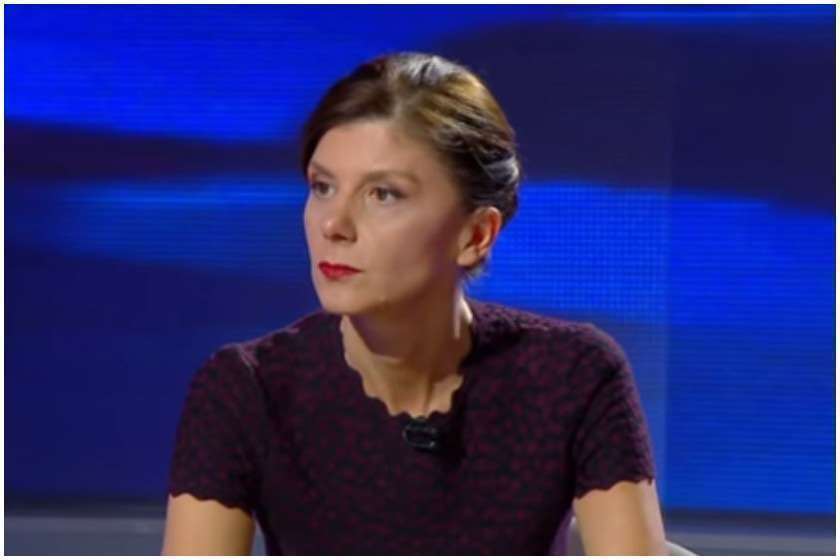
Tamar Chergoleishvili says: “For us, this changes nothing, because as long as even one party is banned — regardless of our attitude towards it — we believe the political process is dying. We will not take part in any formal political process and will not serve as decoration for the regime.
Of course, we see all other parties as competitors, but we want to defeat our competitors in a fair contest, not as a result of bans.
The regime needs this now because the nine-month deadline for the previous lawsuit is expiring. They do not have the resolve to ban those three parties, so they need a new timeframe. Accordingly, they withdrew the nine-month claim and filed a new one to reset the clock. This is a demonstration of the regime’s weakness and nothing more.
Through protest actions, sanctions and by offering an alternative, we will force the regime to make concessions. As a result, the regime will, of course, change, and a democratic government will come to power, of which we — the Federalists party — will be a part.
We will establish justice in the country, ensure security for citizens and restore civil freedoms. We will also change the electoral legislation so that people regain their right to choose, and a fair judiciary will guarantee the protection of that choice, so that figures like Bidzina Ivanishvili can no longer seize it.”
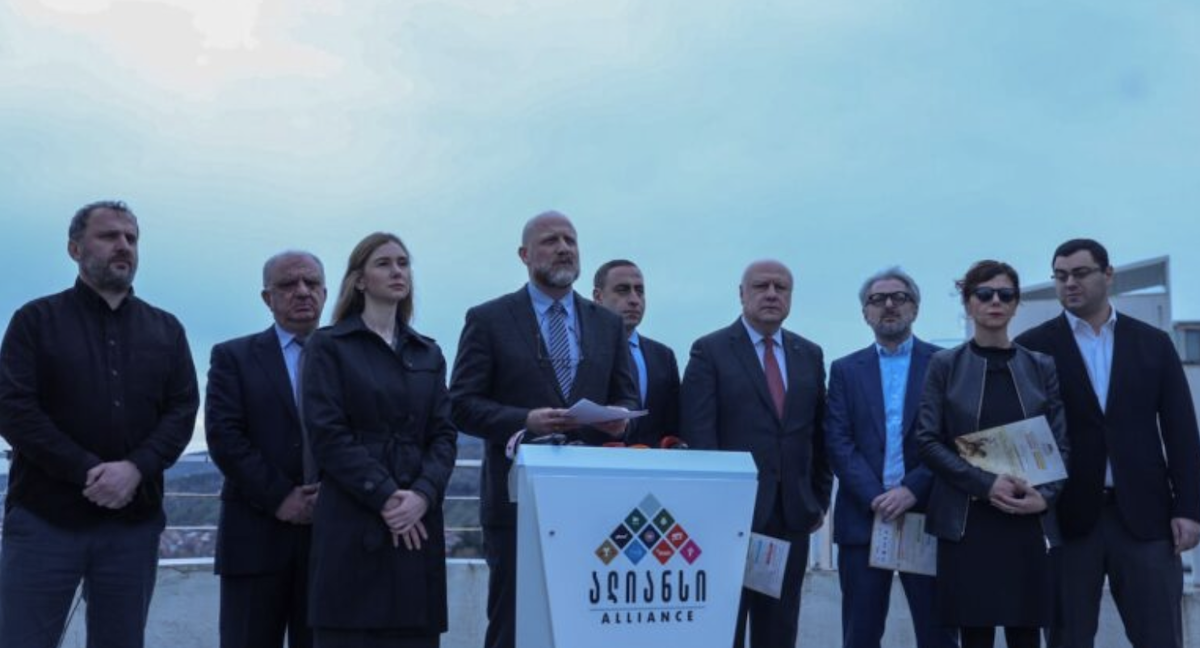
In autumn 2025, the ruling Georgian Dream party filed a lawsuit with the Constitutional Court seeking to ban three of the country’s largest opposition groupings: Unity — National Movement, Lelo — Strong Georgia, and the Coalition for Change: Gvaramia, Melia, Girchi, Droa. At the same time, the authorities publicly hinted at a broader list of parties that could become targets of similar bans.
Notably, even according to the disputed data of the Central Election Commission, the parties the ruling party aims to ban collectively received support from 623,299 voters in the 2024 parliamentary elections, accounting for 49 parliamentary seats and 30.01% of the vote.
Another party in Georgia may face a ban