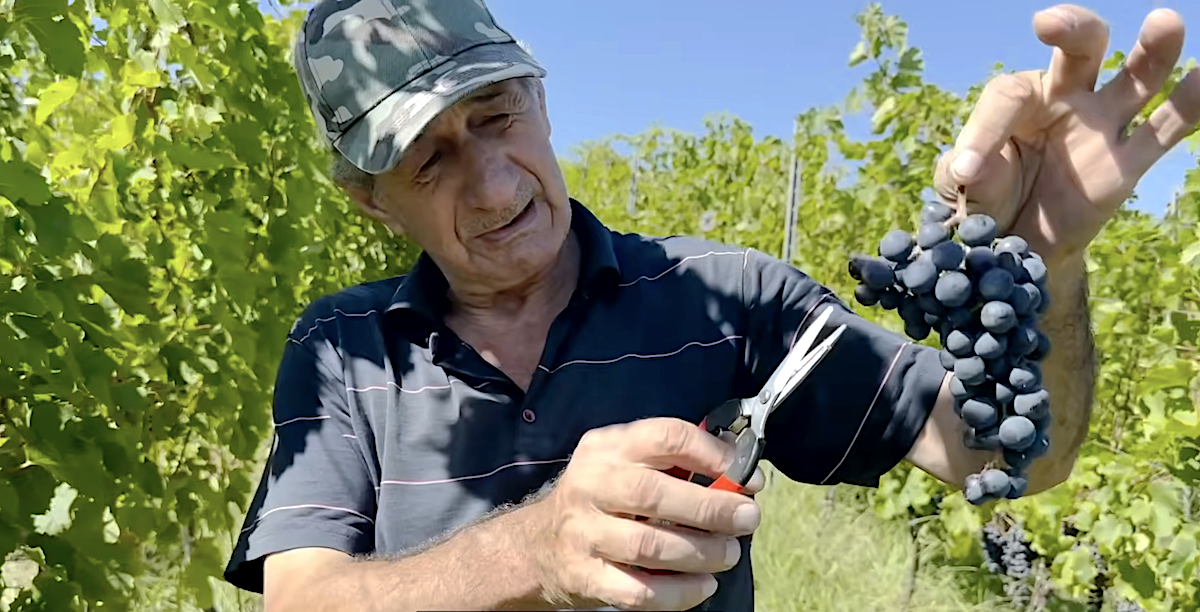
Armenian pensioners face growing financial strain as pensions fail to keep pace with rising prices






How pensioners in Armenia live amid inflation
Armenia did not raise pensions in 2025, and the government has not announced any increase for this year either. The last increase took effect on July 1, 2024. The minimum pension rose from 31,600 drams ($83.8) to 36,000 drams ($95.4).
Over the same period, prices for many goods rose sharply. When they assess pensioners’ quality of life, experts first point to higher food prices. Older people spend a large share of their pensions on groceries and utility bills. In December 2025, food prices were 4.3% higher than in December 2024.
- More cases of elder abuse in Armenia
- “Let’s pray for the villages to survive. But it won’t be without investment” – three stories from Georgia, Armenia and Azerbaijan
- Selective abortions in Armenia
How pensioners are “making ends meet”
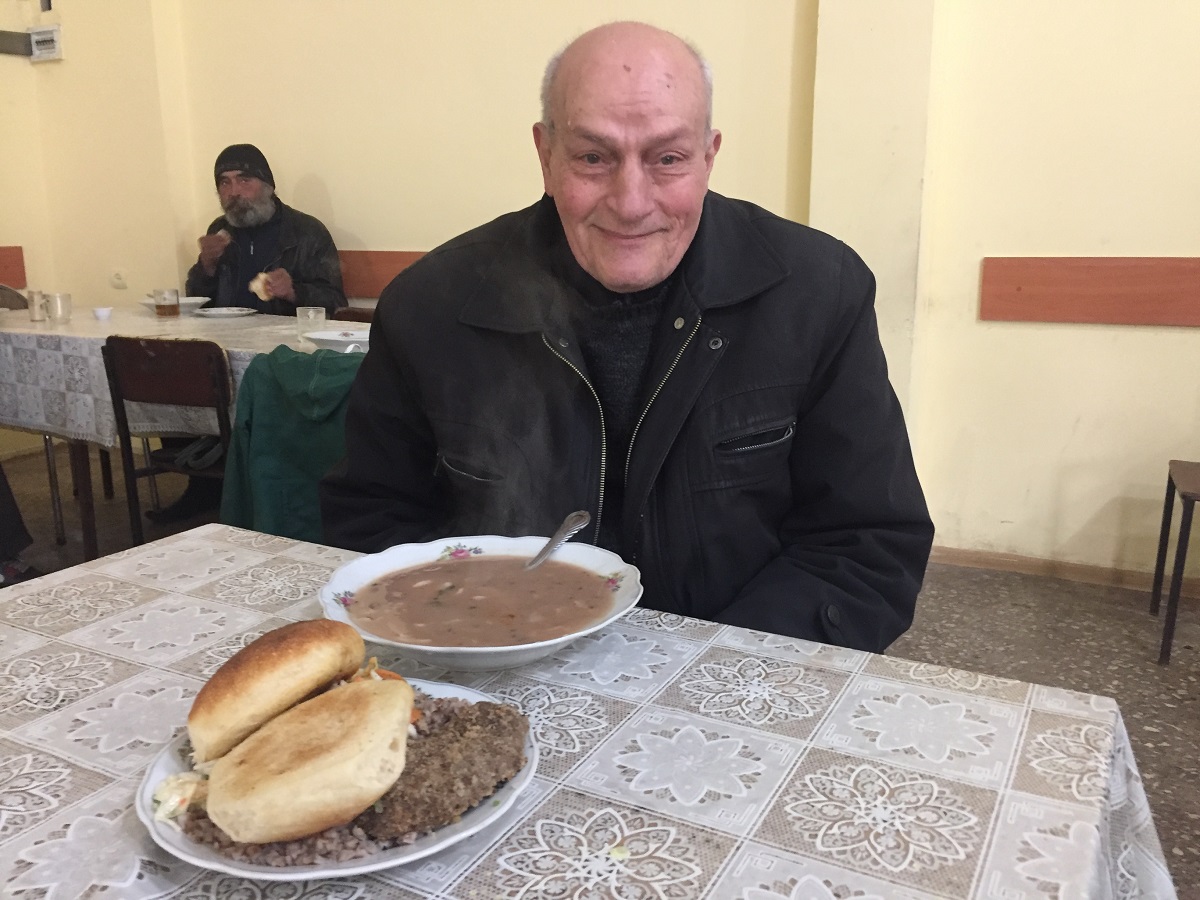
Razmik and Haykush are pensioners who live in Yerevan. Their pension is their only source of income, and their children do not support them. Every month, the couple try to live within the limits of what they receive.
“Every year it gets harder for older people to make ends meet. Three years ago, I could buy two or three kilos of meat a month. Now I buy one and a half. As a result, I can cook meat dishes only two or three times a month. We cannot even afford butter, so we use margarine instead. We no longer buy dairy products in shops. Instead, the family makes do with what farmers and traders from the regions bring to sell in the courtyards. They sell milk, matsun and cheese at lower prices,” Haykush says.
Together, they receive a monthly pension of 107,000 drams (about $284). They spend 50,000–60,000 drams ($133–159) of that on food.
“The rest of the money goes on utility bills and medicines. We buy clothes very rarely. Rising prices forced me to quit smoking. I could no longer afford cigarettes. My wife gave me a choice: cigarettes or coffee and sweets. At seventy, sweets are more addictive,” Razmik says with a smile.
His wife explains that they would not survive on their pension without her experience in running the household and managing the family budget.
“When my husband earned a high salary, we could travel. We bought good furniture and nice tableware for the house. We also helped relatives financially. Now, when neighbours or relatives visit, they still wonder how we cope. We cannot even afford butter, so we use margarine instead. We no longer buy dairy products in shops. Instead, we make do with what farmers and traders from the regions bring to sell in the courtyards. I also prepare semi-finished meat products when we buy meat. That helps us save money.”
They say they cannot always pay with a bank card. Even though they know they could receive cashback of up to 10,000 drams ($26.5) if they pay without cash.
Since 2022, the government has run a cashback scheme for pensioners who make cashless payments. In 2025, it raised the cashback rate from 12% to 20%. However, the maximum refund remains capped at 10,000 drams.
They buy most essentials with cash in small shops or from traders who bring food from the regions. Because of this, they do not expect to receive cashback.
“We thought about paying for everything by card and getting money back. Once they returned 5,000 drams ($13.26). But this cannot solve the problem of low pensions. We are not complaining, but the pension should increase by at least 20,000–30,000 drams,” Haykush says.
However, her husband disagrees, and he says the pension should reach at least 80,000 drams ($212), because otherwise it cannot cover basic expenses.
“Bread alone is not enough for a person to feel they live well. I would like to go to the theatre, visit relatives, buy good clothes, use a taxi sometimes, and heat the whole flat, not just the living room.”
Statistics: how food prices have risen
Below is a list showing how much food prices increased in December 2025 compared with December the previous year:
● chicken – 4.3%
● beef – 11.7%
● pork – 12.7%
● lamb – 14.1%
● cereals – 2.6%
● bread – 3.6%
● pasta – 7.9%
● buckwheat – 9.4%
● peas – 10.4%
● butter – 7.2%
● margarine – 7.4%
● sunflower oil – 8.2%
● cheese – 4.6%
● eggs – 7.2%
● confectionery – 2.4%
● coffee – 9.5%
● cocoa – 31.9%.
Only vegetables became cheaper, falling by 7.5%.

‘It is impossible to ensure a dignified old age by raising pensions alone’
Economist Arshavir Matevosyan says pensioners in Armenia are “financially vulnerable.” As a result, their quality of life suffers, because their health also deteriorates.
“The size of their pensions does not change, despite rising prices. Armenia has not indexed wages and pensions for a long time. Of course, salaries have increased somewhat in both the private and public sectors. But the authorities have not recalculated benefits and pensions. At the same time, it is impossible to ensure people a dignified old age by raising pensions alone. Elderly people whose children do not help them, to put it mildly, survive rather than live,” the economist says.
He believes the government could offer this group certain privileges:
● provide free quotas for visits to cultural centres
● offer discounts on certain goods in some supermarkets
● expand the existing lists of free medical services and medicines
Under the universal health insurance system introduced on 1 January 2026, the state now covers medical costs for several groups in its first phase, including people over the age of 65. Pensioners can now undergo various examinations and receive preventive treatment free of charge. Their package also includes certain surgical procedures and operations. Overall, it offers a substantial list of services. Those who are insured can also obtain medicines free of charge from an expanded list included in the insurance policy.
Since January, 1,571,181 people have joined the insurance system as beneficiaries. Of them, 32.5% are over the age of 65 and receive the insurance package free of charge.Over the past month, the state budget has already covered more than 4.3 billion drams ($11.4m) in medical services for them.
Arshavir Matevosyan believes low incomes among pensioners deepen social inequality in the country.
He says pensioners should not drop out of public life and that the state needs to support their economic activity.
“From an economic point of view, their passivity is a missed opportunity. Higher pension payments return to the economy through various chains of consumption.”
The economist suggests adopting European experience. He says that in EU countries, people of retirement age start new businesses, buy shares and place deposits in banks.
“When a person remains economically active after the age of 65, it improves their quality of life. They continue to create economic value and at the same time live with dignity.”
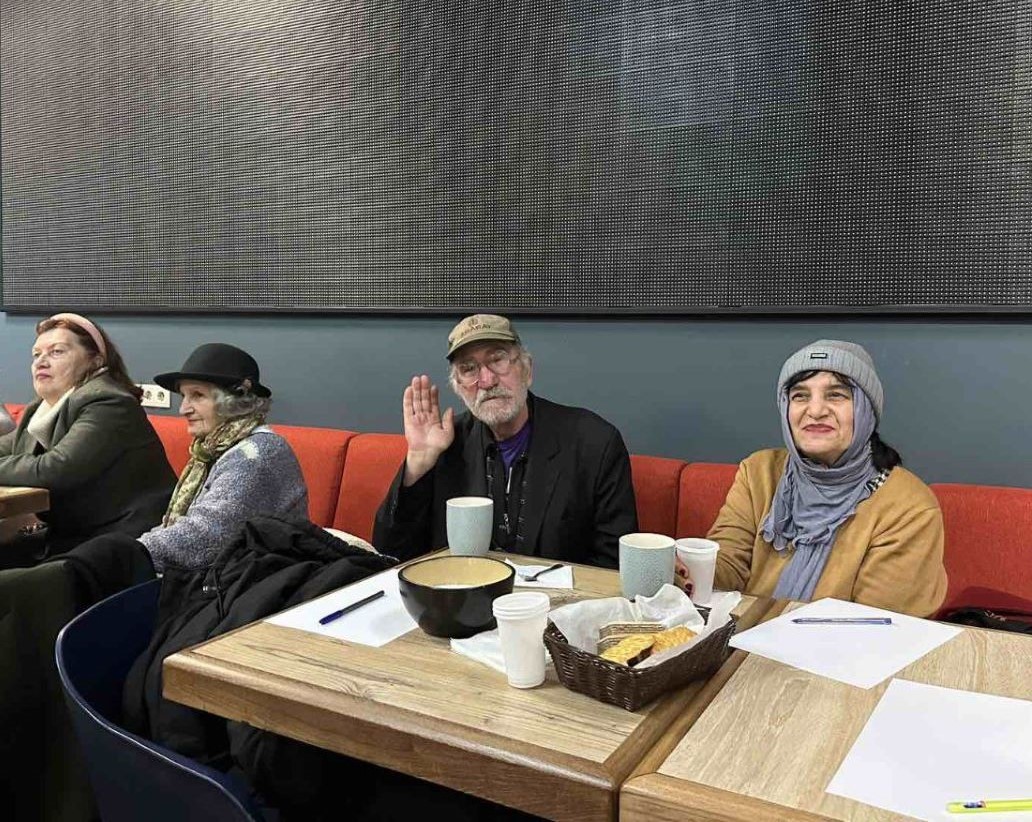
How pensioners in Armenia live amid inflation