Armenia bets on AI development, but experts warn of lack of strategy






Armenia’s AI factory launch: prospects and risks
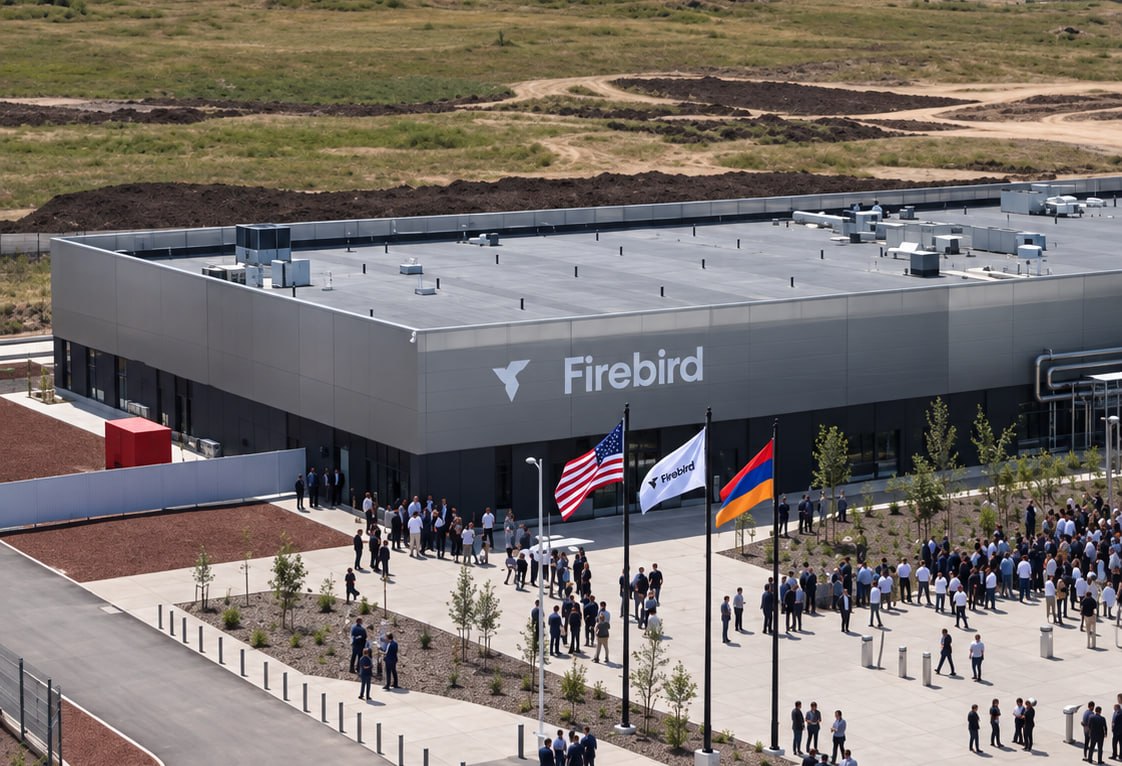
Armenia is actively developing its artificial intelligence sector and aims to become a regional centre for innovation. In the summer of 2025, the government announced plans to build a powerful AI factory with $500m in investment. The authorities plan to launch the data centre in 2026. The ambitious project could become a platform for innovation, education, science and entrepreneurship. Officials expect it to stimulate local start-ups and strengthen links between science and technology. The project could turn Armenia into a regional tech hub.
The investment project is being implemented jointly by:
- the Armenian government;
- the US technology company NVIDIA, a global leader in graphics processing units (GPUs) and AI platforms;
- Firebird.ai, a cloud-based AI company headquartered in San Francisco and Yerevan;
- Team Group.
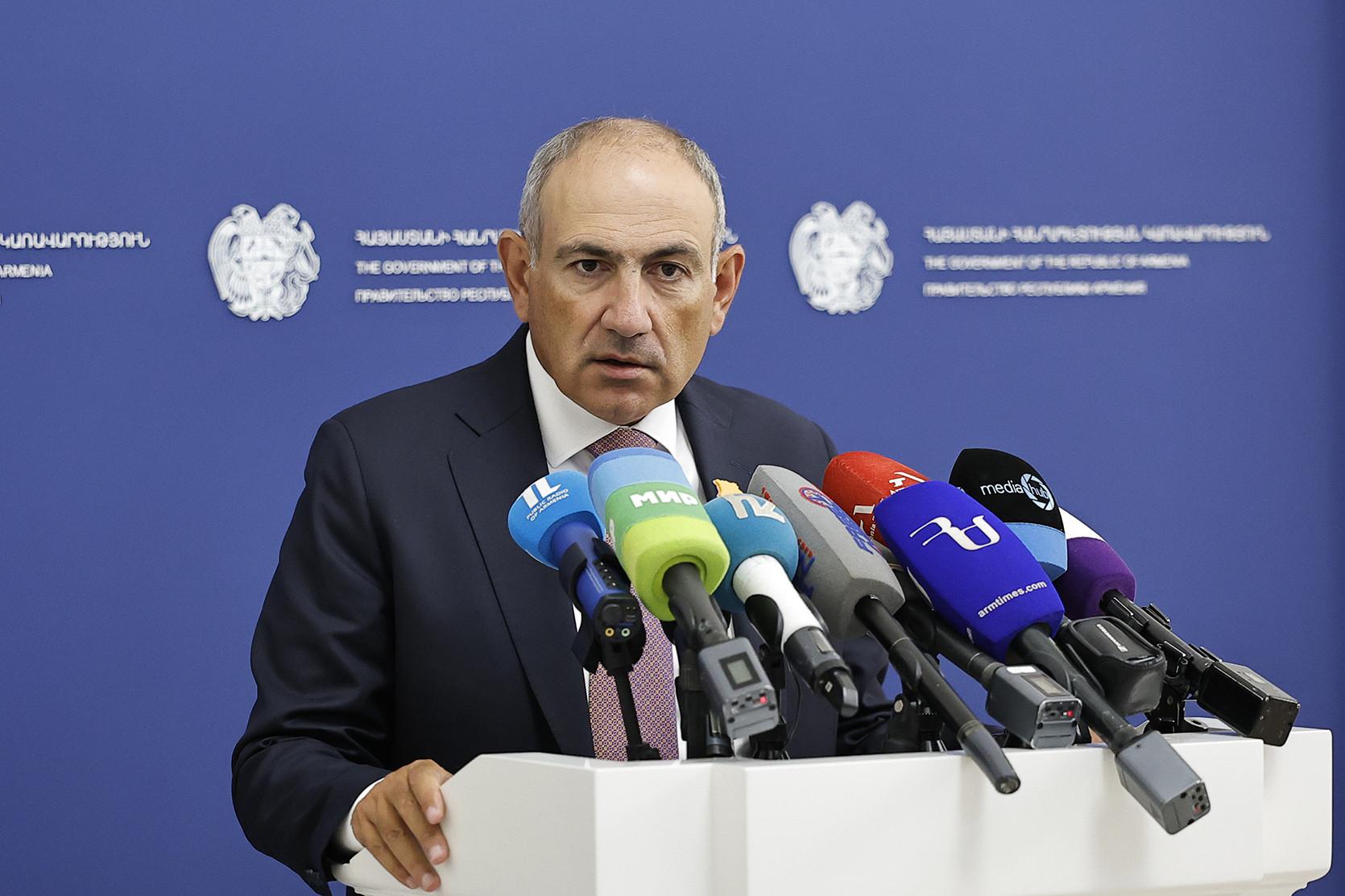
“With this initiative, Armenia is joining the global artificial intelligence movement not as an observer, but as a creator of new opportunities,” said Armenia’s minister of high-tech industry, Mkhitar Hayrapetyan. “A new platform is taking shape where local potential will be able to develop modern solutions in line with global advances. This is a strategic investment in the long-term technological progress of our country.
Firebird will purchase next-generation graphics processors from NVIDIA, equipped with the most advanced chips. This will allow the company to provide cloud-based AI computing services to Armenia’s economy and to technology firms around the world that focus primarily on innovation.”
Washington has already granted export licences for the chips, whose sale it controls. Experts describe this as a major achievement, given the strategic nature of the technology.
A memorandum of partnership on artificial intelligence and semiconductors, which Armenia and the United States signed in August 2025, forms the basis of the cooperation.
International partners have already taken notice of Armenia’s ambitions in AI. Mr Hayrapetyan has entered the Government AI 100 global ranking for 2026. The list includes officials seen as the most effective at introducing artificial intelligence into public administration. He appears alongside figures such as US presidential science and technology adviser Michael Kratsios and the UAE’s minister for artificial intelligence, Omar bin Sultan Al Olama.
The article also features a comment from information security expert Samvel Martirosyan on how Armenia’s technological partnership with the United States may develop. He also outlines the opportunities and risks associated with the use of artificial intelligence, including in public administration.
- Armenia aims to become tech hub of South Caucasus with new AI data factory
- EU investments in Armenia to reach €2.5 billion: meeting in Brussels
- “Trump Route” will create conditions for new investment in Armenia – economist
Commentary by information security expert Samvel Martirosyan
Miss the moment, miss the chance
“Today, the specific parameters of Armenia’s technological cooperation with the United States remain unclear. However, an important precedent already exists: the US government has authorised the export of NVIDIA chips to Armenia. Washington strictly controls sales of this strategic product.
This authorisation represents a major achievement, given the global semiconductor shortage driven by the artificial intelligence boom. The US government allows exports of such technologies only through a political decision and on the basis of trust. In other words, a desire to open a data centre alone does not suffice. The United States must show political will.
It remains unclear how this authorisation will turn into a full-fledged partnership. The ambition, however, is clear. Armenia wants to become a regional technology hub. In the global race for digital leadership, the rule is simple: miss the moment, miss the chance. Armenia is trying not to miss it,” said Samvel Martirosyan.

AI in public administration
“There is still no systematic rollout of artificial intelligence across Armenia’s public sector, but individual agencies already use the technology in targeted ways.
For example, the Ministry of Economy uses AI to analyse satellite imagery and carry out mapping in agriculture. The State Revenue Committee applies AI to identify tax risks and anomalies in taxpayers’ reporting. The Ministry of Labour and Social Affairs has announced a pilot project that will use AI to identify vulnerable population groups.
At the same time, the Ministry of High-Tech Industry is building partnerships with key market players, including NVIDIA and the French firm Mistral AI.
To support local start-ups, the authorities have launched a virtual AI platform. It provides Armenian developers with the necessary technical capabilities.”
Armenia at an early stage of AI adoption
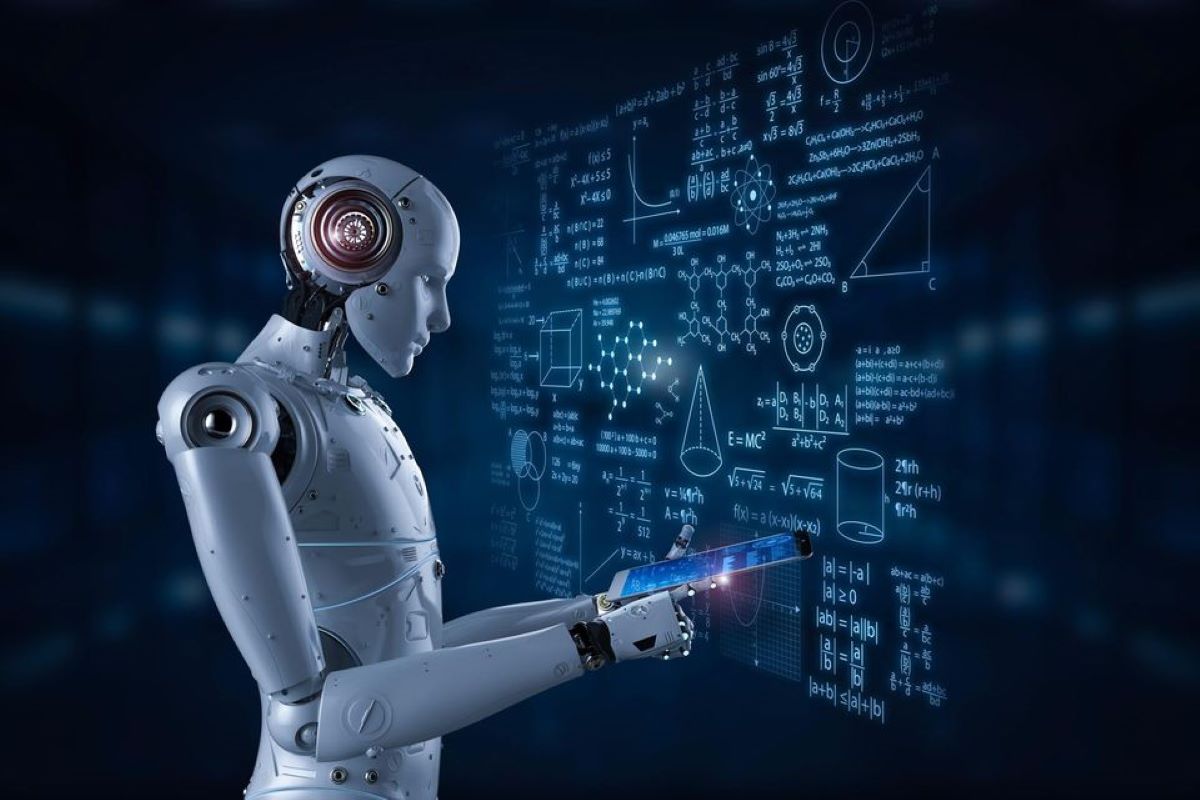
“The main problem is a lack of transparency. No one clearly knows how ministries use artificial intelligence or what data they process. Armenia does not have a unified institutional strategy for introducing AI.
Large-scale reform of the state apparatus adds to the uncertainty. The government is going through a restructuring process. It is moving information systems to cloud-based solutions. During this transition, it is difficult to assess what capabilities the government will have once the transformation ends.
Data leak risks exist even without artificial intelligence. Information security already poses a serious challenge for state institutions today.
It is important to understand that centralised use of AI by the state does not mean officials working through ChatGPT. It means deploying local models with controlled infrastructure. Armenia is still at an early stage of this path.”
The risk of losing natural intelligence
“Artificial intelligence can bring enormous benefits to the state, but only if it serves a clear purpose and qualified specialists support it. Without that, AI becomes a double problem. It turns into a pointless drain on the budget and a source of risk.
Algorithms can drive poor decisions. Cyber vulnerabilities can emerge. Attackers can exploit weak points in infrastructure. All of these threats become real when institutions introduce AI without professionalism. That is why the focus must be on a systemic approach. Authorities need proven solutions, strategic planning and the involvement of experts.
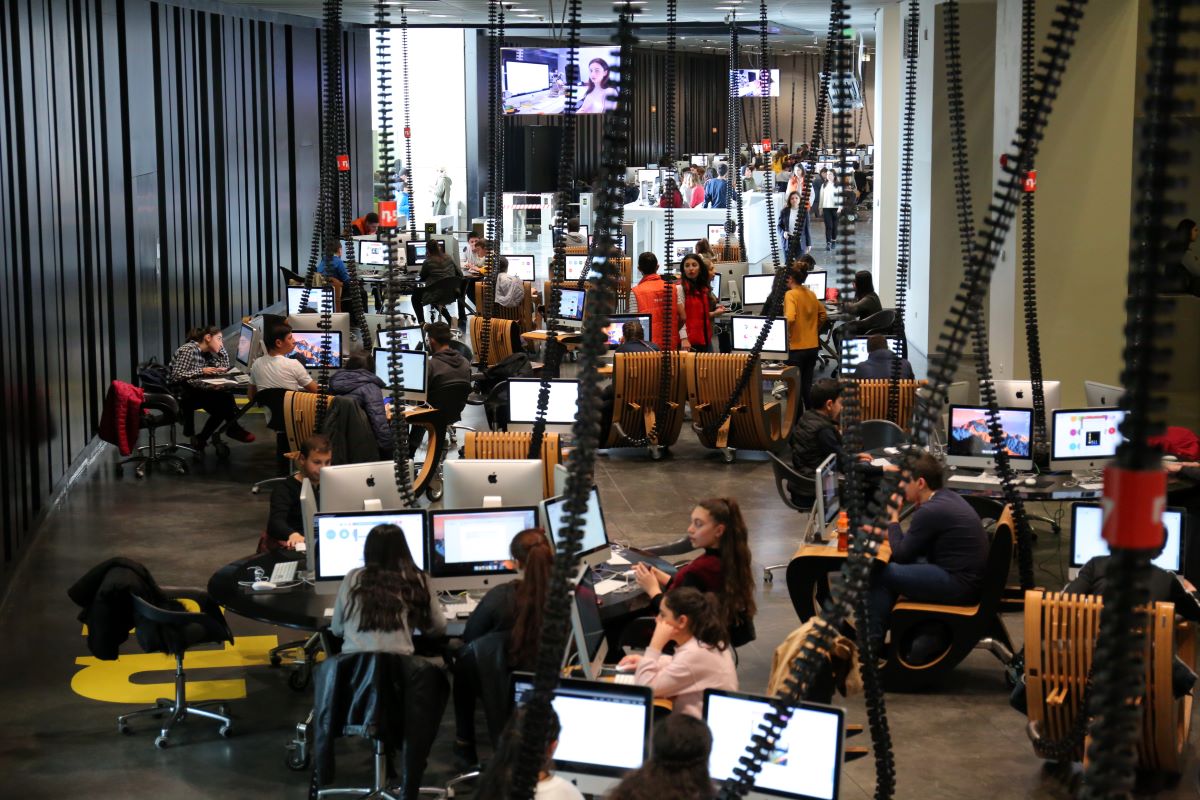
In a few years, AI will become ubiquitous. Society will treat its use across all sectors as the norm. However, the main risk is already visible today. People are delegating their thinking to machines. This affects schoolchildren and senior officials alike. Many high-ranking officials already rely heavily on AI when they make management decisions, almost all of them at an individual level.
The paradox is clear. A technology designed to enhance human capabilities may end up eroding critical thinking.”

Armenia’s AI factory launch: prospects and risks