UN rapporteur on situation in Georgia: 'New laws amount to systematic pressure on civil society'






UN rapporteur on situation in Georgia
UN Special Rapporteur on human rights Mary Lawlor has said that new laws and the political course adopted by Georgia’s government amount to systematic pressure on civil society, independent media and human rights defenders.
She said that in recent years, policies pursued by the ruling Georgian Dream party have significantly narrowed the space for human rights protection and put the country’s democratic processes at risk.
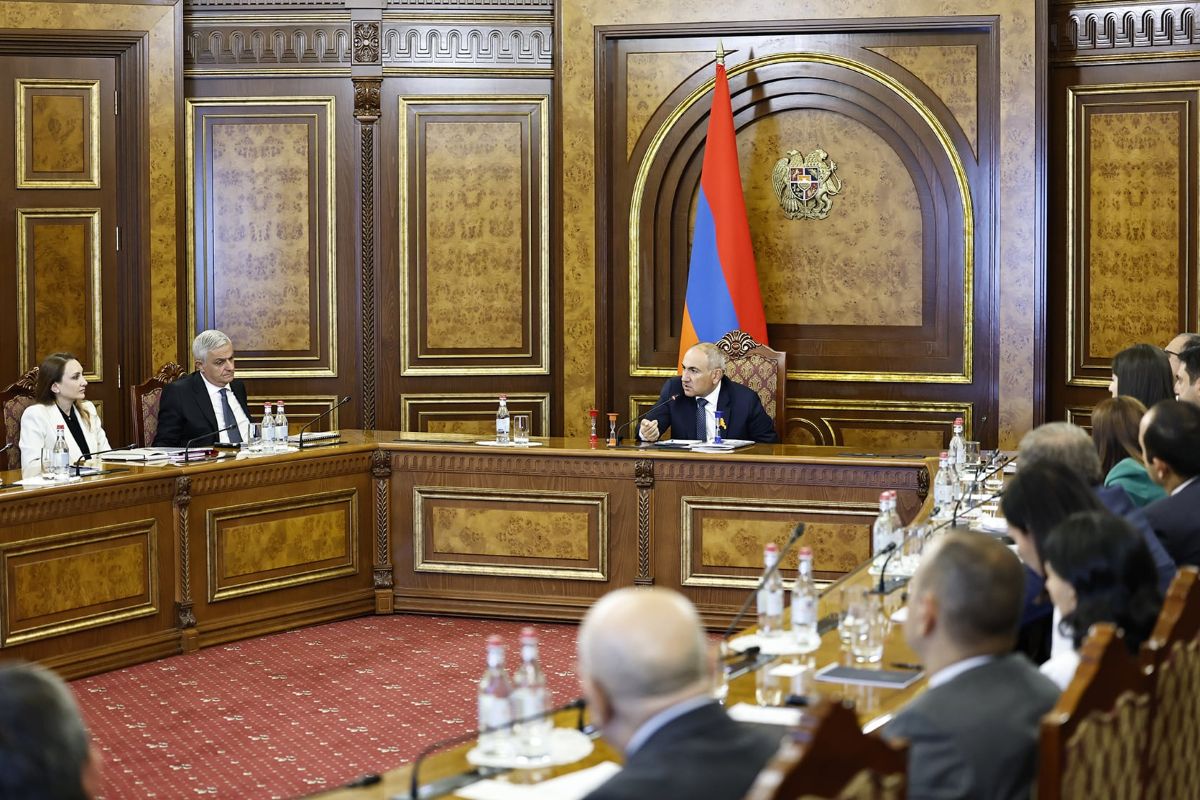
On 26 January in Geneva, Georgia’s national report on the human rights situation for 2021–2025 was discussed as part of the Universal Periodic Review mechanism of the UN Human Rights Council.
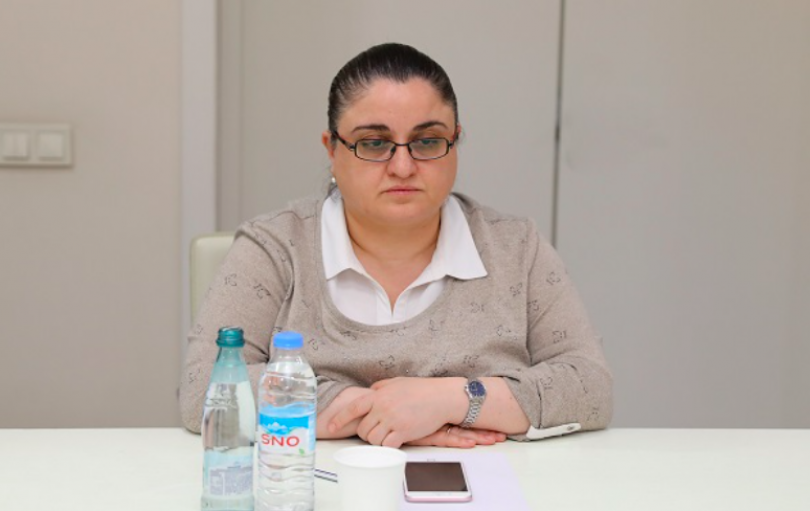
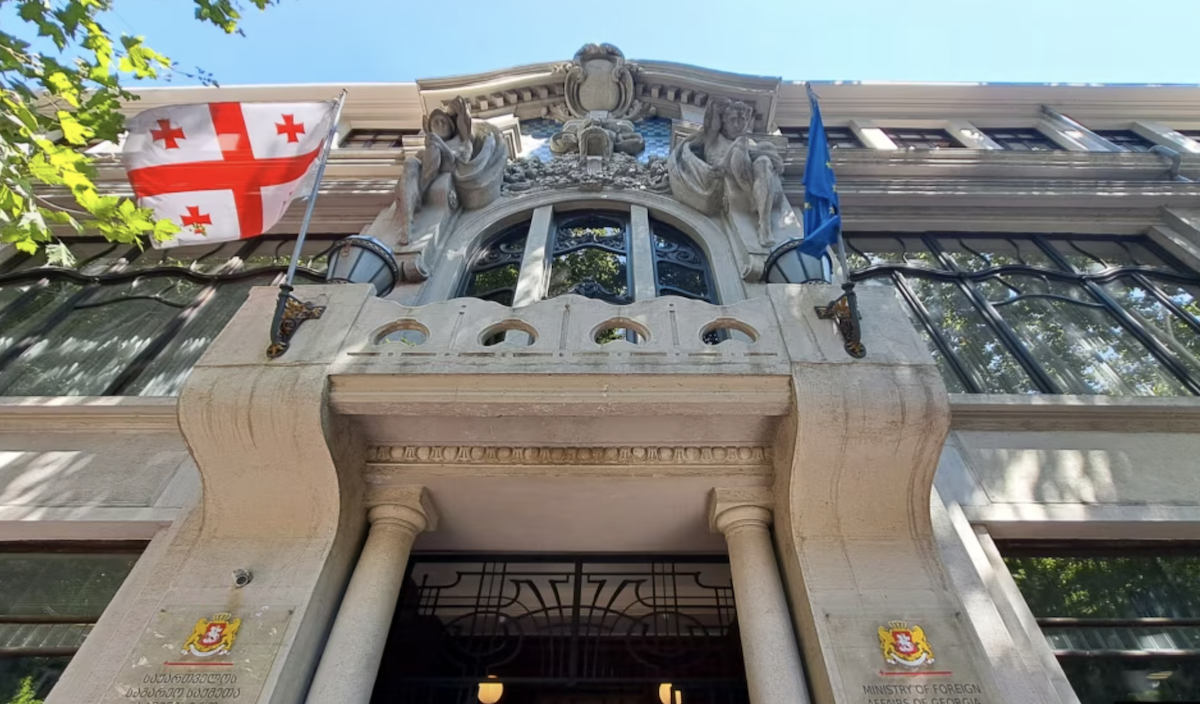
Georgia’s deputy foreign minister Khatuna Totladze presented the report. She said that despite serious security challenges, Georgia leads the region in many areas. Totladze said the Georgian government has strengthened the rule of law and set the highest standards for human rights protection.
Mary Lawlor’s statement came in response to this report.
Mary Lawlor noted that since the previous Universal Periodic Review in 2021, she has led or contributed, within her mandate, to eight reports on Georgia, none of which received a response.
She also carried out an official visit to Georgia in October–November 2023 and presented a report documenting a serious contraction of the space for exercising the right to defend human rights.
In her statement, Lawlor focuses in particular on the law “On transparency of foreign influence” and its impact on civil society.
“Since 2023, human rights defenders who oppose the law ‘On transparency of foreign influence’ have faced intimidation, threats and physical attacks because of their views,” she said.
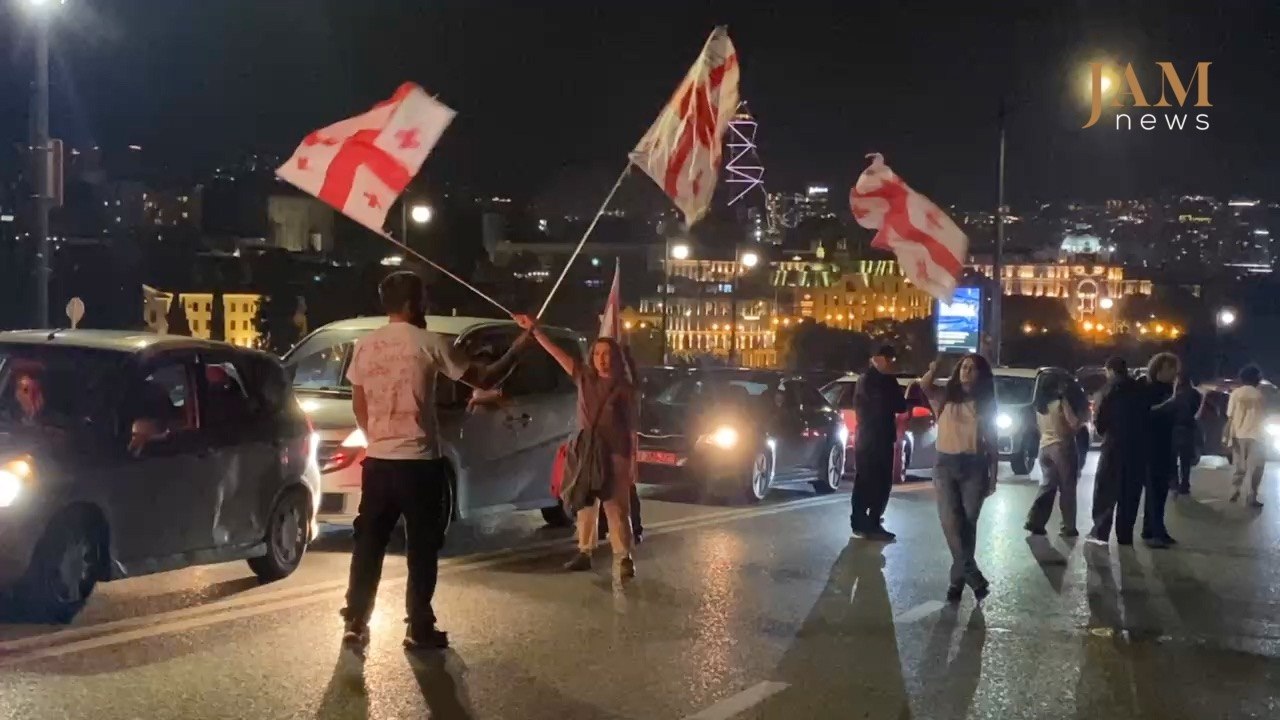
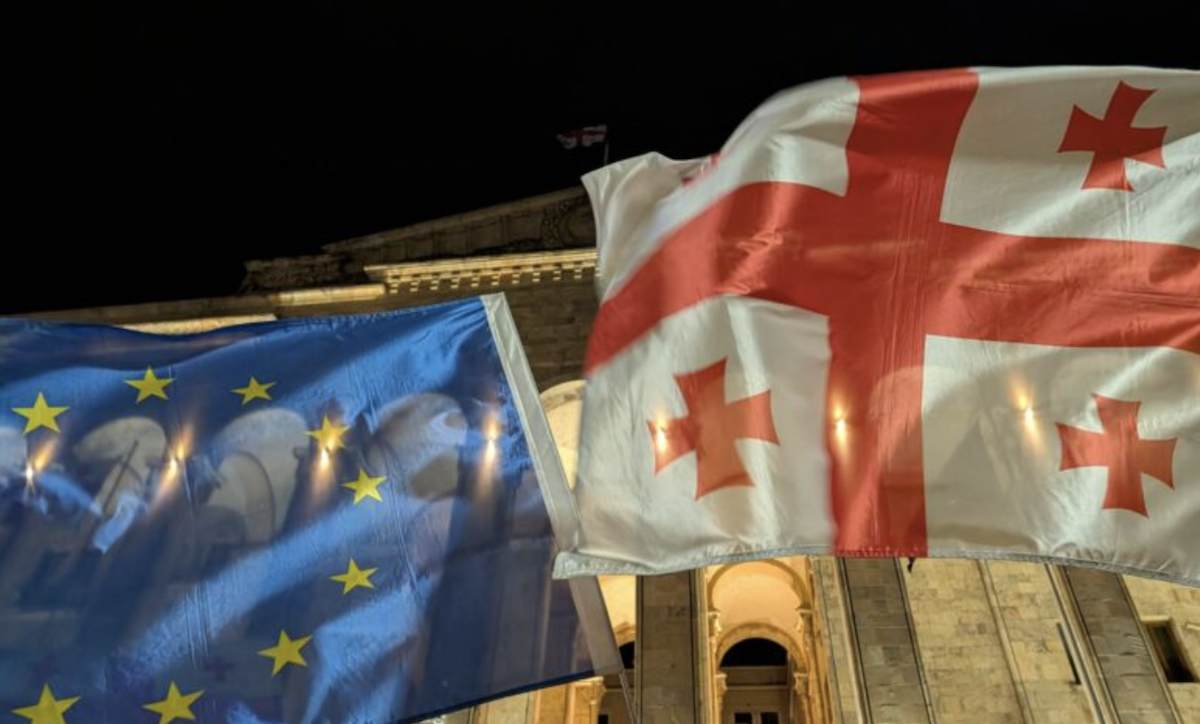
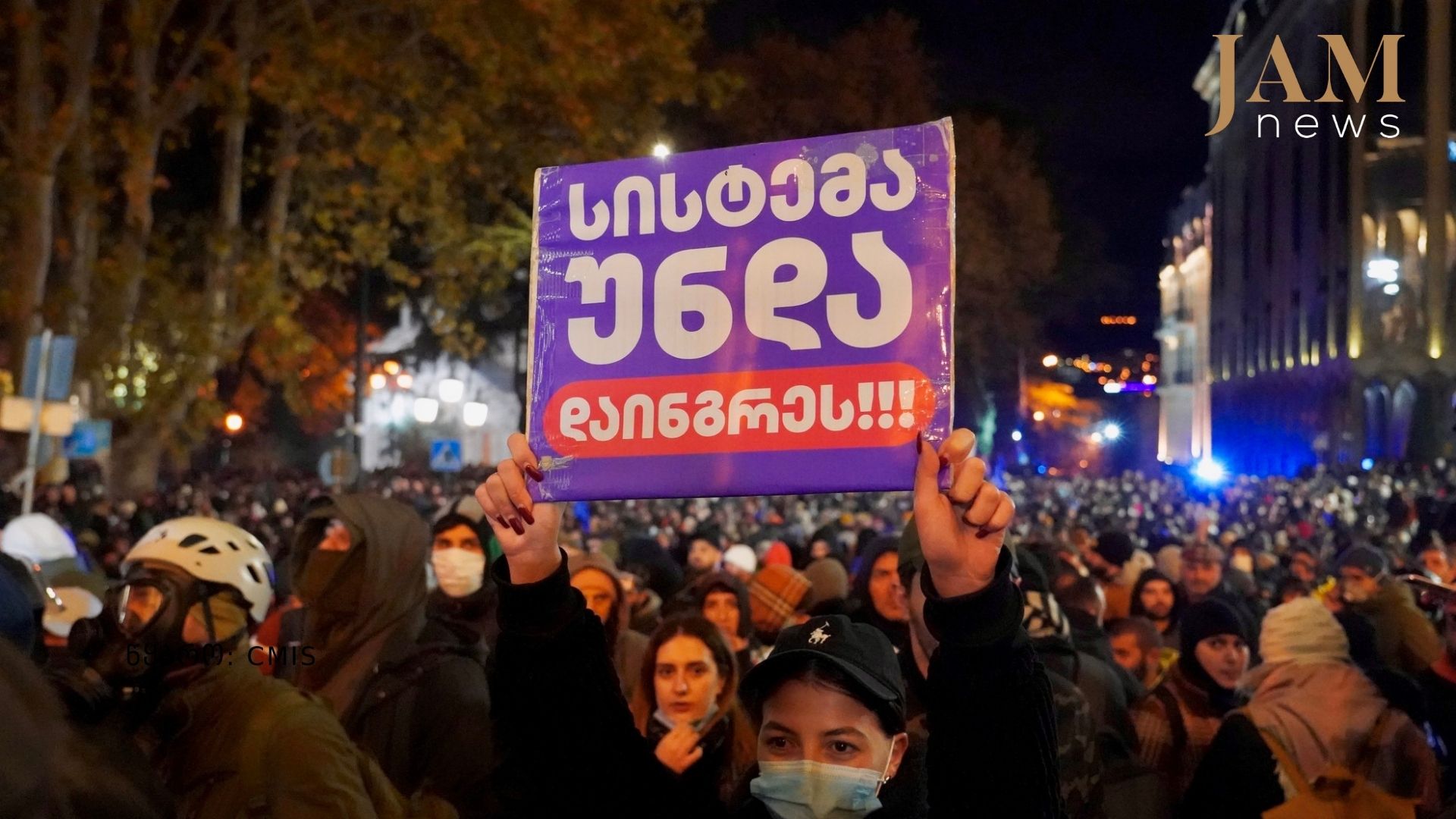
The special rapporteur also recalls that in November 2024, after Georgia’s prime minister announced a suspension of talks on the country’s accession to the EU, mass protests broke out. She says the government responded with alleged widespread human rights violations, excessive use of force and reports of torture in detention facilities.
“Between December 2024 and February 2025, the Georgian parliament rushed through legislative reforms affecting assemblies, administrative offences and criminal law. These changes severely restrict people’s ability to defend human rights,” Lawlor said.
The UN rapporteur describes the Georgian Dream party’s new legislative initiatives as an additional threat to civil society. She points in particular to the proposed “Foreign Agents Registration Act” (FARA) and amendments to the law “On grants”, which restrict organisations from receiving funding without government approval.
At the same time, human rights defenders also face smear campaigns and criminal cases, including accusations of “sabotage”.
The report identifies LGBTIQ+ activists as a particularly vulnerable group. According to Lawlor, the authorities target them through another repressive law.
In Mary Lawlor’s view, the government of Georgia should:
- repeal the Foreign Agents Registration Act and the recent amendments to the law “On grants”;
- revoke recent changes to the Code of Administrative Offences, the law on assemblies and demonstrations, and the Criminal Code;
- repeal the law “On family values and the protection of minors”;
- review the work of the Anti-Corruption Bureau and ensure independent judicial oversight of decisions to freeze the bank accounts of human rights NGOs;
- work to implement the recommendations set out in her report on her visit to Georgia;
- fully guarantee the right to peaceful assembly and refrain from excessive use of force against protesters;
- end smear campaigns against human rights organisations, human rights defenders and lawyers, including those coming from senior politicians and government-controlled media.
UN rapporteur on situation in Georgia