Political prisoners excluded from list of those pardoned in Georgia






Presidential pardon in Georgia
Georgia’s president from the Georgian Dream party, Mikheil Kavelashvili, has pardoned 159 prisoners to mark the Orthodox feast of Epiphany. None of those granted clemency were political prisoners.
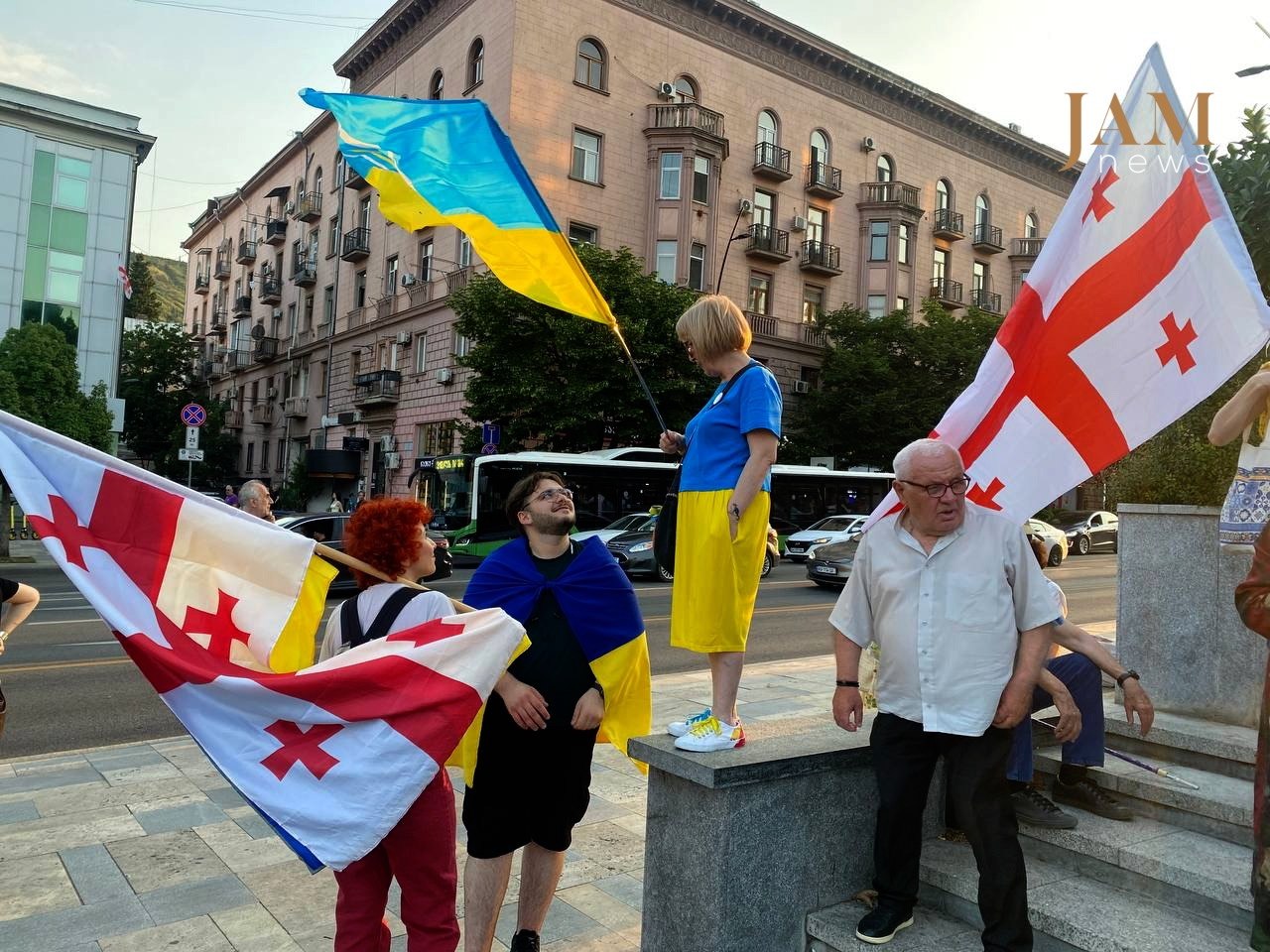
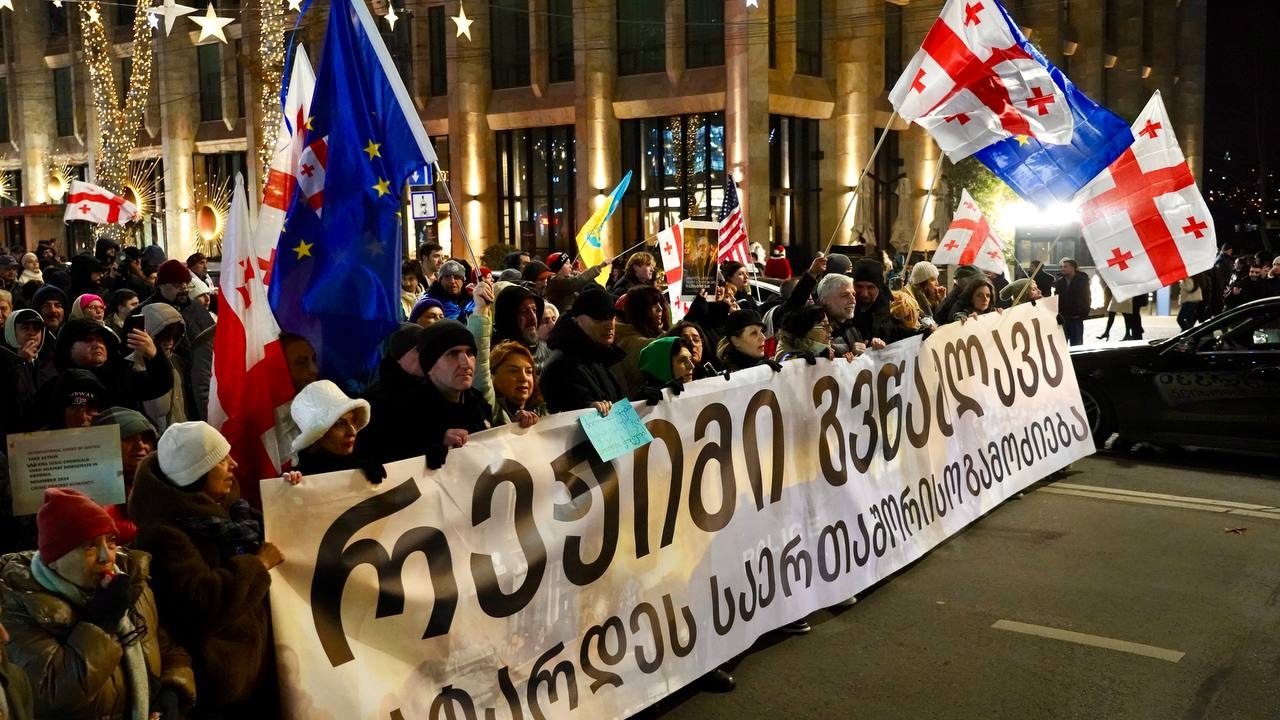
In the early hours of 19 January, before dawn, journalists and relatives of detainees gathered outside several prisons holding political prisoners.
Snow fell throughout the day in Tbilisi and temperatures remained below freezing. Despite the conditions, journalists, family members and lawyers waited outside the city’s prisons, hoping that prisoners of conscience would be included in the pardon list.
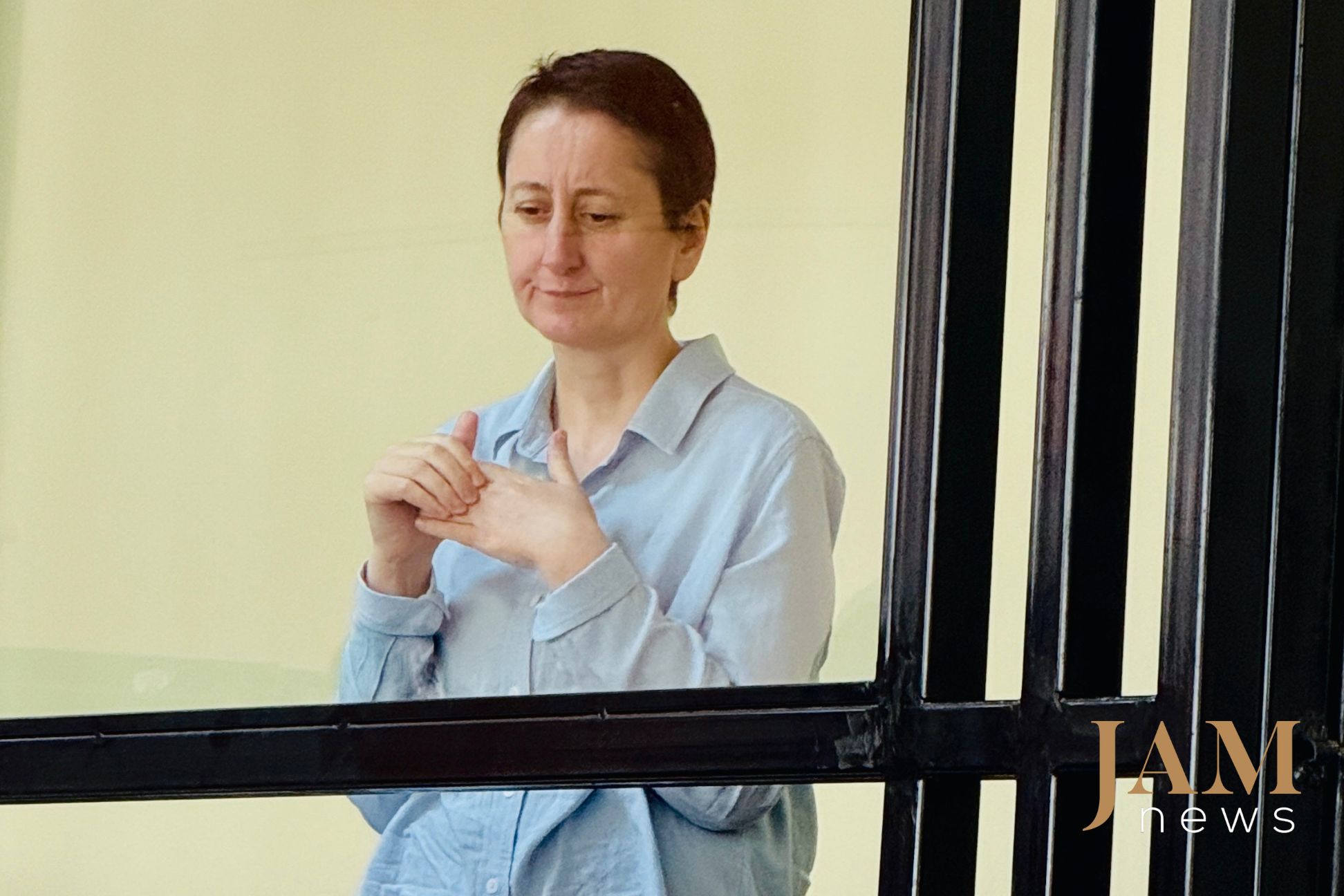
Traditionally, Georgia’s president issues pardon decrees covering dozens of inmates on major religious holidays. Many expected political prisoners arrested during pro-European protests to be among those pardoned, including journalist Mzia Amaglobeli.
Pardons are usually announced in the first half of the day. This time, however, despite heightened expectations and public interest, no announcement was made.
The presidential administration issued the pardon decision at around 22:30. The document stated only the total number of those pardoned — 159 people — without naming them, as lists of those granted clemency are not usually made public.
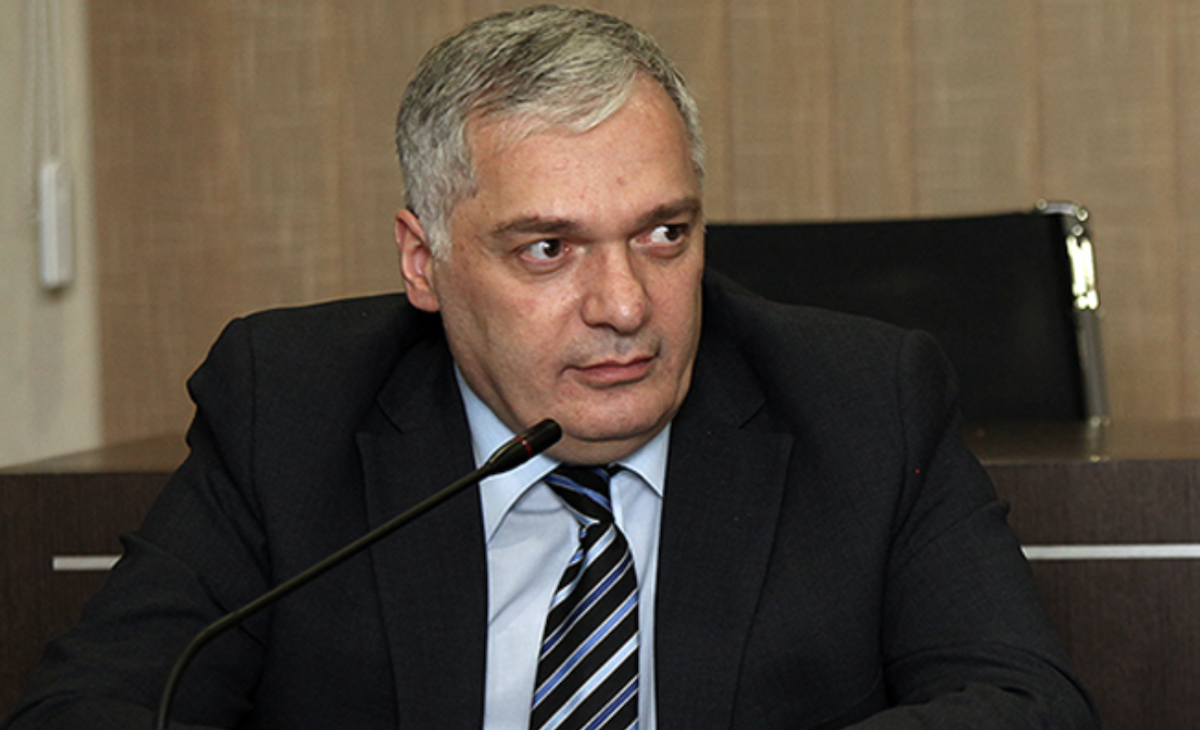
Tension continued to mount. Colleagues of Mzia Amaglobeli, members of her family, as well as relatives and friends of other prisoners of conscience, spent the night in freezing temperatures outside the prison walls.
By midday on 20 January, however, it became clear that expectations would not be met.
Media reports said that neither Mzia Amaglobeli nor any other political prisoners appeared on the list of those pardoned. Her colleagues and family members then left the area around the prison in Rustavi, where the founder of Batumelebi and Netgazeti remains in custody.
Mzia’s brother, Malkhaz Amaglobeli, also came to the prison. He said he had no information about a possible pardon and did not expect one, but still could not stay at home. He added that even if Mzia was not released, he would come to see her in the morning to give her a hug.
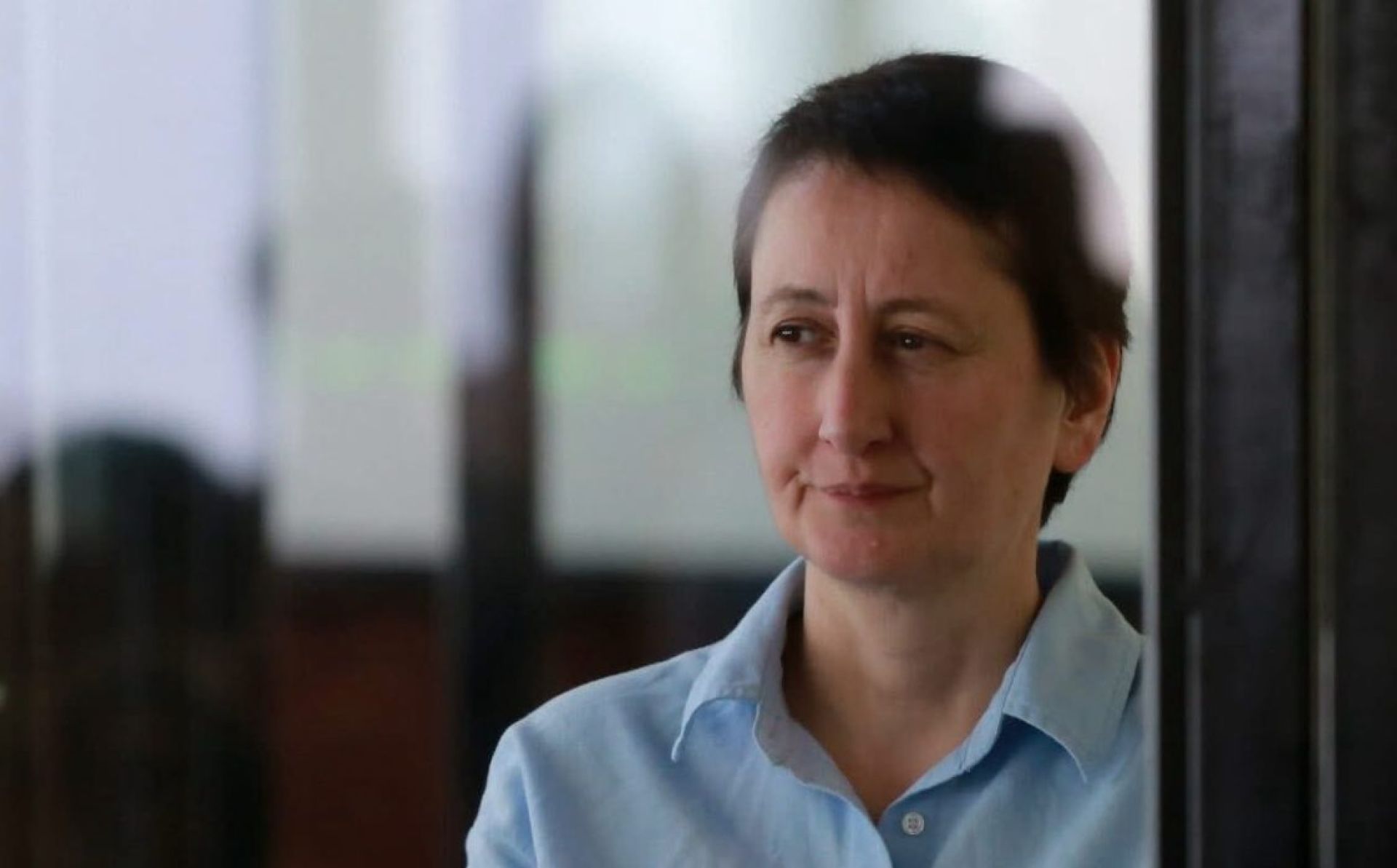

In the morning, Malkhaz Amaglobeli was indeed allowed to see his sister. Speaking to journalists after the visit, he said Mzia was in good spirits and remained optimistic.
“She said that we will meet in a year, when she is released,” he said.
-
The Mzia Amaglobeli case — in brief

Mzia Amaglobeli is the first woman journalist to be recognised as a prisoner of conscience in Georgia. She was arrested twice in Batumi during the night of 11–12 January 2025. Police first detained her for placing a protest sticker on a police building, which officers removed within minutes. Shortly afterwards, police arrested her again after she slapped the city’s police chief, following what her supporters describe as provocative actions by officers.
After her arrest, Amaglobeli went on hunger strike in prison. She refused food for 38 days and ended the strike only at the request of her family, after her health sharply deteriorated and she was hospitalised.
Prosecutors initially sought a sentence of between four and seven years in prison. On 6 August 2025, a judge at the Batumi City Court reclassified the charges and sentenced Amaglobeli to two years in prison under the lesser offence of “threat or violence against a law enforcement officer”.
Her arrest triggered strong international reaction. Senior Western officials and organisations called for her release, and the European Union repeatedly urged the ruling Georgian Dream party to free the journalist.
Mzia Amaglobeli has received numerous international awards. They include the Press Freedom Award, the Forum 2000 international prize for “Courage and Responsibility”, the IPI–IMS World Press Freedom Hero Award, and the European Union’s highest honour, the Sakharov Prize.
It remains unclear what gave rise to expectations that Mzia Amaglobeli might be pardoned, or where those expectations came from. Media outlets reported no information suggesting that such a decision was likely.
On the contrary, representatives of the Georgian Dream party stressed that the president would grant pardons only to those who repented, apologised and personally requested clemency.
Neither Mzia Amaglobeli nor other prisoners of conscience submitted a pardon request to President Mikheil Kavelashvili.
Presidential pardons in Georgia: political implications
Under Georgia’s constitution, the power to grant a pardon rests exclusively with the president and is intended as an individual act of clemency.
The president may exercise this right at any time, although pardons are traditionally linked to major religious holidays.
A presidential pardon allows the head of state to:
- fully release a convicted person from serving a sentence;
- reduce the sentence;
- overturn a conviction.
The latest pardon statistics are as follows:
- Epiphany (19 January): 159 pardons in 2026; 613 in 2025;
- Giorgoba (23 November): 49 pardons in 2025;
- Dormition of the Mother of God (14 October): 70 pardons in 2025.
A pardon should not be confused with an amnesty. A pardon represents an individual decision by the president concerning specific people, while an amnesty involves the mass release of a defined category of prisoners and requires parliamentary approval.
In 2019, the pardon procedure was reformed at the initiative of Georgia’s fifth president, Salome Zurabishvili. As part of the reform:
- the Pardon Commission, which had operated in previous years, was abolished, and pardon cases began to be prepared by a designated department within the presidential administration;
- applicants who are refused a pardon are barred from reapplying for six months;
- presidential decrees are sent immediately to the penitentiary service, although the law does not set a deadline for their execution.
The president may consult relevant state bodies or independent experts when making a decision, although such consultations are not mandatory.
Kavelashvili’s pardon decision
Public expectations that prisoners of conscience — including Mzia Amaglobeli — might be pardoned emerged after figures aligned with the ruling Georgian Dream party began raising the issue in public statements.
Their rhetoric frequently focused on the idea of “repentance”, with claims that inmates should admit guilt and personally ask the president for a pardon. The prisoners responded that, as innocent people, they would never seek clemency from Mikheil Kavelashvili, whom they describe as the illegitimate president of Georgian Dream.
-
Mikheil Kavelashvili — in brief
Mikheil Kavelashvili, a former footballer and the founder of the far-right People’s Power party, was elected president in December 2024 by an electoral college dominated by representatives of the ruling Georgian Dream. He is also one of the authors of the 2023 “foreign agents” bill.
The vote marked Georgia’s first indirect presidential election, which the opposition boycotted. Kavelashvili’s candidacy was personally put forward by billionaire Bidzina Ivanishvili. He received 224 votes from the 225-member electoral college.
His legitimacy was not publicly recognised by Georgia’s fifth president, Salome Zurabishvili. Opposition parties, a significant part of civil society and Western diplomatic circles have also expressed doubts about the legitimacy of his election.
Kavelashvili said as early as December that he would issue pardons in January. In one interview, journalists cited a decision by Belarusian president Alexander Lukashenko to pardon political prisoners and asked whether Kavelashvili’s clemency would extend to prisoners of conscience. He replied:
“People whom you describe as prisoners of conscience committed crimes. Let them admit their mistakes. We will follow developments. We cannot and will not give you an answer today that I will pardon anyone.”
Representatives of the ruling Georgian Dream have repeatedly stressed the need for repentance, despite the fact that Georgian law does not set such a requirement. A convicted person does not need to apply to the president to receive a pardon.
In 2023, for example, then president Salome Zurabishvili pardoned Nika Gvaramia, the founder of the Mtavari television channel, even though he had not requested clemency.
19 January pardons: reactions and commentary
19 January pardons: reactions
Levan Sanikidze, one of the leaders of the opposition United National Movement, said:
“Georgian Dream is trying to show that the shameful candidate it has proclaimed as a so-called president has power — that people must beg him to receive a pardon. These people cannot gain legitimacy or public support, but they are trying to demonstrate: ‘We have power, people, and we do not care whether we are legitimate or not.’”
Nino Tsilosani, an MP from Georgian Dream, said:
“Another absurd aspect of yesterday’s situation is that they were expecting a pardon from a president whom, by their own admission, they do not recognise. Those detained during the rallies are people who have never acknowledged guilt, and society is not confident they will become less radical.”
Marizi Kobakhidze, the mother of political prisoner Tornike Goshadze, said:
“Somewhere deep down, we still had hope, because they are innocent. But the puppet government has shown that it will likely say the problem is that they did not ask for a pardon — that our brave young men did not disgrace themselves.
Our prisoners are not like Irakli Garibashvili. They are citizens of Georgia who are being held illegally. The time will come, and they — Georgian Dream — will be held accountable for everything. This situation in the country will end, because these are not politicians or a government. They are uneducated athletes who were dragged into power.”
Rezo Kiknadze, who was arrested during pro-European protests near parliament, said:
“Looking at the situation in the country, I am reminded of Arkhipo Seturi from the novel Data Tutashkhia (Arkhipo Seturi is widely regarded as an allegory of totalitarian power – JAMnews), and I compare him to those who continue to support the government. I have nothing to regret. I will continue to speak out against injustice.”
Presidential pardon in Georgia